Spain · Andalusia
Where to Stay in Cadiz, Andalusia
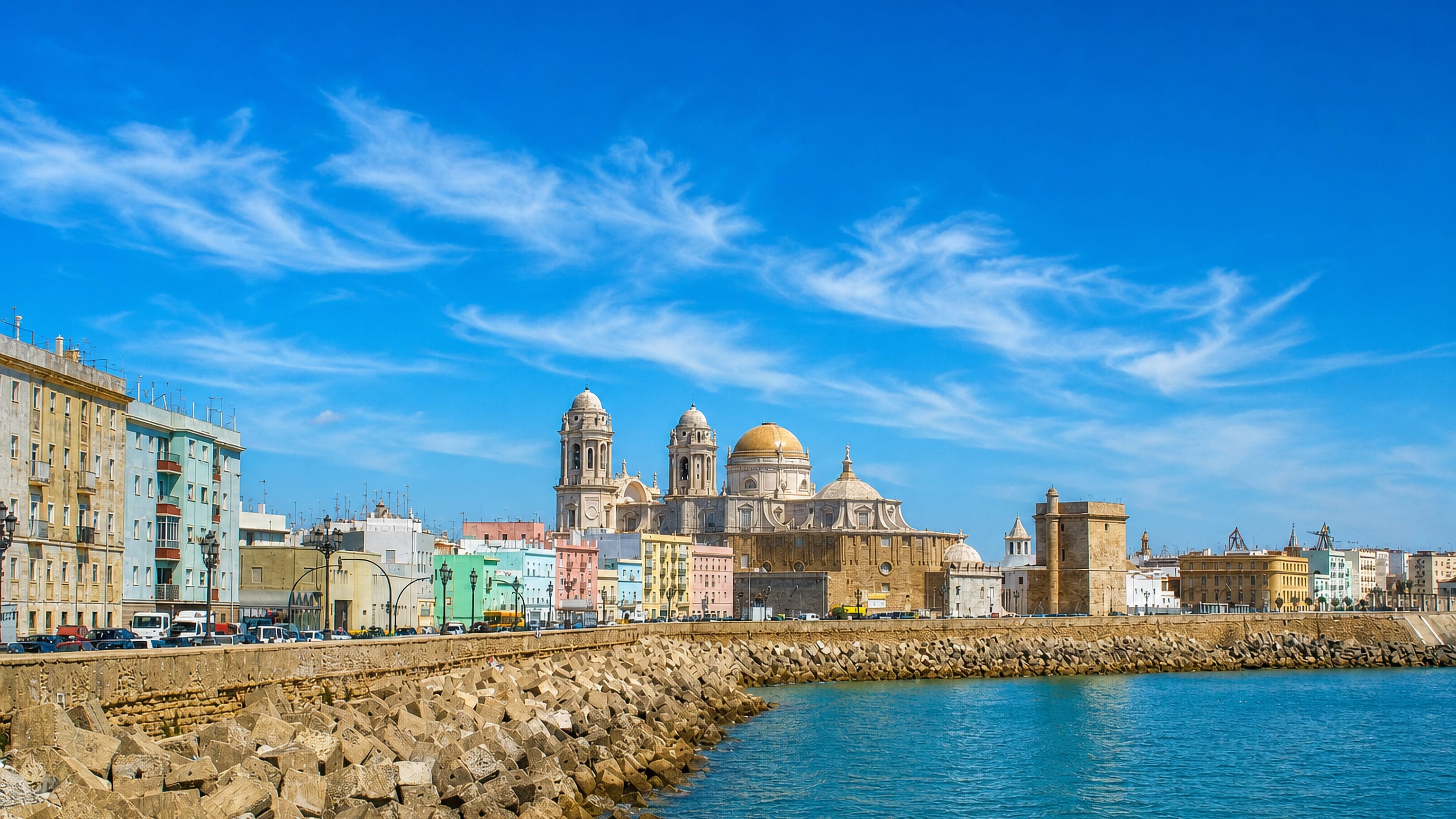
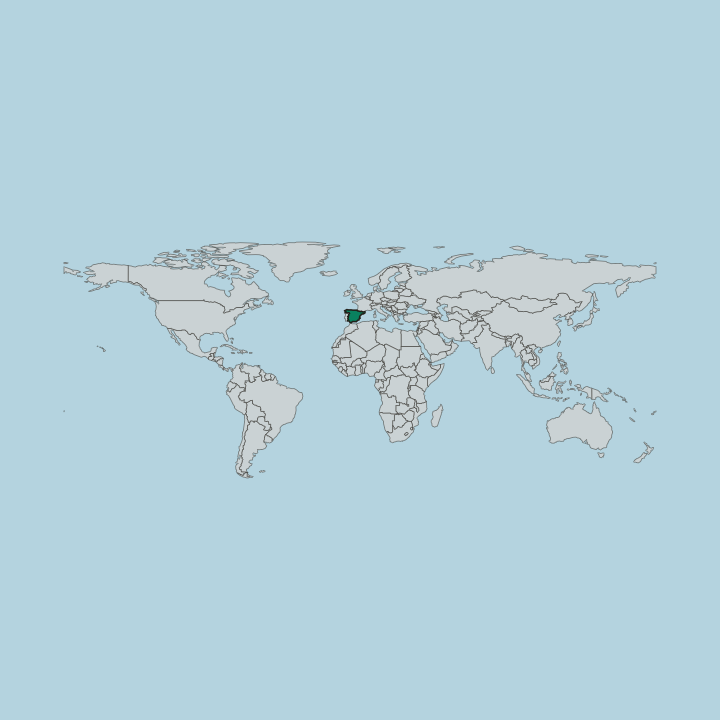
Cádiz, capital of its Andalusian province, holds a narrow isthmus off the Atlantic Ocean, founded by the Phoenicians as a trading post.
Hotel links are affiliate links: booking through them may earn us a commission, at no extra cost to you. It never affects how places are ranked. How this works


Where to stay in Cadiz
Where you base yourself shapes the visit — here's the character of each area.

 CadizSpain
Santa María
Flamenco classes run on Plaza de la Merced in Santa María, a barrio of Cádiz, Spain, held between the port and the Puerta de Tierra.Where to stay →CadizSpainEl Pópulo
Red and white Genoa marble frames the Casa del Almirante in El Pópulo, the walled medieval quarter of Cádiz, laid over a buried Roman theatre.Where to stay →CadizSpainLa Viña
Salt air and Carnival tangos carry down Calle Virgen de la Palma in La Viña, a barrio of Cádiz that grew on old vine ground above La Caleta.Where to stay →CadizSpainEl Mentidero
Red brick and horseshoe arches front Plaza Fragela in El Mentidero, a barrio of northwest Cádiz named for the rumours once traded on Plaza del Mentidero.Where to stay →CadizSpainEl Balón
Atlantic surf breaks under the Castillo de Santa Catalina at El Balón, a barrio on the north-west tip of Cádiz laid out by Torcuato Benjumeda around 1800.Where to stay →CadizSpainPuntales
Puntales runs out on a tongue of land into the Bay of Cádiz, a barrio of Cádiz, Spain, with the Castillo de San Lorenzo del Puntal at its tip.Where to stay →Hotel links are affiliate links: booking through them may earn us a commission, at no extra cost to you. It never affects how places are ranked. How this works
Find hotels in Cadiz
Direct booking searches for these neighbourhoods.
Around Arco del Pópulo
Arco del Pópulo and Arco de la Rosa mark the ground the Roman Theatre of Cádiz lies beneath.Find hotels in Around Arco del PópuloDrivers trading a longer walk for space and parkingPast Puerta de Tierra
The streets beyond Puerta de Tierra run out along the isthmus toward San Fernando with newer rooms on both sides.Find hotels in Past Puerta de TierraNights facing open ocean instead of the sheltered bayThe Santa Catalina seafront
Castillo de Santa Catalina and the Balneario de Nuestra Señora de la Palma y del Real hold the exposed edge of the city.Find hotels in The Santa Catalina seafrontHotel links are affiliate links: booking through them may earn us a commission, at no extra cost to you. It never affects how places are ranked. How this works
Things to do in Cadiz
Ranked by global recognition; descriptions from Wikidata (CC0).
Museums & Galleries
3- Museum of Cádiz Heritage
- Museo de las Cortes de Cádiz
- Museo del Títere
Churches & Religious Sites
6- Oratorio de San Felipe Neri Heritage
- Iglesia de Santa Cruz Heritage
- Convento de Nuestra Señora del Rosario y Santo Domingo Heritage
- Iglesia del Antiguo Convento de Nuestra Señora del Carmen y Santa Teresa Heritage
- Iglesia de San Lorenzo Heritage
Show 1 more →
- Iglesia de San José Heritage
Castles & Historic Sites
8- Castillo de Santa Catalina Heritage
- Puerta de Tierra Heritage
- Balneario de Nuestra Señora de la Palma y del Real Heritage
- Casa del Almirante Heritage
- Fuerte de San Luis Heritage
Show 3 more →
- Antiguo Hospital de Nuestra Señora del Carmen Heritage
- Castillo de San Lorenzo de Puntales Heritage
- Palacio de Mora Heritage
Landmarks & Notable Places
3- Casas de las Cuatro Torres Heritage
- Casa de las Cinco Torres Heritage
- Casa de Fragela
worth knowingacross 4 categories in Cadiz
About Cadiz
Antiquity is what sets Cádiz apart.
What is Cadiz known for?
Cádiz counts among the oldest continuously inhabited cities in Western Europe, a Phoenician trading post that grew into the harbour of the Bay of Cádiz and held the trade with the Americas until 1778. The Roman Theatre of Cádiz lies under later building. Museum of Cádiz and the Museo de las Cortes de Cádiz carry what that sequence left behind, while the University of Cádiz keeps the city in use outside the visitor season.
What are the main landmarks in Cadiz?
Puerta de Tierra shuts the old city off from the isthmus. Inside it stand Arco del Pópulo and Arco de la Rosa, the Roman Theatre of Cádiz under later building, and a run of religious houses that includes Iglesia de Santa Cruz, Iglesia de San José, the Oratorio de San Felipe Neri and the Convento de Nuestra Señora del Rosario y Santo Domingo. Old money left towers.
Casa de las Cinco Torres, Casas de las Cuatro Torres, Casa del Almirante and Palacio de Mora are the great houses of the quarter, and Museum of Cádiz, Museo del Títere and Museo Taller Litográfico divide the collections between them.
What is the history of Cadiz?
The Phoenicians started it. Cádiz was founded as their trading post and counts among the oldest continuously inhabited cities in Western Europe, which means the ground beneath the old quarter has been rebuilt over more often than any single monument can record. The Roman Theatre of Cádiz is the exception.
It survives beneath later building, and the churches that followed it, Iglesia de Santa Cruz, Iglesia de San Lorenzo, the Convento de Nuestra Señora del Rosario y Santo Domingo, the Iglesia del Antiguo Convento de Nuestra Señora del Carmen y Santa Teresa, mark the town that rose above the earlier one. Trade made the rest of it. The port in the Bay of Cádiz became the main harbour of mainland Spain during the Spanish Empire and held the trade with the Americas until 1778, and the great houses the quarter is known for, Casa de las Cinco Torres, Casas de las Cuatro Torres, Casa del Almirante, Casa de Fragela and Palacio de Mora, belong to the city that trade paid for.
Puerta de Tierra guarded the only way in by land. Civic memory took over afterwards, in the Museo de las Cortes de Cádiz, in the Oratorio de San Felipe Neri, in the University of Cádiz, and in the Monument to Emilio Castelar and the Monument to Claudio López Bru. The Antiguo Hospital de Nuestra Señora del Carmen and the Testaccio gaditano are on the same list of what the city keeps.
Where is Cadiz?
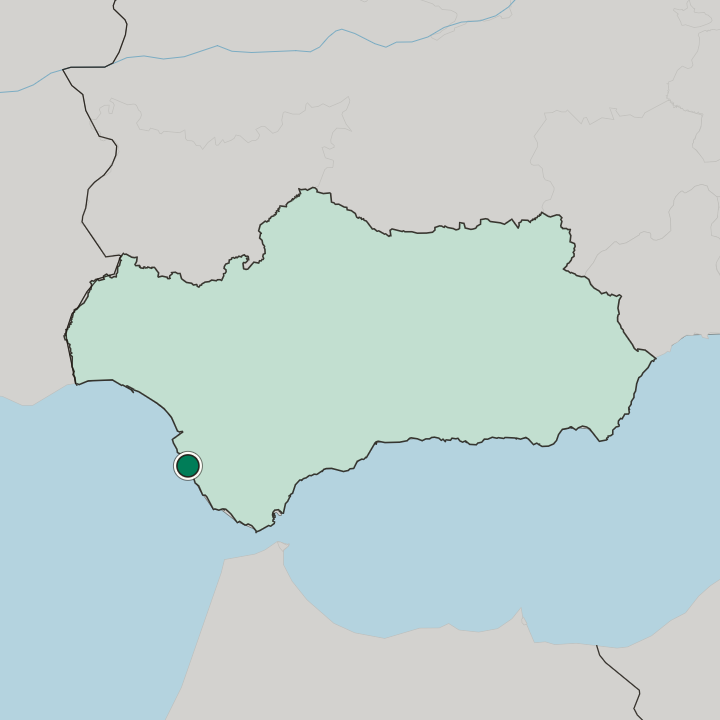
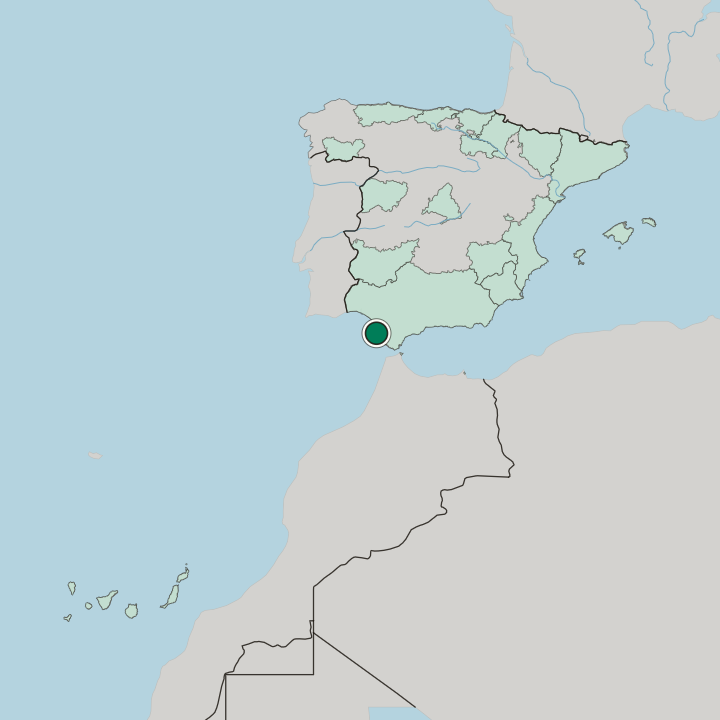
Water surrounds nearly all of it. The city stands in the southwest of the Iberian Peninsula on a narrow isthmus, joined to neighbouring San Fernando by that one strip of ground, with the Atlantic Ocean on the exposed side and the Bay of Cádiz on the sheltered one. Land is the scarce thing here.
That shortage explains why the old quarter packs itself into so little ground while the newer streets stretch out along the isthmus instead.
What is the climate of Cadiz?
The Atlantic Ocean sets the terms. Ocean air crosses the isthmus from the exposed side to the Bay of Cádiz without meeting anything tall enough to slow it, so the temperate band the city lies in arrives here already tempered by open water and moved along by wind. Shelter is rare.
Even the lanes behind Castillo de Santa Catalina carry the sound of surf when the swell is running.
How do you get to Cadiz?
One strip of land carries everything. Approaches by road and rail run the length of the isthmus from San Fernando and enter the old city at Puerta de Tierra, which is why arrivals see the walls before they see the streets behind them. Water offers the alternative.
The port in the Bay of Cádiz has worked since the Spanish Empire ran its American trade through it, and boats still cross the bay.
Common questions
What is the best area to stay in Cadiz?
Around Arco del Pópulo: A first visit spent inside the oldest lanes. Past Puerta de Tierra: Drivers trading a longer walk for space and parking. The Santa Catalina seafront: Nights facing open ocean instead of the sheltered bay.
Good for
More cities in Andalusia
Updated October 2026