Spain · Andalusia
Where to Stay in Granada, Andalusia
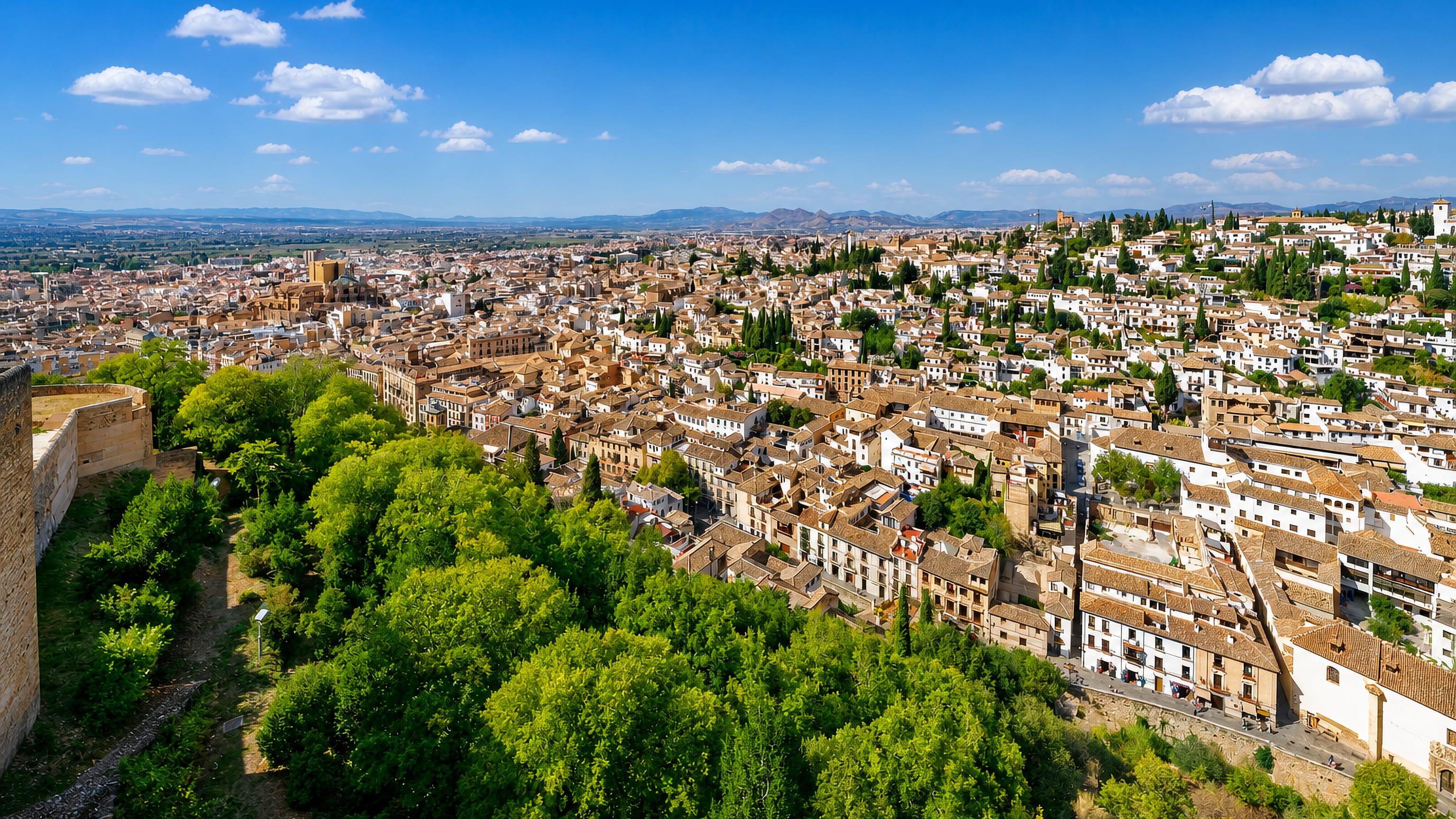
Snow sits on the Sierra Nevada above Granada, a city on the vega of inland Andalusia, known for the Alhambra and the Royal Chapel of Granada.
Hotel links are affiliate links: booking through them may earn us a commission, at no extra cost to you. It never affects how places are ranked. How this works


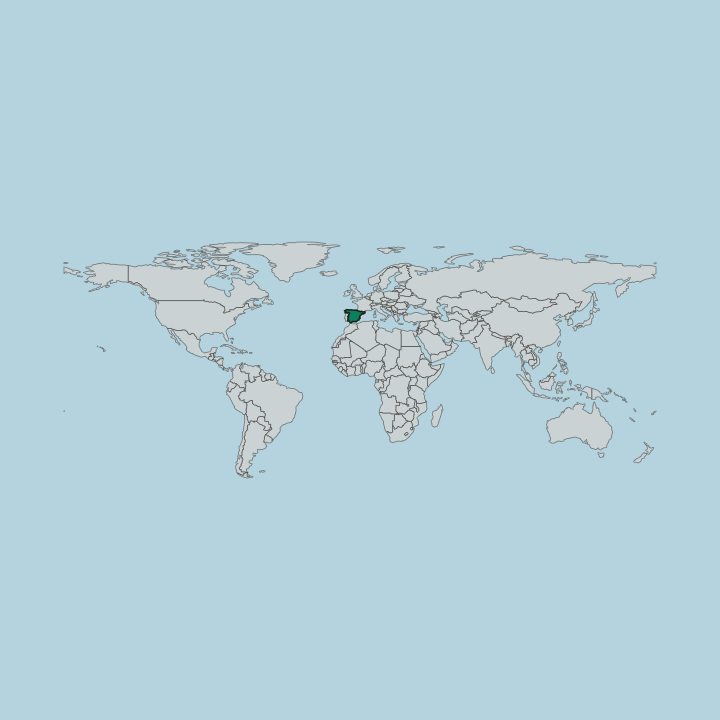
Where to stay in Granada
Each area has its own feel; here's who each one suits.

 GranadaSpainA room set apart from the cathedral crowds
Sacromonte
The Abadía del Sacromonte anchors a quarter that keeps its distance from the monument circuit.Sacromonte → GranadaSpain
El Albaicín
El Albaicín holds its medieval street plan on the hill north of the Darro in Granada, listed as a World Heritage Site in 1994.Where to stay → GranadaSpain
Realejo-San Matías
Realejo-San Matías is a Granada barrio in the Distrito Centro below the Alhambra, made of the Realejo, San Matías, Santa Ana, and Barrio de la Virgen.Where to stay →Hotel links are affiliate links: booking through them may earn us a commission, at no extra cost to you. It never affects how places are ranked. How this works
Find hotels in Granada
Direct booking searches for these neighbourhoods.
Cathedral quarter
The Catedral Metropolitana de la Encarnación, the church del Sagrario and the Gate of Bibarrambla stand within a few blocks of one another.Find hotels in Cathedral quarterBeing at the Museo de la Alhambra before the coachesThe Alhambra side
The Muralla de la Alcazaba and the Torre de la Cautiva are most of what this quarter has, and the shopping streets are not part of it.Find hotels in The Alhambra sidePlainer streets near the University of GranadaPuerta de Elvira and San Jerónimo
The Monasterio de San Jerónimo, the Convent of Santa Isabel la Real and the Hospital de San Juan de Dios line the grid behind the old gate.Find hotels in Puerta de Elvira and San JerónimoHotel links are affiliate links: booking through them may earn us a commission, at no extra cost to you. It never affects how places are ranked. How this works
Things to do in Granada
Ranked by global recognition; descriptions from Wikidata (CC0).
Museums & Galleries
4- Abadía del Sacromonte Heritage
- Casa Huerta de San Vicente Heritage
- Museo Provincial de Bellas Artes Heritage
- Archaeological Museum of Granada Heritage
Churches & Religious Sites
8- S.A.I. Catedral Metropolitana de la Encarnación Heritage
- Royal Chapel of Granada Heritage
- Monasterio de San Jerónimo Heritage
- Granada Charterhouse Heritage
- church of Saint Anne Heritage
Show 3 more →
- Basilica of Our Lady of Sorrows Heritage
- Iglesia de San Pedro y San Pablo Heritage
- Convent of Santa Isabel la Real Heritage
Castles & Historic Sites
5- Muralla de la Alcazaba Heritage
- Puerta de Elvira Heritage
- Arc of Granadas Heritage
- Hospital de San Juan de Dios Heritage
- Gate of Bibarrambla Heritage
Landmarks & Notable Places
2- Archivo Histórico Provincial de Granada Heritage
- Torre de la Cautiva
worth knowingacross 4 categories in Granada
About Granada
What is Granada known for?
Granada is known for the Alhambra and for the Catedral Metropolitana de la Encarnación. Two eras share the same streets. The Muralla de la Alcazaba and the Puerta de Elvira survive from the walled Moorish town, while the Royal Chapel of Granada and the Granada Charterhouse belong to the Castilian centuries after it.
Wine growing runs through the Vega de Granada. The Archaeological Museum of Granada and the Museo Provincial de Bellas Artes hold the finds and the paintings, and the University of Granada works between them.
What are the main landmarks in Granada?
Granada's monuments divide between the Moorish city and the Christian one. The Alhambra holds the Museo de la Alhambra, the Muralla de la Alcazaba and the Torre de la Cautiva carry the older stonework, and the Puerta de Elvira and the Gate of Bibarrambla remain from the walls. Churches answer them.
The Catedral Metropolitana de la Encarnación and the Royal Chapel of Granada sit at the centre, the Monasterio de San Jerónimo and the Granada Charterhouse at the edges, and the Abadía del Sacromonte beyond.
What is the history of Granada?
Granada's history is written in its walls before it is written anywhere else. The Moorish city came first. The Muralla de la Alcazaba is the surviving stretch of its defences, the Puerta de Elvira and the Gate of Bibarrambla the surviving ways through them, and the Alhambra the palace-city that the Moorish centuries left behind.
Castile left the next layer. The Royal Chapel of Granada, the Catedral Metropolitana de la Encarnación, the Monasterio de San Jerónimo, and the Convent of Santa Isabel la Real all belong to that turn, and a monument in the city still pairs Isabella I of Castile with Christopher Columbus. A third strand runs through the Sephardic Museum.
The Abadía del Sacromonte, the Granada Charterhouse, and the Convent of San Francisco came with the religious building that followed, and the University of Granada with the learning. Casa Huerta de San Vicente belongs to a later Granada, and the Archaeological Museum of Granada and the Museo Provincial de Bellas Artes now hold what all of it left.
Where is Granada?
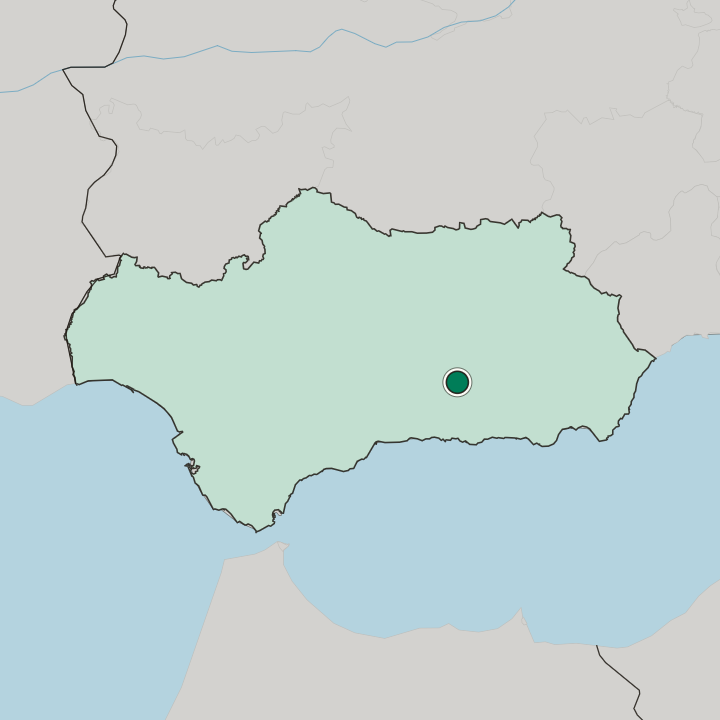
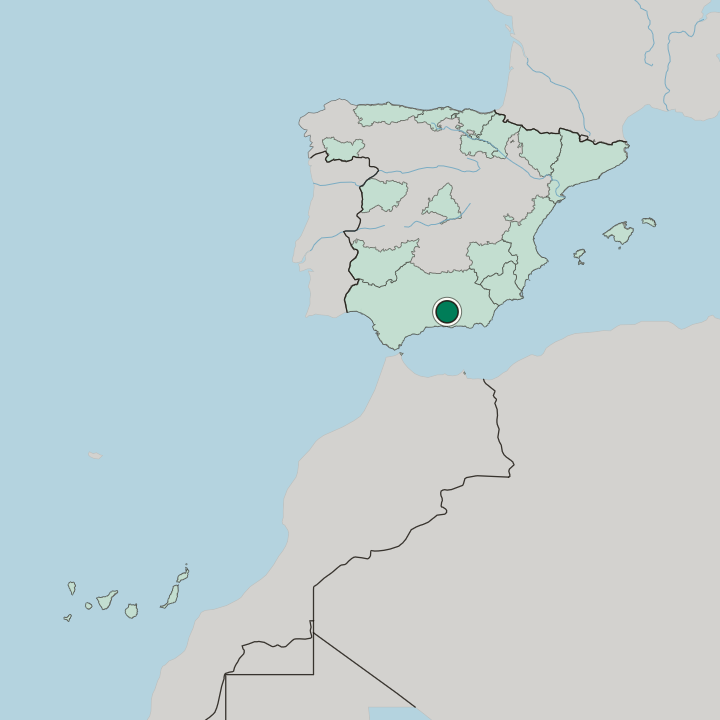
Granada stands at the foot of the Sierra Nevada, where the Darro, the Genil, the Monachil, and the Beiro come together on the Vega de Granada. Four rivers, one plain. The vega is farm country, wine country too, and it lies far enough above the sea that the Costa Tropical and the Mediterranean sit a short run south of the city.
The Sierra Nevada rises behind the city to Mulhacén, the highest summit in mainland Spain. Granada is the capital of its province.
What is the climate of Granada?
The Sierra Nevada sets Granada's weather more than the sea does. The city sits inland and high on the vega, so the summer heat builds dry and hard through July and August while the range behind it keeps snow. Nights are another matter.
Frost settles on the vega while the coast at the Costa Tropical stays mild. Rain saves itself for winter.
How do you get to Granada?
Granada is reached across the Vega de Granada, the flat farm country that surrounds the city. Then the ground rises. The Costa Tropical is barely any distance away in a straight line, but the Sierra Nevada stands between the coast and the vega, so every road up from the Mediterranean has to climb before it reaches the city.
Arrivals from Andalusia's interior have the easier run, over open ground. Puerta de Elvira marked that entrance centuries before any of it.
Common questions
What is the best area to stay in Granada?
Cathedral quarter: Reaching the Royal Chapel of Granada before the doors open. The Alhambra side: Being at the Museo de la Alhambra before the coaches. Sacromonte: A room set apart from the cathedral crowds. Puerta de Elvira and San Jerónimo: Plainer streets near the University of Granada.
Good for
More cities in Andalusia
Updated October 2026