Spain · Andalusia
Where to Stay in Jaén, Andalusia
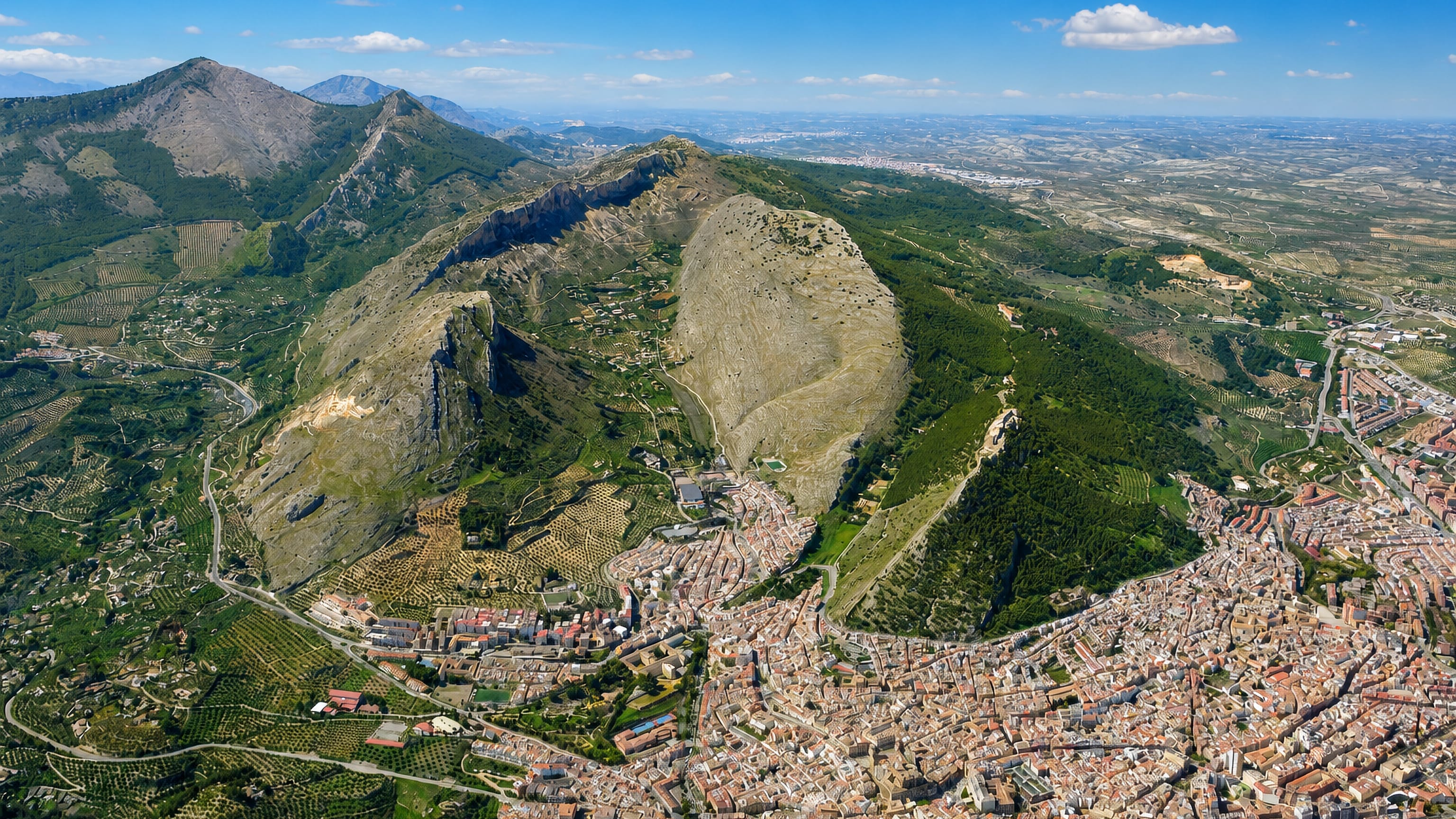
Jaén is the capital of its province in Andalusia, ringed by olive groves, with a cathedral and the Castle of Santa Catalina among its landmarks.
Hotel links are affiliate links: booking through them may earn us a commission, at no extra cost to you. It never affects how places are ranked. How this works


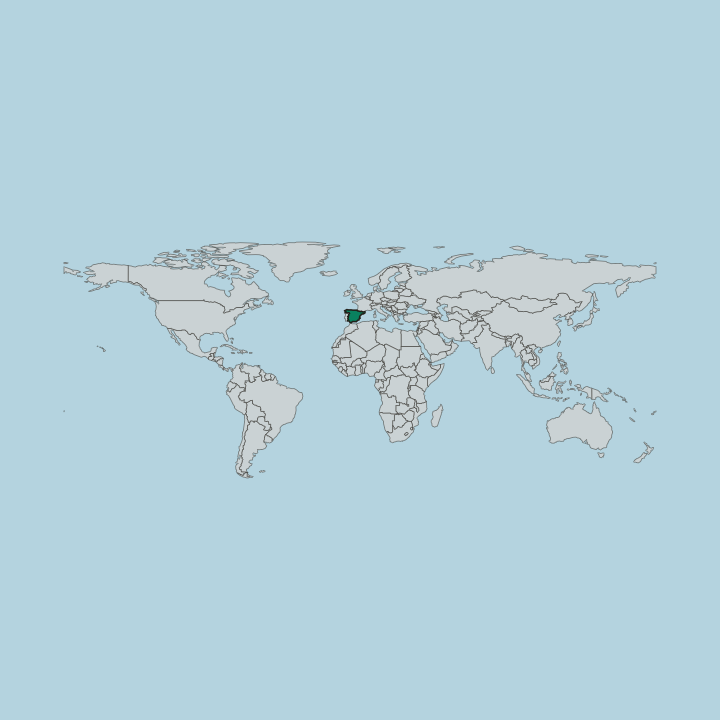
Where to stay in Jaén
The practical side of choosing where to sleep.
The cathedral fixes the centre. Jaén Cathedral, the Church of the Sagrario and the Museo Catedralicio de Jaén sit within the same few streets of the old city, and a bed there keeps the Iglesia de San Andrés and the Palacio de los Cobaleda Nicuesa inside an easy walk. The castle side is different.
Beds out towards the Castle of Santa Catalina and the Walled Castle Precinct trade central convenience for the fortified end of the city, and Torre Bermeja and the Puerta del Angel belong to that same defensive line. Archaeology sits on the third side. Marroquíes Bajos and the Restos arqueológicos de la judería de Jaén are both excavated ground inside the municipality, and the Museo Íbero and the Museum of Jaén are the collections that answer to them.
Jaén's limits run far wider than its streets. Roughly 424 square kilometres of olive country belong to Jaén, and a room beyond the built-up edge puts groves rather than streets outside the window. The Pabellón Universidad de Jaén and the Monumento a las Batallas de Jaén are the modern entries on the same list, and a stay near them looks nothing like one under the walls.
Find hotels in Jaén
Direct booking searches for these neighbourhoods.
The cathedral streets
Jaén Cathedral, the Church of the Sagrario and the Iglesia de San Andrés fall within the same few streets, which keeps a stay here entirely on foot.Find hotels in The cathedral streetsThe fortified end, by the Walled Castle Precinct and Torre BermejaUnder the Castle of Santa Catalina
The Castle of Santa Catalina, the City walls of Jaén and the Puerta del Angel give this side its character, at the cost of a longer walk to the cathedral. Rooms are few around here — worth securing early.Find hotels in Under the Castle of Santa CatalinaMuseum days at the Museo Íbero and the Museum of JaénThe Museo Íbero and university side
The Museo Íbero, the Museum of Jaén and the Pabellón Universidad de Jaén anchor the part of the city that is not built around the cathedral.Find hotels in The Museo Íbero and university sideHotel links are affiliate links: booking through them may earn us a commission, at no extra cost to you. It never affects how places are ranked. How this works
Things to do in Jaén
Ranked by global recognition; descriptions from Wikidata (CC0).
Museums & Galleries
3- Museum of Jaén Heritage
- Museo Íbero
- Museo Internacional de Arte Naïf de Jaén
Churches & Religious Sites
3- Jaén Cathedral Heritage
- Iglesia de San Andrés Heritage
- Archivo Histórico Provincial de Jaén Heritage
Castles & Historic Sites
8- Castle of Santa Catalina Heritage
- Marroquíes Bajos Heritage
- Antigua Iglesia del Convento de San José y Camarín de Jesús Heritage
- City walls of Jaén Heritage
- Castillo de Santa Catalina Heritage
Show 3 more →
- Palacio de los Cobaleda Nicuesa Heritage
- Portada de la antigua Iglesia de San Miguel en el Museo de Jaén Heritage
- Restos arqueológicos de la judería de Jaén Heritage
Stadiums & Sports
1- Pabellón Universidad de Jaén
Landmarks & Notable Places
1- Torre Bermeja Heritage
worth knowingacross 5 categories in Jaén
About Jaén
Olive oil made the name.
What is Jaén known for?
Jaén is called the world capital of olive oil, and olive groves surround the city as far as the eye can see, which sets the tone before a visitor reaches the first street. Jaén Cathedral is the built counterweight. The Castle of Santa Catalina, the City walls of Jaén and the Museo Íbero fill out a register that runs from Iberian archaeology to the cathedral museum.
The Museo Catedralicio de Jaén is that museum.
What are the main landmarks in Jaén?
The cathedral dominates the list. Jaén Cathedral is joined by the Museo Catedralicio de Jaén, the Church of the Sagrario, the Iglesia de San Andrés and the Church of Nuestra Señora de Belén y San Roque, which is a lot of church for one municipality. Defence takes the other half.
The Castle of Santa Catalina, the Walled Castle Precinct, the City walls of Jaén, Torre Bermeja and the Puerta del Angel record it. Museo Íbero, the Museum of Jaén and the Museo Internacional de Arte Naïf de Jaén split the collections.
What is the history of Jaén?
The founding year is 825. That date sits at the head of a record that also includes the Restos arqueológicos de la judería de Jaén and Marroquíes Bajos, both of them excavated ground rather than standing buildings. Museo Íbero holds the Iberian material.
The Museum of Jaén carries the wider provincial collection, and the Portada de la antigua Iglesia de San Miguel en el Museo de Jaén is a church front that ended up inside a museum rather than on a street. Walls came next. The City walls of Jaén, the Walled Castle Precinct, the Castle of Santa Catalina, Torre Bermeja and the Puerta del Angel are all fortification names on one municipal register, which says how much of the city's effort once went into defending it.
Churches take up much of the rest. Jaén Cathedral, the Church of the Sagrario, the Iglesia de San Andrés and the Antigua Iglesia del Convento de San José y Camarín de Jesús are among them, with the Archivo Histórico Provincial de Jaén keeping the documents. The Monumento a las Batallas de Jaén marks battles that carry the city's name.
Where is Jaén?
Olive groves make the setting. Jaén covers roughly 424 square kilometres, and the groves that give the province its reputation for olive oil run out from the edge of the built-up area on all sides. The old city is walled.
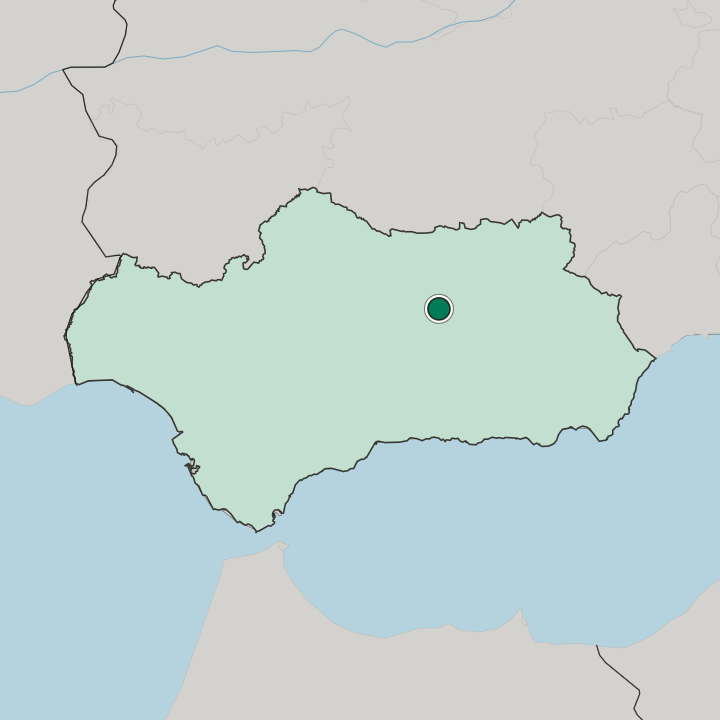
Marroquíes Bajos lies inside the municipality as excavated ground, and the province of Jaén, with Andalusia around it, sets the frame beyond the last of the groves.
What is the climate of Jaén?
No sea moderates Jaén. The city sits inland in Andalusia with no coast in its own geography, so the temperate band recorded here plays out over olive country rather than over water, and the groves take the weather as it comes. Walking between Jaén Cathedral and the Castle of Santa Catalina is a different proposition in high summer than in the cooler months.
How do you get to Jaén?
Roads come in through olive groves. Jaén is the capital of its province, so provincial connections converge on the city rather than bypass it, and the last stretch of any approach crosses the same groves that surround the built-up area. The old core is walled.
City walls of Jaén, the Puerta del Angel and the Walled Castle Precinct mark where the modern street plan gives way to the older one.
Common questions
What is the best area to stay in Jaén?
The cathedral streets: Waking up beside Jaén Cathedral and the Museo Catedralicio de Jaén. Under the Castle of Santa Catalina: The fortified end, by the Walled Castle Precinct and Torre Bermeja. The Museo Íbero and university side: Museum days at the Museo Íbero and the Museum of Jaén.
Good for
More cities in Andalusia
Updated October 2026