Spain
Andalusia, Spain — Towns & Travel Guide
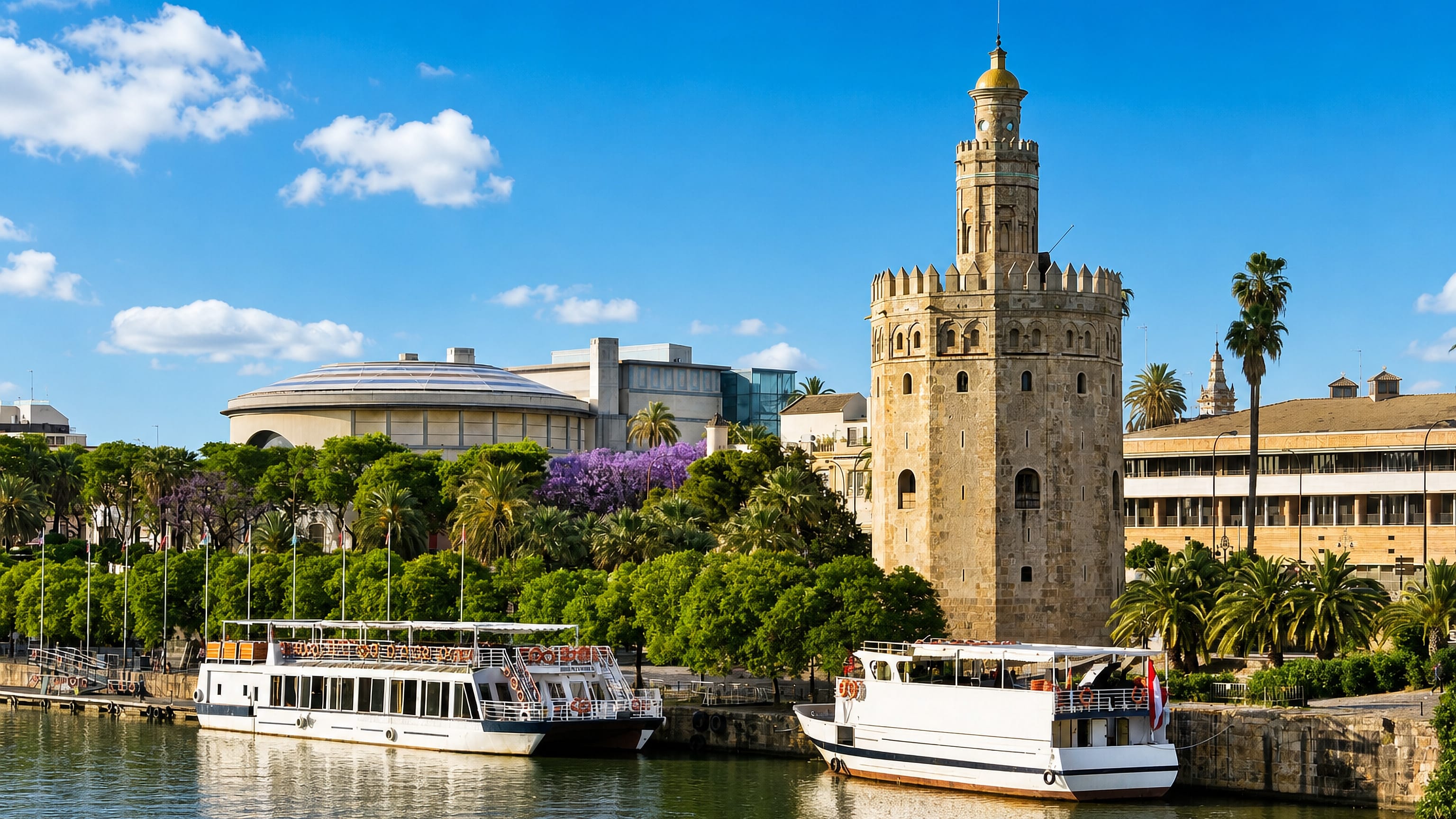
Andalusia is the southernmost of Spain's regions, where the Guadalquivir, the Sierra Nevada and two seas meet.
Hotel links are affiliate links: booking through them may earn us a commission, at no extra cost to you. It never affects how places are ranked. How this works


Towns & cities in Andalusia
Pick a town or city — each links to where to stay.

 Spain
Spain
Sevilla
Orange trees and the Giralda over the Barrio de Santa Cruz: Sevilla stands on the Guadalquivir in Andalusia, known for its Gothic cathedral and flamenco.Where to stay →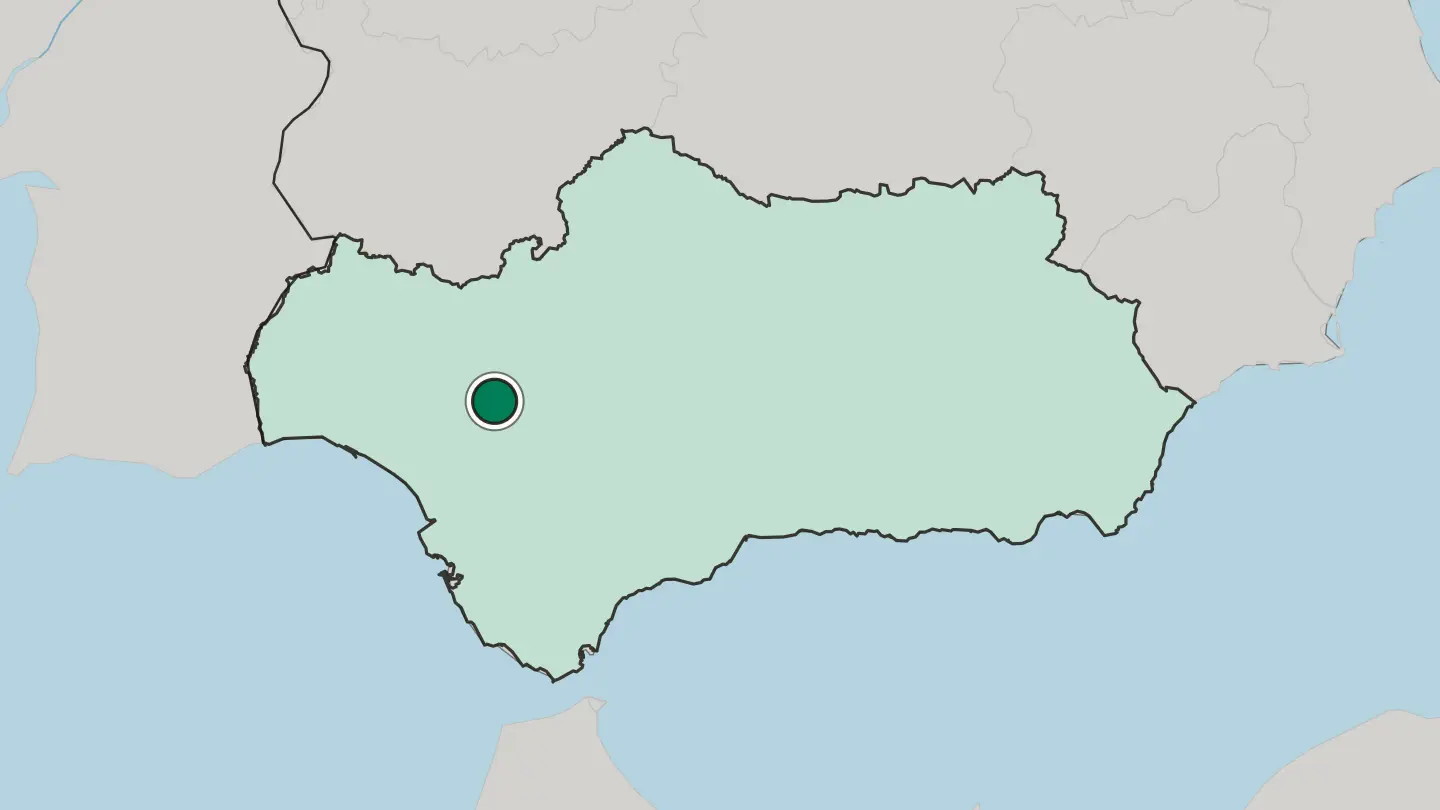
 Spain
Spain
Málaga
The Roman Theatre of Malaca and the Alcazaba share the old core of Málaga, capital of its province and the largest city on the Costa del Sol.Where to stay →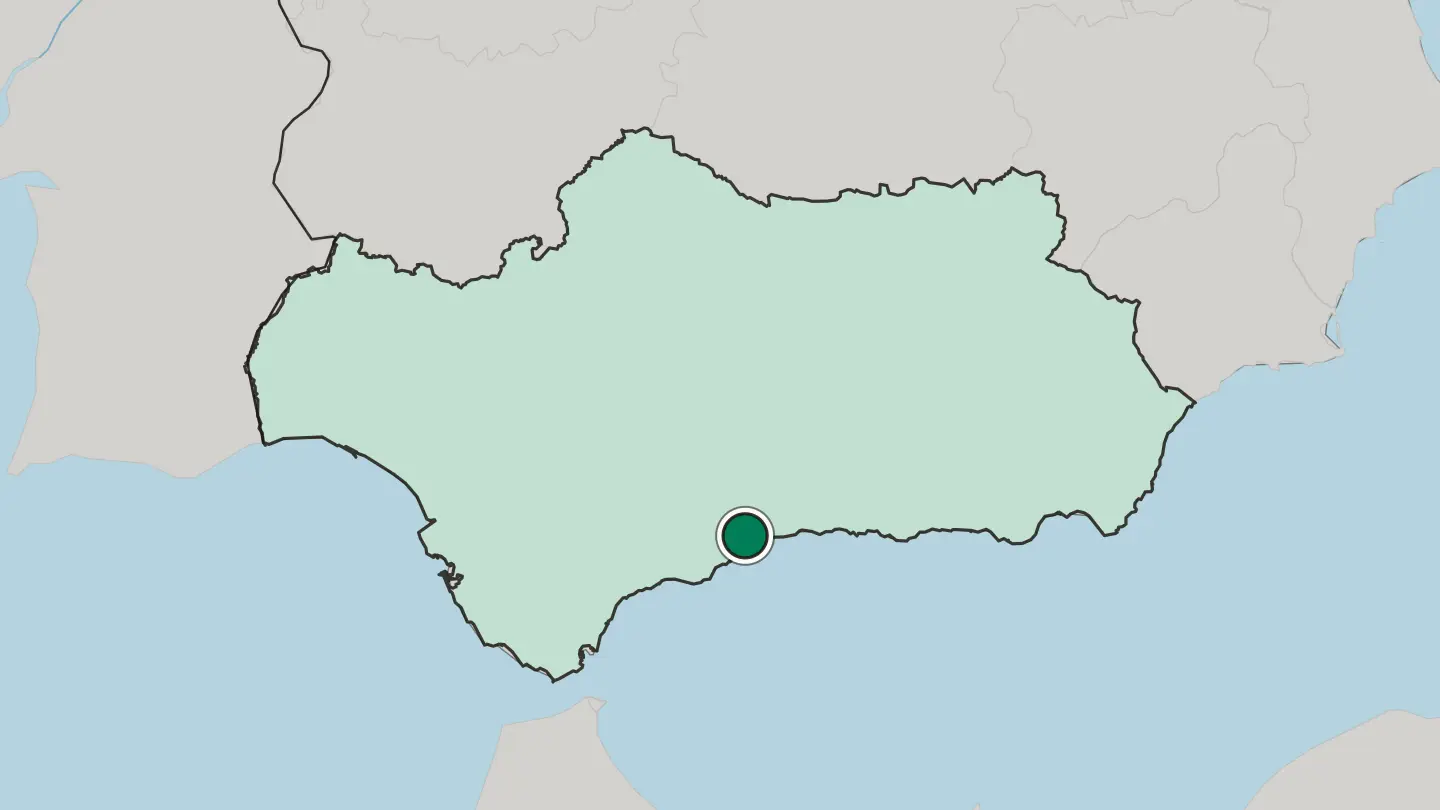
 Spain
Spain
Córdoba
Whitewashed courtyards ring the Mezquita in Córdoba, a city in the centre of Andalusia, Spain, and the capital of its own province.Where to stay →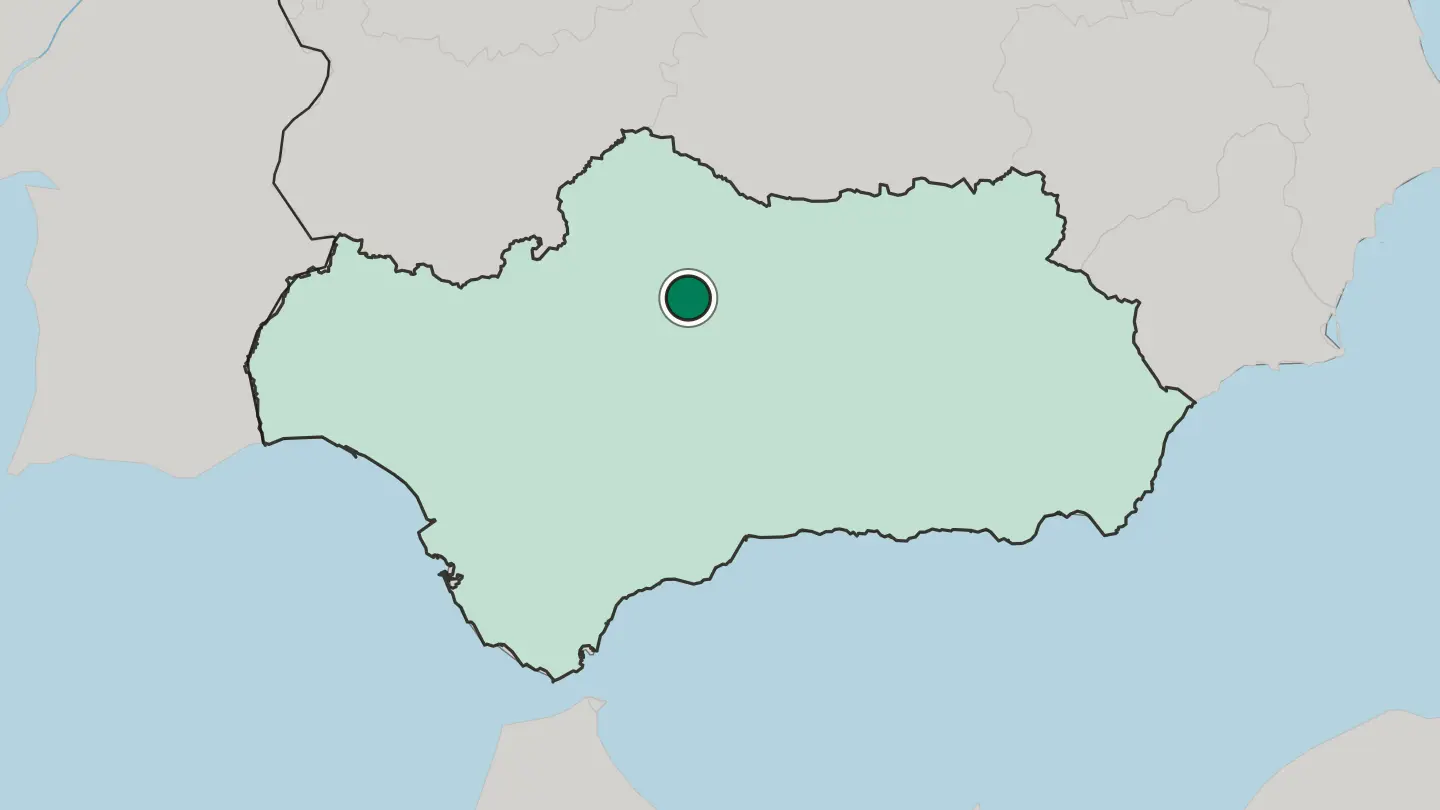
 Spain
Spain
Granada
Snow sits on the Sierra Nevada above Granada, a city on the vega of inland Andalusia, known for the Alhambra and the Royal Chapel of Granada.Where to stay →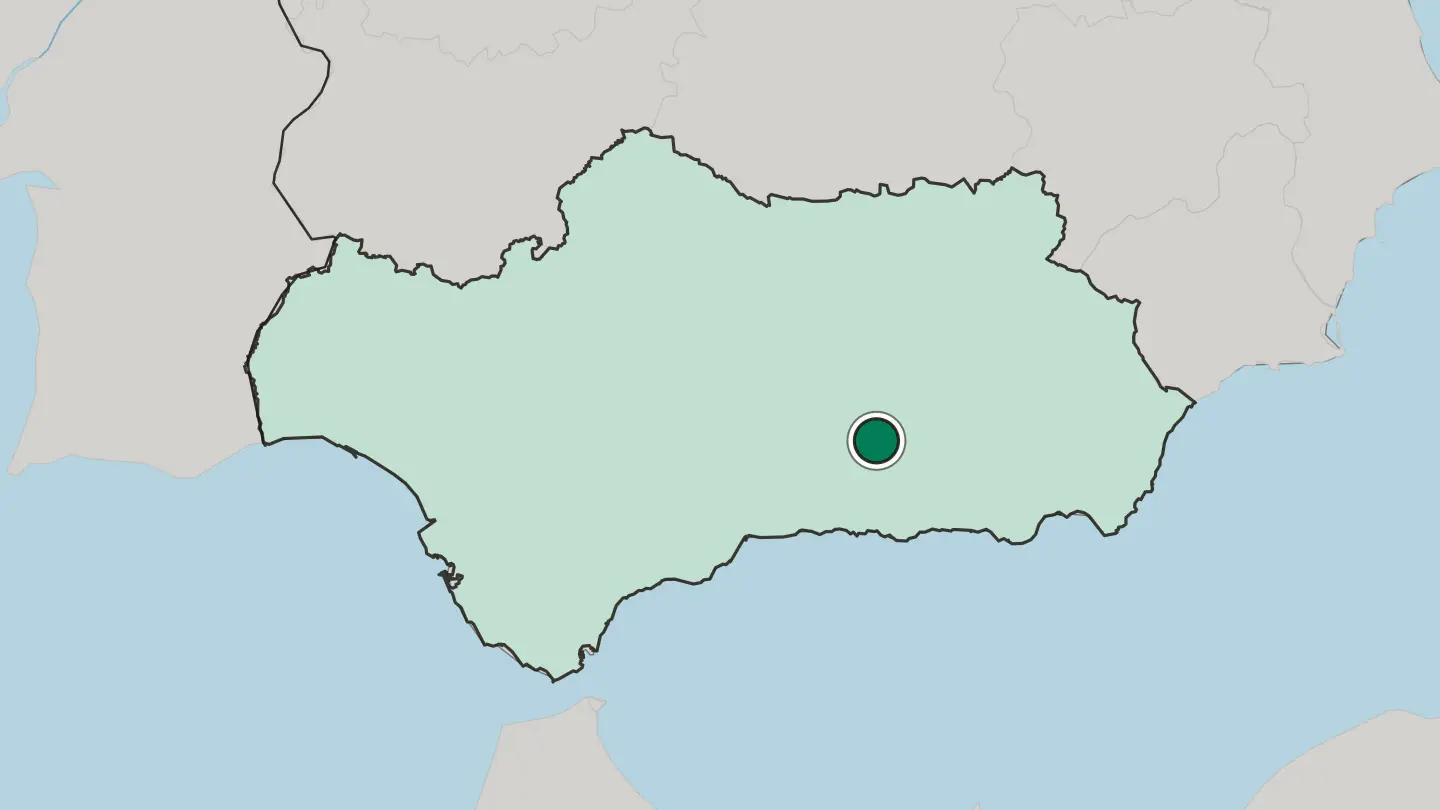
 Spain
Spain
Jerez de la Frontera
Jerez de la Frontera stands on the Campiña de Jerez, an inland plain crossed by the Guadalete, among the major cities of Andalusia.Where to stay →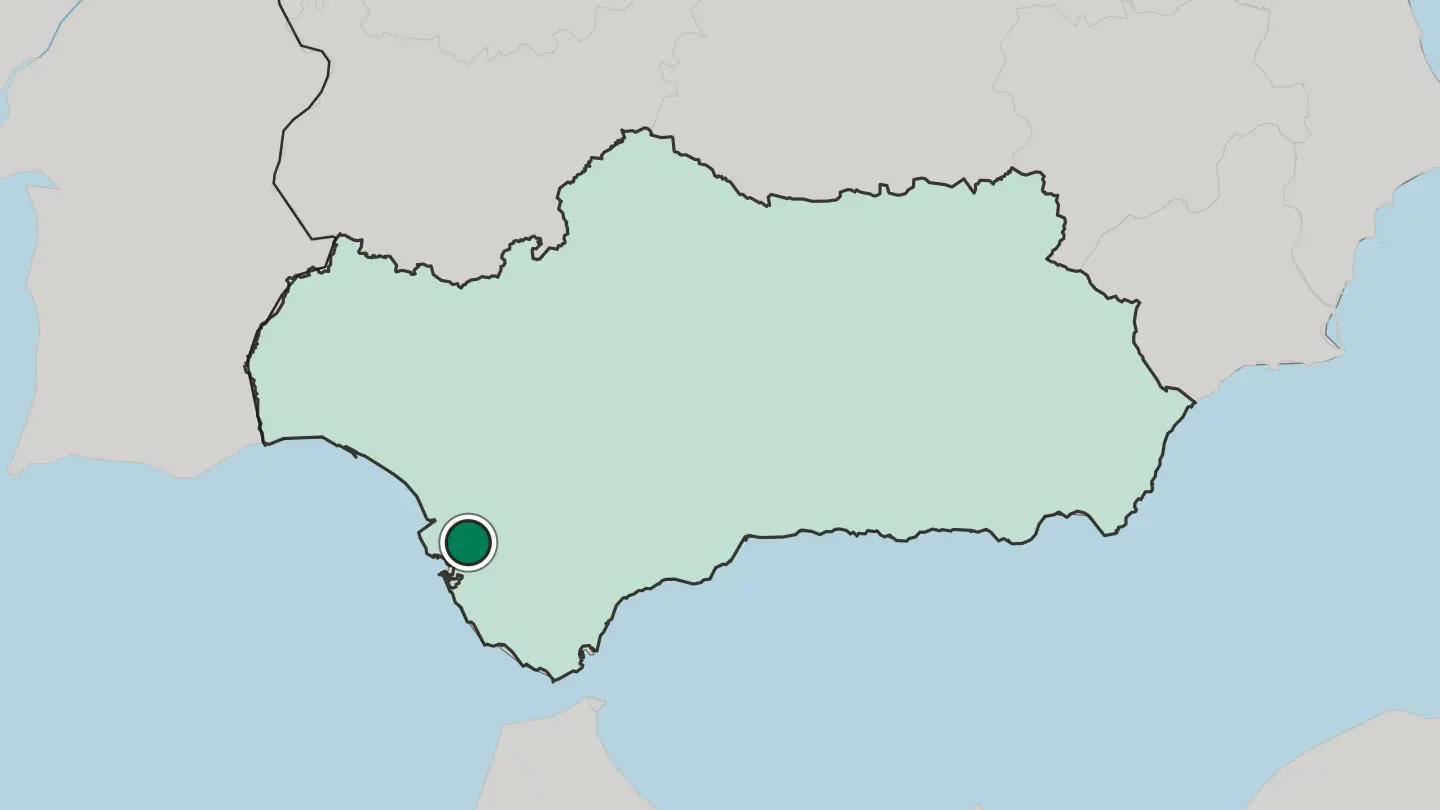
 Spain
Spain
Almería
Almería, capital of its Andalusian province, spreads under the Alcazaba between the Sierra de Gádor and the Gulf of Almería.Where to stay →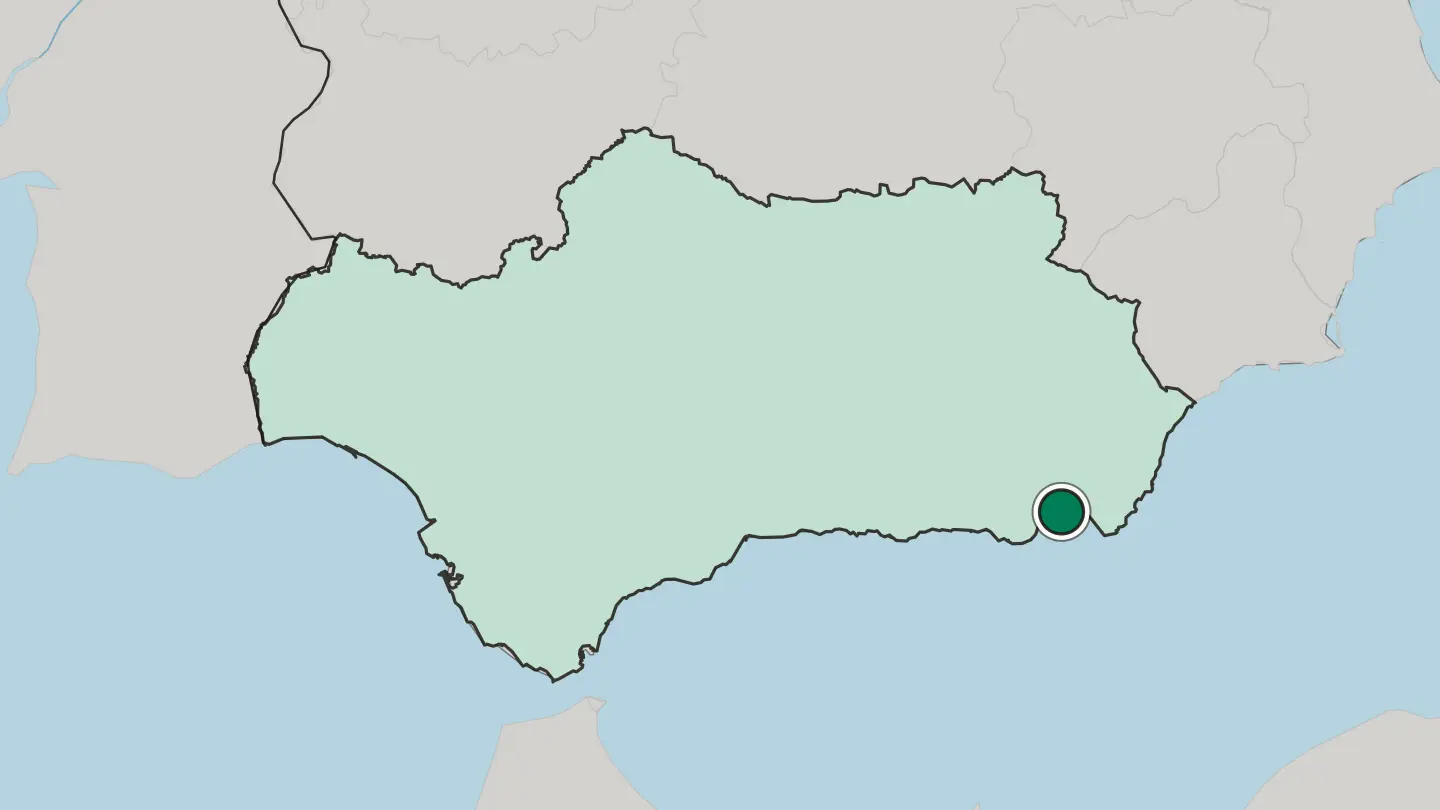
 Spain
Spain
Marbella
Marbella is a city of the Costa del Sol, in the province of Málaga, and the head of the judicial district that carries its name.Where to stay →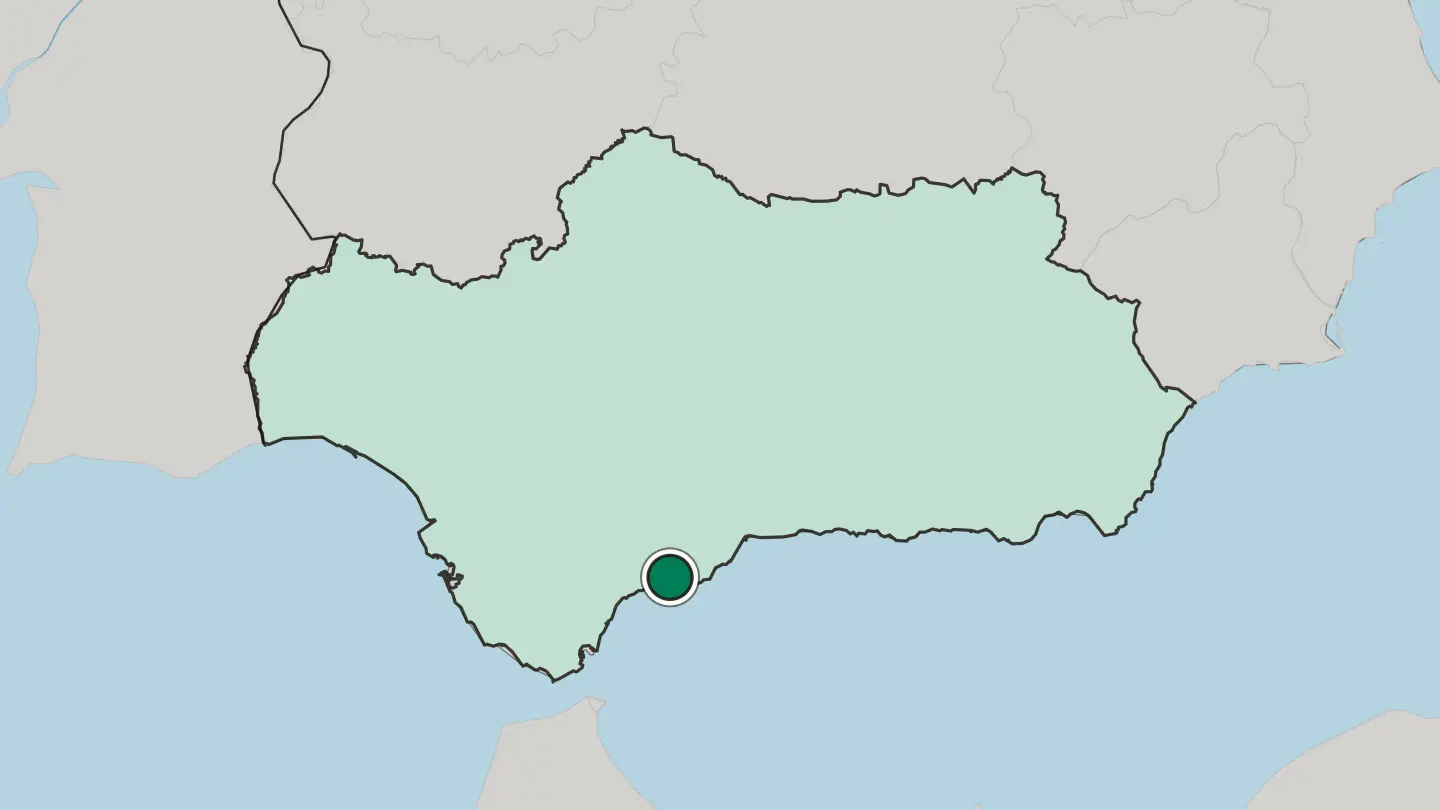
 Spain
Spain
Huelva
Huelva is the capital of its province, between the Odiel and Tinto estuaries on the Gulf of Cádiz coast of Andalusia.Where to stay →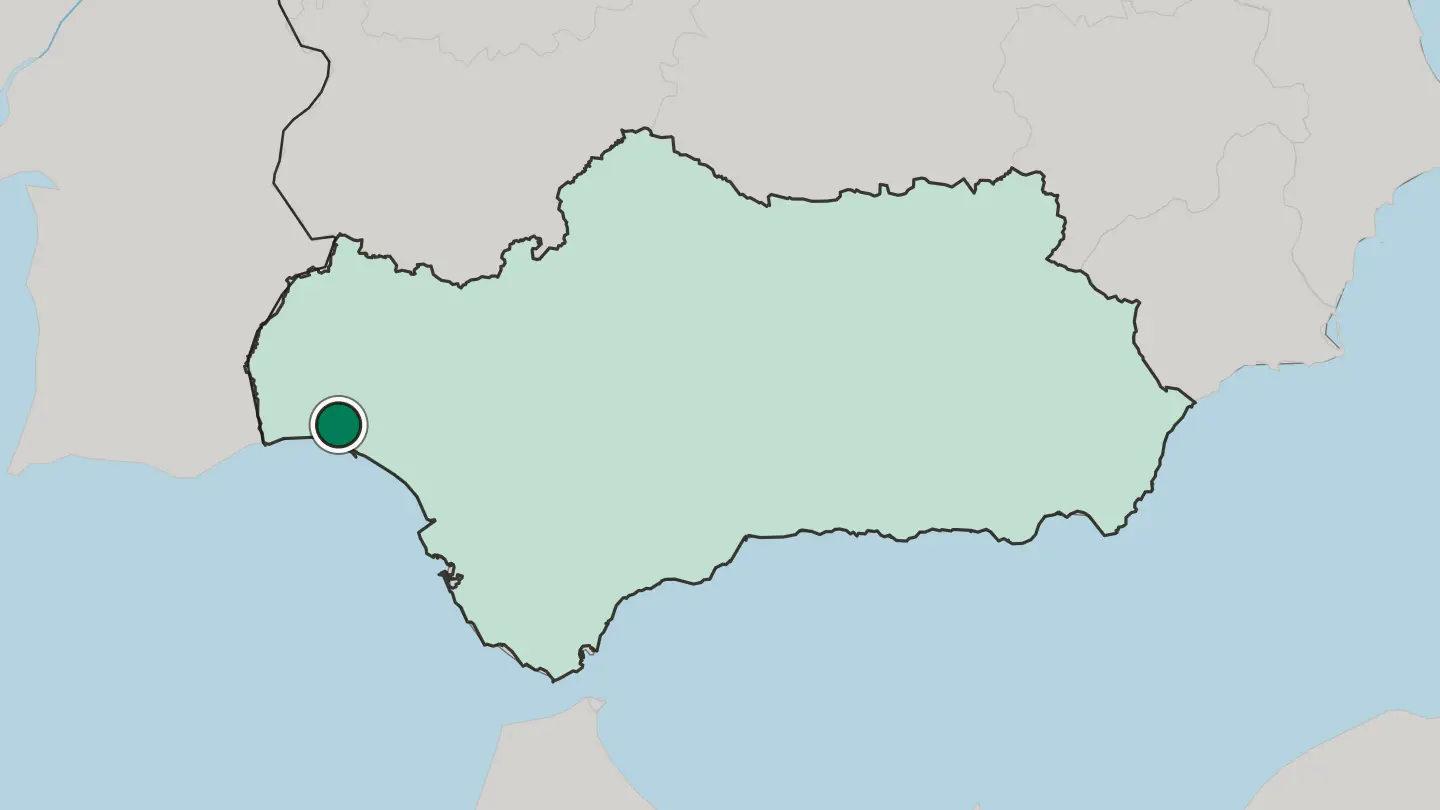
All towns & cities (28)
Spain
Dos Hermanas
Dos Hermanas is a city of the Seville metropolitan area, fifteen kilometres south of Seville, ringed by hacienda towers and old estate ground.Where to stay →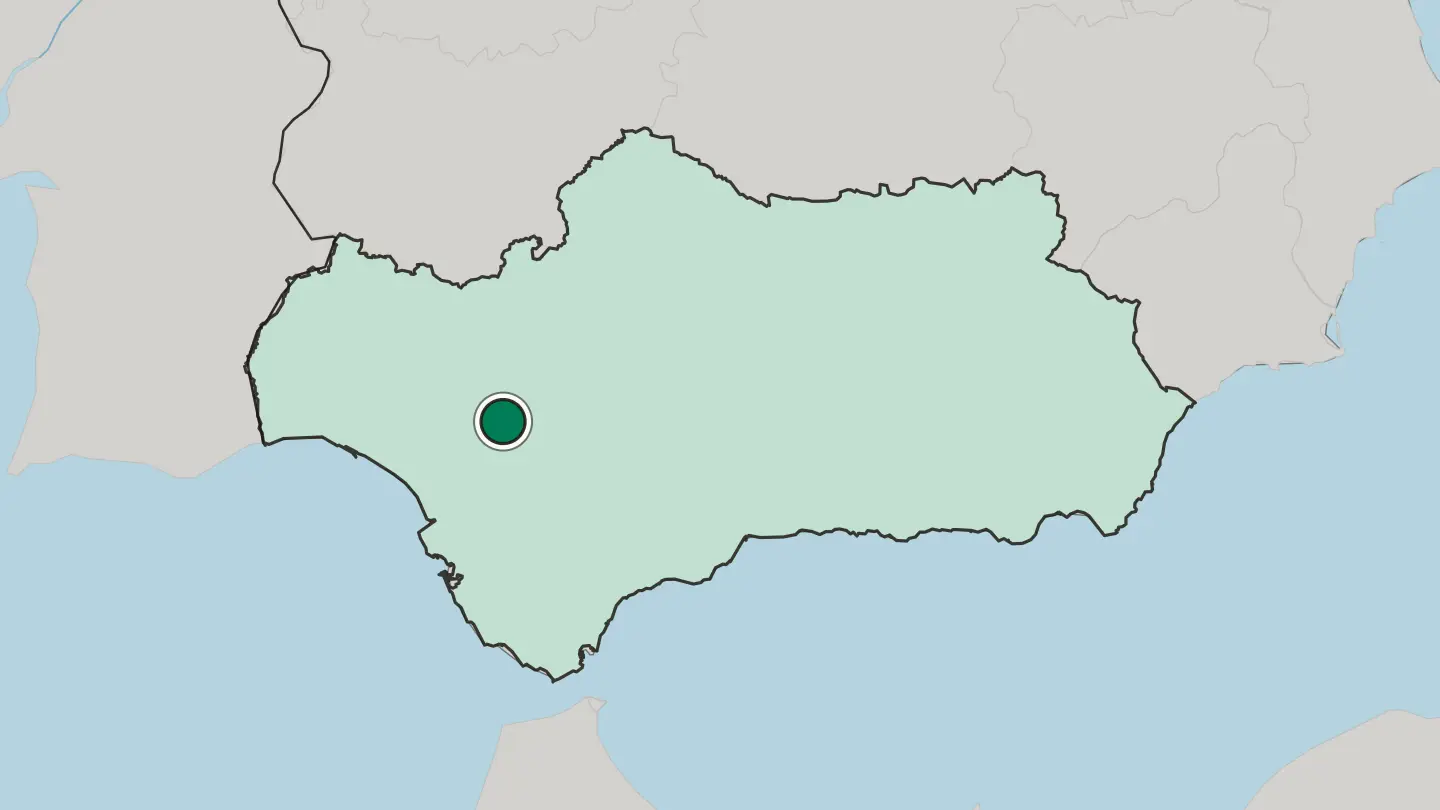
 Spain
Spain
Algeciras
Algeciras is the port city of the Campo de Gibraltar, on the Bay of Gibraltar, with ferries crossing the Strait of Gibraltar to Morocco.Where to stay →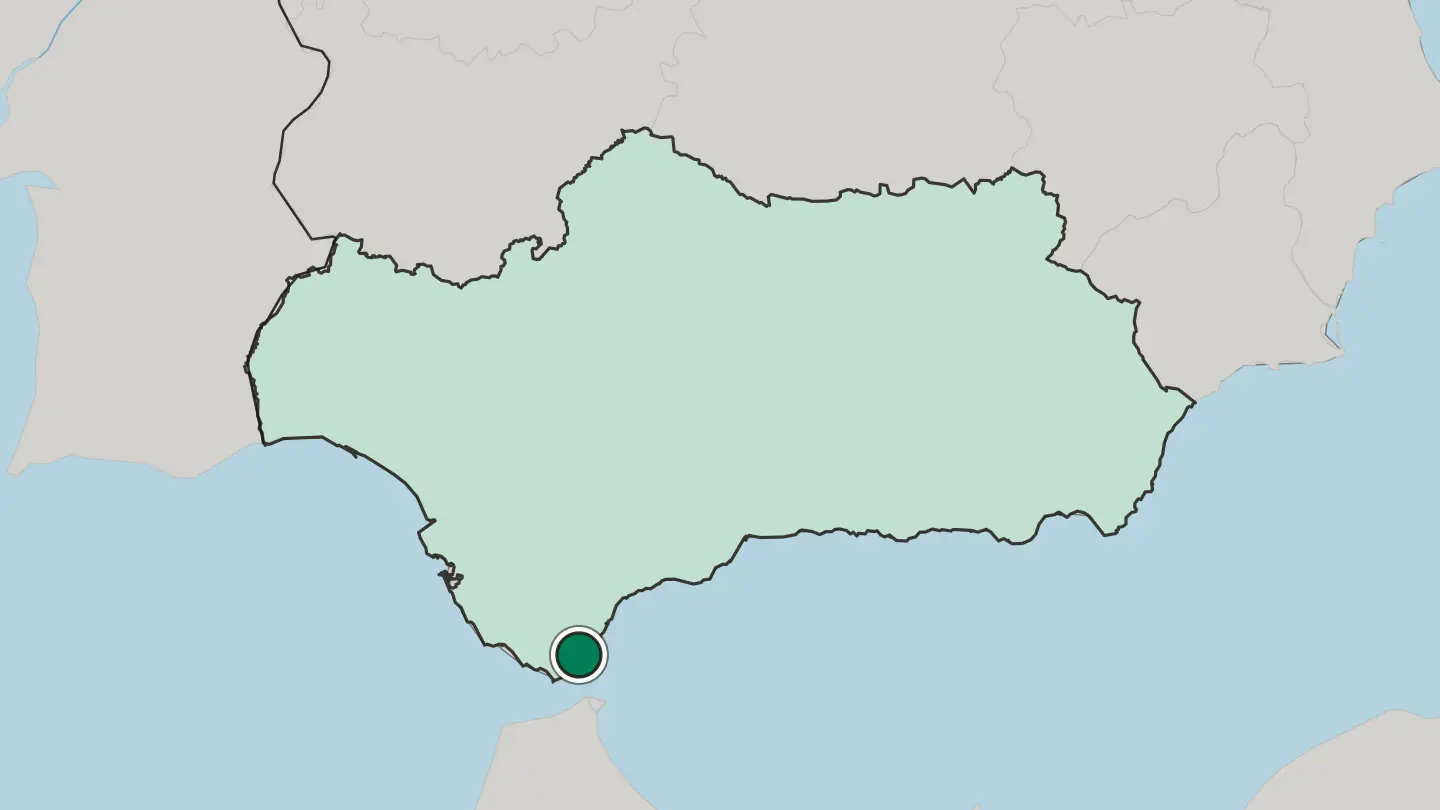
 Spain
Spain
Cadiz
Cádiz, capital of its Andalusian province, holds a narrow isthmus off the Atlantic Ocean, founded by the Phoenicians as a trading post.Where to stay →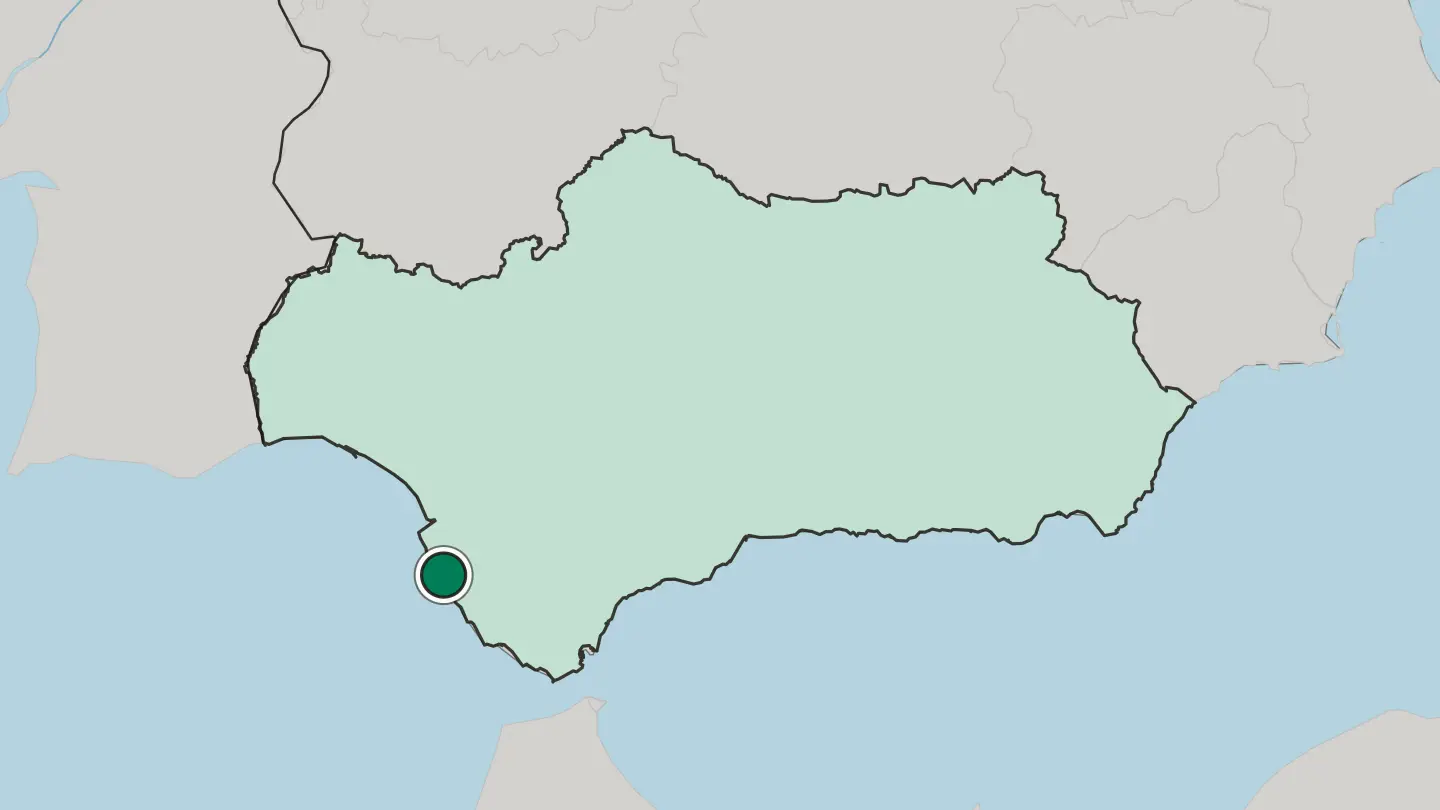
 Spain
Spain
Jaén
Jaén is the capital of its province in Andalusia, ringed by olive groves, with a cathedral and the Castle of Santa Catalina among its landmarks.Where to stay →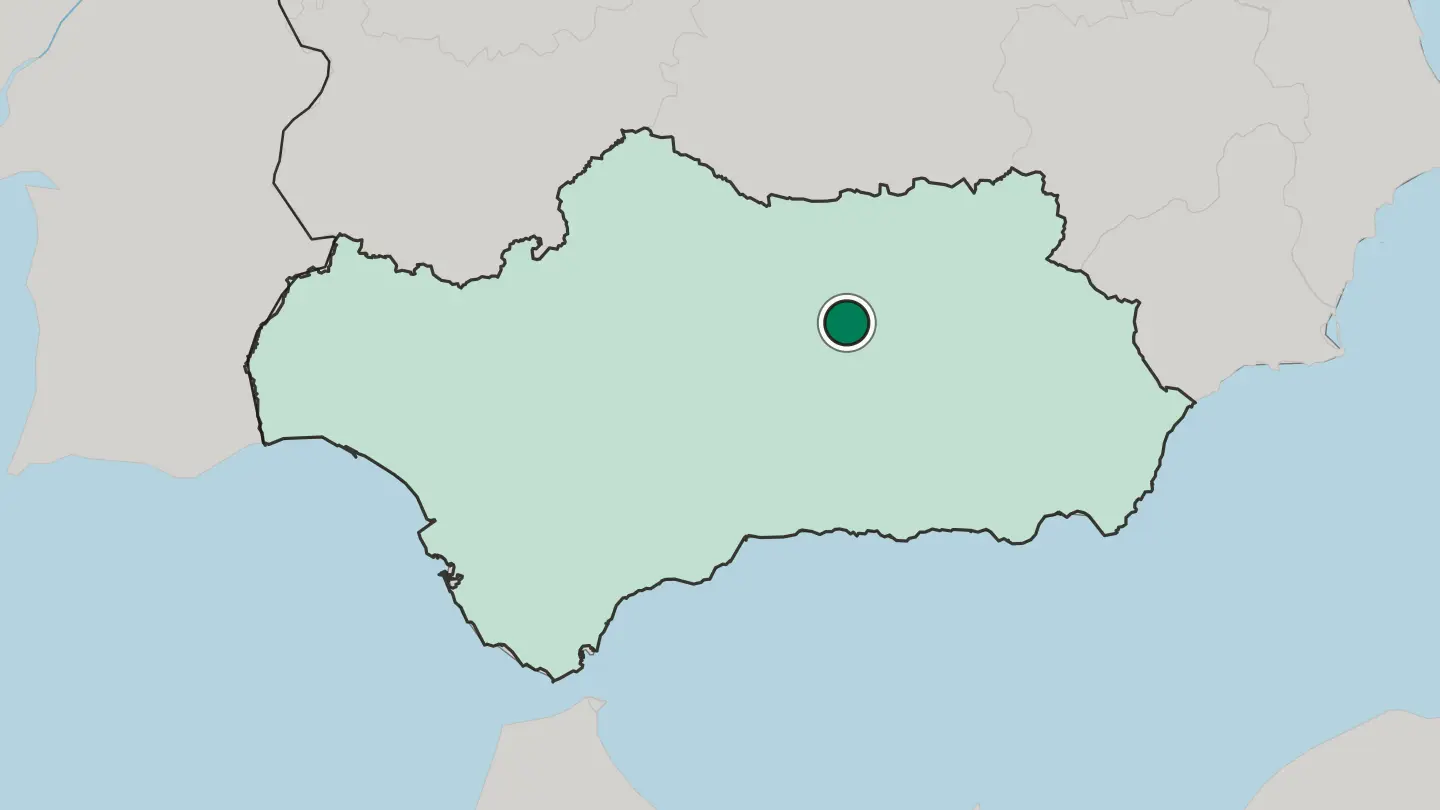
 Spain
Spain
San Fernando
San Fernando, the town in the province of Cádiz that answers to La Isla, keeps the Arsenal de la Carraca and the Panteón de Marinos Ilustres.Where to stay →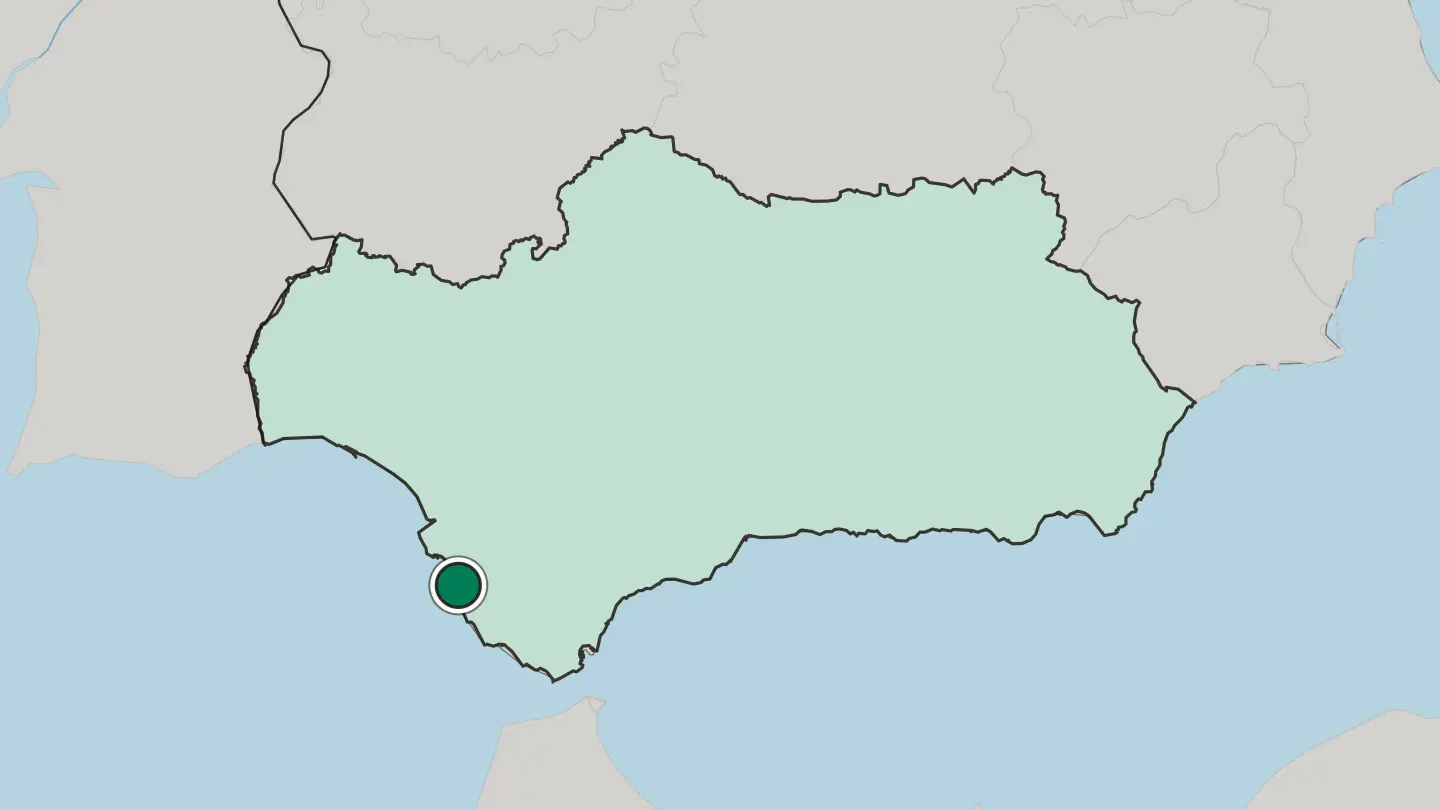
 Spain
Spain
Roquetas de Mar
Roquetas de Mar is a low-key resort municipality of Almería province, on the Mediterranean coast about 18 km from the city of Almería.Where to stay →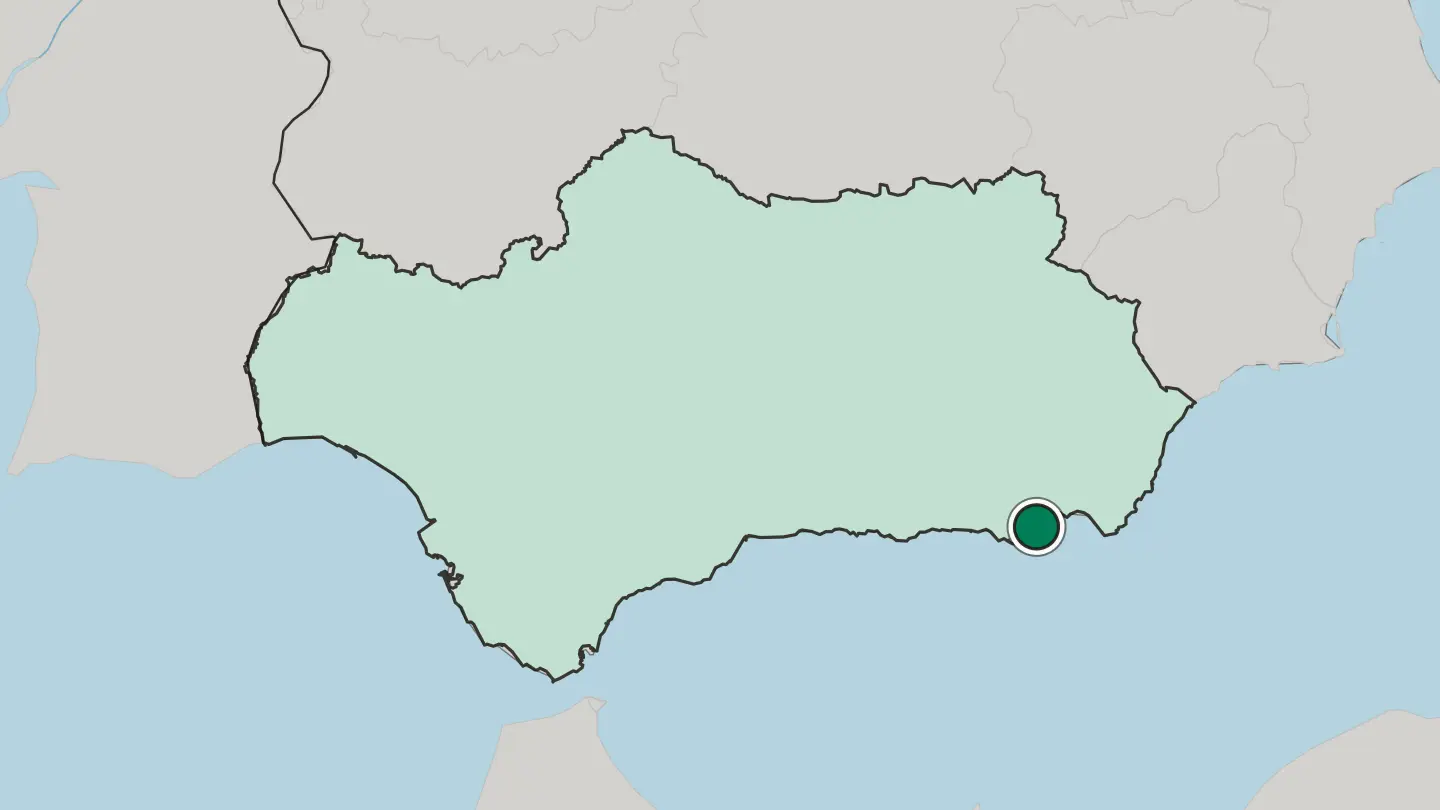
 Spain
Spain
El Puerto de Santa María
El Puerto de Santa María is a port city on the Guadalete, on the north-eastern shore of the Bay of Cádiz in Andalusia.Where to stay →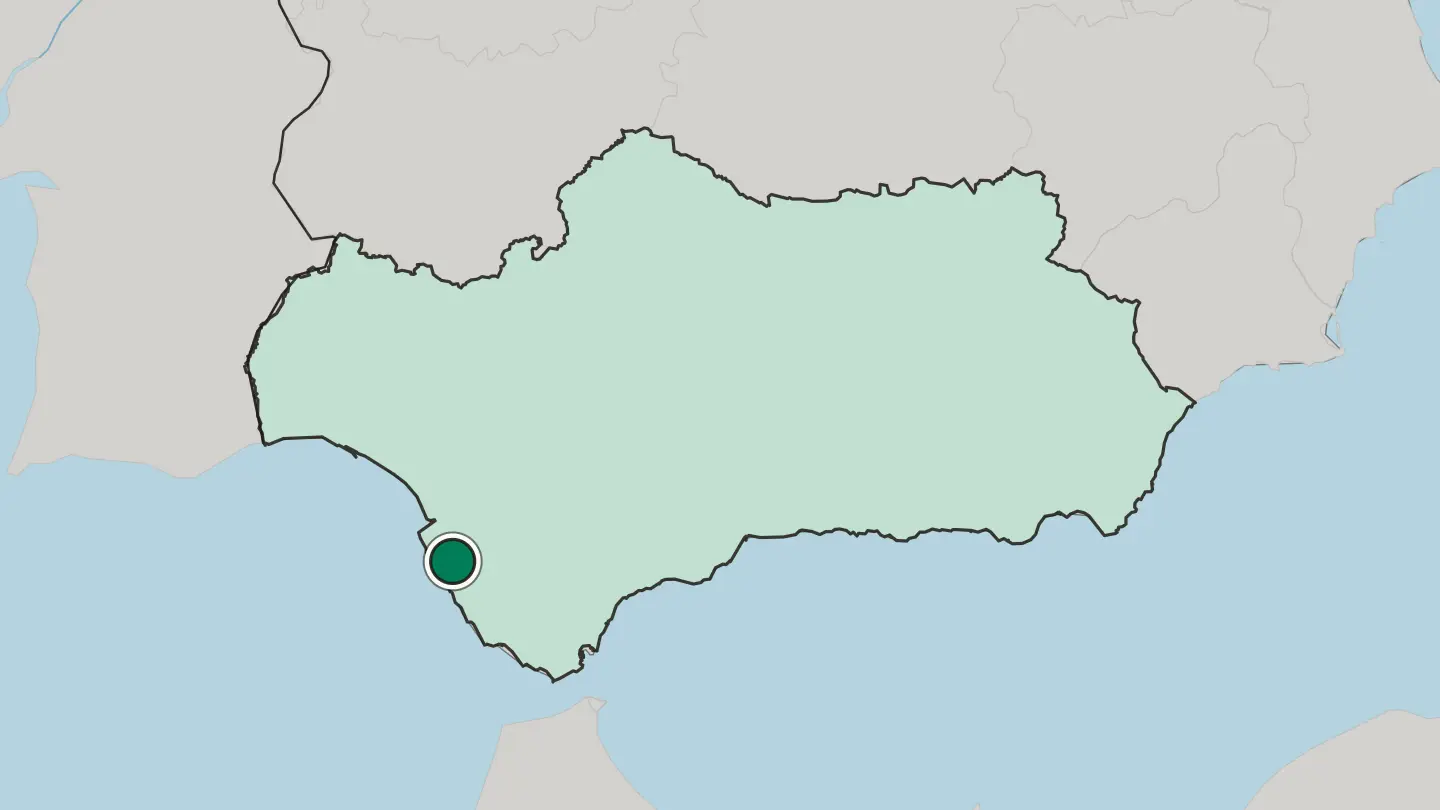
 Spain
Spain
Chiclana de la Frontera
Chiclana de la Frontera, founded in 1303, stands south-east of Cádiz behind the six kilometres of sand that make up Playa de la Barrosa.Where to stay →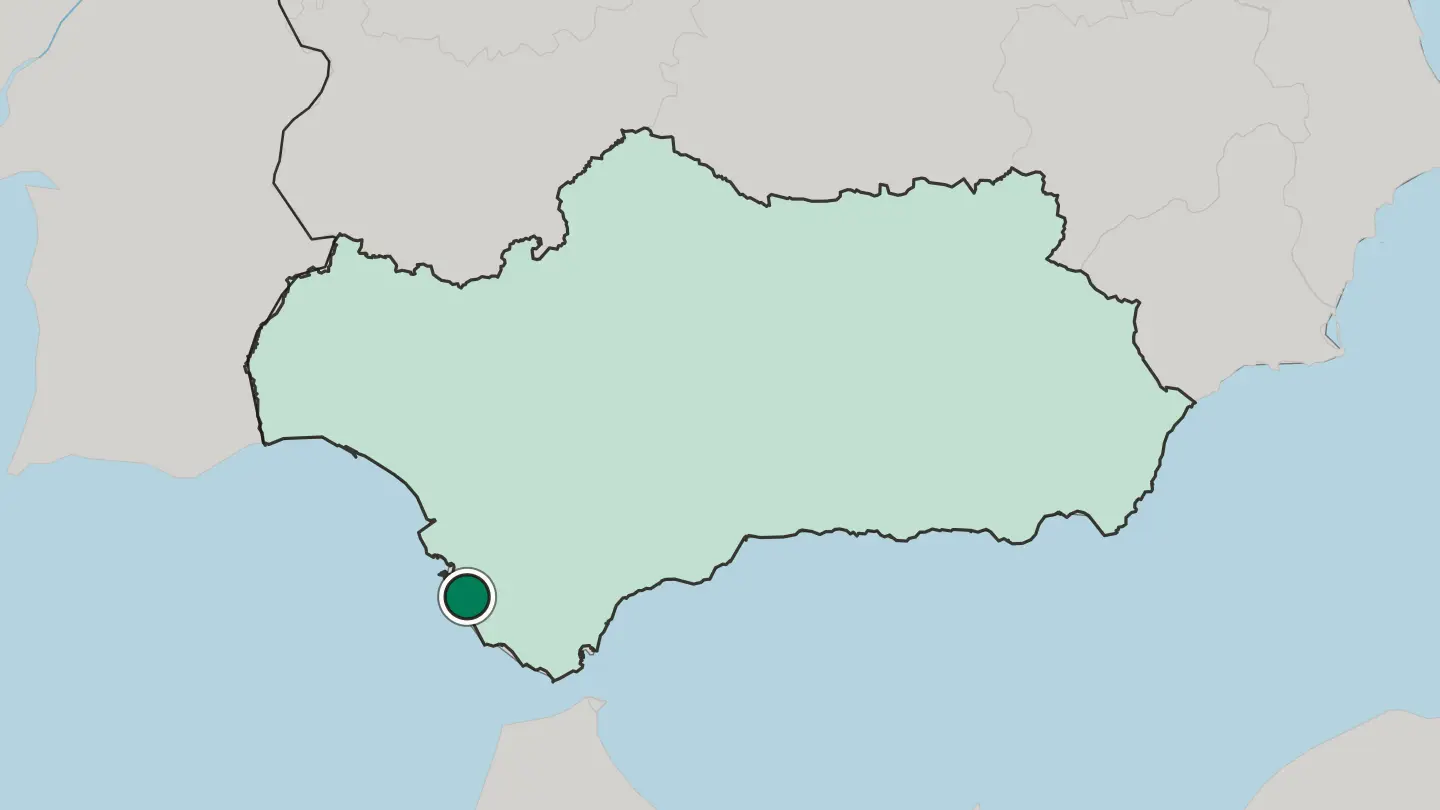
 Spain
Spain
Mijas
Mijas is a municipality of the province of Málaga whose white-washed centre, Mijas Pueblo, stands on a mountainside above the Costa del Sol.Where to stay →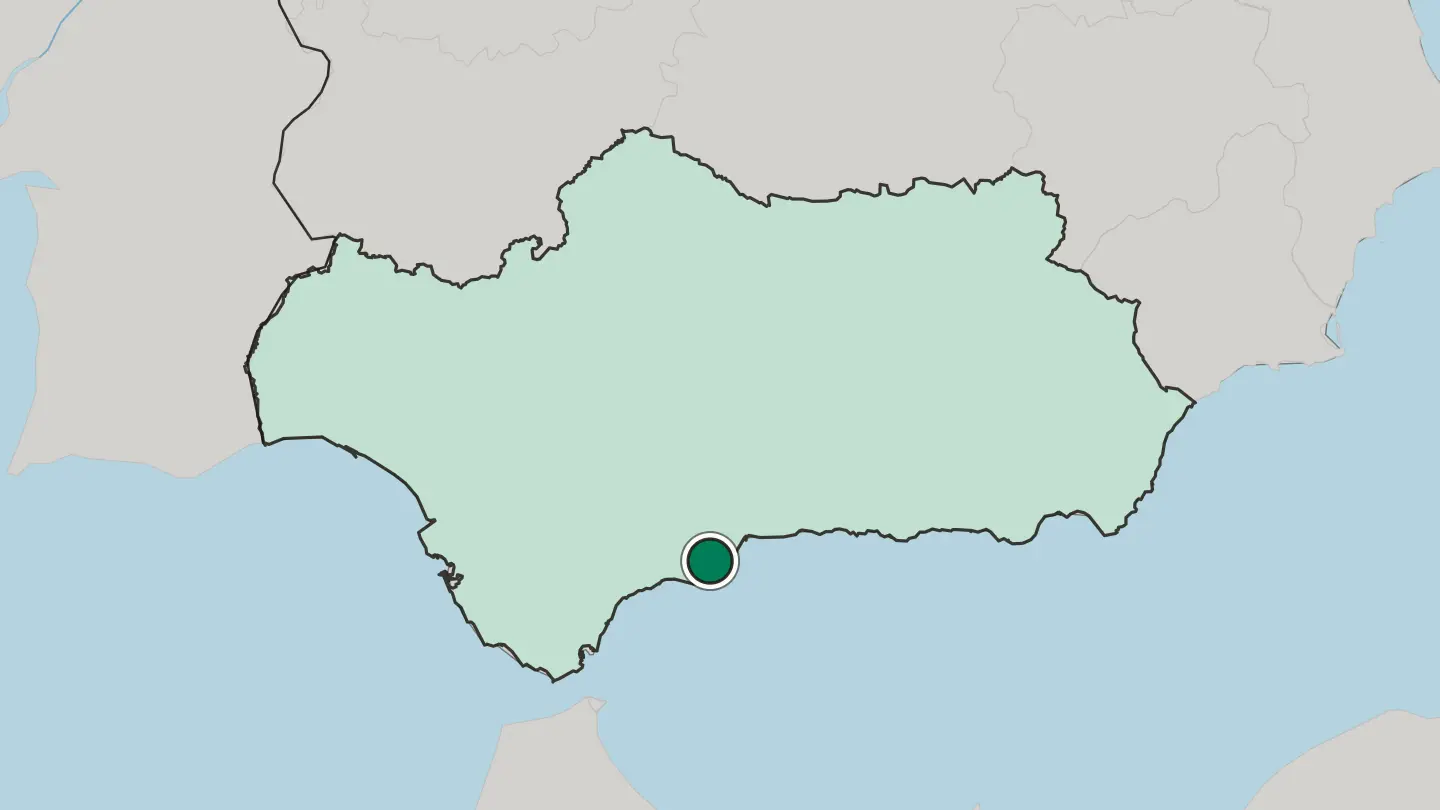
 Spain
Spain
Vélez-Málaga
Vélez-Málaga, capital of the Axarquía, stands on a hill 4 km inland from Torre del Mar with the Alcazaba above its Moorish old town.Where to stay →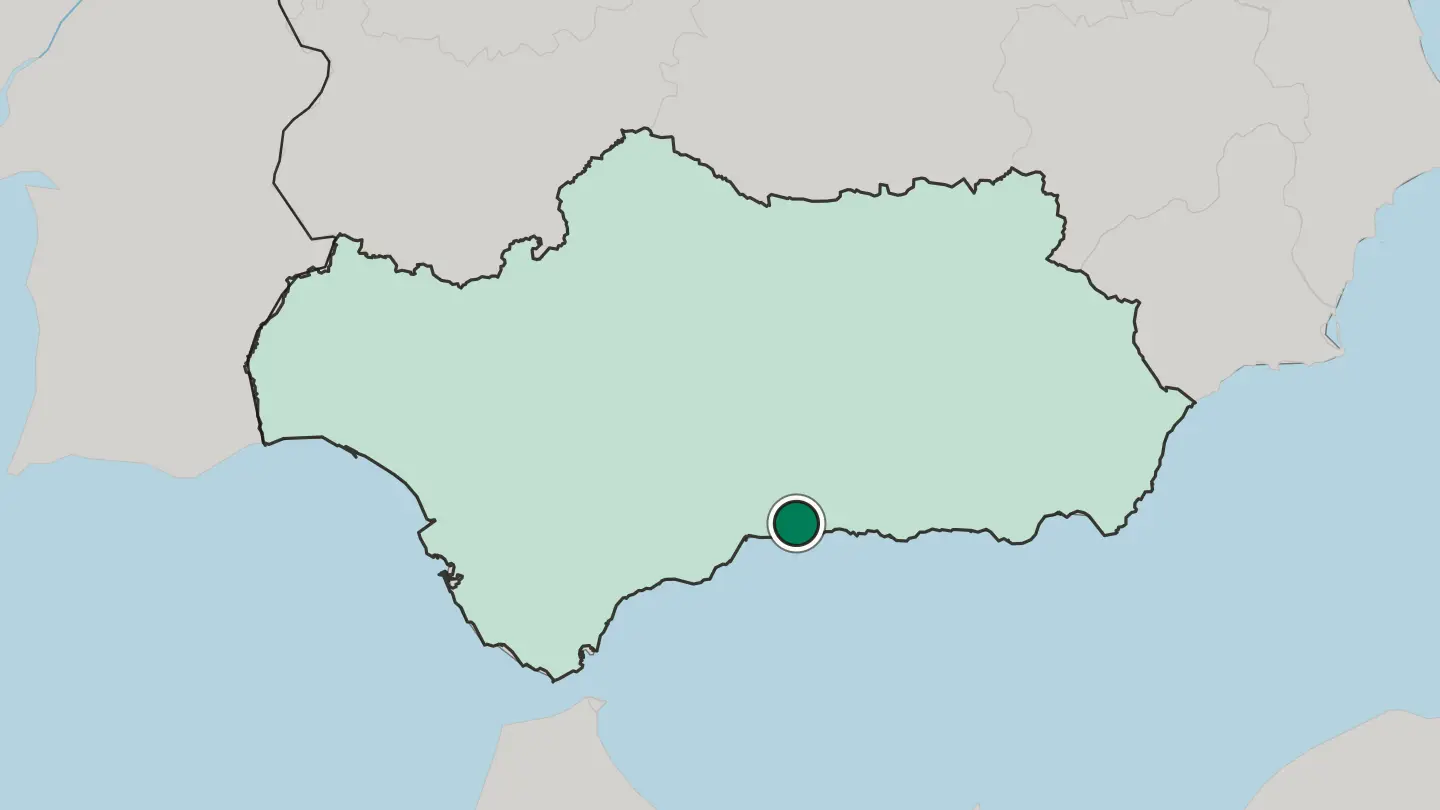
 Spain
Spain
Fuengirola
Fuengirola packs a long sandy beach, Roman baths and a castle into ten square kilometres of the Costa del Sol in the province of Málaga.Where to stay →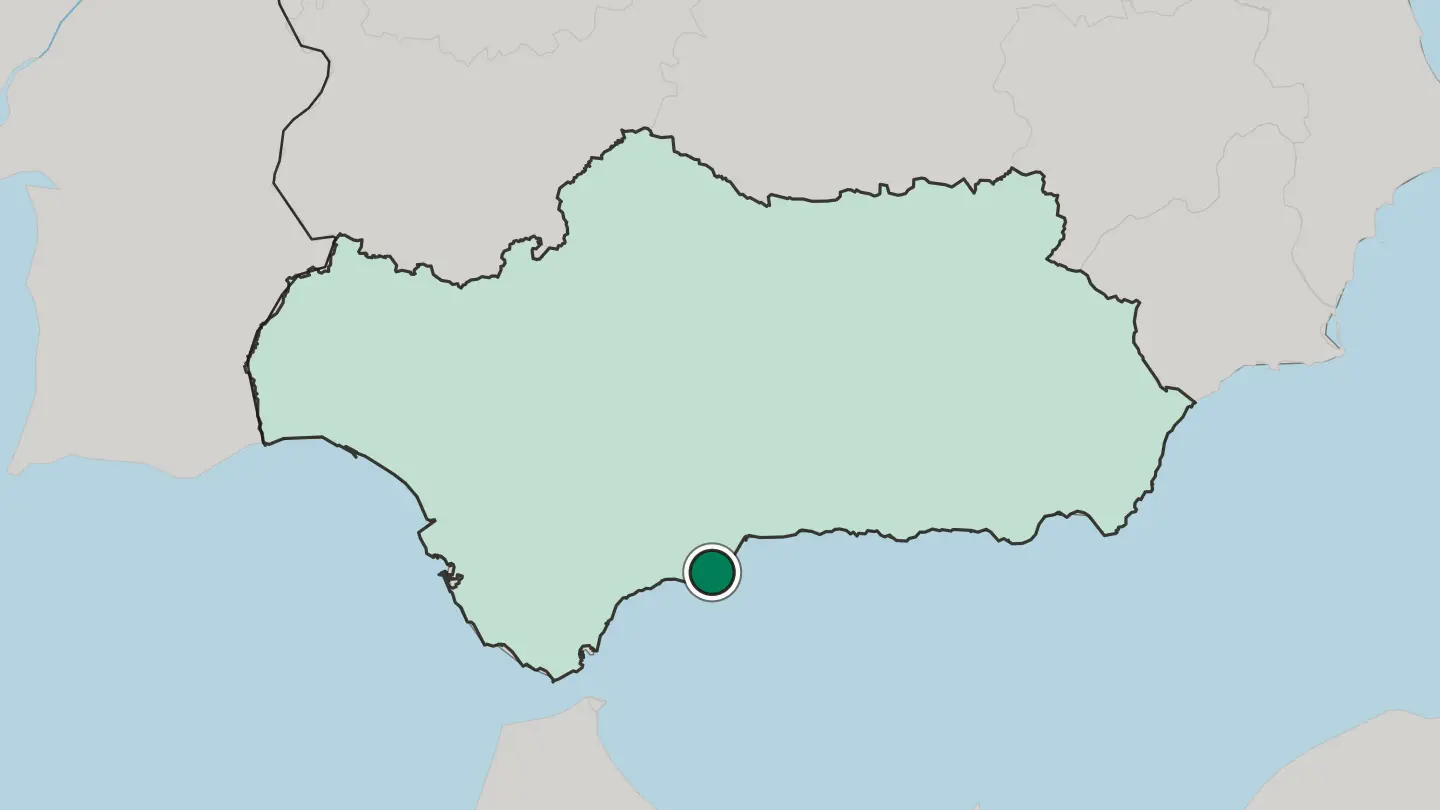
 Spain
Spain
Alcalá de Guadaira
Alcalá de Guadaíra is an Andalusian mill town on the Guadaíra River, once the bread supply of Seville, under a castle and a stretch of town wall.Where to stay →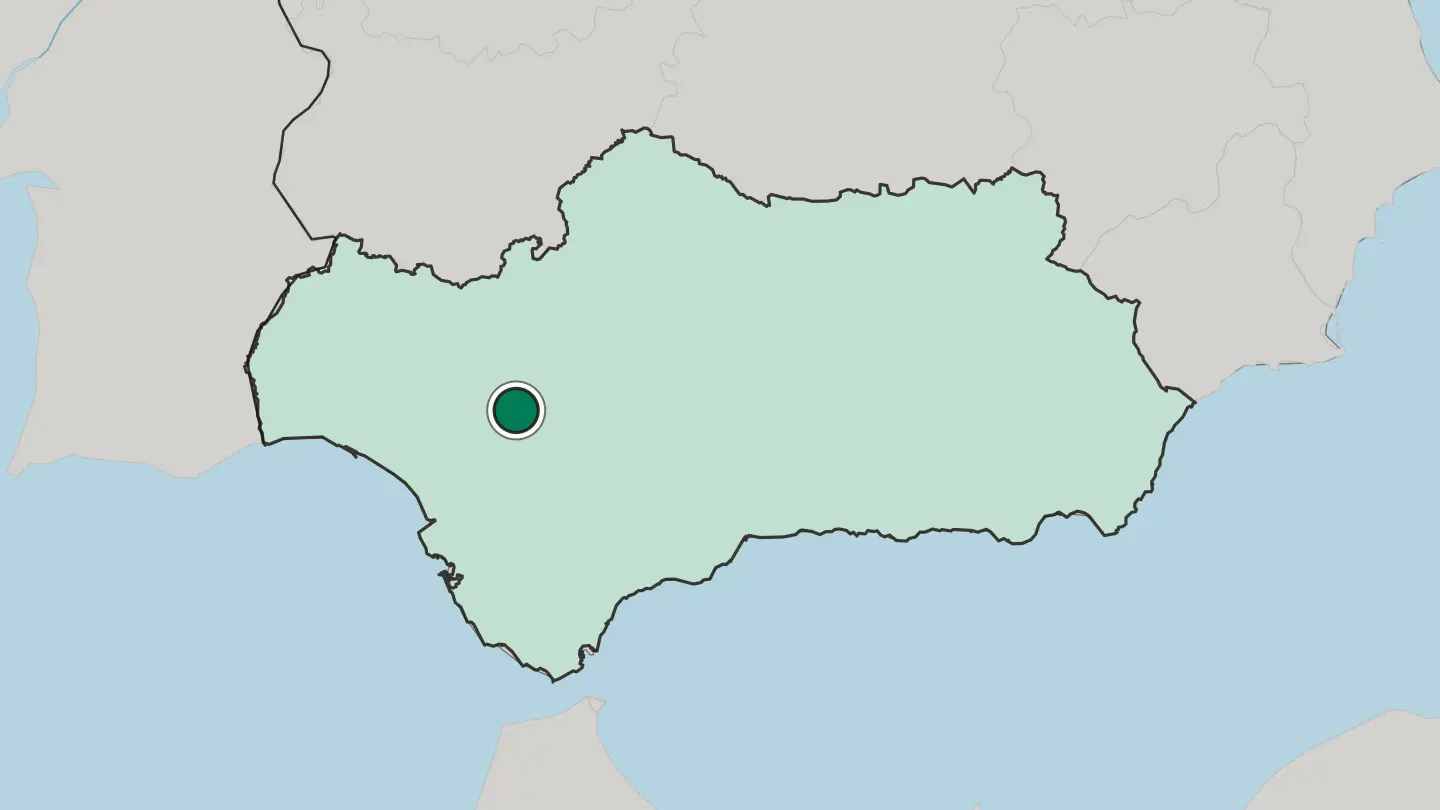
 Spain
Spain
Sanlúcar de Barrameda
Sanlúcar de Barrameda holds the left bank at the mouth of the Guadalquivir, opposite Doñana National Park, and gives manzanilla sherry its name.Where to stay →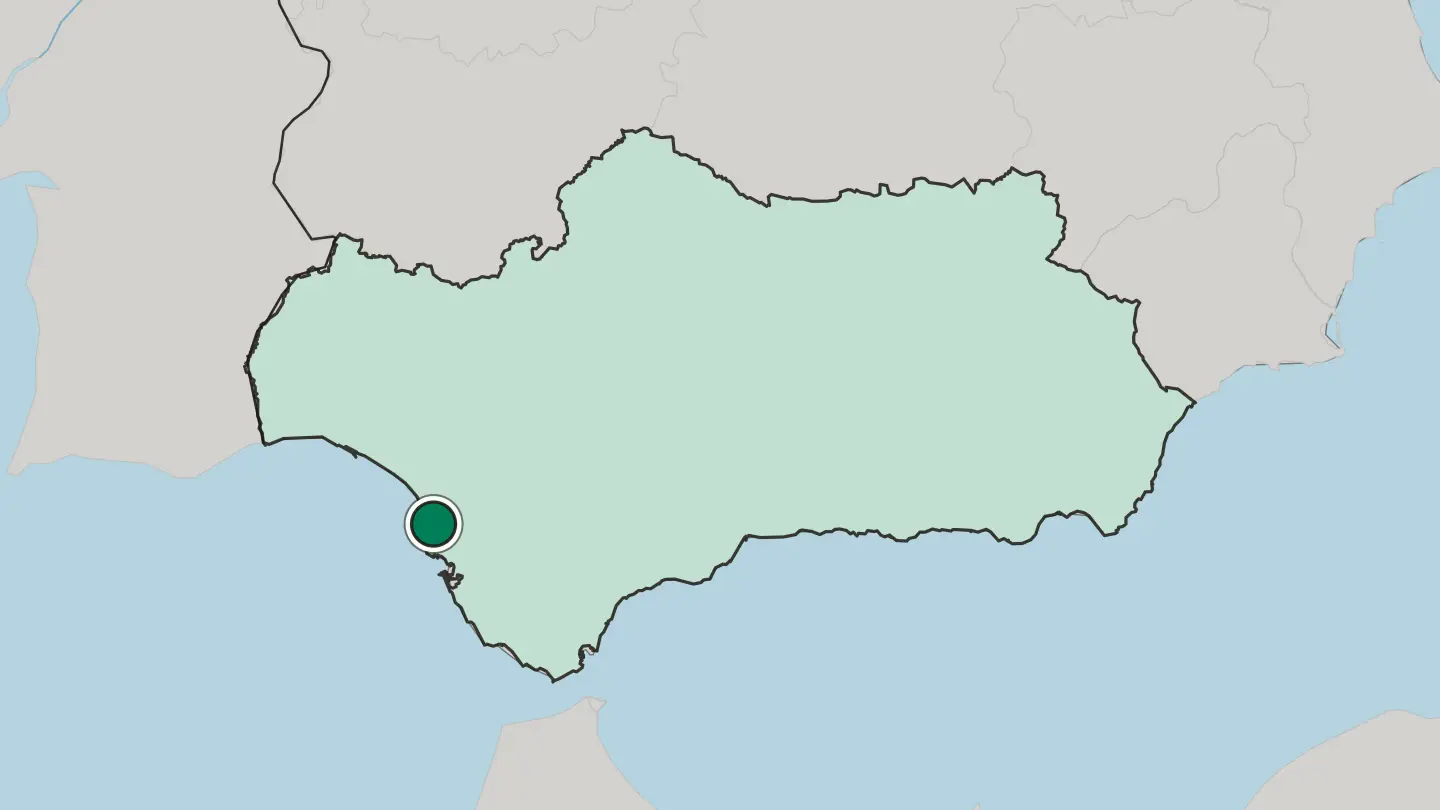
 Spain
Spain
Estepona
Estepona is a seaside town on the Costa del Sol, in the province of Málaga, with Sierra Bermeja rising behind it.Where to stay →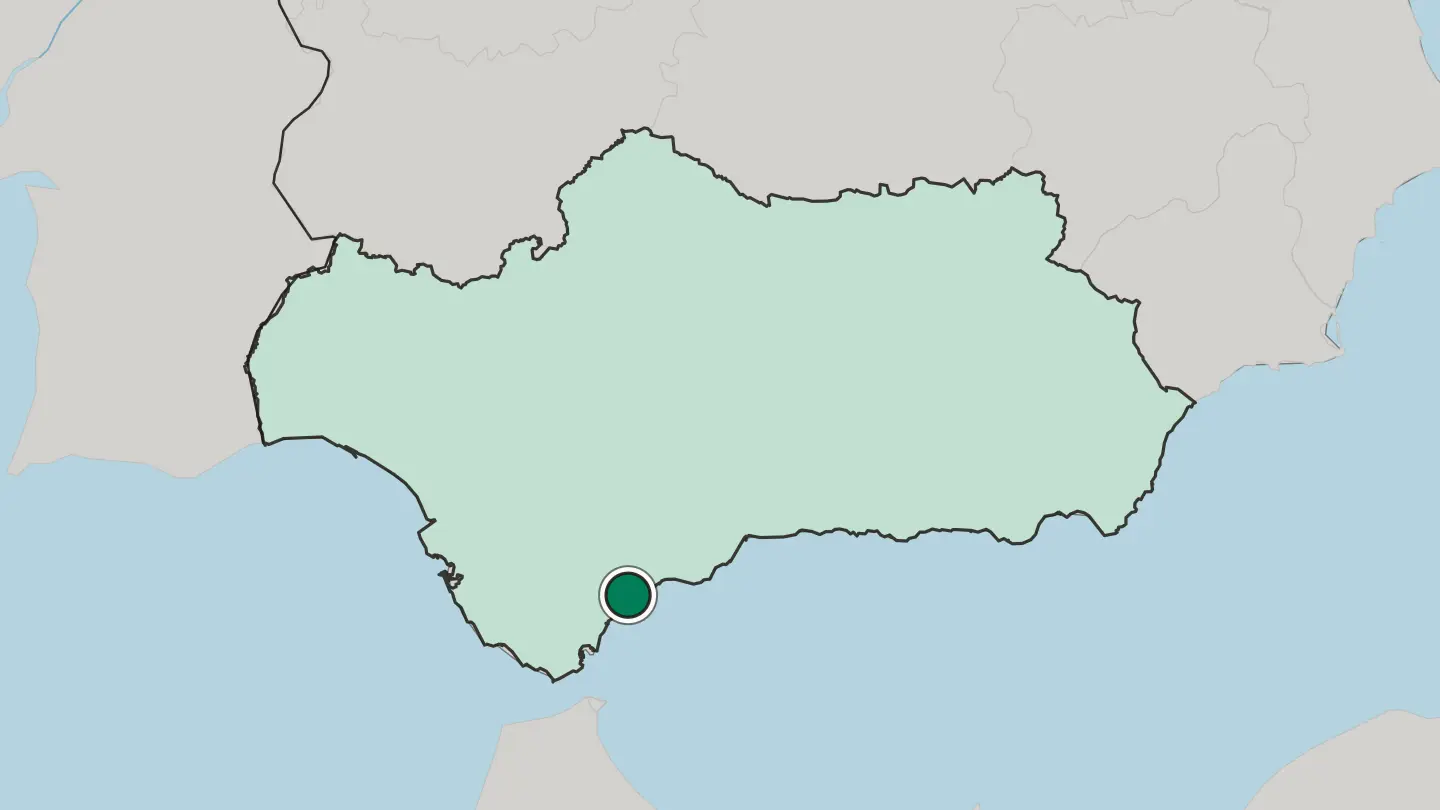
 Spain
Spain
Torremolinos
Torremolinos, the first Costa del Sol resort to be built up, holds a sand frontage between Málaga Bay and the Mijas Mountains.Where to stay →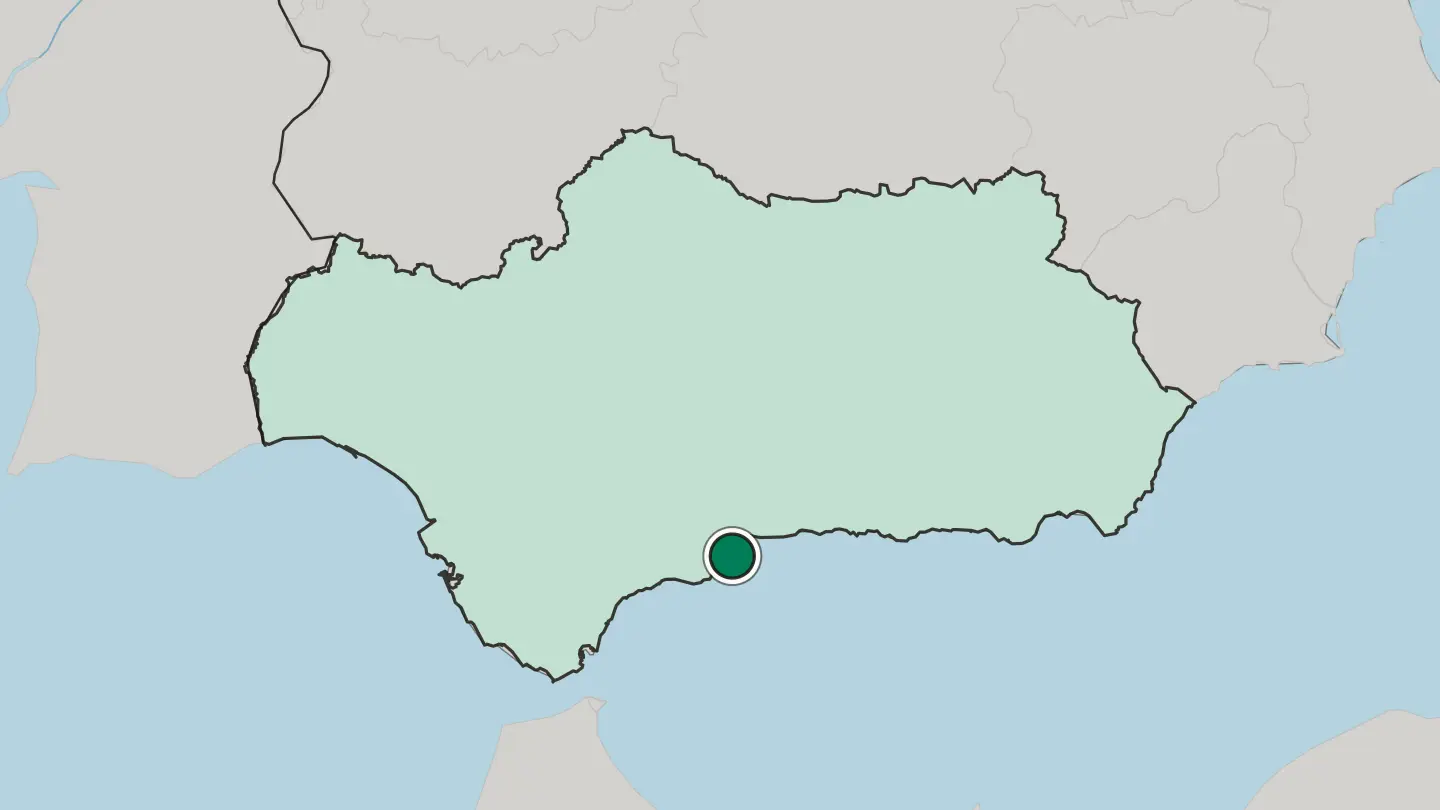
 Spain
Spain
La Línea de la Concepción
La Línea de la Concepción is a municipality of the province of Cádiz, in Andalusia, at the land frontier with Gibraltar and chartered in 1870.Where to stay →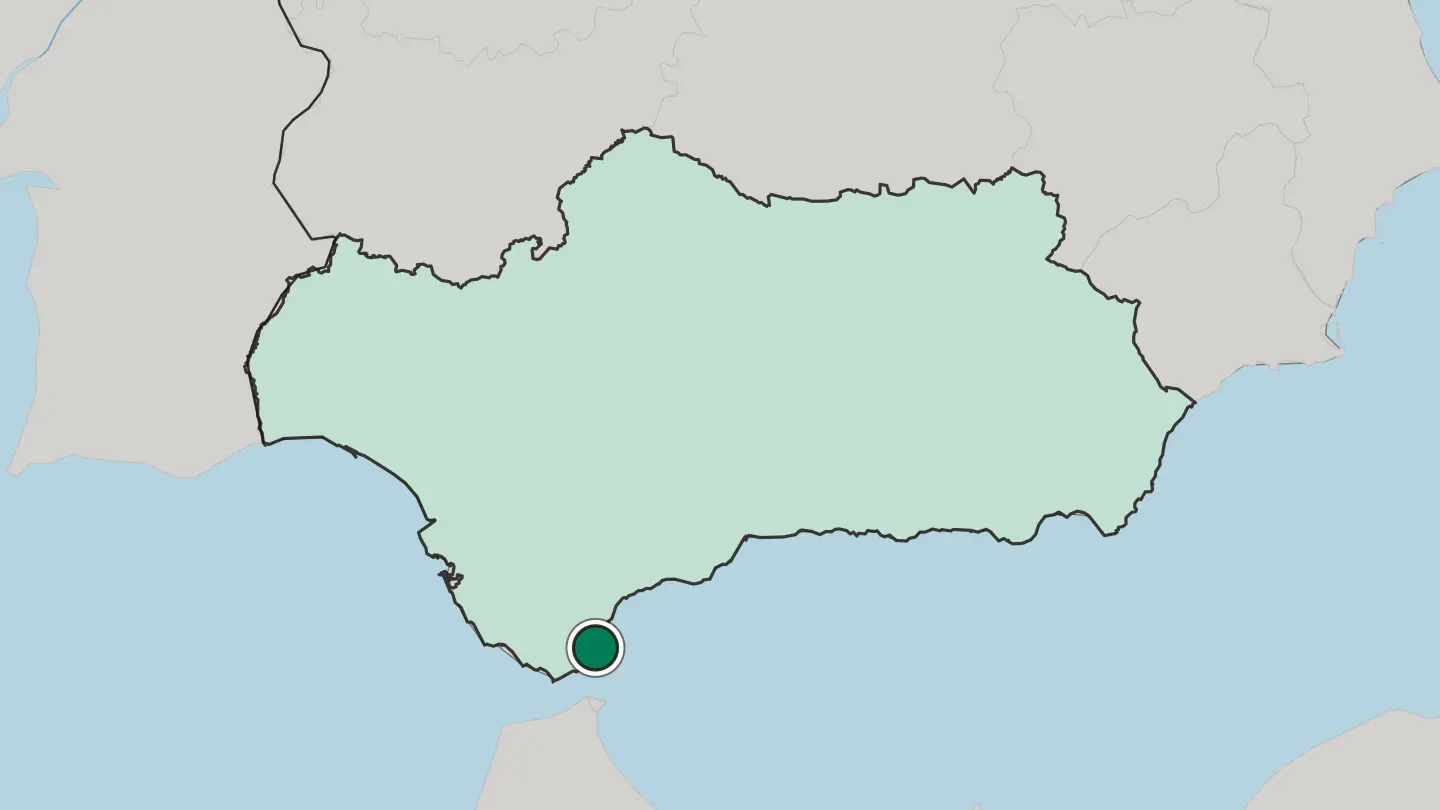
 Spain
Spain
Motril
Motril is a municipality of Andalusia holding the Castillo de Motril, the Charca de Suárez wetland and the Museum of preindustrial cane sugar.Where to stay →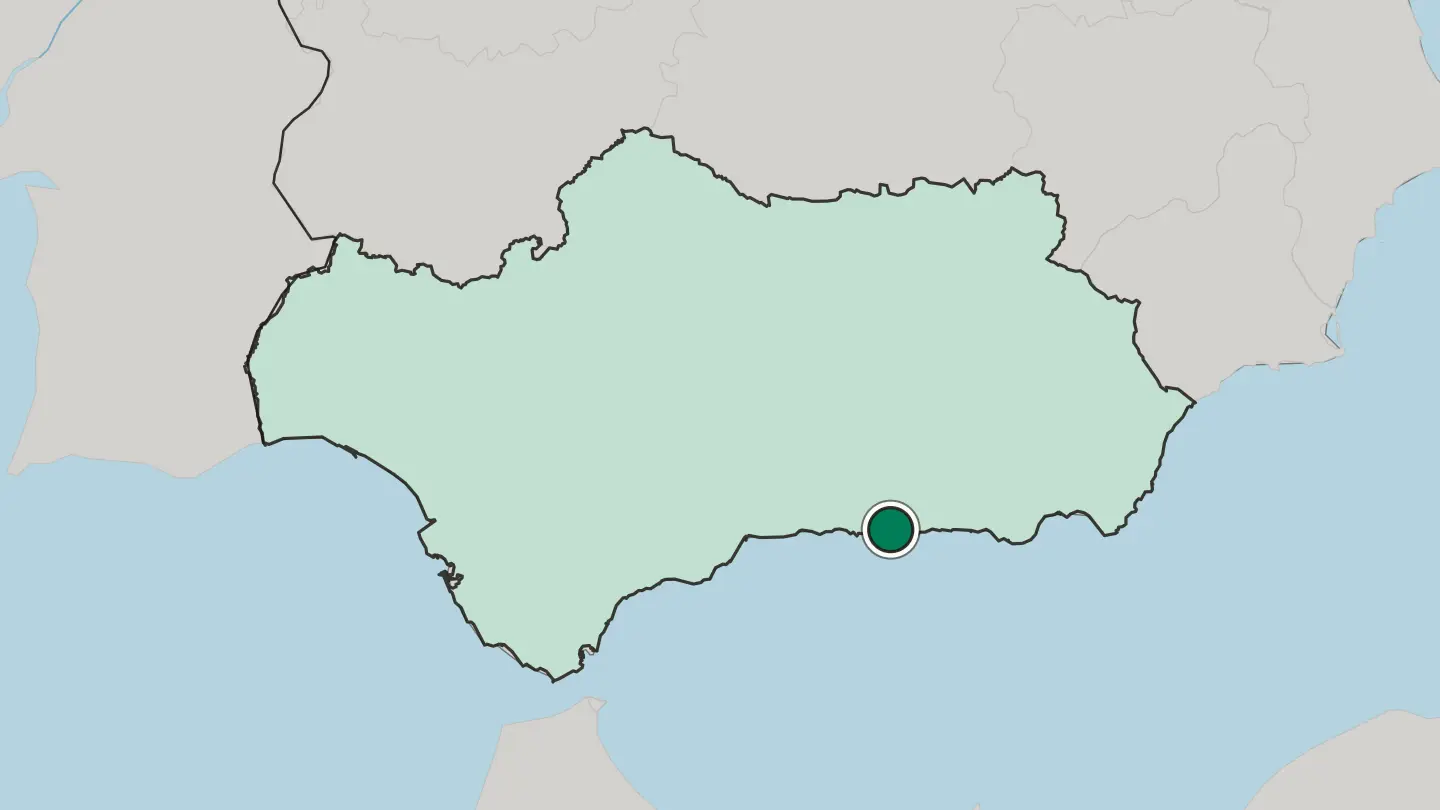
 Spain
Spain
Benalmádena
Benalmádena is a Costa del Sol town west of Málaga, between Torremolinos and Fuengirola, holding Castillo de Bil Bil and Castillo Monumento Colomares.Where to stay →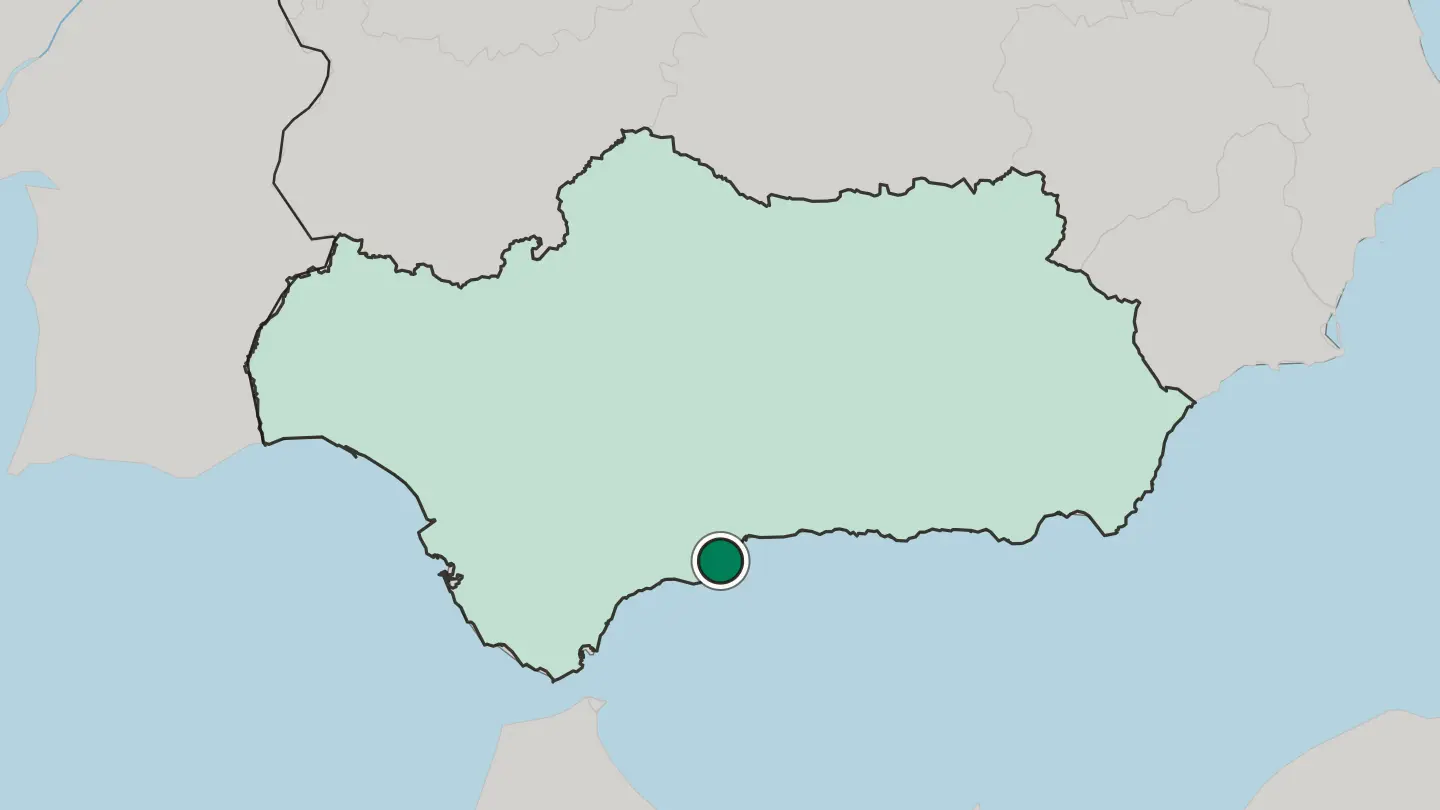
 Spain
Spain
Linares
Linares is a municipality of the province of Jaén, in Andalusia, with mining structures standing among the churches of its centre.Where to stay →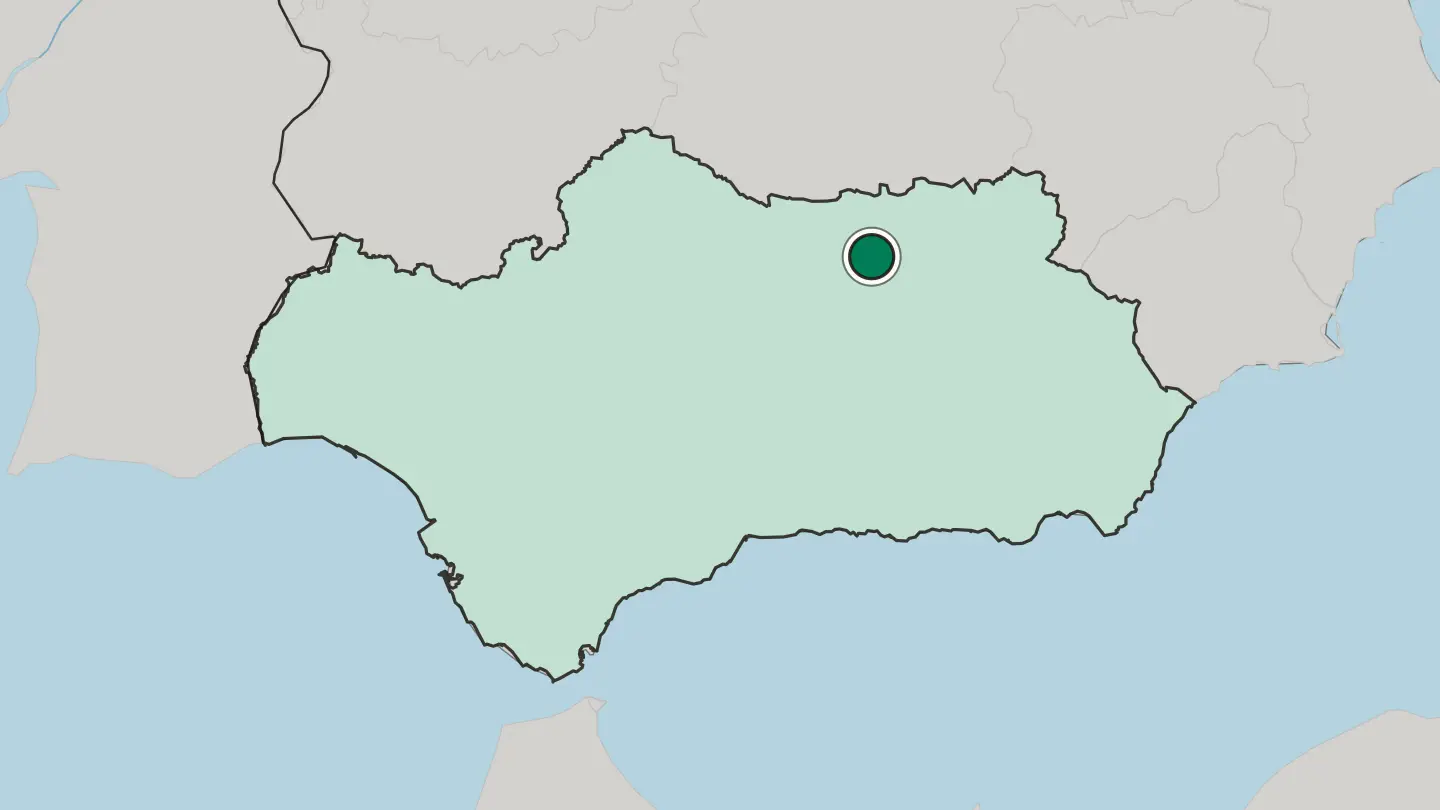
 Spain
Spain
Utrera
Utrera sits inland in the province of Seville, an Andalusian town holding the Iglesia de Santa María de la Mesa and the Convento de Consolación.Where to stay →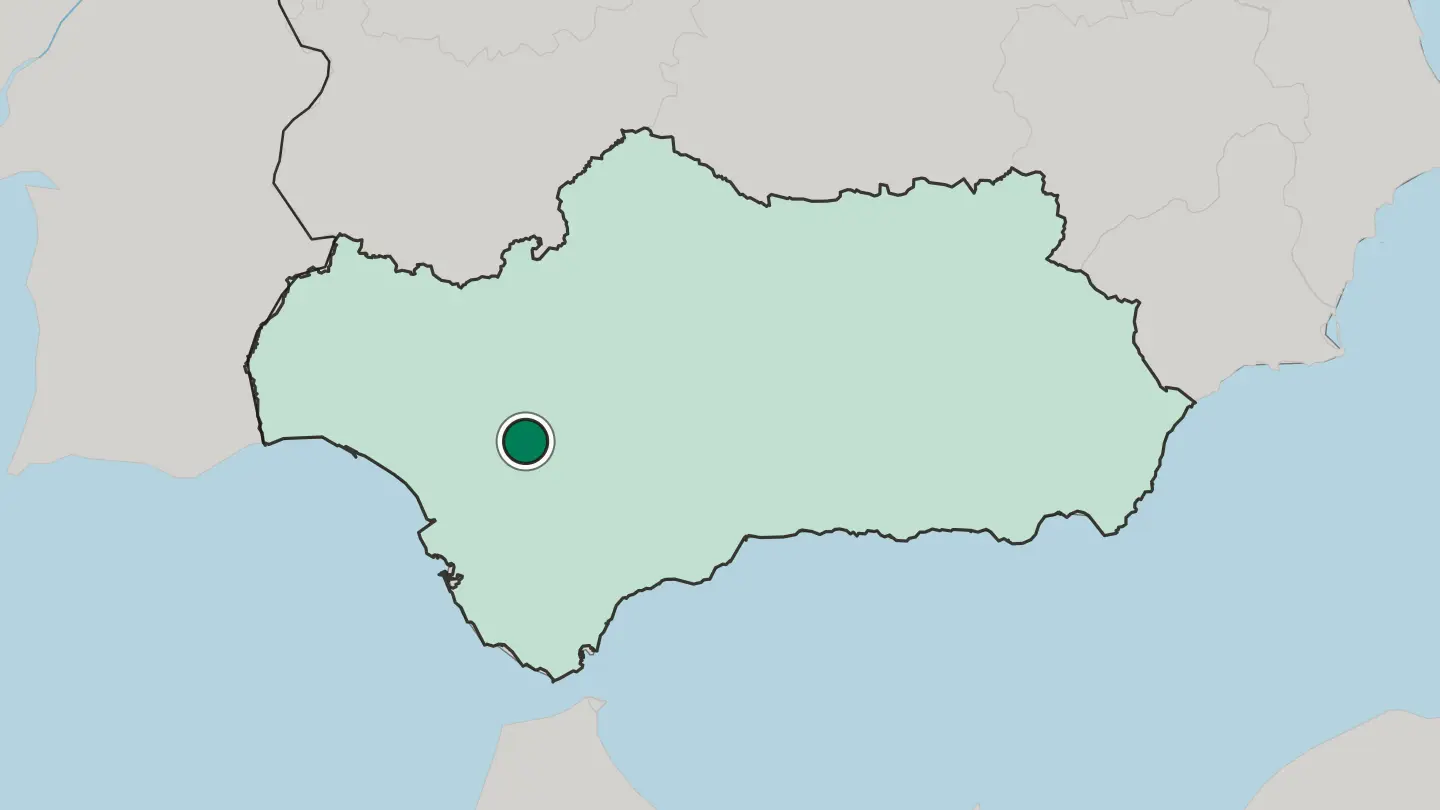
Hotel links are affiliate links: booking through them may earn us a commission, at no extra cost to you. It never affects how places are ranked. How this works
About Andalusia
Andalusia is the Spain most people picture.
What is Andalusia known for?
Eight centuries of Muslim rule left it the Alhambra above Granada and the great mosque at Córdoba, and the region carries that history in its stone. Flamenco was born here, in the streets and courtyards of Seville and Cádiz. The Costa del Sol lines the Mediterranean around Málaga, while whitewashed towns like Ronda cling to the ridges inland.
Sun and heat define it. Few corners of Europe get as many clear days.
Where is Andalusia?
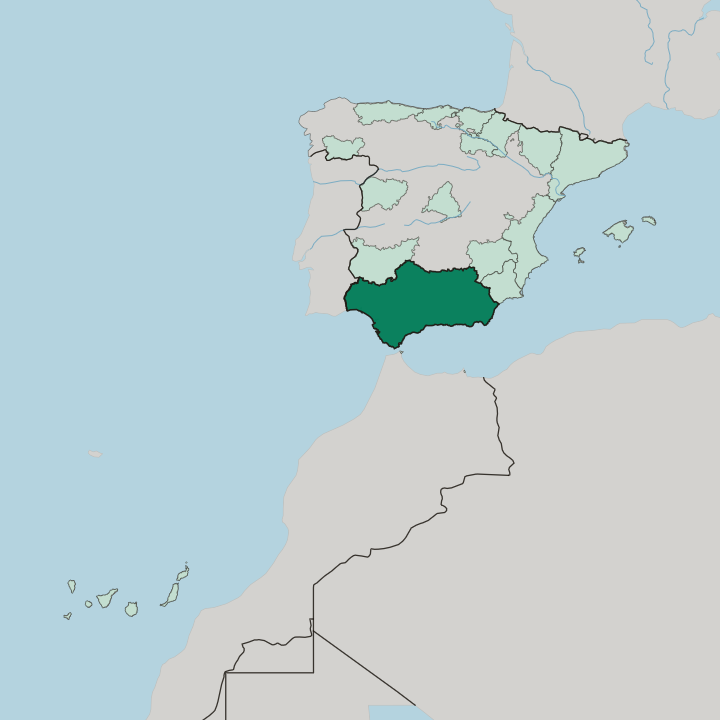
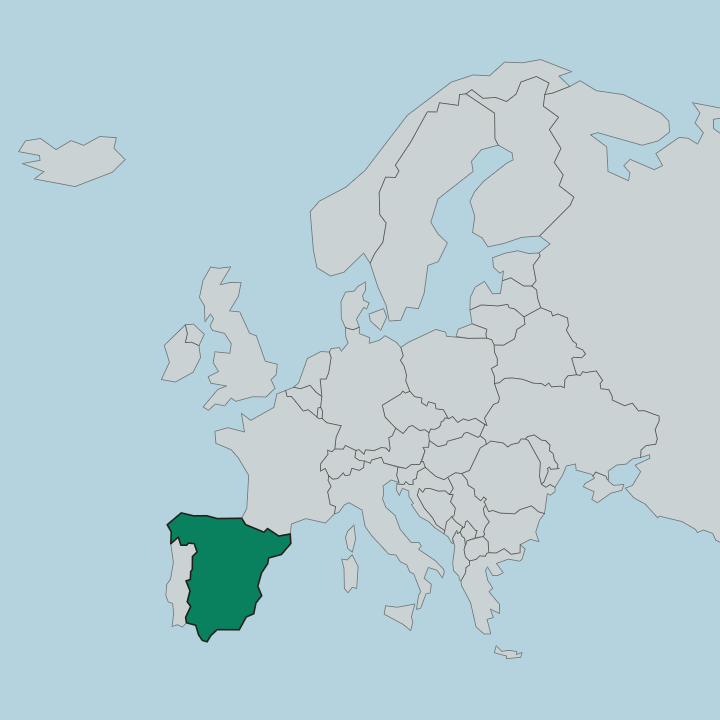
Andalusia fills the southern end of the Iberian Peninsula, the last stretch of Spain before Africa. It divides into eight provinces. Almería, Cádiz, Córdoba, Granada, Huelva, Jaén, Málaga and Seville run from the desert east to the Atlantic coast.
Two mountain systems frame the land. The Sierra Morena walls off the north, marking the old edge of the plateau, while the Sierra Nevada climbs in the south-east to Mulhacén, the highest summit in mainland Spain. Between them runs the Guadalquivir.
The river gathers in the province of Jaén, then flows south-west through Córdoba and Seville before spilling into the Atlantic near the Gulf of Cádiz. Two seas edge the region. The Atlantic washes the shores of Huelva and Cádiz, and the Mediterranean takes over from Cádiz eastward along Málaga, Granada and Almería.
Between the two lies the Strait of Gibraltar, the narrow gate where the ocean meets the sea and only a short reach of water separates Spain from Morocco. Morocco stands within sight across it. That crossing has carried armies, traders and pilgrims for as long as the region has had a history.
What is Andalusia like?
Andalusia sounds like flamenco. The song, the guitar and the dance took shape here, in the Roma quarters of Seville, Cádiz and Jerez, and they remain the region's living pulse rather than a museum piece. Much of the rest grew from Al-Andalus.
Nearly eight centuries of Muslim rule shaped the food, the tilework, the horseshoe arches and the very words of the local speech, and that inheritance is stamped on every old city here. The Alhambra crowns Granada. The Mezquita anchors Córdoba, and the tower called the Giralda still rises over Seville.
Faith runs loud through the year. The Holy Week processions of Seville and Málaga, and the spring feria that follows, pull whole cities into the street. Spanish is the common tongue, spoken in an accent that clips and softens its sounds.
Andalusians will tell you their way of speaking is its own thing. Bullrings, sherry from Jerez and the horse fairs belong to the picture as much as the monuments do. Life leans outdoors, and the day bends around the heat.
What is the history of Andalusia?
The name comes from Al-Andalus, the land the Moors ruled after crossing from Africa in 711. For most of the next eight centuries the south was a Muslim world, and Córdoba grew under its caliphate into one of the largest cities on earth. The frontier moved slowly southward.
Granada held out longest, the last Muslim kingdom in Spain, until its emir surrendered the Alhambra in 1492. That fall closed the Reconquista and turned the region toward the New World, its ports handling the trade that followed. Modern Andalusia carries both inheritances at once.
What is the climate of Andalusia?
Andalusia is the hottest corner of mainland Spain. Summers on the Guadalquivir plain around Seville and Córdoba turn ferocious, hot enough that the valley earns its old nickname as the frying pan of the country. The coasts stay softer.
Sea breezes cool Málaga and the Costa del Sol, and winters there run mild and bright. Up in the Sierra Nevada it is another world entirely, cold enough that snow settles on the high peaks and skiers look down within sight of the warm Mediterranean below. Rain, when it falls, comes mostly in winter.
Clear skies are the rule the rest of the year.
How do you get to Andalusia?
Most visitors fly into Málaga. Its airport is the busiest in the region and the main door to the Costa del Sol, while Seville and Granada run their own airports for travellers heading straight to the Moorish cities. Fast trains climb from Madrid to Córdoba and Seville in a few hours, threading the Sierra Morena on the way.
The Strait of Gibraltar carries ferries across to Morocco from Tarifa and Algeciras. Roads knit the eight provinces together, from the Atlantic beaches of Cádiz to the Almería desert in the far east.
Common questions
What is the best area to stay in Andalusia?
Seville: the Andalusian capital and its Guadalquivir riverfront. Granada: the Alhambra and the Sierra Nevada foothills. Málaga and the Costa del Sol: Mediterranean beaches and the coastal resorts. Córdoba: the great mosque and the old caliphal core.
Good for
More regions in Spain
Updated September 2026