Spain · Andalusia
Where to Stay in Marbella, Andalusia
Marbella is a city of the Costa del Sol, in the province of Málaga, and the head of the judicial district that carries its name.
Hotel links are affiliate links: booking through them may earn us a commission, at no extra cost to you. It never affects how places are ranked. How this works


Where to stay in Marbella
Where visitors usually base themselves, and why.
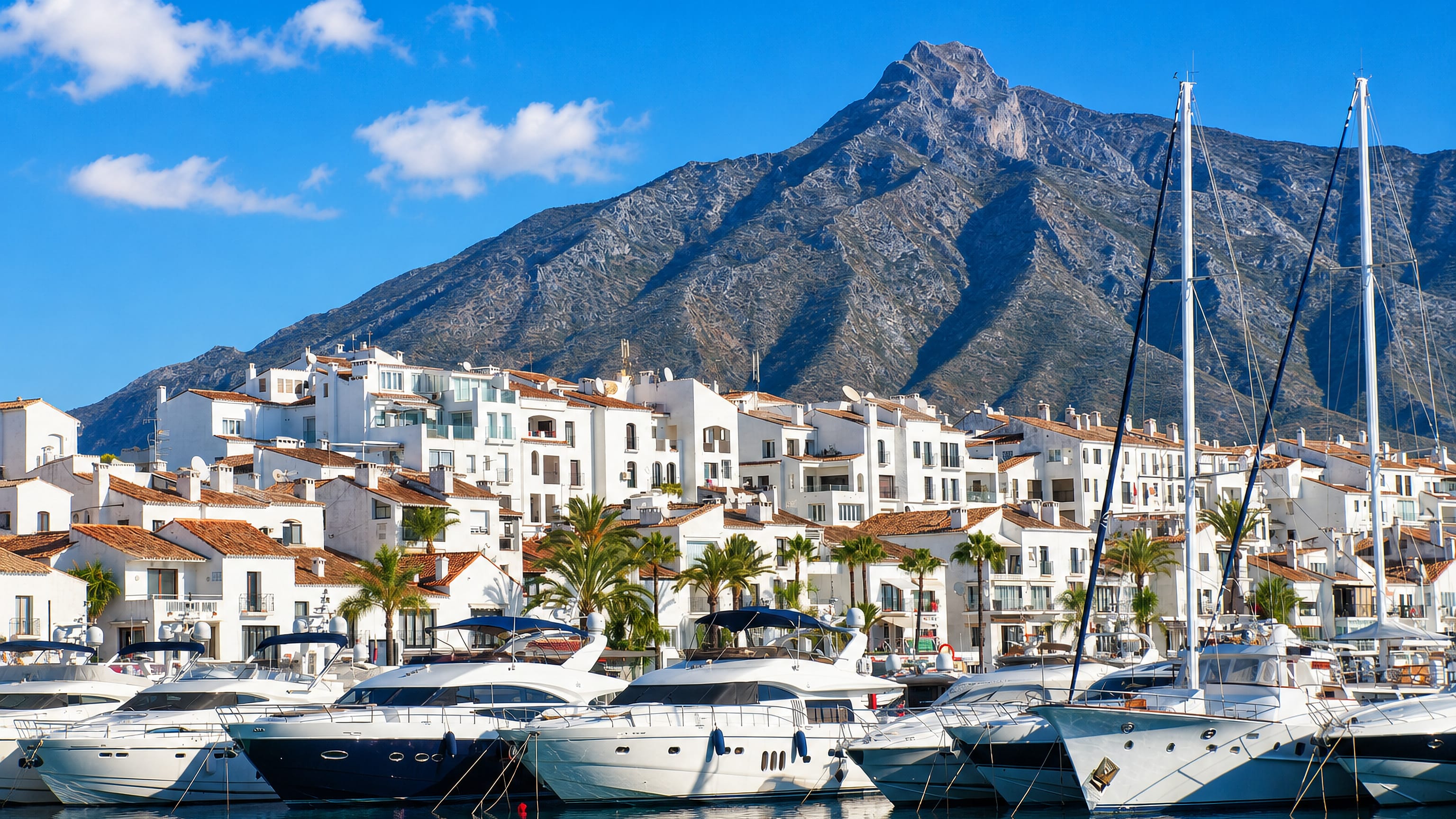
Marbella divides by ground, not by district name. The old streets around Plaza de los Naranjos and the Castillo de Marbella make the compact half, close enough that the Museo del Grabado Español Contemporáneo, Hospital Bazán and the Sala Arqueológica de Marbella all fall inside one morning on foot. The Costa del Sol takes the other half.
A room on that frontage answers to the water, with the Museo del Bonsái and the Roman bridge of Marbella left for an inland detour rather than a doorstep view. Cerro Torrón changes the arithmetic. Ground rises behind the built city, and the Fuerte de San Luis and the Trapiche del Prado sit out on that side, where beds are fewer and an evening in the old town means driving both ways.
The province of Málaga carries on past the municipal edge. Pirulí de Marbella stands apart from the historic register altogether. Whatever the choice, distances inside the built city stay walkable, and the gap between the frontage and the old streets is measured in blocks rather than in kilometres of the Costa del Sol.
Find hotels in Marbella
Direct booking searches for these neighbourhoods.
Plaza de los Naranjos and the Castillo
Plaza de los Naranjos and the Castillo de Marbella stand a few streets apart, and the Museo del Grabado Español Contemporáneo keeps its address inside the same handful of blocks.Find hotels in Plaza de los Naranjos and the CastilloWater-facing rooms on Marbella's Costa del Sol frontageThe Costa del Sol frontage
Beds along the frontage put open water first and leave the Museo del Bonsái and the Roman bridge of Marbella for the walk back inland.Find hotels in The Costa del Sol frontageQuiet ground below Cerro Torrón and the Fuerte de San LuisBelow Cerro Torrón
Cerro Torrón rises behind the built streets and the Fuerte de San Luis marks the ground under it, which puts a drive between a room here and dinner in the old town. Lodging is scarce in this area; reserve in advance.Find hotels in Below Cerro TorrónHotel links are affiliate links: booking through them may earn us a commission, at no extra cost to you. It never affects how places are ranked. How this works
Things to do in Marbella
Ranked by global recognition; descriptions from Wikidata (CC0).
Museums & Galleries
3- Hospital Bazán Heritage
- Museo del Grabado Español Contemporáneo
- Museo del Bonsái
Castles & Historic Sites
4- Castillo de Marbella Heritage
- Cerro Torrón Heritage
- Fuerte de San Luis Heritage
- Trapiche del Prado Heritage
Landmarks & Notable Places
2- Plaza de los Naranjos
- Pirulí de Marbella
worth knowingacross 3 categories in Marbella
About Marbella
Naranjos is the name that carries.
What is Marbella known for?
Plaza de los Naranjos holds the centre of Marbella's oldest ground, with the Castillo de Marbella a few streets off and the Roman bridge of Marbella older than either. Two museums split the collections: the Museo del Grabado Español Contemporáneo and the Museo del Bonsái. Sala Arqueológica de Marbella keeps the dug material.
Hospital Bazán and the Trapiche del Prado carry names from the civic and the working past.
What are the main landmarks in Marbella?
Twelve entries fill the register. Plaza de los Naranjos and the Castillo de Marbella are the pair most walks begin from, while the Roman bridge of Marbella and the Fuerte de San Luis hold the older engineering and defensive end of the list. Marbella's museums take the next three slots.
The Museo del Grabado Español Contemporáneo, the Museo del Bonsái and the Sala Arqueológica de Marbella divide print, plant and archaeology between them. Hospital Bazán, the Trapiche del Prado, Cerro Torrón and the Pirulí de Marbella close it out.
What is the history of Marbella?
The Roman bridge came first. No founding year is recorded for Marbella, so the sequence has to start with the Roman bridge of Marbella and the material now held in the Sala Arqueológica de Marbella rather than with a charter or a documented act of foundation. Defences came next.
Castillo de Marbella and the Fuerte de San Luis are the two fortified names on the register, and between them they cover the long centuries separating the bridge from the modern city. Plaza de los Naranjos organises the town that followed. Hospital Bazán belongs to the same civic layer, while the Trapiche del Prado carries a milling name from the working country outside the streets.
Then the register turns modern. The Museo del Grabado Español Contemporáneo and the Museo del Bonsái sit at that end of the list, and the Pirulí de Marbella has no counterpart among the older names at all. Marbella's administrative weight came last.
Marbella heads the judicial district that bears its name and hosts the Association of Municipalities of the region, which gives a city of the province of Málaga a standing that reaches past its own boundary and along the Costa del Sol.
Where is Marbella?
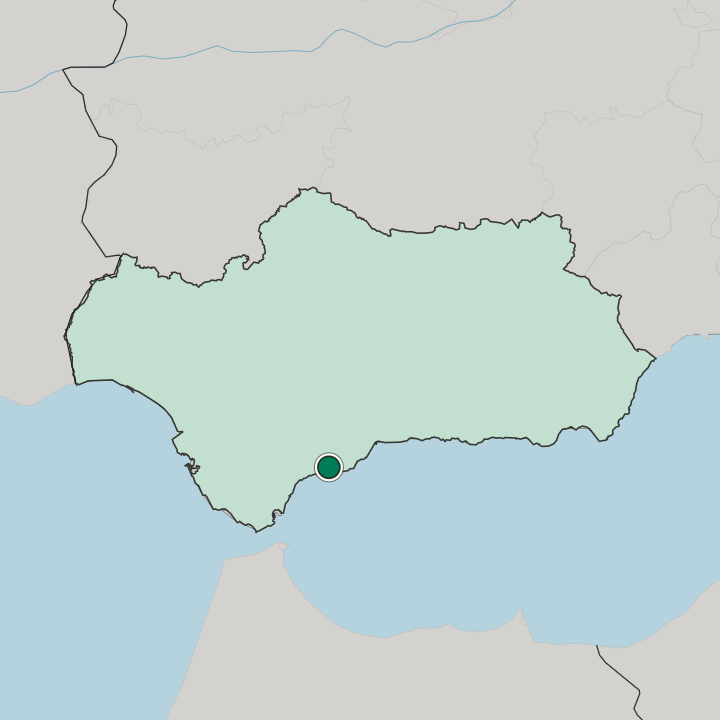
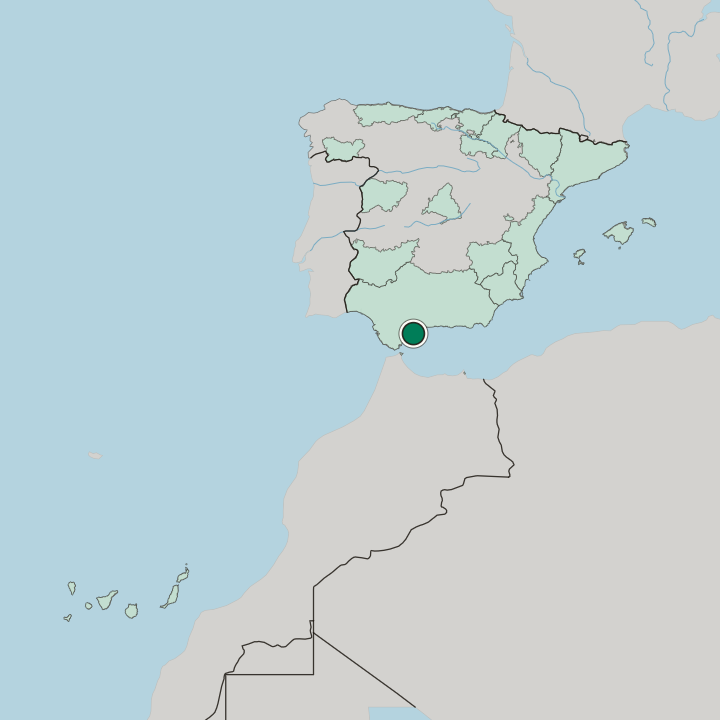
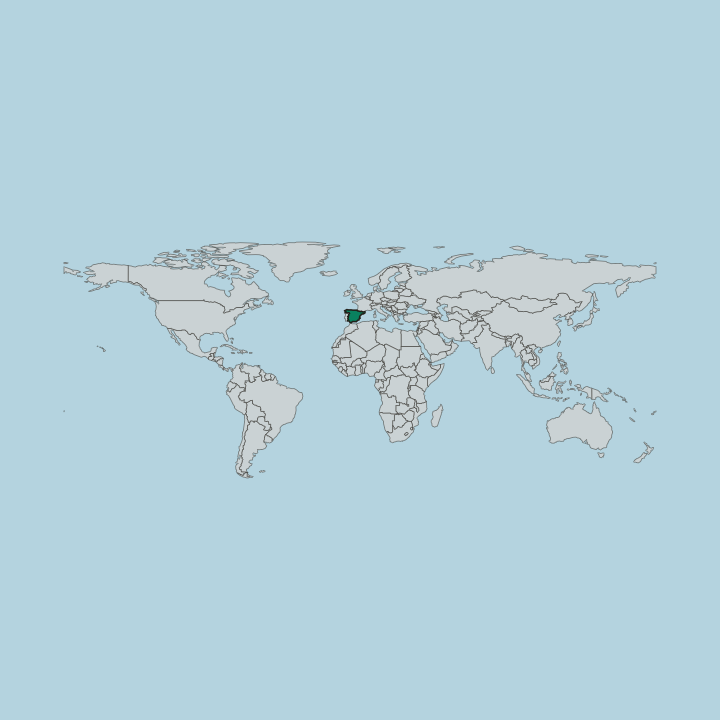
Cerro Torrón is the high ground. Marbella takes a stretch of the Costa del Sol within the province of Málaga, with open water along one edge and rising ground behind the built streets, all of it inside Andalusia. The register spreads across both.
Plaza de los Naranjos, the Castillo de Marbella and the Roman bridge of Marbella belong to the built ground, while the Fuerte de San Luis and the Trapiche del Prado sit further out.
What is the climate of Marbella?
Two things moderate the year. Open water on the Costa del Sol side and the rise of Cerro Torrón behind the city hold the temperate band steady enough that one day in Marbella rarely swings far from the one before it. The old streets give shade.
Plaza de los Naranjos, the Castillo de Marbella and the Museo del Grabado Español Contemporáneo are where the middle of a hot afternoon goes.
How do you get to Marbella?
Everything arrives along the coast. The Costa del Sol runs through the province of Málaga and Marbella sits on it, so the approach is a coastal one and anything inland means turning off towards Cerro Torrón and the ground behind. One parking spot serves the old town.
Plaza de los Naranjos, the Castillo de Marbella, Hospital Bazán and the Sala Arqueológica de Marbella stand close enough together that a car can stay where it is for the rest of the day.
Common questions
What is the best area to stay in Marbella?
Plaza de los Naranjos and the Castillo: Old-town nights between Plaza de los Naranjos and the Castillo de Marbella. The Costa del Sol frontage: Water-facing rooms on Marbella's Costa del Sol frontage. Below Cerro Torrón: Quiet ground below Cerro Torrón and the Fuerte de San Luis.
Good for
More cities in Andalusia
Updated October 2026