Spain · Andalusia
Where to Stay in Dos Hermanas, Andalusia
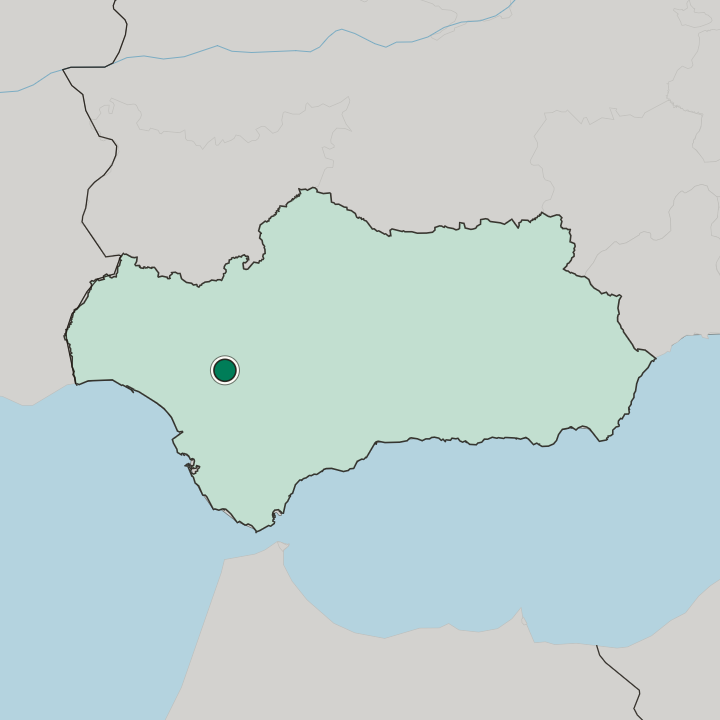
Dos Hermanas is a city of the Seville metropolitan area, fifteen kilometres south of Seville, ringed by hacienda towers and old estate ground.
Hotel links are affiliate links: booking through them may earn us a commission, at no extra cost to you. It never affects how places are ranked. How this works


Where to stay in Dos Hermanas
Where visitors usually base themselves, and why.
Most beds here answer a practical question. A room in Dos Hermanas costs less than the same room in Seville and sits fifteen kilometres from it, which is why the municipality suits business travel, event nights and anyone touring the province by car more than it suits a first weekend in Andalusia. Start with the centre of Dos Hermanas.
Iglesia de Santa María Magdalena and the Fuente del Rey mark the streets where the bars, the shops and the bus connections concentrate, and staying inside that ring keeps a car optional. Newer ground offers the alternative. The blocks that grew around the Antigua Universidad Laboral hold the easier parking and the shorter run onto the road north, which matters if the trip is really about reaching Seville each morning.
Rural stays work differently again. Hacienda Ibarburu, Hacienda Los Hadaines and the Torre de la Hacienda de la Corchuela sit out where the fields begin, so a base among the estates trades every kind of convenience for space and for the tower landscape that gives this municipality its character. Decide by what the car is for.
Find hotels in Dos Hermanas
Direct booking searches for these neighbourhoods.
The centre by Santa María Magdalena
Iglesia de Santa María Magdalena and the Fuente del Rey mark where the shops and bus links gather.Find hotels in The centre by Santa María MagdalenaWork trips that need parking and a quick road northAround the Antigua Universidad Laboral
The blocks near the Antigua Universidad Laboral are the newest part of the built-up municipality.Find hotels in Around the Antigua Universidad LaboralSpace among the estate towers instead of a town streetThe hacienda country
Hacienda Ibarburu and the Torre de la Hacienda de la Corchuela stand out where the fields take over.Find hotels in The hacienda countryHotel links are affiliate links: booking through them may earn us a commission, at no extra cost to you. It never affects how places are ranked. How this works
Things to do in Dos Hermanas
Ranked by global recognition; descriptions from Wikidata (CC0).
Churches & Religious Sites
1- Iglesia de Santa María Magdalena
Castles & Historic Sites
5- Orippo Heritage
- Castillo de la Serrezuela Heritage
- Torre Mochiella de la Hacienda Maestre de Los Molinos Heritage
- Torre de Varga Santaren Heritage
- Torre del Cortijo de El Copero Heritage
Landmarks & Notable Places
1- Antigua Universidad Laboral Heritage
worth knowingacross 3 categories in Dos Hermanas
About Dos Hermanas
Estates, not monuments.
What is Dos Hermanas known for?
Hacienda Torre de Doña María, Hacienda Ibarburu and Hacienda de Maestre stand for the farming country this municipality was assembled from, and the towers that belong with them, among them the Tower of Herberos, Torre de Varga Santaren and Torre del Cortijo de El Copero, make up most of the heritage list. Seville is fifteen kilometres north. That single relationship explains the size of the place better than anything standing inside it.
What are the main landmarks in Dos Hermanas?
Towers are the recurring form. Tower of Herberos, Torre de Varga Santaren, Torre de Francisco Fernández, Torre Mochiella de la Hacienda Maestre de Los Molinos and Torre de Doña María III repeat across the fields, most of them attached to an estate rather than to a town wall, and Castillo de la Serrezuela is the fortified exception among them. Churches are fewer.
Iglesia de Santa María Magdalena serves the centre, the Fuente del Rey and the Molino de Meñaca record older utilities, and the Antigua Universidad Laboral belongs to a very different century.
What is the history of Dos Hermanas?
Orippo is the oldest name on the list. It belongs to the ground rather than to the streets, as do Los Majuelos, El Hornillo, Santa María de Medinilla II, Lugar Nuevo I, Villanueva del Pitamo I and Pechote, which together record a countryside that was worked and settled long before any of the present blocks went up. The estates came next and lasted longest.
Hacienda Torre de Doña María, Hacienda Ibarburu, Hacienda de Maestre and Hacienda Los Hadaines organised the fields around themselves, and the towers standing with them, Tower of Herberos, Torre de Varga Santaren, Torre del Cortijo de El Copero, Torre de Francisco Fernández, mark how far one holding reached before the next began. Castillo de la Serrezuela is the harder structure among them. Iglesia de Santa María Magdalena served the settlement that grew where those estates met, the Molino de Meñaca and the Fuente del Rey handled grain and water for it, and the Vértice Geodésico de la Corchuela was placed on the same ground when the country began to be measured properly.
Los Merinales and the Antigua Universidad Laboral belong to the twentieth century. Seville did the rest. The city fifteen kilometres north drew the metropolitan growth that turned an agricultural municipality into the second-largest in its province, and the haciendas ended up surrounded by it.
Where is Dos Hermanas?
Farm country carries the whole municipality. Dos Hermanas covers open fields fifteen kilometres south of Seville, and the holdings that left Hacienda Ibarburu, Hacienda Los Hadaines and the Torre de la Hacienda de la Corchuela are spread across that ground instead of gathered into one quarter. Seville pulls the built-up part northward.
Everything else stayed where the fields put it, which is why a drive of a few minutes moves from apartment blocks to estate towers standing in crop land.
What is the climate of Dos Hermanas?
No coast moderates this one. Dos Hermanas sits inland on the plain that the Seville metropolitan area occupies, so the temperate band it lies in swings further here than it does on any shoreline in the province, and shade becomes something to plan a day around. The fields show the difference.
Estate towers stand in country that has had to be farmed with that in mind.
How do you get to Dos Hermanas?
Seville is the way in. The city stands fifteen kilometres south of it within the same metropolitan area, so traffic between the two runs all day and most arrivals come down from the north. Local roads take over from there.
Reaching Hacienda Torre de Doña María or the Torre del Cortijo de El Copero means leaving the built-up streets for the field tracks those estates were laid out along.
Common questions
What is the best area to stay in Dos Hermanas?
The centre by Santa María Magdalena: Nights spent in the town's own streets rather than Seville's. Around the Antigua Universidad Laboral: Work trips that need parking and a quick road north. The hacienda country: Space among the estate towers instead of a town street.
Good for
More cities in Andalusia
Updated October 2026