Spain · Andalusia
Where to Stay in Huelva, Andalusia
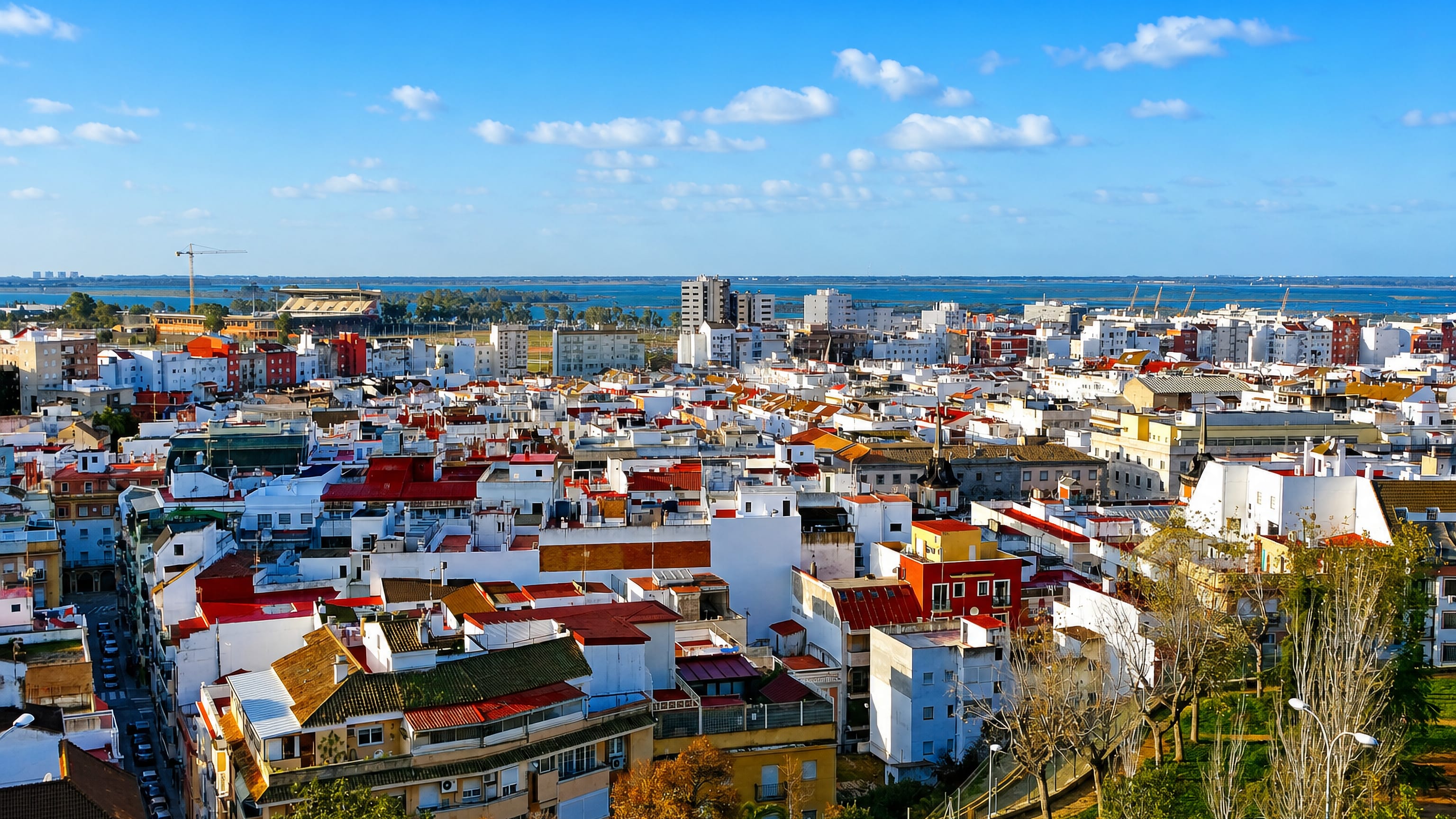
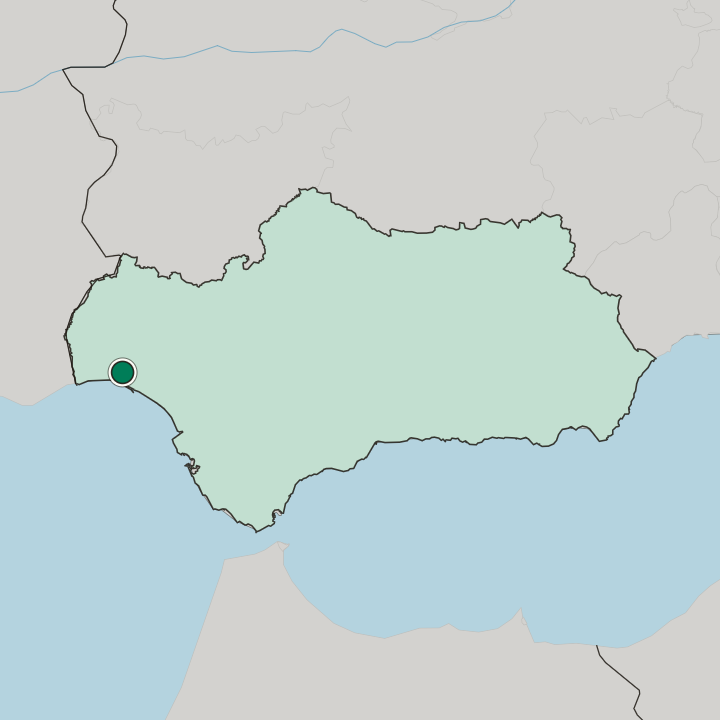
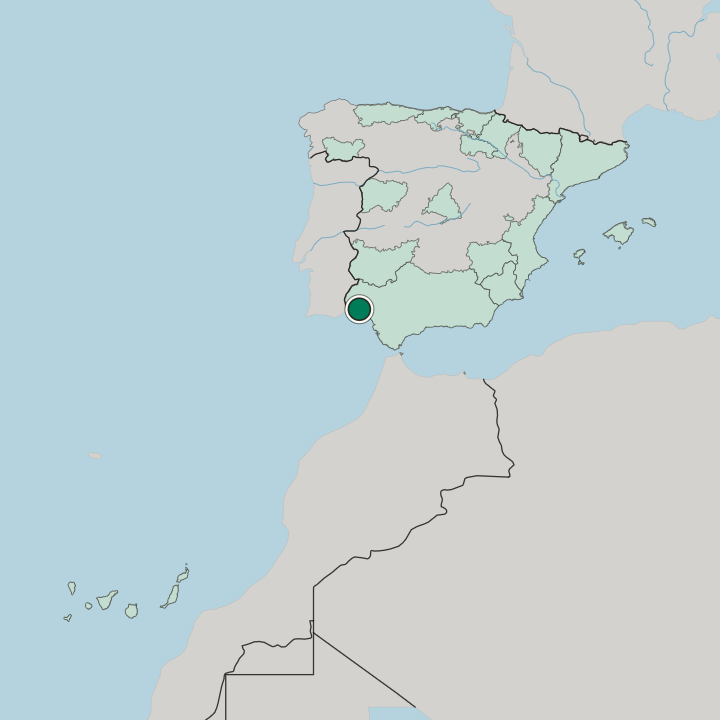
Huelva is the capital of its province, between the Odiel and Tinto estuaries on the Gulf of Cádiz coast of Andalusia.
Hotel links are affiliate links: booking through them may earn us a commission, at no extra cost to you. It never affects how places are ranked. How this works


Where to stay in Huelva
Where visitors usually base themselves, and why.
The estuary sets the frame. Huelva stands between the Odiel and the Tinto with the Gulf of Cádiz beyond, and the water decides how a stay is organised, a bed near the Muelle de Rio Tinto puts the historic pier and the waterfront at the end of the street. The centre answers with museums.
The Museum of Huelva, the Iglesia de Nuestra Señora Estrella del Mar and Casa Antonio Guijarro belong to the built-up core, which is the right base for anyone whose days are spent on Columbus sites and collections rather than on the shoreline. Parque Moret marks the green edge. Rooms on that side trade an estuary view for open ground, and the park gives the one obvious place to walk that is not the waterfront.
The province spreads the rest of the choice. Huelva is its capital, so beds here serve trips out to the wider province as readily as they serve the Necrópolis de La Joya and the Roman ruins on Calle Plácido Bañuelos inside the city. Columbus is the reason many come, and the sites tied to him are the fixed points a stay is planned around.
Find hotels in Huelva
Direct booking searches for these neighbourhoods.
The Muelle de Rio Tinto waterfront
The historic pier over the estuary is the one address in Huelva that puts the Odiel and Tinto water directly at the door.Find hotels in The Muelle de Rio Tinto waterfrontDays at the Museum of Huelva and the Columbus sitesThe museum core
The Museum of Huelva, the Iglesia de Nuestra Señora Estrella del Mar and Casa Antonio Guijarro sit in the built-up core, which keeps the sightseeing on foot.Find hotels in The museum coreMornings in Parque Moret away from the estuaryParque Moret and the green edge
Parque Moret gives the city its walking ground away from the water, and beds around it trade the pier view for quiet. Rooms are few around here — worth securing early.Find hotels in Parque Moret and the green edgeHotel links are affiliate links: booking through them may earn us a commission, at no extra cost to you. It never affects how places are ranked. How this works
Things to do in Huelva
Ranked by global recognition; descriptions from Wikidata (CC0).
Museums & Galleries
1- Museum of Huelva Heritage
Churches & Religious Sites
1- Iglesia de Nuestra Señora Estrella del Mar Heritage
Castles & Historic Sites
3- Parque Moret Heritage
- Castillo (Huelva) Heritage
- Necrópolis de La Joya
Stadiums & Sports
1- Palacio de Deportes de Huelva
Landmarks & Notable Places
1- Casa Antonio Guijarro
worth knowingacross 5 categories in Huelva
About Huelva
Columbus gives Huelva its pull.
What is Huelva known for?
Sites connected to Christopher Columbus draw most of the visitors, and the Muelle de Rio Tinto, the city's historic pier, stands as the other name people arrive knowing. The Museum of Huelva holds the collections, and the Necrópolis de La Joya the archaeological end of it. Two rivers do the rest.
The Odiel and the Tinto form the estuary the city sits between, and it opens into the Gulf of Cádiz, which is why the water is in every account of the place.
What are the main landmarks in Huelva?
Eight names carry the register. Necrópolis de La Joya and the Roman ruins recorded on Calle Plácido Bañuelos take the excavated end, while the Castillo, the Museum of Huelva and Casa Antonio Guijarro carry the built and collected sides between them. Iglesia de Nuestra Señora Estrella del Mar is the church on the list.
Parque Moret and the Palacio de Deportes de Huelva close it. The Muelle de Rio Tinto stands apart from all of them, the historic pier the city is known for.
What is the history of Huelva?
The ground here was used early. Necrópolis de La Joya is a burial site on the municipal register, and the Roman ruins recorded on Calle Plácido Bañuelos put another period of occupation on the same estuary ground between the Odiel and the Tinto. Huelva's own start date went unrecorded.
The city's sequence has to be read from the estuary, from what excavation has turned up, and from the Museum of Huelva, which is where that material is gathered. The oldest evidence is underground. Columbus changed what the city is known for.
Historical sites connected to Christopher Columbus are the reason many visitors come at all, and they give Huelva a place in a story that reaches well beyond the Gulf of Cádiz. The Muelle de Rio Tinto belongs to a different chapter. The pier takes its name from the Tinto, and it is listed among the historical sites that bring visitors to the estuary.
Also on the register: the Castillo, the Iglesia de Nuestra Señora Estrella del Mar and Casa Antonio Guijarro. Parque Moret and the Palacio de Deportes de Huelva sit at the other end of that register.
Where is Huelva?
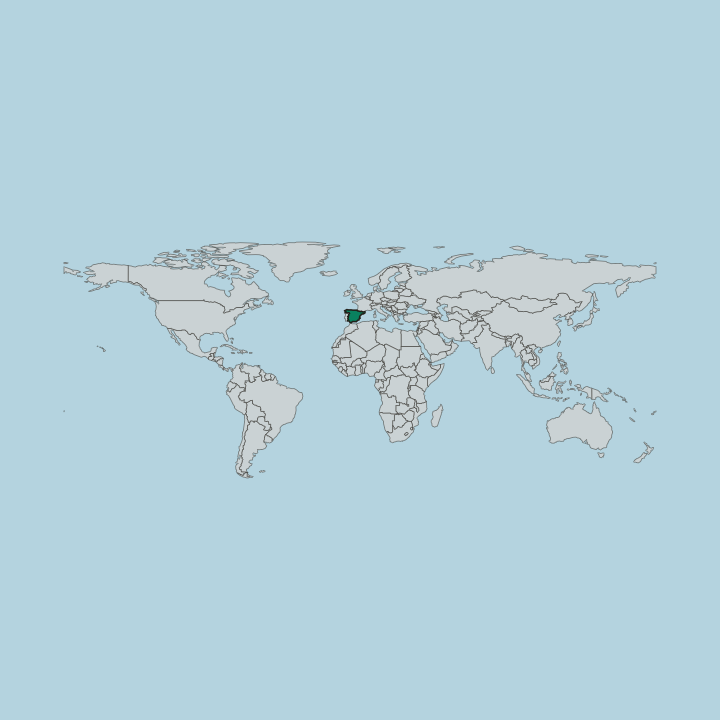
Two rivers define the site. Huelva sits between the estuaries of the Odiel and the Tinto on the Atlantic coast of the Gulf of Cádiz, which makes water rather than relief the thing that shapes the city. The coast is ocean-exposed.
Parque Moret gives the built-up area its open ground, and the province of Huelva spreads out around the city with Andalusia the wider frame.
What is the climate of Huelva?
The Atlantic runs this climate. Open ocean exposure on the Gulf of Cádiz keeps the temperate band recorded here from hardening in either direction, and the estuary of the Odiel carries that same maritime air inland past the built-up streets. Sea air pushes up the Odiel.
A walk out along the Muelle de Rio Tinto is exposed in a way that the streets around the Museum of Huelva are not.
How do you get to Huelva?
The estuary shapes the approach. Roads into Huelva have to work around the Odiel and the Tinto, since the city sits between their estuaries and the Gulf of Cádiz closes the seaward side. It is the provincial capital.
That status puts the province's connections through Huelva rather than past it, and the Muelle de Rio Tinto still marks the city's edge on the water.
Common questions
What is the best area to stay in Huelva?
The Muelle de Rio Tinto waterfront: Walking out onto the Muelle de Rio Tinto at the end of the day. The museum core: Days at the Museum of Huelva and the Columbus sites. Parque Moret and the green edge: Mornings in Parque Moret away from the estuary.
Good for
More cities in Andalusia
Updated October 2026