Spain · Andalusia
Where to Stay in Chiclana de la Frontera, Andalusia
Chiclana de la Frontera, founded in 1303, stands south-east of Cádiz behind the six kilometres of sand that make up Playa de la Barrosa.
Hotel links are affiliate links: booking through them may earn us a commission, at no extra cost to you. It never affects how places are ranked. How this works


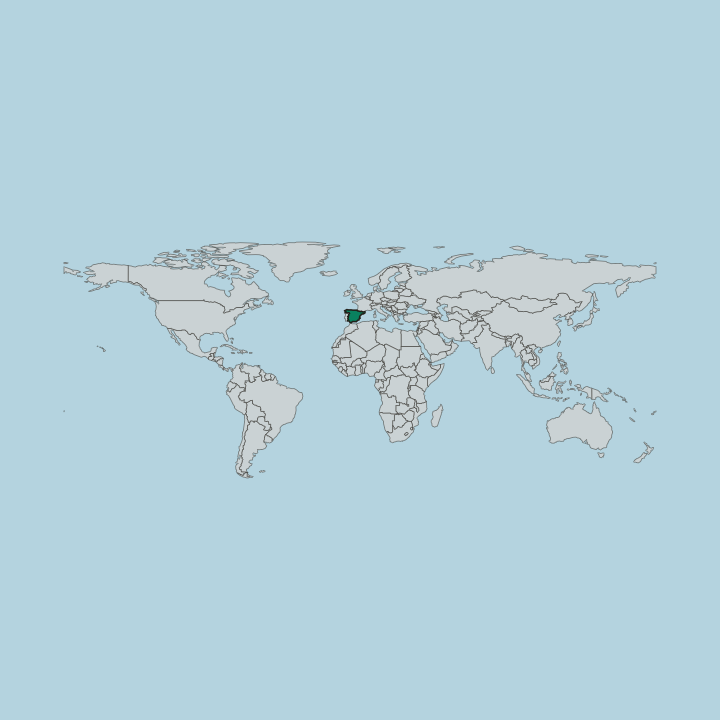
Where to stay in Chiclana de la Frontera
Where visitors usually base themselves, and why.
Few places on this coast offer as much choice. The municipality holds more hotel beds than anywhere else in the province of Cádiz or along the Costa de la Luz, which means the question is not whether a room exists but which of three very different parts of Chiclana de la Frontera it stands in. Novo Sancti Petri is the resort answer.
Golf courses and purpose-built hotels fill that ground, and a stay there is organised around the coast rather than around the town. Playa de la Barrosa gives the second option. Six kilometres of sand back onto apartment blocks and beach hotels, so a room on that frontage puts the water within a few minutes and the old streets out of easy walking range, which suits a family week better than a short visit.
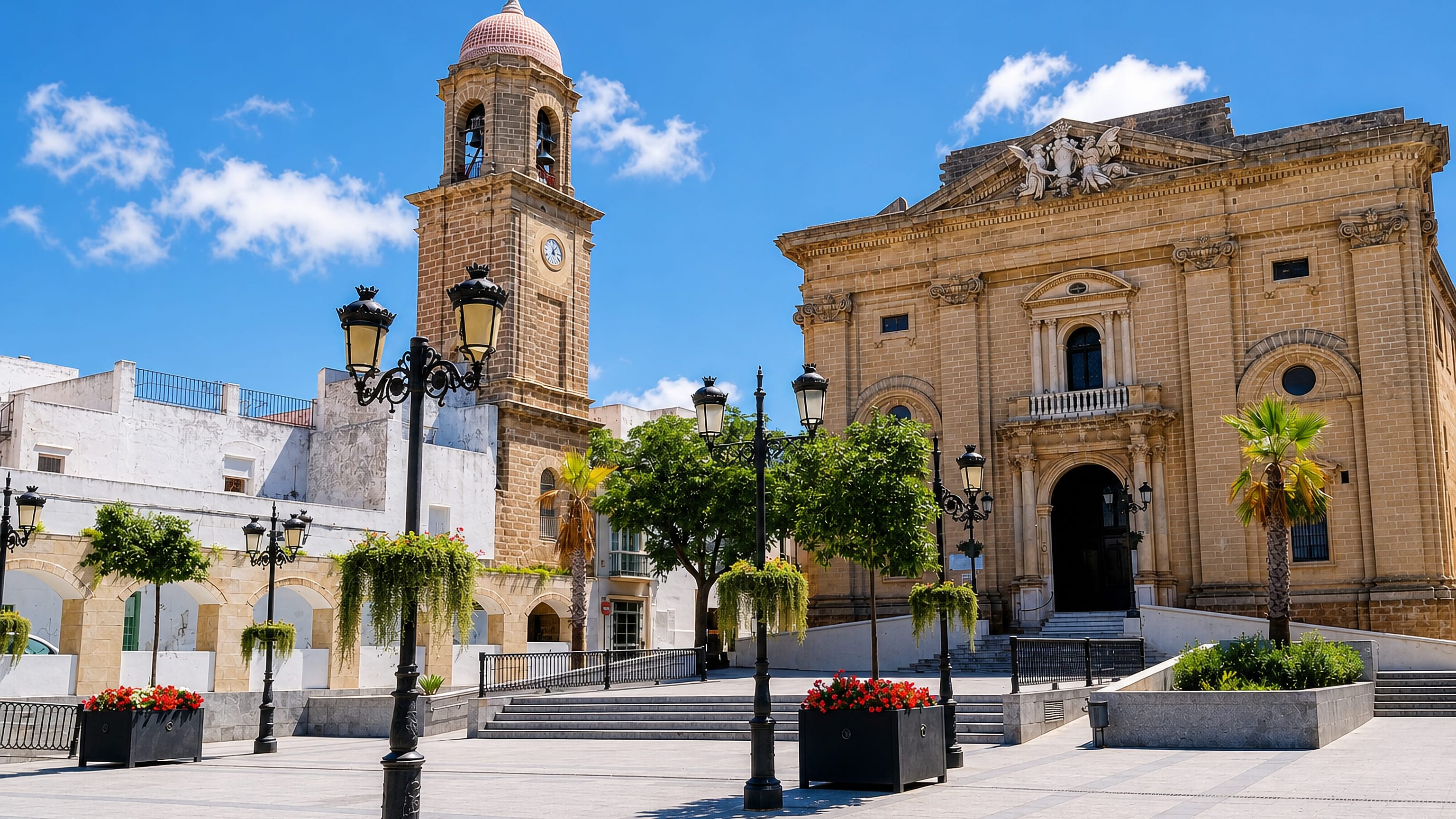
Distance matters more than it looks. The town centre around Iglesia de San Juan Bautista and the Torre del Reloj del antiguo Cabildo is the third choice, cheaper and quieter, close to Museo de Chiclana and the Convento de Jesús Nazareno, and reliant on a car or a bus for the sand.
Find hotels in Chiclana de la Frontera
Direct booking searches for these neighbourhoods.
Novo Sancti Petri
Novo Sancti Petri holds the courses and the largest share of the municipality's hotel rooms.Find hotels in Novo Sancti PetriFamily weeks with six kilometres of sand outside the doorPlaya de la Barrosa
The Barrosa frontage is the stretch of the Costa de la Luz that turned this municipality into a resort.Find hotels in Playa de la BarrosaCheaper nights near the Torre del Reloj del antiguo CabildoThe town centre
Iglesia de San Juan Bautista and Museo de Chiclana anchor the streets that existed long before the beach hotels.Find hotels in The town centreHotel links are affiliate links: booking through them may earn us a commission, at no extra cost to you. It never affects how places are ranked. How this works
Things to do in Chiclana de la Frontera
Ranked by global recognition; descriptions from Wikidata (CC0).
Museums & Galleries
2- Museo de Chiclana
- Museo Municipal Taurino Francisco Montes
Churches & Religious Sites
3- Iglesia de San Juan Bautista Heritage
- Convento de Jesús Nazareno
- church of the Holy Trinity
Castles & Historic Sites
2- El Fontanar I
- La Esparragosa
Landmarks & Notable Places
2- Torre del Reloj del antiguo Cabildo Heritage
- Casa de D. Carlos Prasenti
worth knowingacross 4 categories in Chiclana de la Frontera
About Chiclana de la Frontera
Salt and sand both pay here.
What is Chiclana de la Frontera known for?
Playa de la Barrosa runs six kilometres along the Costa de la Luz and the resort ground at Novo Sancti Petri carries the golf courses, while salt processing keeps the older industry working and the wine and salt interpretation center sets out how the two trades were learned. The old streets lie inland of all that. Museo de Chiclana and the Marín Dolls Museum-Factory hold what the town made before the beaches drew anyone.
What are the main landmarks in Chiclana de la Frontera?
Iglesia de San Juan Bautista is the building the town is read by. The Torre del Reloj del antiguo Cabildo stands over what was once the council's own house, the Convento de Jesús Nazareno and the church of the Holy Trinity carry the religious fabric, and the Casa de D. Carlos Prasenti belongs to the domestic architecture of the same centre. Three museums split the rest.
Museo de Chiclana, the Marín Dolls Museum-Factory and the Museo Municipal Taurino Francisco Montes cover the town, its doll-making and its bullfighting past, with the wine and salt interpretation center and the sites at La Esparragosa and El Fontanar I outside them.
What is the history of Chiclana de la Frontera?
The founding year is 1303. Two of the town's neighbours carry the same words in their names, Jerez de la Frontera among the bay municipalities and Conil de la Frontera on its southern border, which places Chiclana de la Frontera in a line of settlements that were named for a border rather than for a saint or a river. Iglesia de San Juan Bautista came later.
The Torre del Reloj del antiguo Cabildo marks where the council once sat, the Convento de Jesús Nazareno and the church of the Holy Trinity belong to the same centuries of building, and the Casa de D. Carlos Prasenti shows what a prosperous household in that centre looked like. Salt and wine paid the bills for a long time. Both trades have their own account in the wine and salt interpretation center, and the flats worked for salt still lie between the built-up ground and the water.
The town grew many times over between the nineteenth century and the twenty-first. Doll-making left the Marín Dolls Museum-Factory, bullfighting left the Museo Municipal Taurino Francisco Montes and the name of Francisco Montes with it, and the beaches of the Costa de la Luz did the rest, filling Novo Sancti Petri and the ground behind Playa de la Barrosa with hotels. Museo de Chiclana keeps the earlier version on record.
Where is Chiclana de la Frontera?
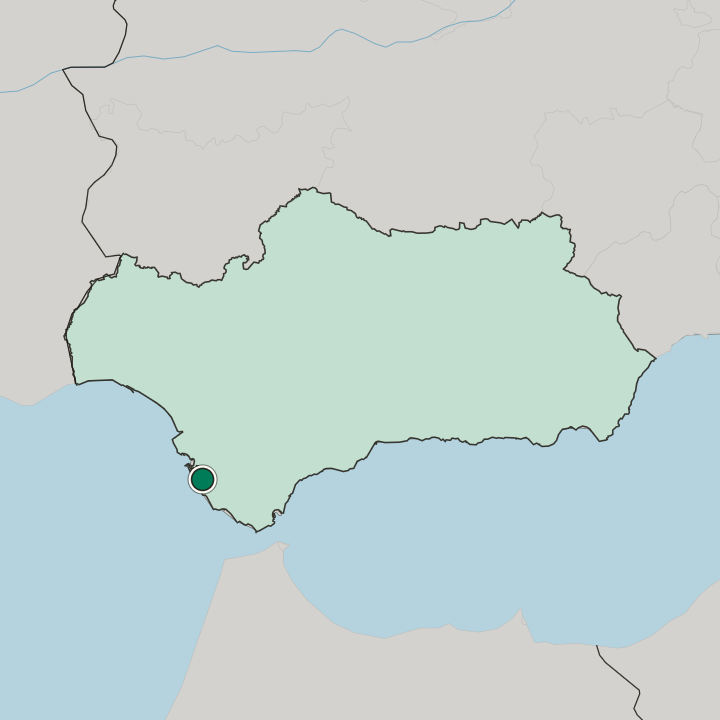
The ground here barely rises. Average elevation across the municipality runs to about eleven metres above the sea, so the land between the town and the Gulf of Cádiz is a flat sheet of marsh, salt flat and dune that ends at Playa de la Barrosa. San Fernando and Puerto Real border it northward.
Conil de la Frontera takes over southward, and Cádiz itself lies twenty kilometres to the north-west across the water of its own bay.
What is the climate of Chiclana de la Frontera?
Nothing here breaks the wind. Flat ground open to the Gulf of Cádiz lets whatever crosses the water reach the town unaltered, and the same exposure is what made the salt flats workable long before it made the beaches marketable. The sea holds the swings down.
Air off the Costa de la Luz keeps the temperate band this coast lies in from moving far in either direction across a year.
How do you get to Chiclana de la Frontera?
Roads come down from the bay. The approach passes San Fernando and Puerto Real before it reaches Chiclana de la Frontera, twenty kilometres south-east of Cádiz, and the same route continues to Conil de la Frontera further along the coast. Jerez de la Frontera belongs to the same group.
The town belongs to the association of municipalities around the Bay of Cádiz, which ranks third in Andalusia behind Seville and Málaga, so buses between its members are a normal way to move.
Common questions
What is the best area to stay in Chiclana de la Frontera?
Novo Sancti Petri: Golf weeks inside a purpose-built resort. Playa de la Barrosa: Family weeks with six kilometres of sand outside the door. The town centre: Cheaper nights near the Torre del Reloj del antiguo Cabildo.
Good for
More cities in Andalusia
Updated October 2026