Spain · Andalusia
Where to Stay in San Fernando, Andalusia
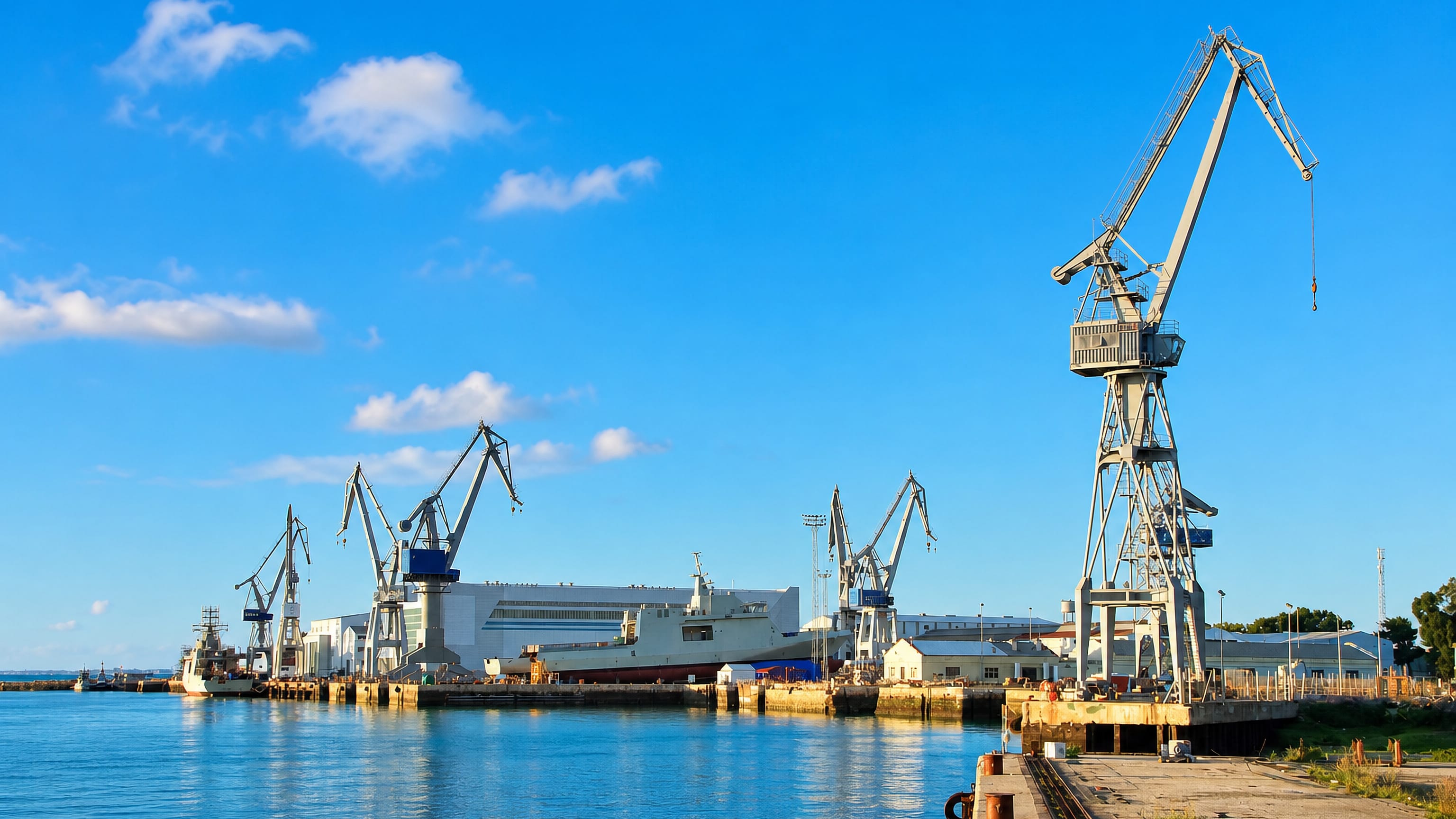
San Fernando, the town in the province of Cádiz that answers to La Isla, keeps the Arsenal de la Carraca and the Panteón de Marinos Ilustres.
Hotel links are affiliate links: booking through them may earn us a commission, at no extra cost to you. It never affects how places are ranked. How this works


Where to stay in San Fernando
How the choice of base plays out on the ground.
Two poles split the choice. Castillo de San Romualdo and the Iglesia de la Divina Pastora hold the older streets, and a room between them puts the Museo Histórico Municipal de San Fernando, the Convento del Carmen and the Patio Cambiazo inside one unhurried walk. That is the first-timer's ground.
Sound carries between the facades there, so light sleepers pay for the convenience. La Carraca is the other pole. The Arsenal de la Carraca and the Careneros Reales gave that edge of the town its shipyard geometry of long sheds and open basins, and beds near it suit visitors who came for the Museo Naval de San Fernando rather than for shopping.
Capitanía General de San Fernando faces the same water. Out past the Casa Salinera de la Soledad the ground opens into salt flats, which is where drivers find parking, larger rooms and a longer approach back in past the monument of the Three Marinas. Cañaíllas call the whole place La Isla.
Distance from the Iglesia de la Divina Pastora is the variable that matters, and each of these three areas trades a few minutes of walking for space, quiet or a view of working water.
Find hotels in San Fernando
Direct booking searches for these neighbourhoods.
Between Castillo de San Romualdo and the Divina Pastora
Castillo de San Romualdo and the Iglesia de la Divina Pastora sit a walk apart, with the Museo Histórico Municipal de San Fernando and the Patio Cambiazo between them.Find hotels in Between Castillo de San Romualdo and the Divina PastoraGuests here for the naval yards and their museumThe La Carraca shipyard edge
The Arsenal de la Carraca and the Careneros Reales set the geometry of this edge, and the Museo Naval de San Fernando is the reason most bookings land here.Find hotels in The La Carraca shipyard edgeDrivers taking parking over a short walkThe salt flats by Casa Salinera de la Soledad
The Casa Salinera de la Soledad marks the salt ground, and the way back into town runs past the monument of the Three Marinas.Find hotels in The salt flats by Casa Salinera de la SoledadHotel links are affiliate links: booking through them may earn us a commission, at no extra cost to you. It never affects how places are ranked. How this works
Things to do in San Fernando
Ranked by global recognition; descriptions from Wikidata (CC0).
Museums & Galleries
3- Panteón de Marinos Ilustres, San Fernando (Cadiz)
- Museo Naval de San Fernando
- Museo Histórico Municipal de San Fernando
Churches & Religious Sites
3- Arsenal de la Carraca
- Iglesia de la Divina Pastora
- Convento del Carmen
Castles & Historic Sites
4- Castillo de San Romualdo Heritage
- Careneros Reales Heritage
- La Carraca Heritage
- Patio Cambiazo Heritage
Landmarks & Notable Places
3- Casa Salinera de la Soledad
- Casa del General Mazarredo
- San Fernando Mediumwave Transmitter
worth knowingacross 4 categories in San Fernando
About San Fernando
The navy shaped this town.
What is San Fernando known for?
Arsenal de la Carraca, the Careneros Reales and the Capitanía General de San Fernando give it a working waterfront, while the Panteón de Marinos Ilustres and the Museo Naval de San Fernando keep the record of it. Flamenco is the second claim. Camarón de la Isla came from these streets, and the Casa Natal de Camarón de la Isla stands a short walk from the Centro de Interpretación Camarón de La Isla.
What are the main landmarks in San Fernando?
Castillo de San Romualdo anchors the older quarter. Around it stand the Iglesia de la Divina Pastora, the Convento del Carmen, the Patio Cambiazo and the Casa del General Mazarredo, while the necrópolis de Campo de Hockey is a burial site rather than a building. The navy owns the rest.
Arsenal de la Carraca, La Carraca, the Careneros Reales, the Capitanía General de San Fernando and the Panteón de Marinos Ilustres line the water, and two museums divide the collections. Unicornio alado is the odd one out.
What is the history of San Fernando?
Buildings carry San Fernando's history where documents do not. No founding year survives, so the past has to be read off what stands: the necrópolis de Campo de Hockey as burial ground, Castillo de San Romualdo as fortification, the Convento del Carmen and the Iglesia de la Divina Pastora as the religious houses of a settled place. Patio Cambiazo belongs to that older fabric.
The Casa del General Mazarredo carries a naval officer's name into the domestic streets, and the navy is the thread running through nearly everything that came after it. The yards changed the scale. Arsenal de la Carraca and the adjoining La Carraca gave the town a dockyard, the Careneros Reales gave it careening basins, and the Capitanía General de San Fernando gave it the command that ran both.
Panteón de Marinos Ilustres is the memorial side of that story. Two museums hold what survives on paper, the Museo Naval de San Fernando for the fleet and the Museo Histórico Municipal de San Fernando for the town itself. One voice outlasts the ships.
Camarón de la Isla came from these streets, and both the Casa Natal de Camarón de la Isla and the Centro de Interpretación Camarón de La Isla keep his name attached to the place his neighbours call La Isla, where people go by Cañaíllas or Isleños.
Where is San Fernando?
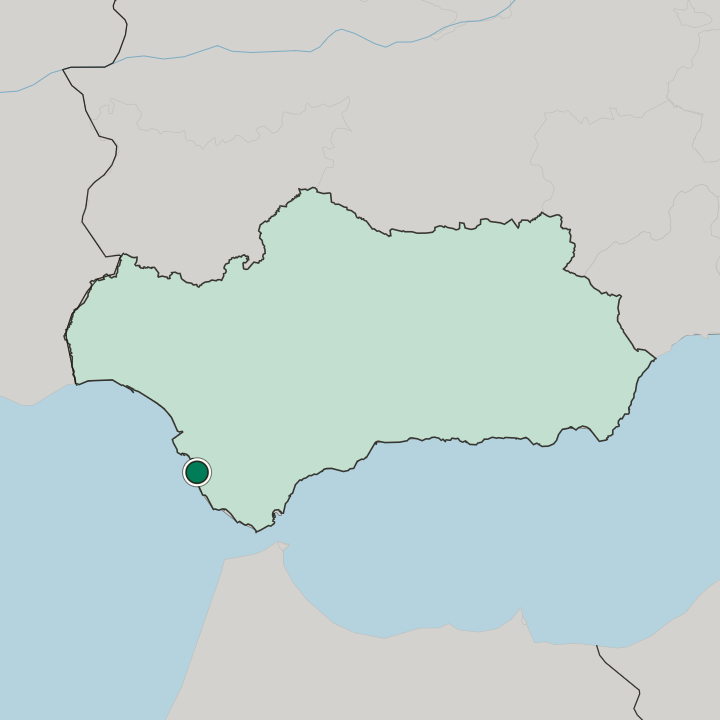
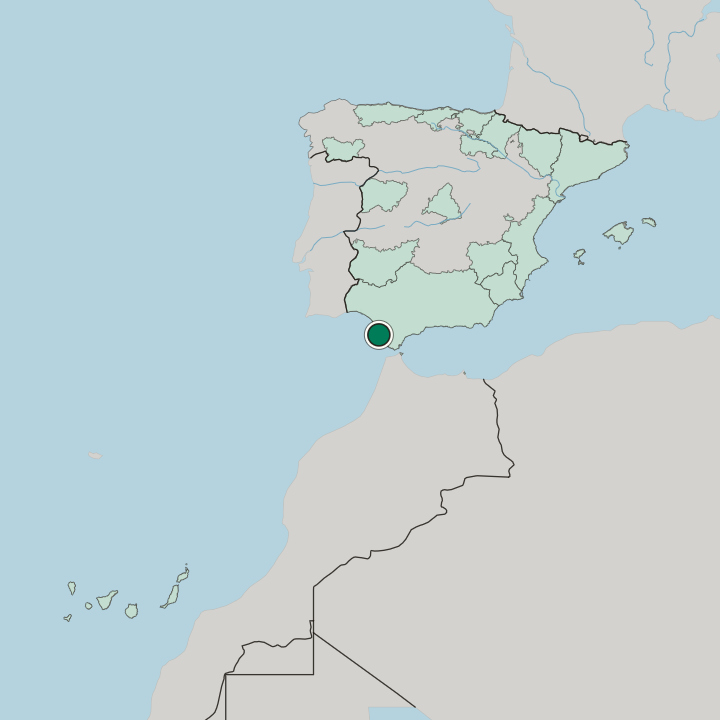
The nickname is the geography. San Fernando answers to La Isla, and the flat salt-worked ground that the Casa Salinera de la Soledad was built to work runs out to the basins at La Carraca without a rise worth naming between them. The province of Cádiz holds it.
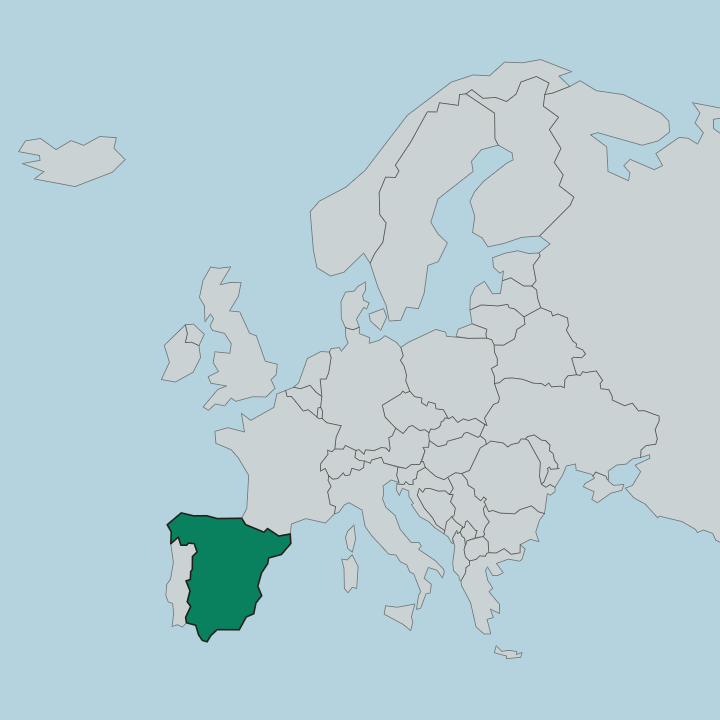
Andalusia is the wider frame, and the municipality is small enough that the necrópolis de Campo de Hockey, the Arsenal de la Carraca and Castillo de San Romualdo all fall within a few kilometres of one another.
What is the climate of San Fernando?
Open ground decides the weather. Nothing tall stands between the salt flats around the Casa Salinera de la Soledad and the basins of La Carraca, so wind crosses the whole municipality at one strength and an afternoon on the Careneros Reales feels rawer than the same hour a few streets inland. The temperate band sets the range.
Both ends of the year stay inside it, which is why the yards and the streets around the Iglesia de la Divina Pastora keep much the same rhythm from one season to the next.
How do you get to San Fernando?
Water was the first approach. Arsenal de la Carraca and the Careneros Reales were laid out for vessels to come alongside, and that channel is the reason the yards stand where they do rather than on higher ground. Land routes arrive through the province of Cádiz.
Once inside, distances collapse: Castillo de San Romualdo, the Museo Naval de San Fernando and the Iglesia de la Divina Pastora sit within one walk, and the Capitanía General de San Fernando is on the same short axis.
Common questions
What is the best area to stay in San Fernando?
Between Castillo de San Romualdo and the Divina Pastora: A first stay inside the older streets of La Isla. The La Carraca shipyard edge: Guests here for the naval yards and their museum. The salt flats by Casa Salinera de la Soledad: Drivers taking parking over a short walk.
Good for
More cities in Andalusia
Updated October 2026