Spain · Andalusia
Where to Stay in Sanlúcar de Barrameda, Andalusia
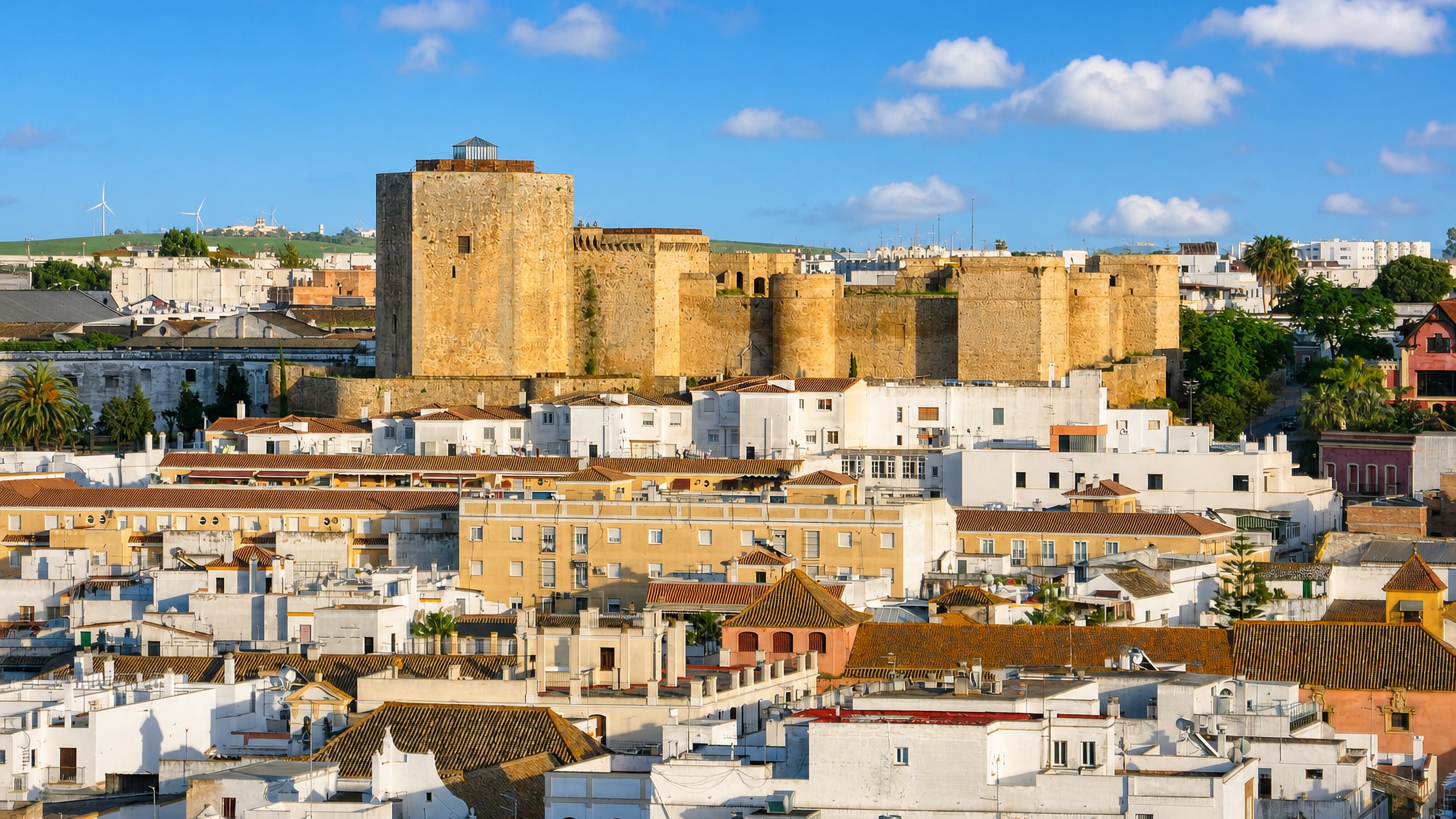
Sanlúcar de Barrameda holds the left bank at the mouth of the Guadalquivir, opposite Doñana National Park, and gives manzanilla sherry its name.
Hotel links are affiliate links: booking through them may earn us a commission, at no extra cost to you. It never affects how places are ranked. How this works


Where to stay in Sanlúcar de Barrameda
The practical side of choosing where to sleep.
Castillo de Santiago sets the first choice. Rooms in the streets below it put the Iglesia de Nuestra Señora de la O, the Casa del Marqués de Casa Arizón and the Convento de Santa Teresa within a few minutes on foot, which is as compact as this town gets. Two forts carry names of their own, Fuerte de San Salvador and Fuerte Espíritu Santo.
Nights up there are quiet. The river edge is the other option. Beds near the Real Club Náutico and the Centro de Visitantes Fábrica de Hielo face the Guadalquivir and the Doñana National Park on the far bank, and the water traffic works from that side rather than from anywhere near the castle.
Wind off the Atlantic reaches these rooms first. Puerta de Rota marks an older way out of town, and the streets around it and the iglesia de San Jorge suit guests who would rather have a short walk to the Centro de Interpretación de la Manzanilla de Sanlúcar than to the sand. Parking is easier out here.
Sanlúcar rewards anyone who picks a side before booking, because the distance between the castle and the river frontage is longer on foot than a map makes it look.
Find hotels in Sanlúcar de Barrameda
Direct booking searches for these neighbourhoods.
The streets below Castillo de Santiago
Castillo de Santiago, the Iglesia de Nuestra Señora de la O and the Casa del Marqués de Casa Arizón stand within a few minutes of each other.Find hotels in The streets below Castillo de SantiagoRooms facing the Guadalquivir and the Doñana bankThe Real Club Náutico river frontage
The Real Club Náutico and the Centro de Visitantes Fábrica de Hielo hold the frontage that looks straight across at Doñana National Park.Find hotels in The Real Club Náutico river frontageArrivals by car aiming for the manzanilla cellarsAround Puerta de Rota
Puerta de Rota and the iglesia de San Jorge sit closer to the Centro de Interpretación de la Manzanilla de Sanlúcar than the beach does.Find hotels in Around Puerta de RotaHotel links are affiliate links: booking through them may earn us a commission, at no extra cost to you. It never affects how places are ranked. How this works
Things to do in Sanlúcar de Barrameda
Ranked by global recognition; descriptions from Wikidata (CC0).
Museums & Galleries
1- Centro Español del Jabón
Churches & Religious Sites
4- Iglesia de Nuestra Señora de la O Heritage
- Iglesia de Nuestra Señora de la Merced Heritage
- Iglesia de Nuestra Señora de los Desamparados Heritage
- Convento de Santa Teresa Heritage
Castles & Historic Sites
4- Castillo de Santiago Heritage
- Fuerte de San Salvador Heritage
- Fuerte Espíritu Santo Heritage
- Puerta de Rota Heritage
Landmarks & Notable Places
1- Casa del Marqués de Casa Arizón Heritage
worth knowingacross 4 categories in Sanlúcar de Barrameda
About Sanlúcar de Barrameda
Manzanilla is the local word.
What is Sanlúcar de Barrameda known for?
The Centro de Interpretación de la Manzanilla de Sanlúcar explains the sherry that this town shares with Jerez de la Frontera and El Puerto de Santa María in the group the three of them form as the sherry triangle. Horses race on the beach here, and flamenco music has carried the name of Sanlúcar de Barrameda a long way past the mouth of the Guadalquivir. Doñana National Park lies across the water.
What are the main landmarks in Sanlúcar de Barrameda?
Castillo de Santiago heads the list. Churches take much of the rest: the Iglesia de Nuestra Señora de la O, the iglesia de San Jorge, the Iglesia de Nuestra Señora de la Merced, the Iglesia de Nuestra Señora de los Desamparados and the Church of Nuestra Señora del Carmen. Fuerte Espíritu Santo, Fuerte de San Salvador and Puerta de Rota are the older military names, the Bunker Punta del Malandar a far later one, and the Hornos púnicos de Torre Alta older than either.
The Centro Español del Jabón is the outlier.
What is the history of Sanlúcar de Barrameda?
Punic kilns came first. The Hornos púnicos de Torre Alta are the oldest works the town keeps, and what follows them is largely a record of who held the mouth of the Guadalquivir and what they built in order to hold it. Castillo de Santiago answered that question in stone, and Puerta de Rota, the Fuerte Espíritu Santo and the Fuerte de San Salvador carried the same argument out toward the water.
Churches came with the garrison. Iglesia de Nuestra Señora de la O, iglesia de San Jorge, the Convento de Santa Teresa and the Iglesia de Nuestra Señora de la Merced date the growth of the place better than any single document. Trade wrote the next chapter.
The Casa del Marqués de Casa Arizón belongs to the merchant town, and the manzanilla that the Centro de Interpretación de la Manzanilla de Sanlúcar now explains tied Sanlúcar de Barrameda to Jerez de la Frontera and El Puerto de Santa María inside the sherry triangle. Another trade left the Centro Español del Jabón. Later layers sit on top of all of it: the Bunker Punta del Malandar out on the shore, the Centro de Visitantes Fábrica de Hielo in a former ice works, and the Monumento a las Víctimas de la Guerra Civil y el Franquismo en Sanlúcar de Barrameda in the town itself.
Where is Sanlúcar de Barrameda?
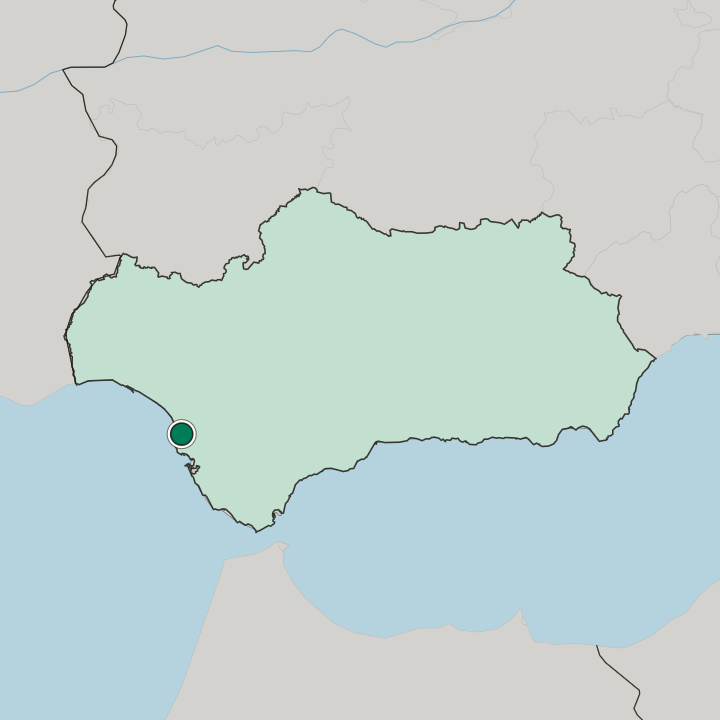
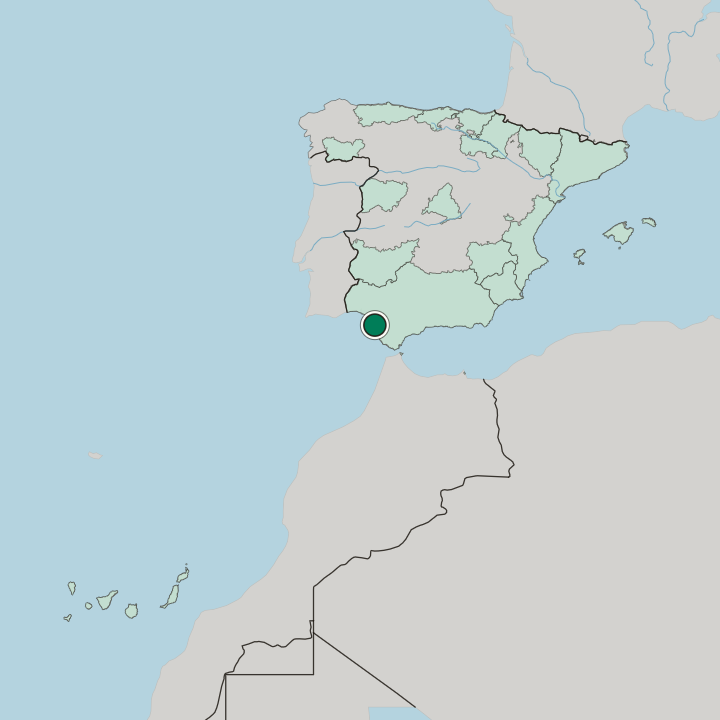
The Guadalquivir sets the boundary. Sanlúcar de Barrameda holds the left bank at the river's mouth, with the Atlantic open in front of it and Doñana National Park directly across the water on the far side. Cádiz lies 52 km off and Sevilla 119 km.
The municipality reaches well inland from that bank, in the northwest of the province of Cádiz, so the built-up town covers only a part of the ground it administers.
What is the climate of Sanlúcar de Barrameda?
The Atlantic runs the weather. Ocean air comes straight up the Guadalquivir with nothing between the Real Club Náutico and the Doñana National Park bank to slow it down, so an afternoon on the exposed shore is windier than the same hour in the lanes under Castillo de Santiago. Sanlúcar sits in the temperate band.
Open water on the doorstep keeps the extremes off.
How do you get to Sanlúcar de Barrameda?
Sanlúcar de Barrameda takes in most of its traffic by road. The drive in from Cádiz runs 52 km and the one from Sevilla 119 km, and both end in a town whose own streets, from Puerta de Rota up to Castillo de Santiago, are easier walked than driven. Water is the other way in.
The Doñana National Park side is reached across the Guadalquivir, and the frontage by the Real Club Náutico and the Centro de Visitantes Fábrica de Hielo is the edge that faces it.
Common questions
What is the best area to stay in Sanlúcar de Barrameda?
The streets below Castillo de Santiago: Guests who want the castle and the old churches on one walk. The Real Club Náutico river frontage: Rooms facing the Guadalquivir and the Doñana bank. Around Puerta de Rota: Arrivals by car aiming for the manzanilla cellars.
Good for
More cities in Andalusia
Updated October 2026