Spain
Ceuta, Spain — Towns & Travel Guide
Ceuta is a Spanish autonomous city on the North African coast, wrapped around Monte Hacho at the edge of the Strait of Gibraltar.
Hotel links are affiliate links: booking through them may earn us a commission, at no extra cost to you. It never affects how places are ranked. How this works


Towns & cities in Ceuta
One town here has its own guide — it links to where to stay.

 Spain
Spain
Ceuta
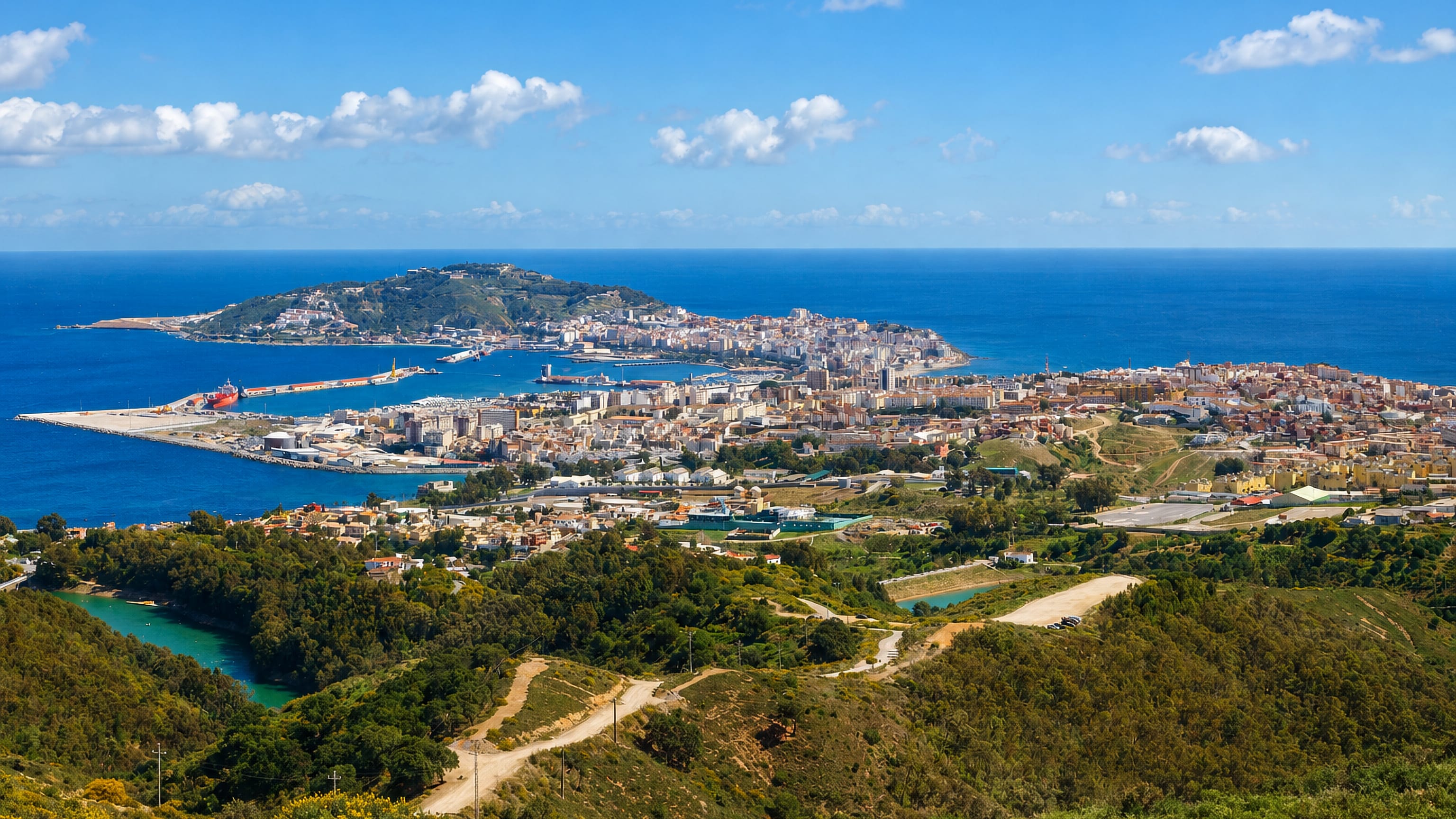
Two seas work the shore below the Marinid Walls of Ceuta, a Spanish autonomous city on the North African coast, bordered by Morocco.Where to stay →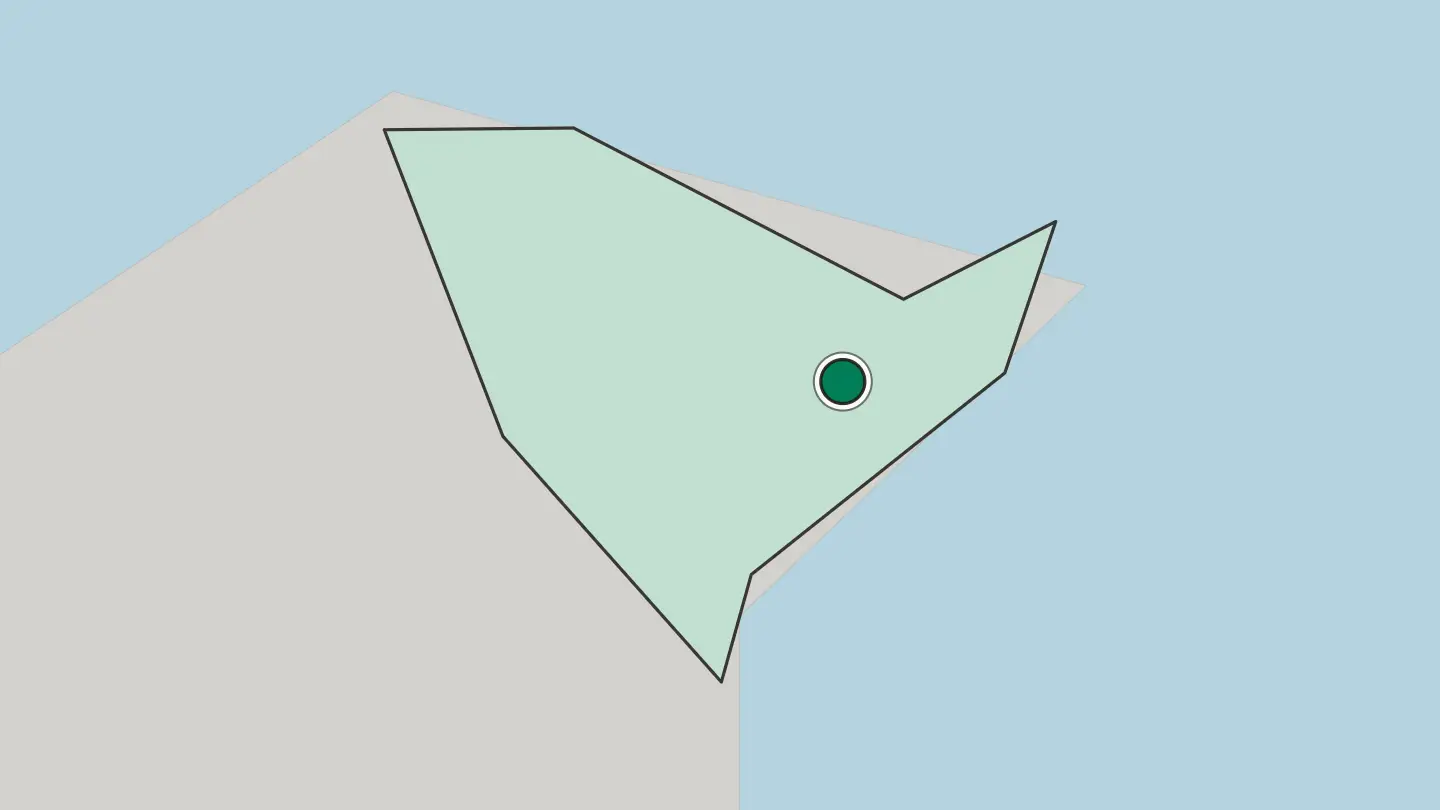
Hotel links are affiliate links: booking through them may earn us a commission, at no extra cost to you. It never affects how places are ranked. How this works
About Ceuta
Ceuta is Spain in Africa.
What is Ceuta known for?
This small autonomous city sits on the North African shore, separated from the province of Cádiz by the Strait of Gibraltar, and its only land border is the fence it shares with Morocco. It is known above all for its position, guarding the narrow water where the Mediterranean Sea gives onto the Atlantic Ocean. The old town crowds behind the seawater moat of the Royal Walls, and Monte Hacho rises green above the port at the tip of the Almina peninsula.
Where is Ceuta?
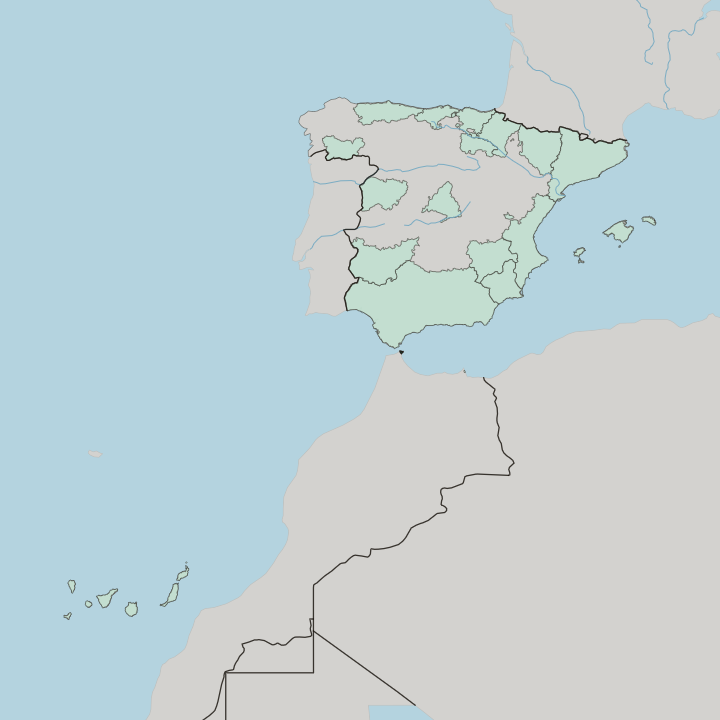
Ceuta sits on the far side of the Strait of Gibraltar, a piece of Spain on the North African coast rather than on the European mainland. The whole territory covers only about eighteen square kilometres. It hangs on a narrow neck of land between two masses of water, with the open Atlantic Ocean to the west and the Mediterranean Sea to the east.
That neck is the isthmus. Behind it the ground swells into the Almina peninsula, a rounded headland that ends at Monte Hacho, a wooded hill of some 204 metres that overlooks the port and the whole strait. Spain lies to the north across the water.
The nearest mainland port is Algeciras, in the province of Cádiz, a short crossing over the strait. In every other direction the land belongs to Morocco, which wraps around the city along a fenced border a few kilometres long. Monte Hacho stands opposite the Rock across the strait, and the two heights were taken by the ancients for the twin Pillars of Hercules that marked the end of the known world.
From its summit the Moroccan hills, the water and the Spanish shore beyond all come into a single view.
What is Ceuta like?
Two worlds share these few streets. Ceuta is a Spanish city in feel, with its plazas, its Andalusian facades and its Catholic feast days, yet close to half its people are Muslim and the sound of Darija Arabic carries through the markets alongside Spanish. Christians, Muslims, Jews and a small Hindu community have long lived side by side within the walls, and the city marks the festivals of each.
That mix runs through the food. Spanish and North African cooking meet on the same tables here. The built city reflects the same double inheritance.
Plaza de África, the old parade ground behind the walls, is ringed by the Cathedral of the Assumption and the Sanctuary of Our Lady of Africa, the patron the sailors carried into battle. Portuguese and Spanish soldiers raised those defences over four centuries of sieges. Everyday life is Spanish in rhythm, run to the same clock as the rest of the country, while the call to prayer and the Moroccan traders crossing at the border keep Africa always in the frame.
It is a genuinely mixed place. Neither half explains the city on its own.
What is the history of Ceuta?
This is old ground. The Phoenicians settled the Almina peninsula first, and Rome held the site as Septem Fratres, the seven brothers, for the low hills behind it. Arab, Berber and Portuguese rulers each took their turn.
Portugal seized the town in 1415, opening the age of European expansion along the African coast, and when the Portuguese and Spanish crowns split apart in 1640 Ceuta chose to stay with Spain. It has been Spanish ever since, holding out through the long Great Siege that the cathedral outlasted. In 1995 the old garrison town received its Statute of Autonomy and became an autonomous city in its own right.
What is the climate of Ceuta?
Ceuta has a mild Mediterranean climate. The strait works on it constantly, and the water on both sides keeps the extremes in check the year round. Winters stay soft and green, with the rain arriving between autumn and spring rather than in summer.
Summers turn warm but rarely fierce, cooler than the baking interior of southern Spain, because the sea breeze off the Strait of Gibraltar tempers the heat. The same wind that funnels through the gap can whip the crossing to Algeciras into a rough, grey hour.
How do you get to Ceuta?
Ceuta has no airport. Almost everyone arrives by sea, on the fast ferry that runs across the Strait of Gibraltar from Algeciras and reaches the port in about an hour. The other way in is the land border with Morocco, a busy crossing on foot or by car a few kilometres west of the centre.
A helicopter shuttle links the city to Málaga for those who skip the boat. Once ashore the whole territory is small enough to walk, from the ferry pier past the Royal Walls to the foot of Monte Hacho.
Common questions
What is the best area to stay in Ceuta?
The centre around Plaza de África: a first stay in Ceuta. The Almina seafront: a quieter base by the sea.
Good for
More regions in Spain
Updated September 2026