Finland · Lapland
Where to Stay in Muonio, Lapland
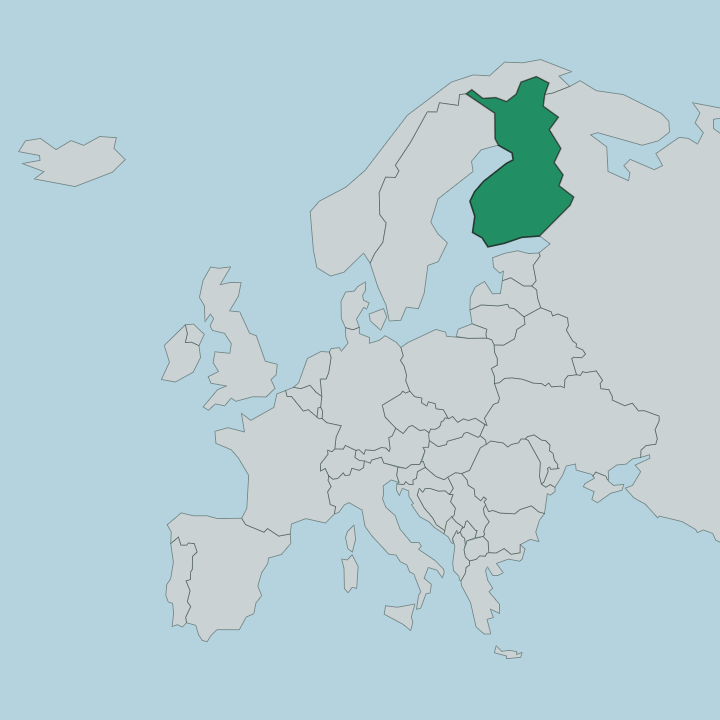
Muonio is a fell town in Lapland, in the Arctic north of Finland, on the Muonio River border with Sweden.
Find your area →


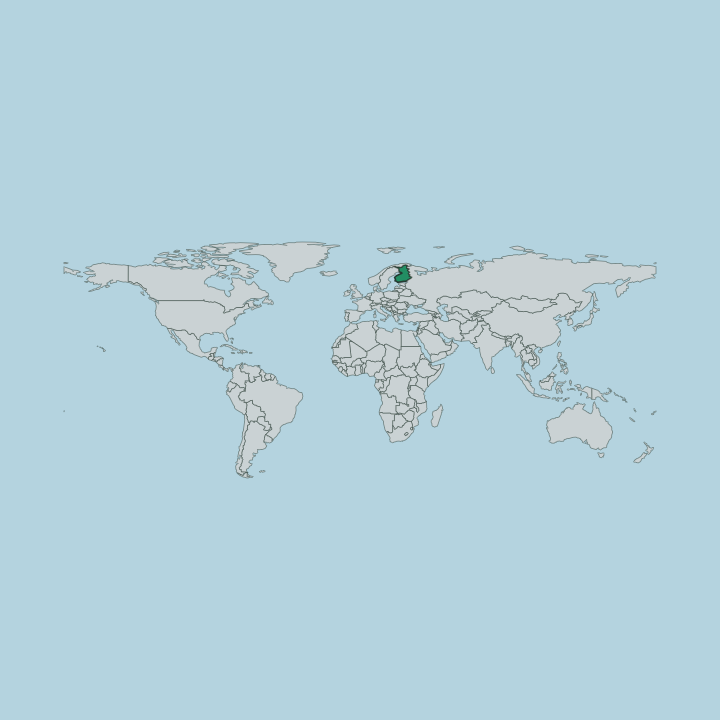
Where to stay in Muonio
The right area depends on your trip — here's what each neighbourhood is best for.
Muonio offers more beds than its size suggests, a fell town of Lapland whose tourism turns on the snow and the high ground of the Arctic north. The centre around the wooden Muonion kirkko suits visitors who want the town on foot, with shops, services and the bank of the Muonio River close by. It is the easiest base.
Up in the fells, at the old Hotel Pallas and the lodges around the Pallas-Yllästunturi National Park, ski and hiking accommodation stands among the peaks, while cabins spread through the forests and the outlying villages of Ylimuonio and Toras-Sieppi across the broad kunta. Stock peaks in the snow season. Visitors keen on the old life of the river often stay near the historic fishing huts of the Keimiöniemen kalakentät, and many travellers tour the fells by car, sleeping in cabins between the villages of this Arctic corner.
Book far ahead in winter, when the ski rooms by Pallas fill early.
About Muonio
What is Muonio known for?
Muonio is known as a fell town of Lapland, in the Arctic north of Finland, a base for the fells and forests of the far north. The Pallas-Yllästunturi National Park draws skiers and walkers to the high ground above the town. Fells pull travellers north.
Among those peaks the old Hotel Pallas, known simply as Pallas, has long stood, while the wooden Muonion kirkko marks the centre by the Muonio River that runs the border with Sweden.
What are the main landmarks in Muonio?
The fells of the Pallas-Yllästunturi National Park are the landmark that defines Muonio, the high Arctic ground above the town of Lapland. Among those peaks the old Hotel Pallas, known as Pallas, has stood for generations. The high north draws visitors.
Down by the water, the wooden Muonion kirkko marks the centre on the Muonio River, the Muonion kotiseutumuseo keeps the local heritage, and the historic fishing huts of the Keimiöniemen kalakentät preserve the old river life of this corner of the far north.
What is the history of Muonio?
Muonio's history is that of a river and fell parish of the Arctic north. Settlement gathered early along the Muonio River, the broad water that runs the border with Sweden, where fishing, reindeer and the old huts kept as the Keimiöniemen kalakentät made up the life of the people. The river fed the parish.
Villages such as Ylimuonio and Toras-Sieppi grew along the banks and the fells of this corner of Lapland through the long centuries before the modern town took shape. The parish came into its own in the nineteenth century. Muonio was chartered as its own municipality in 1868, its centre gathered around the wooden Muonion kirkko above the river, and the foresters' lodges of the crown spread through the great woods of the kunta.
Tourism followed the fells in the modern age. The old Hotel Pallas, the inn known as Pallas, rose among the peaks now kept within the Pallas-Yllästunturi National Park, drawing skiers and walkers to the high Arctic ground. Muonio settled into its role as a fell town of Lapland, its life still split between the river and the snow.
Where is Muonio?
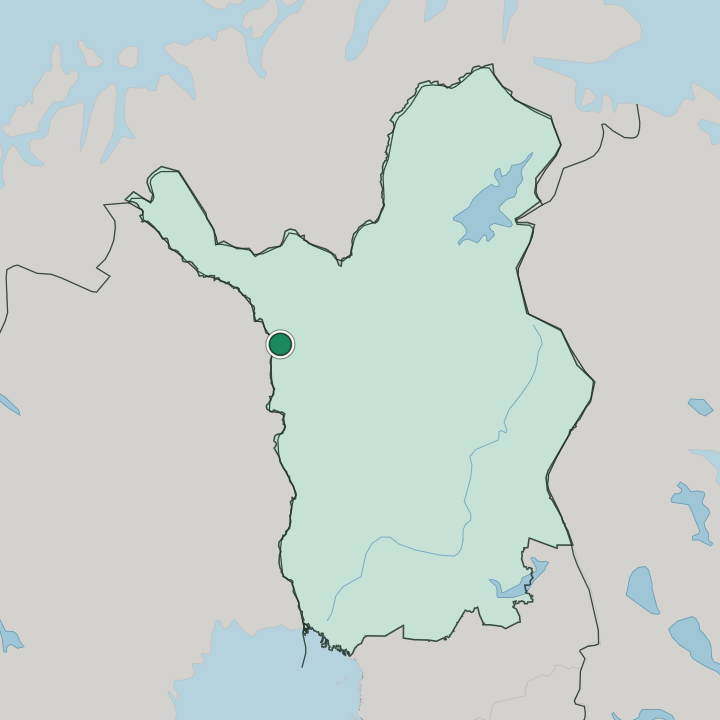
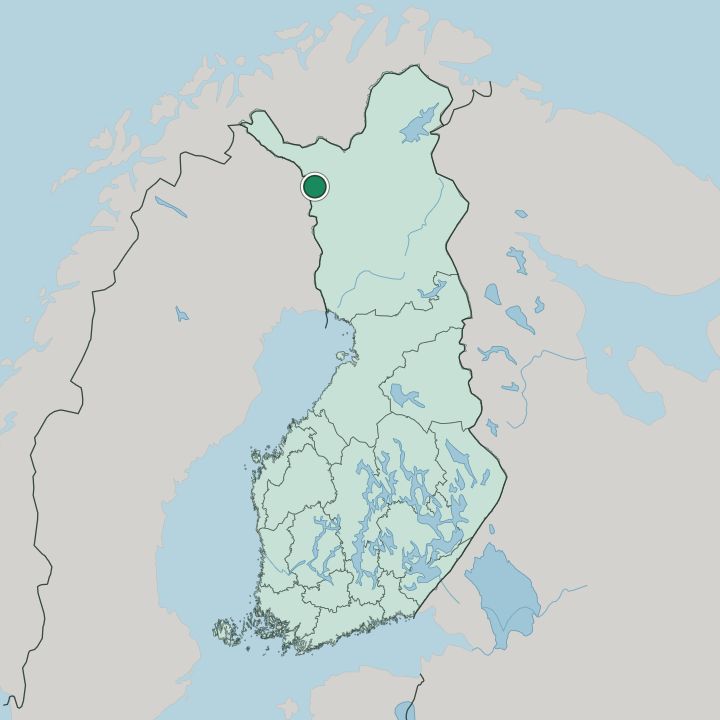
Muonio lies in the fell country of Lapland, in the Arctic north of Finland, strung along the Muonio River that runs the border with Sweden. Fells, forests and lakes fill the very broad kunta, the town gathered by the river while the high ground rises to the east. The fells dominate the land.
The peaks of the Pallas-Yllästunturi National Park stand above the town, the river villages of Ylimuonio and Toras-Sieppi lie along the water, and the Muonio River carries the boundary with Sweden through this far corner of the north.
What is the climate of Muonio?
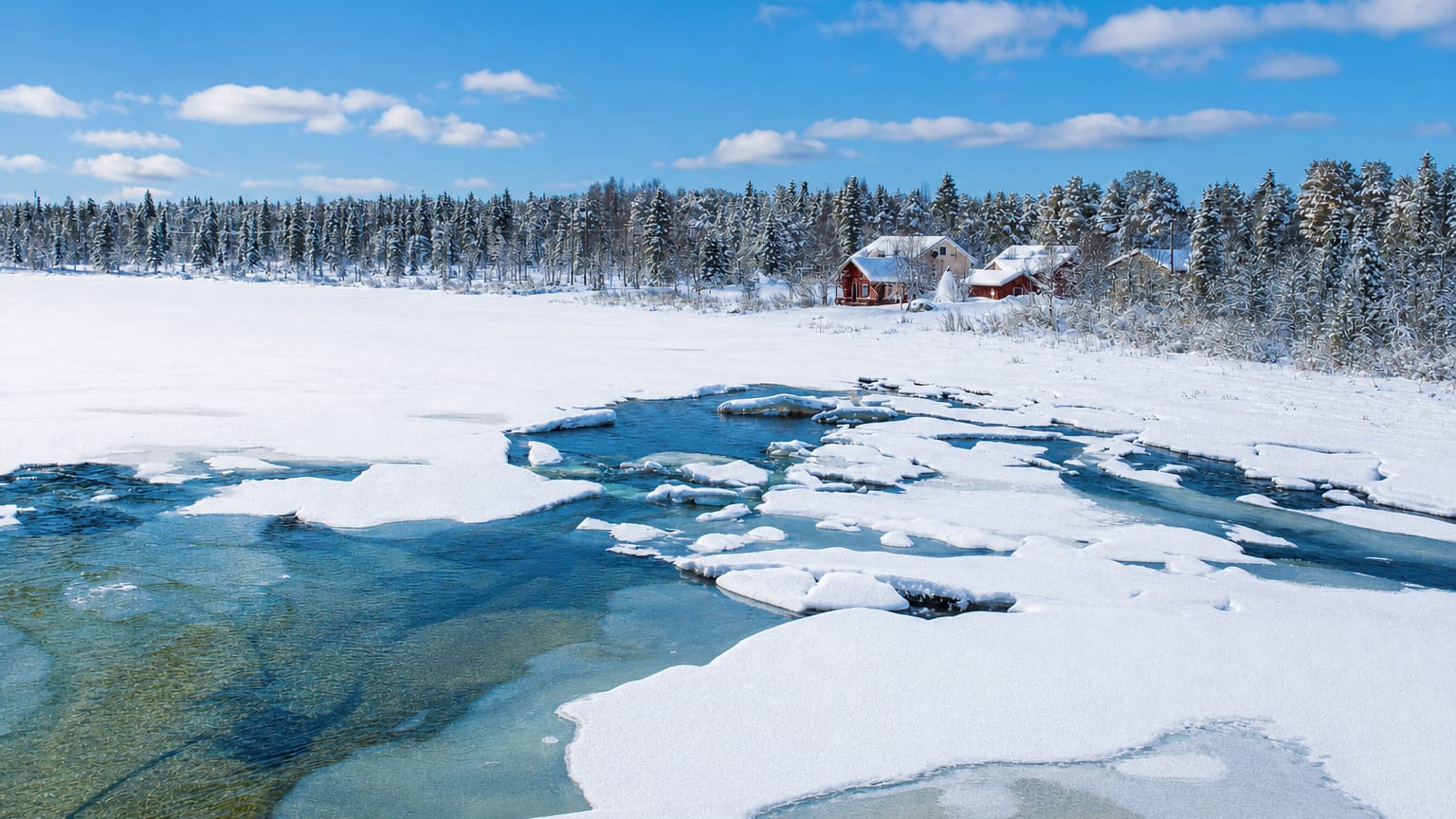
Muonio has a hard Arctic climate, set by the fells and the river of far northern Lapland above the Arctic Circle. Winters are long, dark and deeply snowy, the cold gripping the Muonio River and the fells from autumn until the late spring thaw, the season that fills the ski lodges. Arctic summers run short and bright.
The midnight sun lights the fells and forests through a brief, intense growing season around Muonio before the snow and the long polar dark return to the north.
How do you get to Muonio?
Muonio sits on the main road up the Muonio River valley, and the car is the usual way into this corner of Lapland. Travellers reach the town along the highway that runs north through the fells of the Arctic, a road bridge crossing the Muonio River to Sweden just south-west of the centre. No railway comes this far north.
Buses link the town to the larger centres of Lapland and the airports that serve the fells, and most visitors fly north before the last drive up to Muonio.
Good for
More cities in Lapland
Updated September 2026