United Kingdom · England
Where to Stay in Newcastle upon Tyne, England
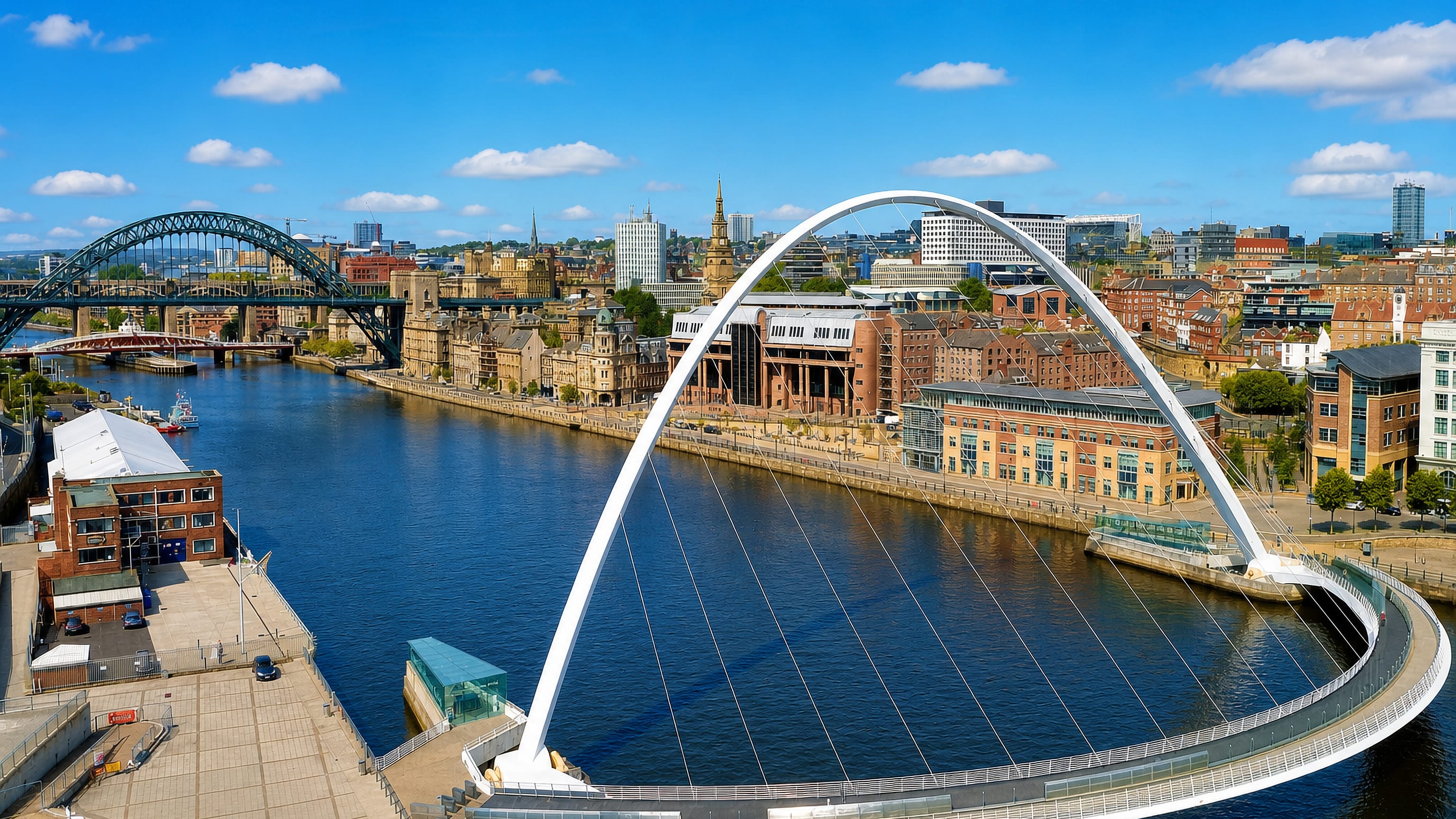
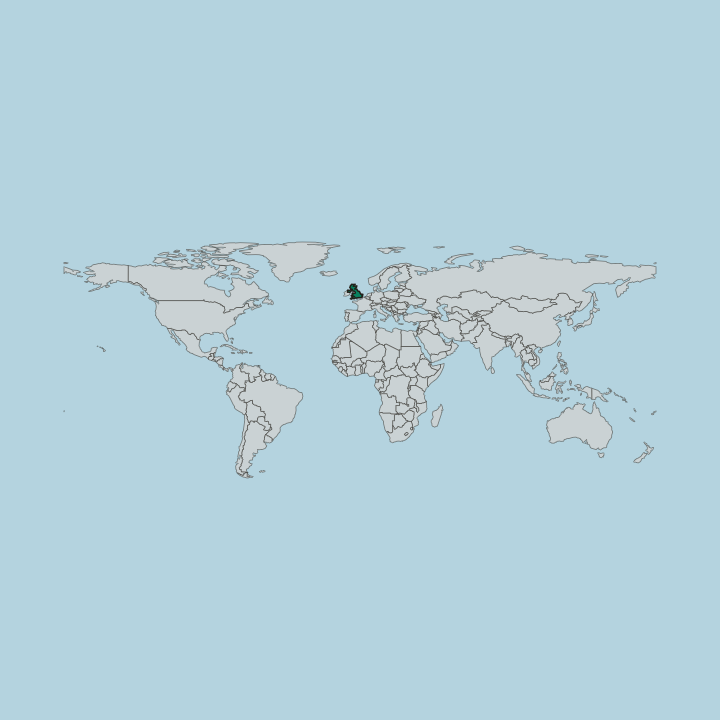
The River Tyne runs through Newcastle upon Tyne, England's northernmost city, an industrial and cultural centre in Tyne and Wear.
Hotel links are affiliate links: booking through them may earn us a commission, at no extra cost to you. It never affects how places are ranked. How this works


Where to stay in Newcastle upon Tyne
Not every neighbourhood fits every trip — here's what each one is good for.
 Newcastle upon TyneUnited Kingdom
Newcastle City Centre
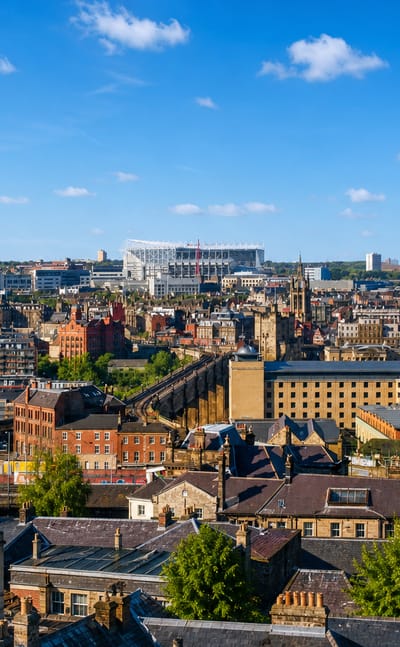
Newcastle City Centre is the historic core of Newcastle upon Tyne, gathered around Grey's Monument and the medieval Castle.Where to stay → Newcastle upon TyneUnited Kingdom
Quayside
Quayside is the riverside district of Newcastle upon Tyne, its old warehouses turned to galleries and bars below the castle.Where to stay →Hotel links are affiliate links: booking through them may earn us a commission, at no extra cost to you. It never affects how places are ranked. How this works
Find hotels in Newcastle upon Tyne
Direct booking searches for these neighbourhoods.
The Quayside
The strip along the River Tyne opposite Gateshead, below the crossings and near the Baltic Centre for Contemporary Art.Find hotels in The Quaysideshopping, museums, and trainsCity centre
Streets around Grey's Monument that reach the Laing Art Gallery and the station on foot.Find hotels in City centrequiet, low-cost staysBenwell
Residential streets west of the core beside the remains of the Benwell Roman Temple.Find hotels in Benwellslow stays above the riverLow Elswick
Slopes around St Stephen's Church, away from the noise of the centre.Find hotels in Low ElswickHotel links are affiliate links: booking through them may earn us a commission, at no extra cost to you. It never affects how places are ranked. How this works
Things to do in Newcastle upon Tyne
Ranked by global recognition; descriptions from Wikidata (CC0).
Museums & Galleries
3- Laing Art Gallery Heritage
- Seven Stories
- Hatton Gallery
Churches & Religious Sites
7- All Saints' Church, Newcastle upon Tyne Heritage
- St Andrew's Church, Newcastle upon Tyne Heritage
- St John the Baptist Church, Newcastle upon Tyne Heritage
- St Stephen's Church, Low Elswick Heritage
- Church of St Thomas the Martyr Heritage
Show 2 more →
- Church of All Saints Heritage
- Benwell Roman Temple Heritage
Castles & Historic Sites
2- Newcastle upon Tyne Castle Heritage
- Grey's Monument Heritage
Landmarks & Notable Places
3- Morden Tower Heritage
- Alderman Fenwick's House Heritage
- Fisherman's Lodge
worth knowingacross 4 categories in Newcastle upon Tyne
About Newcastle upon Tyne
What is Newcastle upon Tyne known for?
Newcastle upon Tyne is known as an industrial and cultural city on the River Tyne, facing Gateshead across the water. The quayside anchors it. Grey's Monument stands over the centre, while the Laing Art Gallery and the Great North Museum: Hancock hold its collections, and the Baltic Centre for Contemporary Art occupies the far bank.
Culture and industry share the same riverfront.
What are the main landmarks in Newcastle upon Tyne?
Newcastle upon Tyne holds landmarks from Roman to modern times. The castle that gave the city its name, Newcastle upon Tyne Castle, stands above the Tyne beside the timbered Bessie Surtees House and the Church of St Thomas the Martyr. Grey's Monument marks the centre, while the Laing Art Gallery, the Hatton Gallery, and Seven Stories gather its collections.
Older still, the Benwell Roman Temple survives to the west.
What is the history of Newcastle upon Tyne?
Newcastle upon Tyne began as a Roman settlement on the north bank of the Tyne, a presence still marked by the Benwell Roman Temple to the west. Its later name came from a medieval fortress. Newcastle upon Tyne Castle, the new castle raised above the river, gave the town both its stronghold and its name.
Around it grew the churches of the old town, among them St Andrew's Church and the Church of St Thomas the Martyr. Stone walls, timber houses, and the river fixed its early medieval shape. Trade on the Tyne shaped the centuries that followed, tying the north bank to Gateshead across the water and making the river the engine of an industrial town.
Merchants left their mark in survivals like the timbered Bessie Surtees House on the quay. The riverside carried the work. Later generations added the monuments and galleries of the centre, from Grey's Monument to the Laing Art Gallery, turning an industrial port toward culture.
All Saints' Church still stands among the newer streets of the centre. The Tyne remained the constant through every age, from the Roman settlement to the modern quays.
Where is Newcastle upon Tyne?
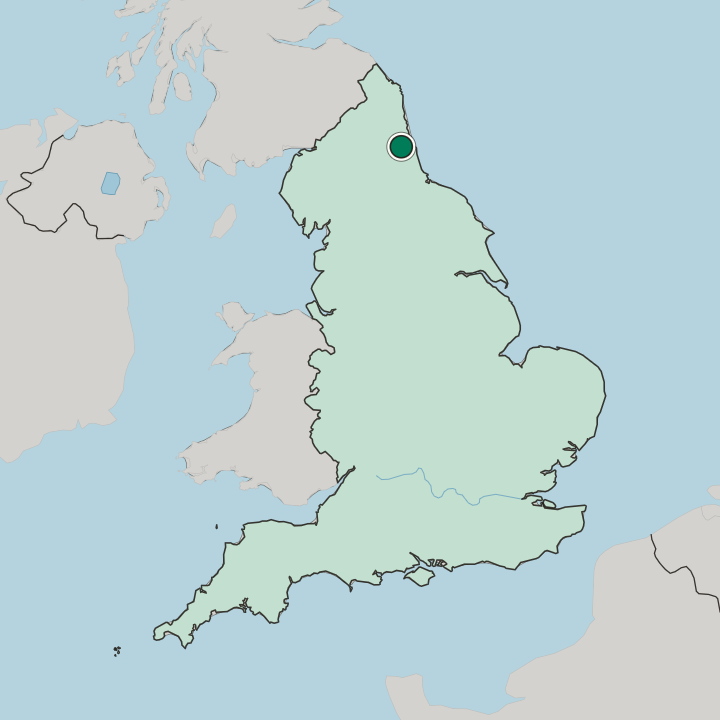
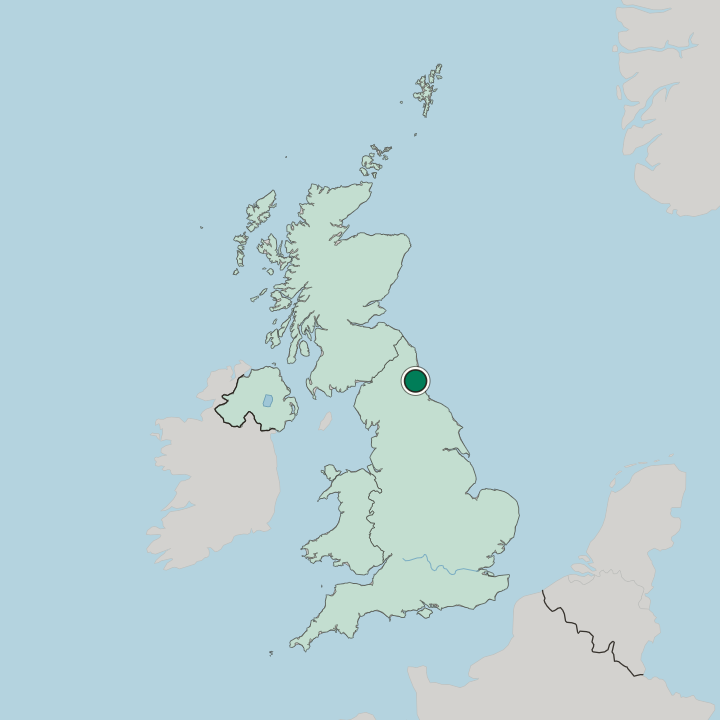
Newcastle upon Tyne sits on the north bank of the River Tyne, in the north-east of England. Gateshead faces it across the water to the south. The two banks form the heart of the Tyneside conurbation, set within the metropolitan county of Tyne and Wear.
It ranks as England's northernmost city. The Tyne divides the pair.
What is the climate of Newcastle upon Tyne?
Newcastle upon Tyne has a temperate maritime climate, typical of north-east England. Winters are cool and often grey, with wind and rain off the sea rather than deep cold. Summers stay mild and changeable.
Cloud and showers can arrive in any season along the Tyne. The weather rarely runs to extremes.
How do you get to Newcastle upon Tyne?
Newcastle upon Tyne is the main hub of the Tyneside conurbation, reached from across north-east England. Roads and rail converge on the centre near Grey's Monument. From there it is a short walk down to the River Tyne and the Quayside, where crossings lead over to Gateshead on the south bank.
The city sits at the core of the metropolitan county of Tyne and Wear. Most journeys end in the centre.
Common questions
What is the best area to stay in Newcastle upon Tyne?
The Quayside: riverside bars and the water. City centre: shopping, museums, and trains. Benwell: quiet, low-cost stays. Low Elswick: slow stays above the river.
Good for
More cities in England
Updated October 2026