United Kingdom · England
Where to Stay in Bournemouth, England
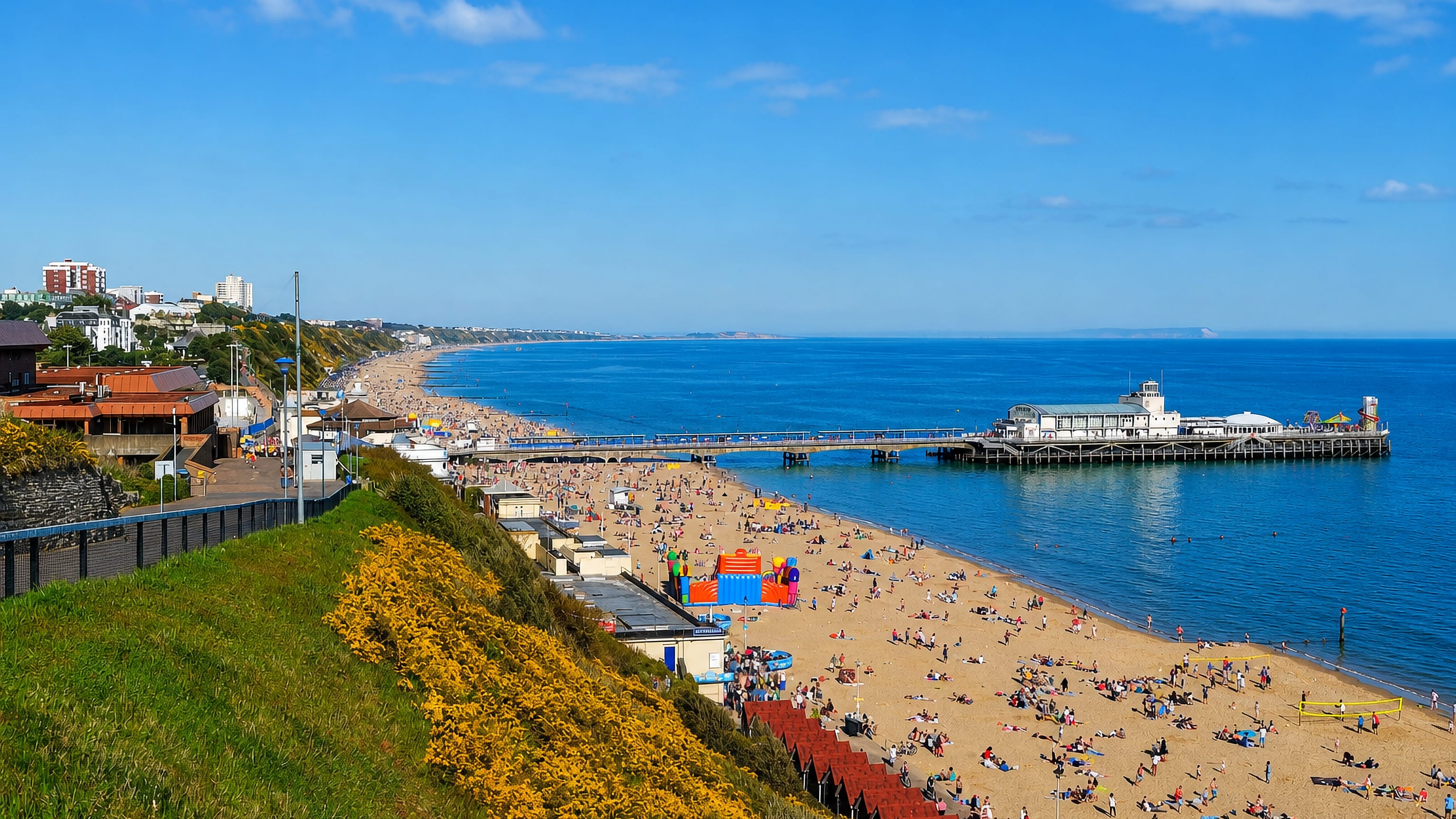
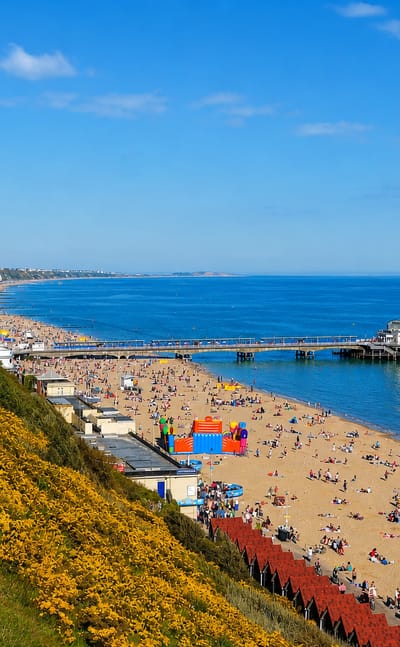
Sand runs for miles below the cliffs at Bournemouth, a seaside resort in Dorset, England, founded in 1810 and known for its long beach and pier.
Hotel links are affiliate links: booking through them may earn us a commission, at no extra cost to you. It never affects how places are ranked. How this works


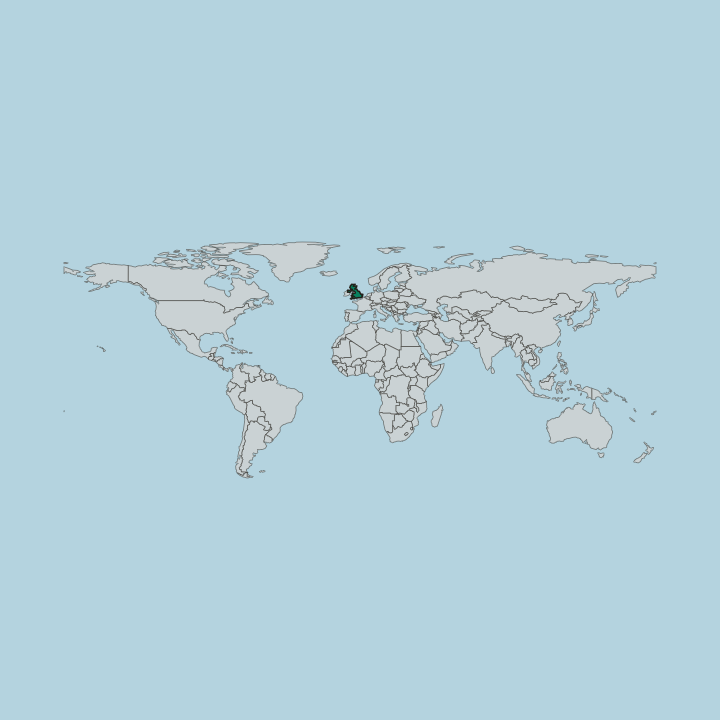
Where to stay in Bournemouth
Not every neighbourhood fits every trip — here's what each one is good for.
 BournemouthUnited Kingdom
Westbourne
Churches define Westbourne, a Bournemouth quarter in Dorset where St Stephen's, All Saints and St Ambrose stand within a few streets of each other.Where to stay → BournemouthUnited Kingdom
Charminster
Three listed churches give Charminster its landmarks, and this quarter of Bournemouth is otherwise residential ground.Where to stay →BournemouthUnited KingdomWinton
Wimborne Road carries Winton, a Bournemouth suburb lying a mile north of the town centre and just east of Wallisdown.Where to stay →BournemouthUnited KingdomWallisdown
A museum, a gallery and two churches mark Wallisdown, a Bournemouth district better known for the Museum of Design in Plastics than for an old core.Where to stay →BournemouthUnited KingdomNorthbourne
Northbourne is a suburb in the north of Bournemouth, Dorset, bordering Ensbury Park and holding the earthwork of Dudsbury Camp.Where to stay →BournemouthUnited KingdomIford
Iford carries the bridge over the River Stour that links Bournemouth with Christchurch, a suburb in the eastern part of the borough.Where to stay → BournemouthUnited Kingdom
Kinson
Kinson is a former Dorset village absorbed into Bournemouth, where the Church of St Andrew still marks the old parish centre.Where to stay →BournemouthUnited KingdomHoldenhurst
A green-belt village on the north-east side of Bournemouth, Holdenhurst counts two farms, a parish church and fewer than 30 dwellings.Where to stay → BournemouthUnited Kingdom
Tuckton
Tuckton stands on the River Stour in the eastern part of the Bournemouth borough, first recorded in 1271 as a hamlet in the tithing of Tuckton and Wick.Where to stay →Hotel links are affiliate links: booking through them may earn us a commission, at no extra cost to you. It never affects how places are ranked. How this works
Find hotels in Bournemouth
Direct booking searches for these neighbourhoods.
Town centre
Around St Peter's Church and the gardens running down to the front, close to Dean Park Cricket GroundFind hotels in Town centreQuiet streets set above the sea with a beach viewEast Cliff and West Cliff
The cliffs on either side of the centre, holding the Russell-Cotes Art Gallery & Museum, St Stephen's Church and the Sacred Heart ChurchFind hotels in East Cliff and West CliffA second seaside quarter with its own pier east along the shoreBoscombe
Around Corpus Christi Church, Boscombe and the Church of St Clement, Boscombe, on a broad stretch of sandFind hotels in BoscombeHotel links are affiliate links: booking through them may earn us a commission, at no extra cost to you. It never affects how places are ranked. How this works
Things to do in Bournemouth
Ranked by global recognition; descriptions from Wikidata (CC0).
Museums & Galleries
3- Russell-Cotes Art Gallery & Museum Heritage
- Red House Museum and Gardens Heritage
- Atrium Gallery
Churches & Religious Sites
8- Christchurch Priory Heritage
- St Peter's Church, Bournemouth Heritage
- Sacred Heart Church, Bournemouth Heritage
- Richmond Hill United Reformed Church And Sunday Schools Heritage
- St Stephen's Church Heritage
Show 3 more →
- Corpus Christi Church, Boscombe Heritage
- St Swithun's Church, Bournemouth Heritage
- Church of St Michael (including Tower) Heritage
Castles & Historic Sites
5- Christchurch Castle Heritage
- Dudsbury Camp Heritage
- Monument to Jane and William Oakley circa 3 metres south west of porch and in the churchyard of the Church of St Andrew Heritage
- Monument to John Weare immediately south west of west tower and in the churchyard of the Church of St Andrew Heritage
- Oval earthwork on St Catherine's Hill Heritage
Stadiums & Sports
1- Dean Park Cricket Ground
Landmarks & Notable Places
3- 1 Water Lane Farm Heritage
- Bow House Heritage
- Dower House Heritage
worth knowingacross 5 categories in Bournemouth
About Bournemouth
What is Bournemouth known for?
Bournemouth is known as a seaside resort on the south coast of England, the largest town in Dorset. Its long sandy beach runs below the cliffs, and the tower of St Peter's Church rises over the gardens and the streets of the centre behind the sea. Above the front, on the East Cliff, the Russell-Cotes Art Gallery & Museum looks out across the water.
Watersports draw people to the shore. The town grew for the sea, and the beach still defines Bournemouth.
What are the main landmarks in Bournemouth?
Bournemouth's landmarks stand between the beach and the town above it. St Peter's Church raises its tall spire over the centre, and the Russell-Cotes Art Gallery & Museum looks out from the East Cliff across the sea. Dean Park Cricket Ground lies inland from the front.
St Stephen's Church and the Sacred Heart Church mark the streets nearby, while Corpus Christi Church, Boscombe stands in the seaside quarter to the east. The pier and the long sand complete the front.
What is the history of Bournemouth?
Bournemouth is a young town by English measure, founded in 1810 on empty heath above the sea. Where older resorts grew from fishing villages, this one was laid out deliberately as a place to take the sea air, on the wild coast of Dorset between older settlements. The heath ran down to the sand.
Pines were planted through it. Gardens were cut along the little valley of the stream that gave the town its name, and villas rose on the cliffs above the beach as visitors came for the mild coast and the shore. The resort spread quickly along the front.
St Peter's Church was raised over the growing town, its spire a marker above the gardens, and grand houses filled the East Cliff and the West Cliff. The Russell-Cotes Art Gallery & Museum was built on the cliff as a seaside villa and later opened to the public. Bournemouth reached east to join Boscombe, and west along the coast toward Poole and Christchurch.
Dean Park Cricket Ground was laid out inland from the sea. The pines still stand. The town remains what it was planned to be, a resort by its long Dorset beach.
Where is Bournemouth?
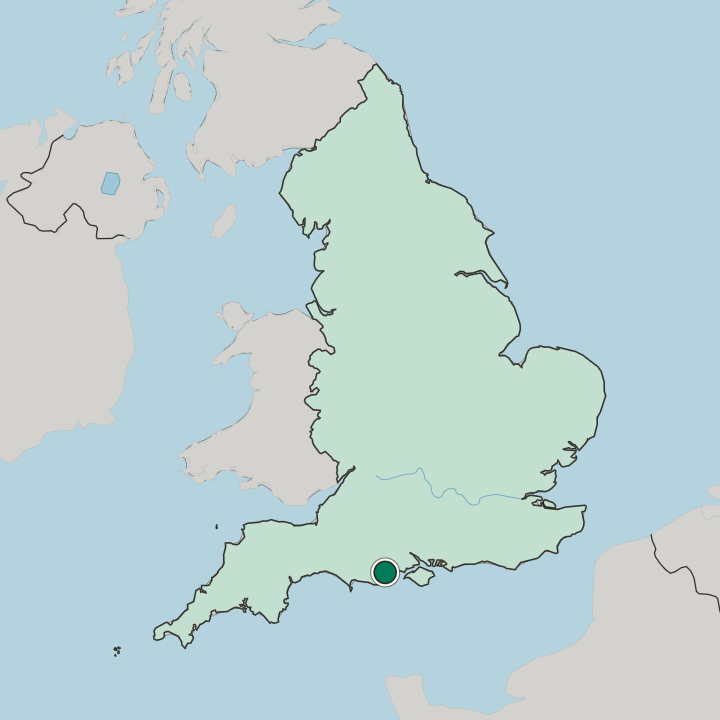
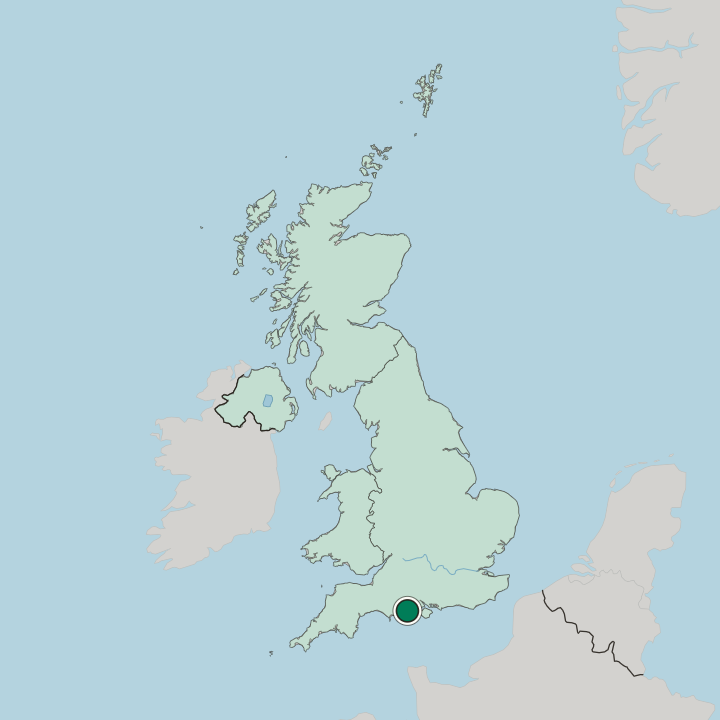
Bournemouth lies on the south coast of England, in Dorset, a seaside town set on low cliffs above a long sandy beach. The centre gathers in a shallow valley behind the front, with the East Cliff and West Cliff rising to either side. Boscombe adjoins it to the east, and Poole and Christchurch lie along the same coast.
The land is sandy heath. From the cliffs at Bournemouth the beach runs on for miles.
What is the climate of Bournemouth?
Bournemouth has a mild maritime climate, among the warmest and sunniest on the English coast. Winters stay soft rather than cold, sheltered by the low cliffs, while grey damp spells blow in off the sea across the long beach and the pines above it. Summers are warm and bright.
The sea keeps the air gentle, and the mild weather over the Dorset shore first drew visitors to the town.
How do you get to Bournemouth?
Bournemouth is reached by rail and road from London and across the south of England. Trains run down through Dorset to the station set north of the centre, while roads bring travellers along the coast from Poole to the west and Christchurch to the east. The sea marks the end.
From the station it is a short way down to St Peter's Church, the gardens, and the beach below the cliffs.
Common questions
What is the best area to stay in Bournemouth?
Town centre: First-time visitors who want the beach and pier a short walk away. East Cliff and West Cliff: Quiet streets set above the sea with a beach view. Boscombe: A second seaside quarter with its own pier east along the shore.
Good for
More cities in England
Updated October 2026