United Kingdom · England
Where to Stay in Burnley, England
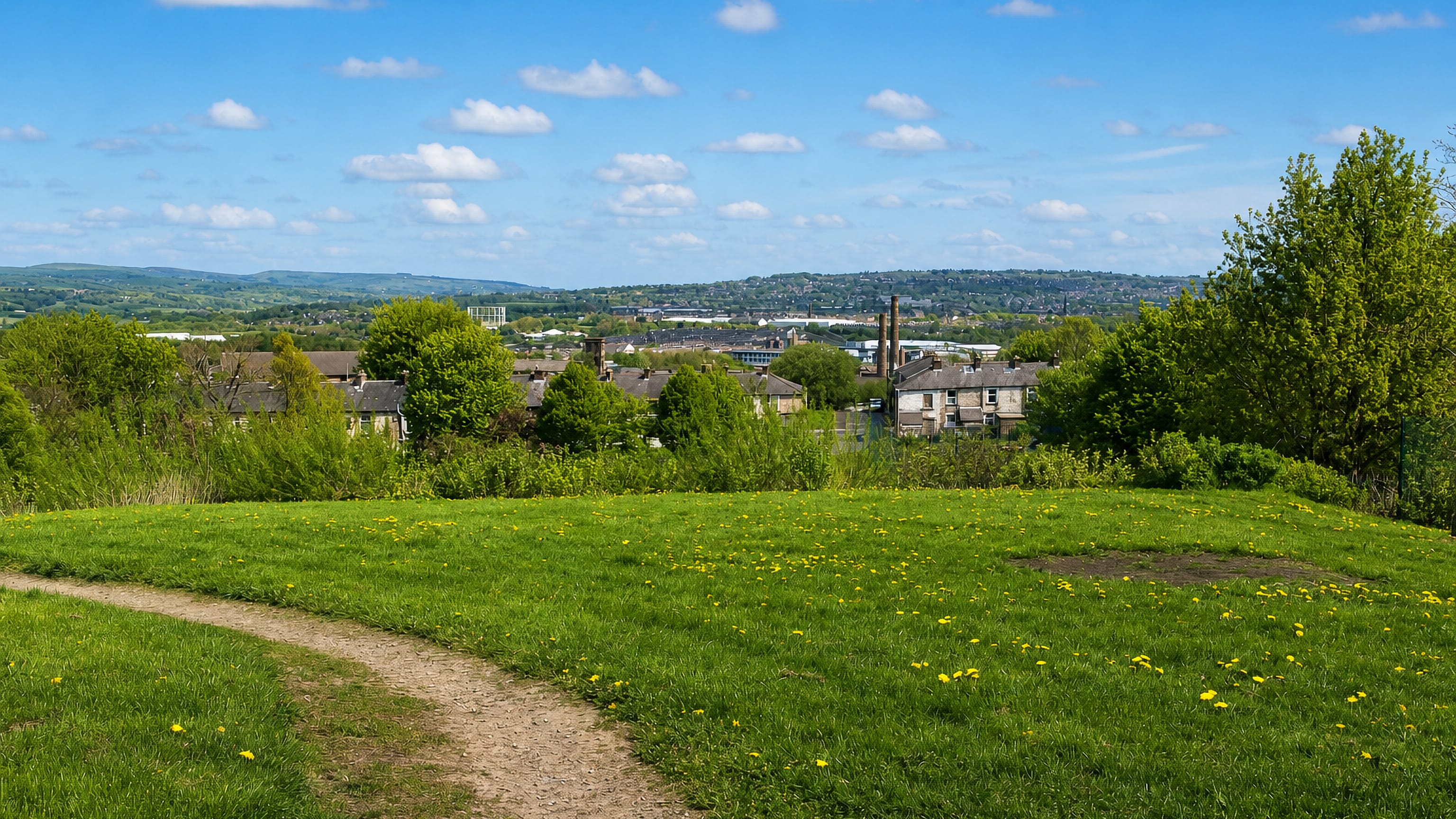
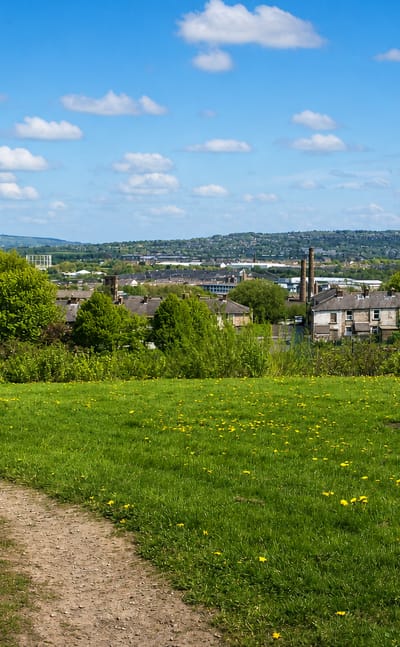
Mill chimneys frame Burnley, a town where the River Brun meets the River Calder in Lancashire, known for Towneley Hall and the Weavers' Triangle.
Hotel links are affiliate links: booking through them may earn us a commission, at no extra cost to you. It never affects how places are ranked. How this works


Where to stay in Burnley
One neighbourhood here has its own guide — here's what it is best for.
 BurnleyUnited Kingdom
Habergham
Habergham is a district of Burnley in England, holding the name of the old township of Habergham Eaves and the estate at Gawthorpe Hall.Where to stay →Hotel links are affiliate links: booking through them may earn us a commission, at no extra cost to you. It never affects how places are ranked. How this works
Find hotels in Burnley
Direct booking searches for these neighbourhoods.
The Weavers' Triangle
The Weavers' Triangle keeps Burnley's canal-side mills and the Queen Street Mill Textile Museum within a walk of the town streets and the River Brun.Find hotels in The Weavers' TriangleParkland and art beside Towneley Hall on the River Calder in BurnleyTowneley parkland
South of the centre the grounds of Towneley Hall spread lawns and woodland along the River Calder around the Towneley Hall Art Gallery and Museum.Find hotels in Towneley parklandQuieter fields near Gawthorpe Hall and Crown Point Moor at BurnleyGawthorpe and the moor edge
The western fields around Gawthorpe Hall and the moorland fringe below the Singing Ringing Tree on Crown Point Moor sit away from the town centre.Find hotels in Gawthorpe and the moor edgeHotel links are affiliate links: booking through them may earn us a commission, at no extra cost to you. It never affects how places are ranked. How this works
Things to do in Burnley
Ranked by global recognition; descriptions from Wikidata (CC0).
Museums & Galleries
3- Weavers' Triangle
- Towneley Hall Art Gallery And Museum
- Queen Street Mill Textile Museum
Churches & Religious Sites
8- St Peter's Church, Burnley Heritage
- St Andrew's Church, Burnley Heritage
- Holy Trinity Church, Burnley Heritage
- St John the Evangelist's Church, Worsthorne Heritage
- St James' Church, Briercliffe Heritage
Show 3 more →
- Church of All Saints, Habergham Eaves Heritage
- Church of St Stephen Heritage
- Parish Church of St Catherine with St Alban and St Paul, Burnley Heritage
Castles & Historic Sites
3- Chaffer Monument Approximately 12 Metres South Of Church Of St Peter Heritage
- Ightenhill Manor (site of) Heritage
- Scott Monument In Scott Park Heritage
Landmarks & Notable Places
6- Towneley Hall Heritage
- Former Plane Tree Public House Heritage
- Finsley House Heritage
- Gannow House Heritage
- Hufling Hall Heritage
Show 1 more →
- The Castle Heritage
worth knowingacross 4 categories in Burnley
About Burnley
What is Burnley known for?
Burnley is known for its cotton-weaving heritage and the moors that ring it, a town in Lancashire. The mills built it. Its old canal-side quarter, the Weavers' Triangle, holds the Queen Street Mill Textile Museum, while Towneley Hall and Gawthorpe Hall stand in parkland at the edges, and the Singing Ringing Tree sings on Crown Point Moor above the valley of the River Calder.
What are the main landmarks in Burnley?
Burnley holds landmarks that span its mills, its halls, and its moors. Towneley Hall anchors the parkland. Its rooms hold the Towneley Hall Art Gallery and Museum above the River Calder, while the Weavers' Triangle and the Queen Street Mill Textile Museum keep the cotton heritage in the old town, Gawthorpe Hall stands among fields to the west, and the Singing Ringing Tree sings from Crown Point Moor over the valley.
What is the history of Burnley?
Burnley grew from a settlement where the River Brun meets the River Calder into a cotton-weaving town of Lancashire. The looms built it. The mills rose along the water and the canal as the cotton trade spread, and the quarter now called the Weavers' Triangle, with the Queen Street Mill Textile Museum among it, records the weaving that gave the valley its terraced streets and its working shape over the years.
Older than the mills, the halls stand from earlier days around the town. Towneley Hall guarded its parkland by the River Calder while Gawthorpe Hall held its estate to the west, and churches such as Holy Trinity Church served the growing population. Through every change the rivers ran on.
From a river confluence in Lancashire, Burnley grew into the mill town whose Weavers' Triangle still lines the water.
Where is Burnley?
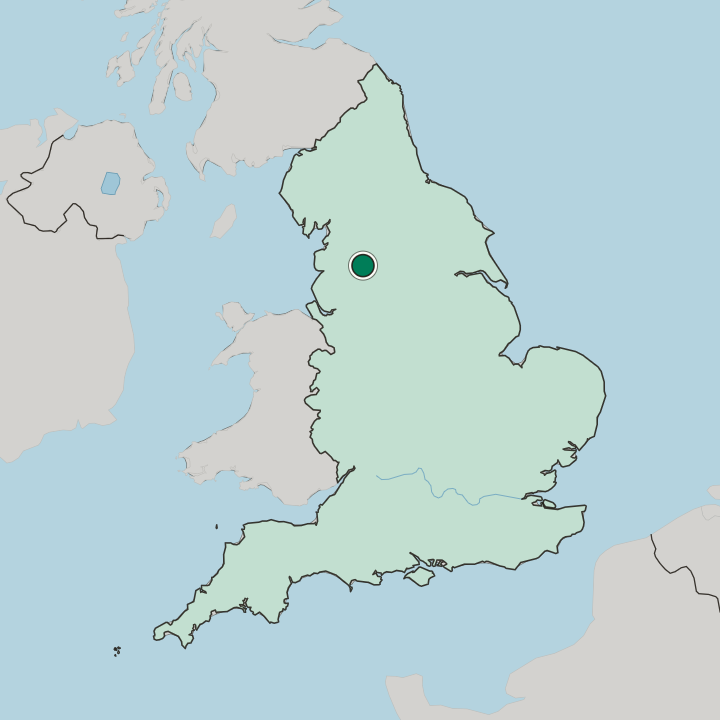
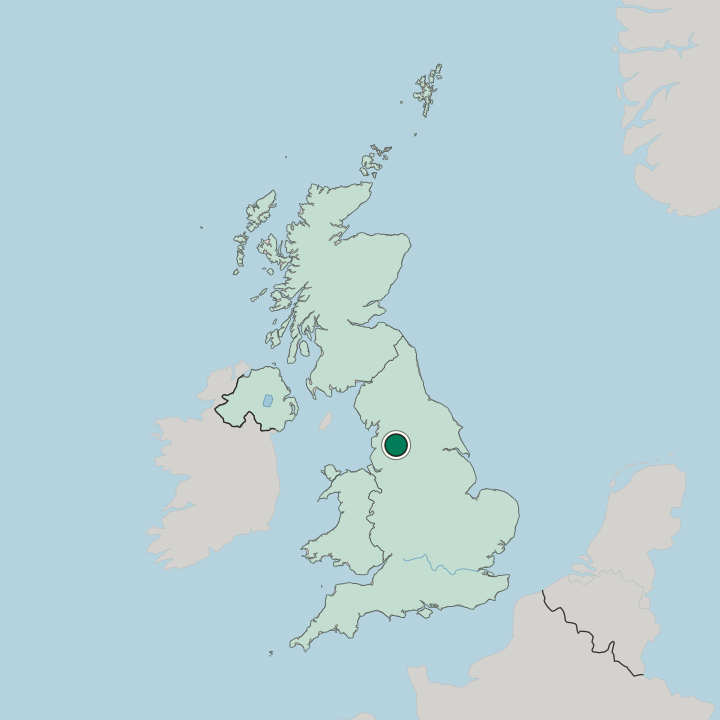
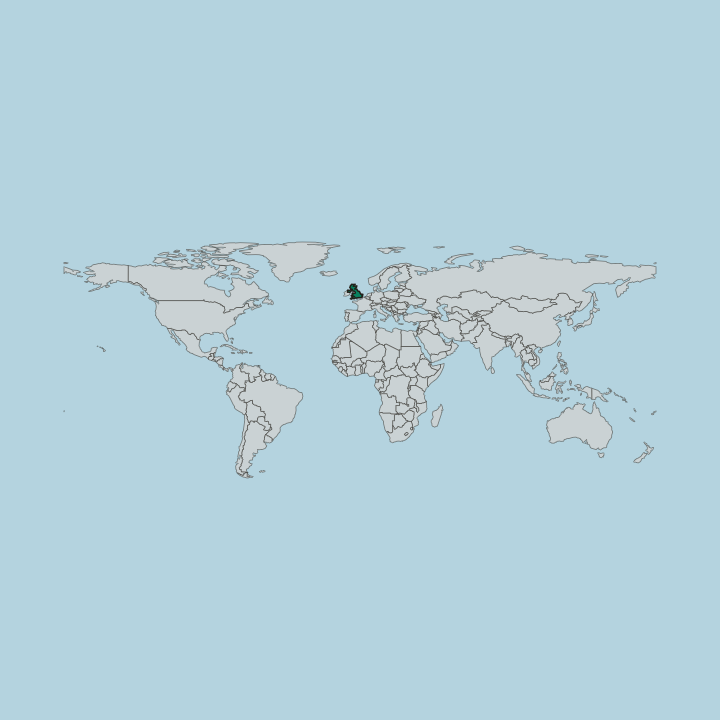
Burnley lies in a valley of eastern Lancashire, England, where the River Brun flows down to join the River Calder. The moors close in around it. The town gathers at the river confluence with the higher ground of Crown Point Moor rising to the south, Manchester lying beyond the hills to the south and Preston across the county to the west, framing a settlement set among the surrounding moorland.
What is the climate of Burnley?
Burnley has a cool, wet upland climate shaped by the moors around it. Rain is frequent here. Damp westerly weather rolls over Crown Point Moor and down into the valley through much of the year, keeping summers mild, while the higher ground holds the cloud and cool air above the River Calder and the town below.
How do you get to Burnley?
Burnley is reached by road and rail across eastern Lancashire. Almost all visitors reach it by land. Roads and rail lines run in from Preston to the west and over the hills from Manchester to the south, carrying visitors into the valley of the River Calder and the streets around the Weavers' Triangle.
Common questions
What is the best area to stay in Burnley?
The Weavers' Triangle: Mill heritage near the Queen Street Mill Textile Museum in Burnley. Towneley parkland: Parkland and art beside Towneley Hall on the River Calder in Burnley. Gawthorpe and the moor edge: Quieter fields near Gawthorpe Hall and Crown Point Moor at Burnley.
Good for
More cities in England
Updated September 2026