United Kingdom · England
Where to Stay in Cheltenham, England
Cheltenham is a Regency spa town of Gloucestershire in west England, of elegant terraces on the edge of the Cotswolds, famed for its racing and festivals.
Hotel links are affiliate links: booking through them may earn us a commission, at no extra cost to you. It never affects how places are ranked. How this works


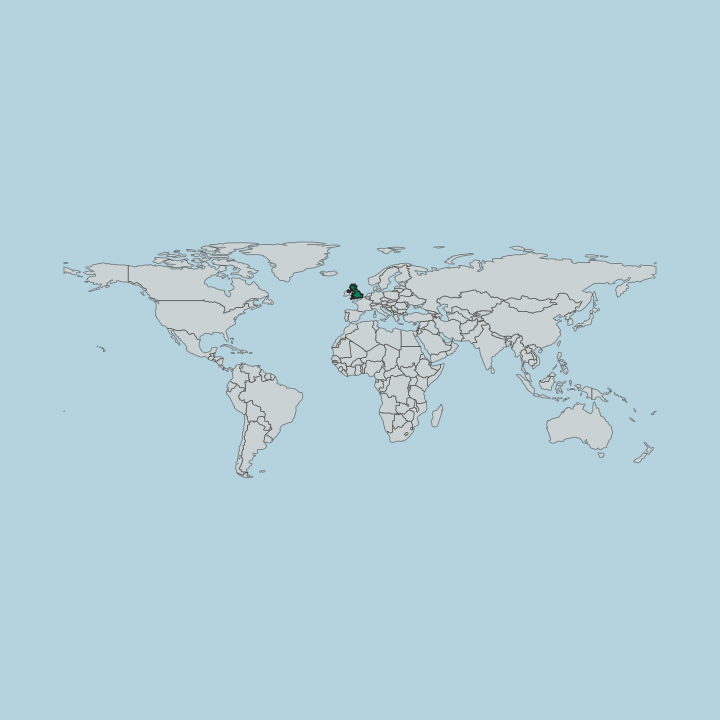
Where to stay in Cheltenham
The right area depends on your trip — here's what each neighbourhood is best for.

 CheltenhamUnited Kingdom
Alstone
Alstone is a district of the English town of Cheltenham, and the names on its register run from The Wilson to half a dozen parish churches.Where to stay → CheltenhamUnited Kingdom
Pittville
Pittville is a residential suburb of Cheltenham founded by Joseph Pitt, built around Pittville Park and its Pump Room.Where to stay →CheltenhamUnited KingdomCharlton Park
Charlton Park is a district of Cheltenham sharing its name with the park inside it, with the College Ground and Charlton House among its named entries.Where to stay →CheltenhamUnited KingdomBournside
Bournside is a district of Cheltenham, and the Hatherley and Reddings Cricket Club Ground is the largest thing entered on its map.Where to stay →CheltenhamUnited KingdomBattledown
Battledown is a private residential estate in Cheltenham, the last of the town's 19th-century private estates still held apart from it.Where to stay →Hotel links are affiliate links: booking through them may earn us a commission, at no extra cost to you. It never affects how places are ranked. How this works
Find hotels in Cheltenham
Direct booking searches for these neighbourhoods.
The spa town
Around the PromenadeFind hotels in The spa townStays wanting the villages and hillsThe Cotswold edge
Out toward the scarpFind hotels in The Cotswold edgeHotel links are affiliate links: booking through them may earn us a commission, at no extra cost to you. It never affects how places are ranked. How this works
Things to do in Cheltenham
Ranked by global recognition; descriptions from Wikidata (CC0).
Museums & Galleries
2- The Wilson
- British Steeplechasing Hall of Fame
Churches & Religious Sites
8- Cheltenham Minster, St Mary's Heritage
- St Gregory's Church Heritage
- All Saints' Church, Cheltenham Heritage
- Trinity Cheltenham Heritage
- St Peter's Church, Leckhampton Heritage
Show 3 more →
- St Philip and St James Church, Leckhampton Heritage
- Christ Church Heritage
- St Peter's Church Heritage
Castles & Historic Sites
1- Francis Kemmet(t) Monument In The Churchyard Of The Church Of St Mary Circa 3 Metres North Of North Aisle Heritage
Stadiums & Sports
1- College Ground, Cheltenham
Landmarks & Notable Places
8- Brandon House Heritage
- Handel House (Number 51) And St Georges Vaults Public House (Number 53) And Railings Heritage
- Bafford House Heritage
- Boyne House Heritage
- Brick House Heritage
Show 3 more →
- Bridge House Heritage
- Camden House Heritage
- Hallery House Heritage
worth knowingacross 5 categories in Cheltenham
About Cheltenham
Cheltenham is the spa town of the Cotswolds.
What is Cheltenham known for?
On the edge of the Cotswold hills in western England, it grew rich as a Regency watering-place, and it keeps its wide tree-lined promenade and cream-coloured terraces, the pump room where the spa waters were drunk, the famous racecourse where the great steeplechase is run each spring, and a round of festivals of music and books and science. The graceful streets run wide. The green hills rise close by.
What are the main landmarks in Cheltenham?
The Promenade is the heart of Regency Cheltenham. The broad avenue of trees and cream-white terraces, lined with grand shops and the fountain of a nymph, runs through the centre, the emblem of the town, in the vale. A spa hall stands in a park.
The Pittville Pump Room lifts its dome above the gardens nearby, while the racecourse, the minster, and the art museum mark the country around Cheltenham.
What is the history of Cheltenham?
Cheltenham grew up around a spring. It was a quiet market town until mineral waters were found in the fields, and when a king came to take the cure, the fashionable world followed him to drink the waters. The spa made the town.
Fine terraces, a pump room, and a long promenade of trees went up in the Regency style, and Cheltenham bloomed as one of the great spa towns of England. Racing and festivals came later. Out at Prestbury Park a racecourse was laid in the hills, and the spring fixture grew into the greatest gathering of jump racing in the land, drawing crowds from Ireland and all over.
The town found new fame. Festivals of music, books, and science filled its halls through the year, and a great listening station settled on its edge, so that Cheltenham lived by its races, its festivals, and its handsome streets. The terraces still stand cream and white.
Cheltenham keeps its spa and its racecourse below the Cotswolds.
Where is Cheltenham?
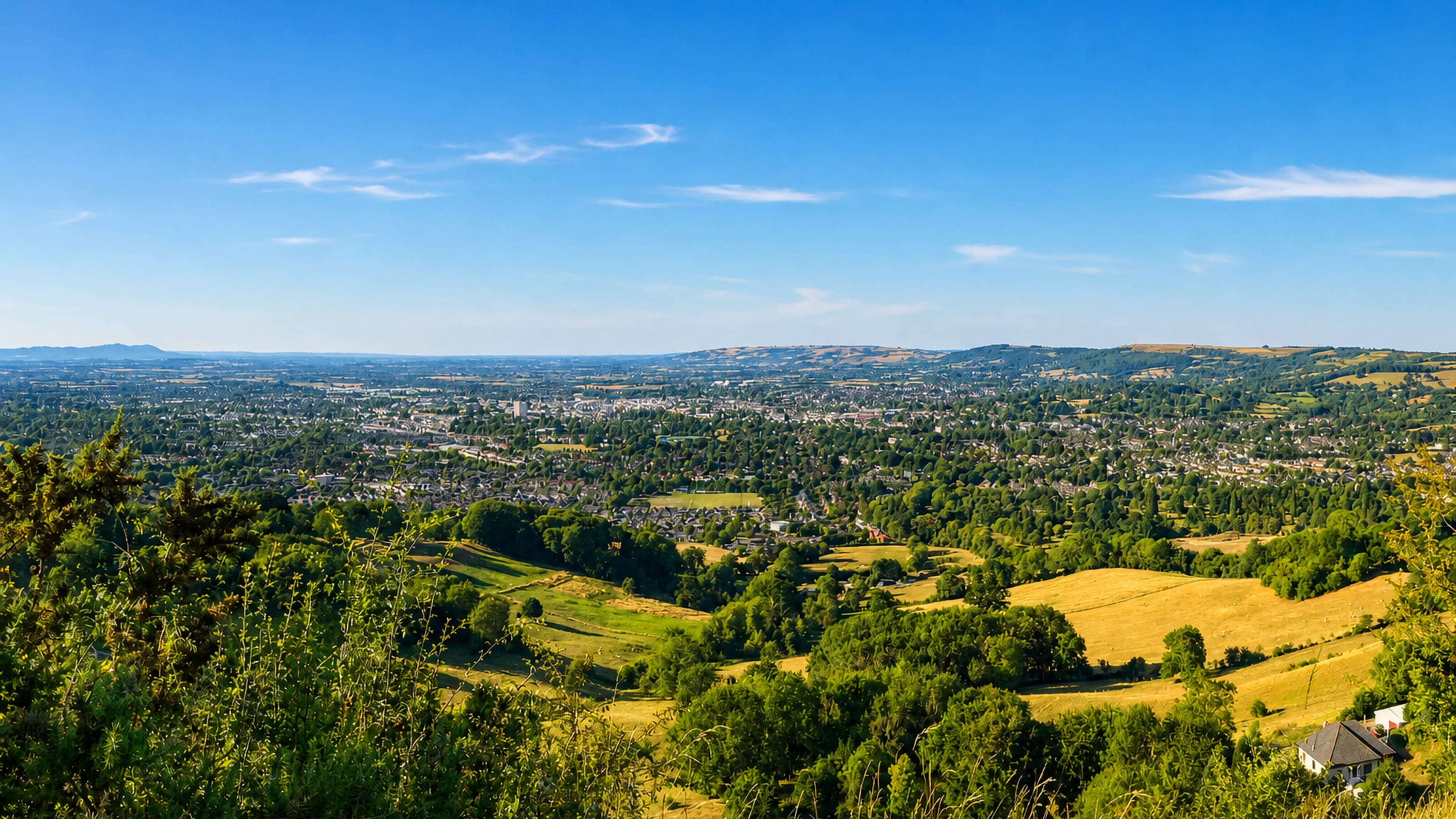
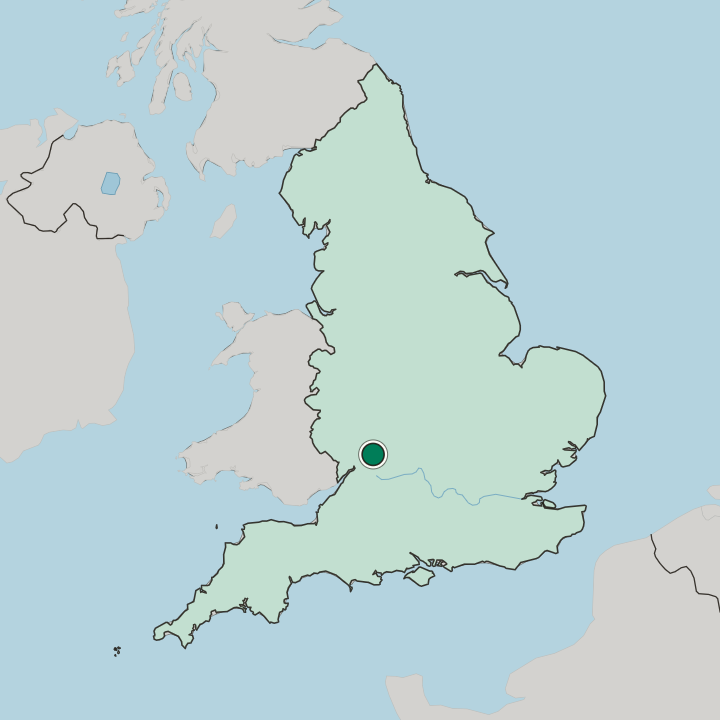
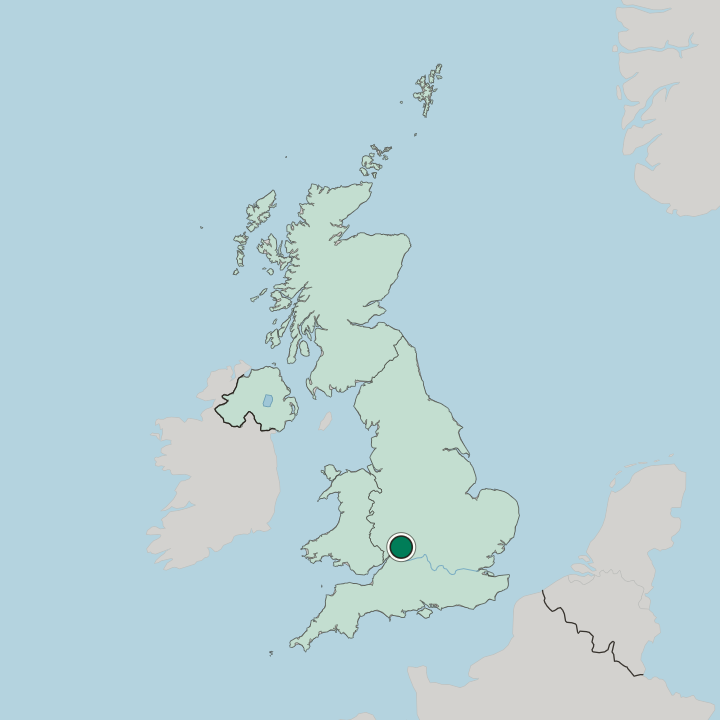
Cheltenham lies in the west of England, at the foot of the Cotswold scarp in the vale of Gloucester. The town spreads over the flat floor of the vale below the steep wooded hills, where springs rise from the rock, with the Severn plain to the west and the high wolds rising to the east. Green hills climb close behind.
The wide vale runs west.
What is the climate of Cheltenham?
Cheltenham has a mild, damp temperate climate. Cool wet weather crosses the vale all year, with soft grey skies and rain in every season, kept mild by the western air. The rains keep the vale green.
Frost comes light in winter.
How do you get to Cheltenham?
Cheltenham lies in western England, below the Cotswold hills near Gloucester. Trains and the motorway run to it from London and Birmingham, and roads climb east into the wolds. Lanes cross the old spa town.
Gloucester lies west down the vale.
Common questions
What is the best area to stay in Cheltenham?
The spa town: Visitors here for the terraces and races. The Cotswold edge: Stays wanting the villages and hills.
Good for
More cities in England
Updated October 2026