United Kingdom · England
Where to Stay in Gloucester, England
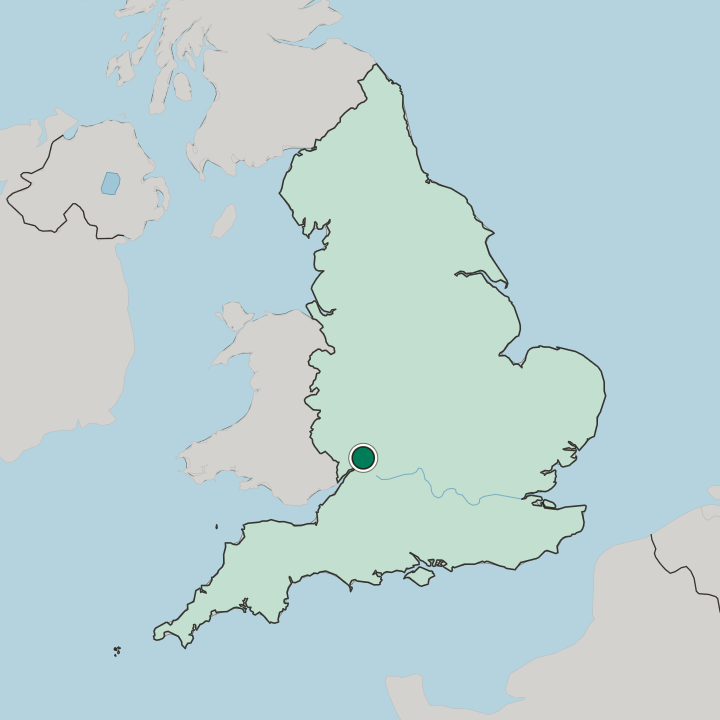
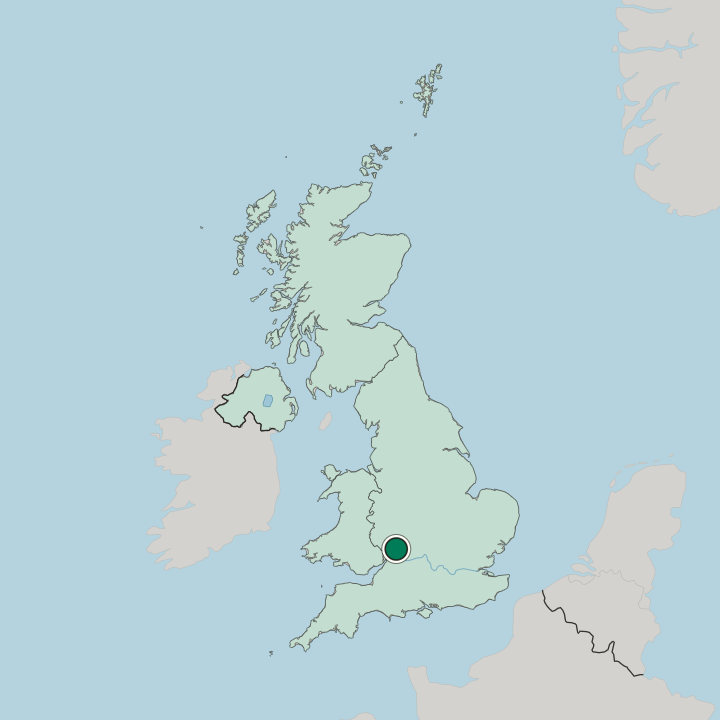
Gloucester is a cathedral city on the River Severn in Gloucestershire, England, grown from the Roman colonia of Glevum.
Hotel links are affiliate links: booking through them may earn us a commission, at no extra cost to you. It never affects how places are ranked. How this works



Where to stay in Gloucester
The right area depends on your trip — here's what each neighbourhood is best for.

 GloucesterUnited Kingdom
Kingsholm
Kingsholm is an area of Gloucester holding Kingsholm Stadium, where Gloucester Rugby play, alongside St Oswald's Priory and College Green.Where to stay → GloucesterUnited Kingdom
Wotton
Wotton is a Gloucester suburb by the railway station and the Royal Hospital, holding Wotton House and the Church of St Catharine.Where to stay → GloucesterUnited Kingdom
High Orchard
High Orchard is a former industrial quarter of Gloucester, built on the orchard of the Priory of Llanthony Secunda beside Gloucester Docks.Where to stay →GloucesterUnited KingdomTredworth
Tredworth is a district of Gloucester whose named buildings are two churches, St James Church and St Paul and St Stephen's Church.Where to stay →GloucesterUnited KingdomElmbridge
Elmbridge is a suburb of Gloucester centred about two miles from the city centre, and the Church of St Lawrence is its one listed building.Where to stay → GloucesterUnited Kingdom
Longlevens
Longlevens is a suburb of Gloucester in Gloucestershire, grown from a farmstead on land once held with the estate of Gloucester Cathedral.Where to stay →GloucesterUnited KingdomTuffley
Tuffley is a district of Gloucester, marked by St Barnabas Church, the Wagon Works Ground and the listed frontage at 333, Stroud Road.Where to stay → GloucesterUnited Kingdom
Robinswood
Robinswood is a district of Gloucester named for Robinswood Hill, with the Church Of St Aldate and the Matson moated site on its ground.Where to stay →Hotel links are affiliate links: booking through them may earn us a commission, at no extra cost to you. It never affects how places are ranked. How this works
Find hotels in Gloucester
Direct booking searches for these neighbourhoods.
Cathedral centre
Around the cathedral and St Oswald's Priory, near the Museum of Gloucester and the old Roman gatesFind hotels in Cathedral centreStays wanting the restored quays and the waterways museumThe docks
By the canal basins near the Gloucester Waterways Museum, among the old warehouses and quayside barsFind hotels in The docksHotel links are affiliate links: booking through them may earn us a commission, at no extra cost to you. It never affects how places are ranked. How this works
Things to do in Gloucester
Ranked by global recognition; descriptions from Wikidata (CC0).
Museums & Galleries
3- Gloucester Waterways Museum
- Museum of Gloucester
- Soldiers of Gloucestershire Museum
Churches & Religious Sites
8- St Oswald's Priory, Gloucester Heritage
- St Mary de Crypt Church Heritage
- St Mary de Lode Church Heritage
- Blackfriars Heritage
- St Nicholas' Church, Gloucester Heritage
Show 3 more →
- Holy Trinity Church Heritage
- St Barnabas Church, Gloucester Heritage
- Church of St Lawrence Heritage
Castles & Historic Sites
2- Glevum Heritage
- Matson moated site Heritage
Stadiums & Sports
2- Spa Ground
- Wagon Works Ground
Landmarks & Notable Places
8- Hillfield House Heritage
- Number 20 and part of Abbey Precinct Wall Heritage
- Ladybellegate House Heritage
- Winston Hall Heritage
- Hyatt House Heritage
Show 3 more →
- 333, Stroud Road Heritage
- Northgate House Heritage
- Old Judges House Heritage
worth knowingacross 5 categories in Gloucester
About Gloucester
Gloucester grew from a Roman city on the Severn.
What is Gloucester known for?
The cathedral town of Gloucestershire keeps its old churches and priories among the streets, and its restored docks hold the Gloucester Waterways Museum by the water. The Museum of Gloucester tells the deeper story. Water shaped the whole town.
What are the main landmarks in Gloucester?
The cathedral crowns the heart of Gloucester. Around it stand the old churches, St Nicholas', St Mary de Crypt, and St Mary de Lode, with the ruins of St Oswald's Priory nearby. The docks are the other draw.
The Gloucester Waterways Museum fills the old warehouses by the canal, and the Museum of Gloucester and the Soldiers of Gloucestershire Museum hold the town's long past.
What is the history of Gloucester?
Gloucester began as Glevum, a Roman colonia on the Severn. The legions built a walled town at the lowest bridging point of the river, and it held that role for centuries. Walls and gates ringed the Roman core for generations.
Saxon Gloucester rose over the old streets, and St Oswald's Priory was raised to hold a royal saint's bones. The Normans came and set Gloucester Castle by the river to guard the crossing. The great cathedral made the medieval city.
Its river carried the trade. Kings held court and were crowned in Gloucester, and pilgrims came to its shrine, filling the town around the churches of St Mary de Crypt and St Mary de Lode. Trade ran on the Severn below.
Much later the docks were dug to bring ships inland, and the Gloucester Waterways Museum stands among the old warehouses. The Museum of Gloucester keeps the long record, from Glevum to the quays.
Where is Gloucester?
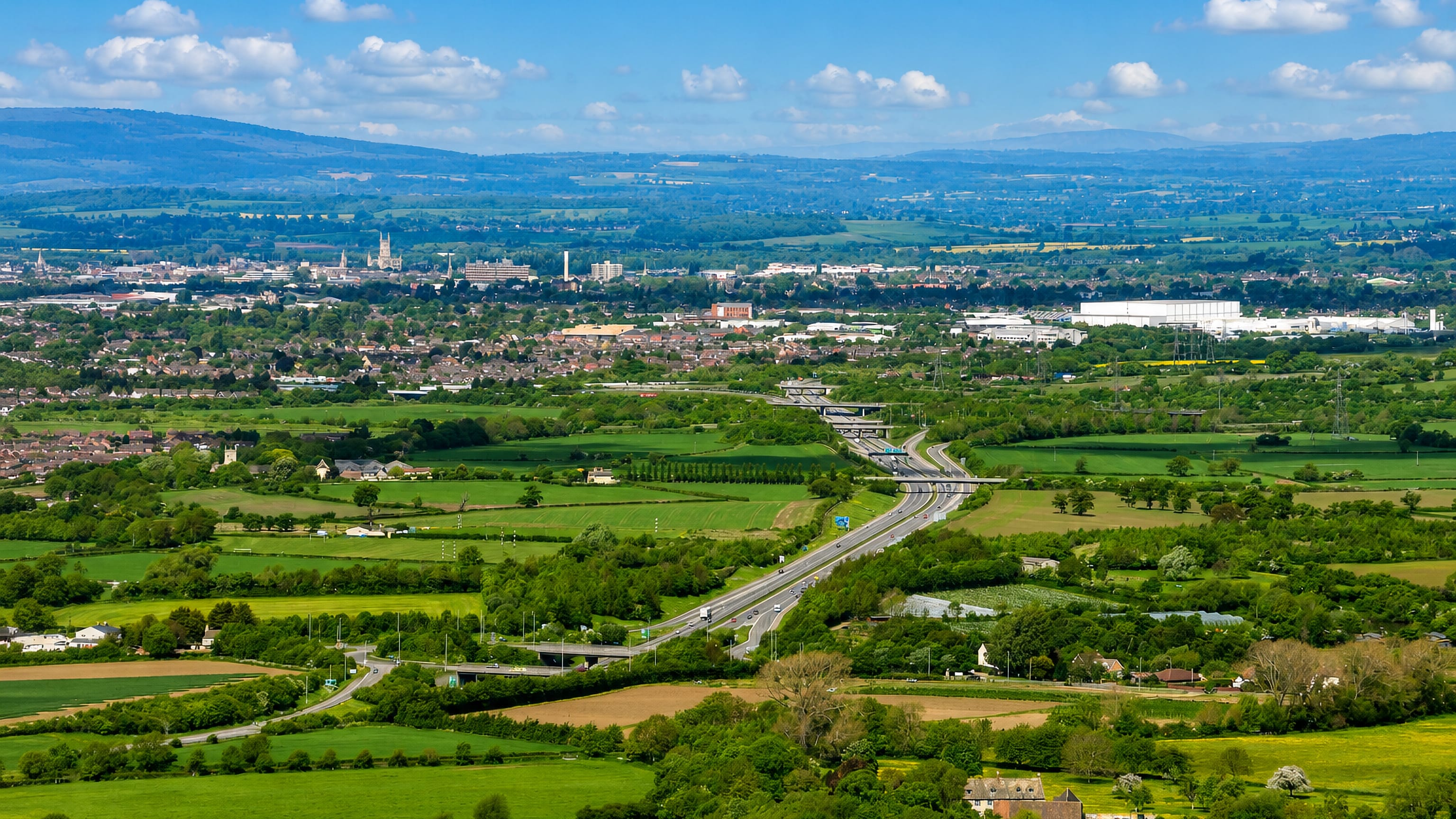
The Severn runs wide past Gloucester. The city sits on the river's east bank in the vale between the Cotswold hills and the Forest of Dean, low and flat where the tidal water still reaches. Meadows flood along the banks.
The river tied the town to the sea.
What is the climate of Gloucester?
Gloucester lies in the mild west of England. Wet, grey winters give way to warm, changeable summers, and rain falls through much of the year off the Severn and the western sea. The river can flood in a hard winter.
Snow rarely lasts on the vale.
How do you get to Gloucester?
Gloucester sits on the roads to Wales and the west. The motorway and the main line run past the city between the Midlands and the South West, and rail links reach out along the Severn valley. Buses serve the Cotswold towns around.
Most arrive by road or rail, into the old river city.
Common questions
What is the best area to stay in Gloucester?
Cathedral centre: Travellers drawn by Gloucester's cathedral, its parish churches, and the city's museums. The docks: Stays wanting the restored quays and the waterways museum.
Good for
More cities in England
Updated October 2026