United Kingdom · England
Where to Stay in Dewsbury, England
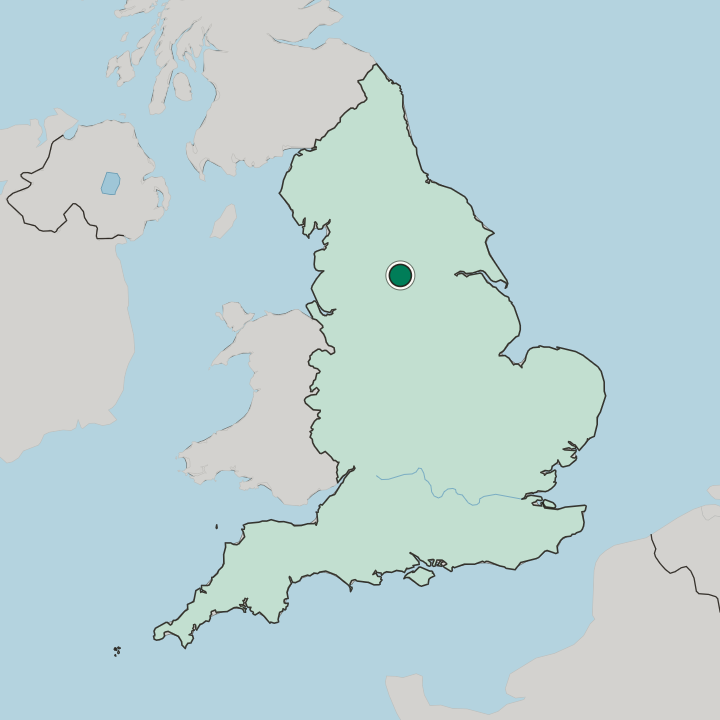
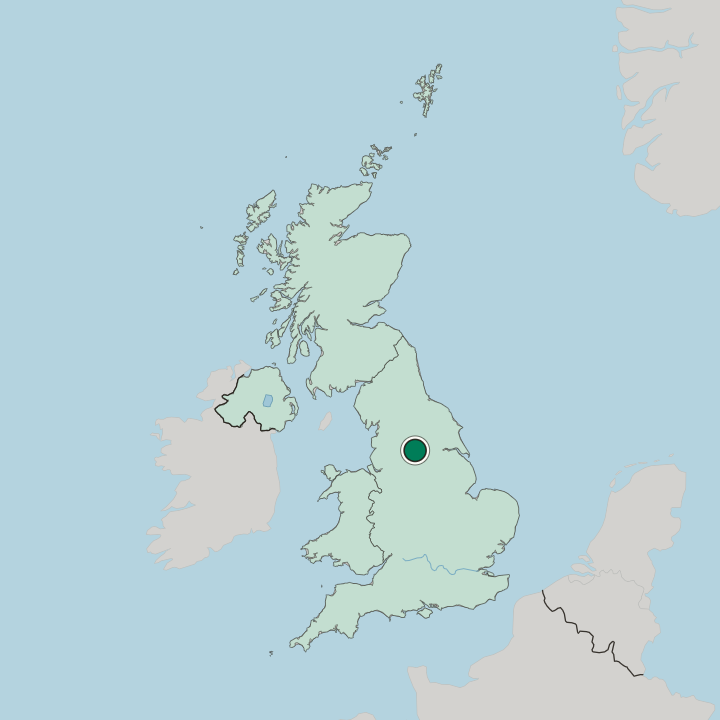
Dewsbury is a market town on the River Calder, the largest in the Heavy Woollen District of Kirklees, West Yorkshire. It sits west of Wakefield.
Hotel links are affiliate links: booking through them may earn us a commission, at no extra cost to you. It never affects how places are ranked. How this works


Where to stay in Dewsbury
Not every neighbourhood fits every trip — here's what each one is good for.
 DewsburyUnited Kingdom
Savile Town
Savile Town is a district of Dewsbury, its landmarks the Church of St Matthew and the Dewsbury and Savile Ground.Where to stay → DewsburyUnited Kingdom
Earlsheaton
Earlsheaton is a district on the Dewsbury edge in England, with Dewsbury Minster and the town's Baptist and Reformed churches nearest to hand.Where to stay →DewsburyUnited KingdomDewsbury Moor
Dewsbury Moor is a district of Dewsbury holding Crow Nest Park, the Ponderosa Zoo, and two parish churches.Where to stay →DewsburyUnited KingdomThornhill Lees
Thornhill Lees is a district of Dewsbury in England, keeping a hall, the Church of Holy Innocents, and a former Church of England school.Where to stay →DewsburyUnited KingdomChickenley
Chickenley is a suburban village of Dewsbury in the Borough of Kirklees, once a farming hamlet on the way to Ossett.Where to stay →DewsburyUnited KingdomStaincliffe
Staincliffe is a cross-over district of both Batley and Dewsbury in West Yorkshire, named from the old words for stone and cliff.Where to stay →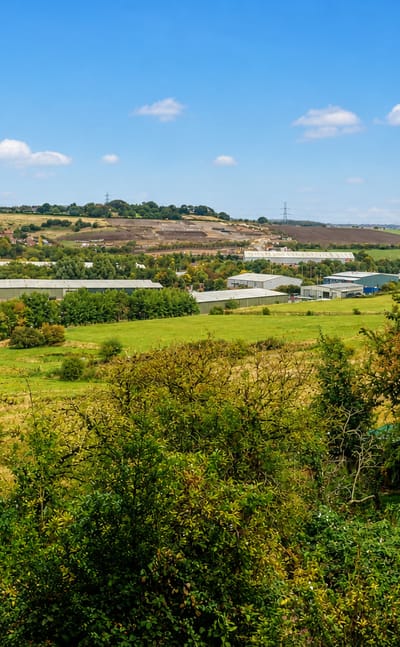 DewsburyUnited Kingdom
Hanging Heaton
Hanging Heaton is a village in West Yorkshire, England, lying partly in Batley and partly in Dewsbury. The Domesday Book records it as Etun.Where to stay →DewsburyUnited KingdomOverthorpe
Overthorpe is a district on the Thornhill side of Dewsbury, in Kirklees, West Yorkshire, on ridge ground above the River Calder.Where to stay →Hotel links are affiliate links: booking through them may earn us a commission, at no extra cost to you. It never affects how places are ranked. How this works
Find hotels in Dewsbury
Direct booking searches for these neighbourhoods.
Dewsbury Minster and the market core
Dewsbury Minster holds the old core of the market town, with the Church of the Holy Trinity, the Church of All Saints and the River Calder all a few streets offFind hotels in Dewsbury Minster and the market coreRooms at Mirfield beside the Parish Church of St Mary rather than in Dewsbury itselfMirfield
The Parish Church of St Mary marks Mirfield, a settlement of its own inside the Kirklees borough and reached along the same Calder line. Lodging is scarce in this area; reserve in advance.Find hotels in MirfieldVisitors aiming at Thornhill Hall and the Church of St Michael and All AngelsThornhill
Thornhill carries Thornhill Hall, Thornhill Lees Hall and the Church of St Michael and All Angels on its own side of Dewsbury, away from the market streets. Lodging is scarce in this area; reserve in advance.Find hotels in ThornhillWeekends timed to Mount Pleasant or the Dewsbury and Savile GroundMount Pleasant and the Savile ground
Mount Pleasant is the cricket ground of Dewsbury and the Dewsbury and Savile Ground sits with it among the sporting names, which is what fills rooms on a fixture weekend. Beds are limited here, so book early.Find hotels in Mount Pleasant and the Savile groundHotel links are affiliate links: booking through them may earn us a commission, at no extra cost to you. It never affects how places are ranked. How this works
Things to do in Dewsbury
Ranked by global recognition; descriptions from Wikidata (CC0).
Museums & Galleries
2- Dewsbury Bus Museum
- Dewsbury Canal Museum
Churches & Religious Sites
8- Dewsbury Minster Heritage
- Parish Church of St Mary, Mirfield Heritage
- Church of All Saints Heritage
- Church of St Michael and All Angels, Thornhill Heritage
- Church of Holy Innocents Heritage
Show 3 more →
- Church of St John Heritage
- Church of St Matthew Heritage
- United Reformed Church Heritage
Nature & Outdoors
1- Crow Nest Park Heritage
Stadiums & Sports
2- Dewsbury and Savile Ground
- Mount Pleasant (cricket ground)
Landmarks & Notable Places
6- Thornhill Hall Heritage
- Thornhill Lees Hall Heritage
- Tower of Old Church of St Mary Heritage
- Healds House Heritage
- House Immediately To South Of Thornhill Lees Church Of England School (Former School And Schoolmasters House) Heritage
Show 1 more →
- Staincliffe Hall Heritage
worth knowingacross 5 categories in Dewsbury
About Dewsbury
Wool gave the district its name.
What is Dewsbury known for?
Dewsbury grew through the 19th century as a mill town and is the largest place in the Heavy Woollen District, a name that ties the trade to the ground. Water carried the work. The River Calder runs through the town and an arm of the Calder and Hebble Navigation reaches it, which is why the mills stood where they did.
Dewsbury Minster and the Tower of Old Church of St Mary carry the layer underneath all of that, and the Dewsbury Bus Museum records the transport age that came after.
What are the main landmarks in Dewsbury?
Dewsbury Minster leads the list. The Church of All Saints, the Church of the Holy Trinity, the Church of St Paul and the Tower of Old Church of St Mary follow it, with the Dewsbury Baptist Church and the United Reformed Church adding the nonconformist side. Two grounds carry the sport.
Mount Pleasant is the cricket ground and the Dewsbury and Savile Ground stands with it in the town's sporting record, while Ponderosa Zoo and the Dewsbury Bus Museum take visitor traffic the churches never will. Thornhill Hall and Thornhill Lees Hall share the Thornhill name.
What is the history of Dewsbury?
The Minster came long before the mills. Dewsbury grew around a church of minster rank, and the Tower of Old Church of St Mary marks how much of the town's early record is ecclesiastical rather than industrial. The West Riding of Yorkshire held it then.
Dewsbury was a market town of that historic division, sitting on the River Calder west of Wakefield, east of Huddersfield and south of Leeds, and those three neighbours have shaped it ever since. Thornhill Hall belongs to the same older layer. The 19th century changed the scale.
Dewsbury went through major growth as a mill town, and the arm of the Calder and Hebble Navigation that reaches it explains how the wool trade shifted its weight. Decline followed. The mills that made the Heavy Woollen District a name did not keep the town at the size they had built it to, and Dewsbury worked through a long contraction while remaining the largest town of that district.
Kirklees came later. The Metropolitan Borough of Kirklees takes in Dewsbury along with Mirfield and Thornhill, which is why one council answers for a market core, a river of mill sites and a set of separate parish villages.
Where is Dewsbury?
The Calder sets the line. Dewsbury stands on the River Calder with an arm of the Calder and Hebble Navigation reaching in, and the Heavy Woollen District spreads around it inside the Metropolitan Borough of Kirklees. Three cities box it in.
Wakefield lies east of the town, Huddersfield west and Leeds north, which leaves Dewsbury in the middle of the West Yorkshire cluster rather than at the edge of it.
What is the climate of Dewsbury?
The Calder carries the weather through. Dewsbury sits in the northern temperate band, so the year runs to four seasons and neither heat nor cold reaches the extremes that would change how a visit is planned. Wet air is Dewsbury's baseline.
Rivers here are never short of water, which the Calder and the Calder and Hebble Navigation between them make plain, so an umbrella earns its place in a bag in any month of the year.
How do you get to Dewsbury?
Dewsbury sits between three cities. Leeds, Wakefield and Huddersfield are each a short hop off, and most arrivals come through one of them rather than aiming at the Heavy Woollen District directly. The water route still exists.
An arm of the Calder and Hebble Navigation reaches the town from the River Calder, the oldest way in and the slowest, while the Dewsbury Bus Museum keeps the road-transport side of the same history on display.
Common questions
What is the best area to stay in Dewsbury?
Dewsbury Minster and the market core: Stays that want Dewsbury Minster, the market streets and the Calder in one walk. Mirfield: Rooms at Mirfield beside the Parish Church of St Mary rather than in Dewsbury itself. Thornhill: Visitors aiming at Thornhill Hall and the Church of St Michael and All Angels. Mount Pleasant and the Savile ground: Weekends timed to Mount Pleasant or the Dewsbury and Savile Ground.
Good for
More cities in England
Updated October 2026