United Kingdom · England
Where to Stay in Eastleigh, England
Eastleigh sits between Southampton and Winchester in Hampshire, a railway town and the seat of the Borough of Eastleigh. Its museum keeps that story.
Hotel links are affiliate links: booking through them may earn us a commission, at no extra cost to you. It never affects how places are ranked. How this works


Where to stay in Eastleigh
Where you base yourself shapes the visit — here's the character of each area.

 EastleighUnited Kingdom
Boyatt Wood
Boyatt Wood is a residential area north-west of Eastleigh in Hampshire, named after the woods south of Boyatt Lane.Where to stay →EastleighUnited KingdomAllbrook
Allbrook is a settlement and civil parish in the Eastleigh district of Hampshire, its landmarks a pair of farmhouses and a chapel house.Where to stay →Hotel links are affiliate links: booking through them may earn us a commission, at no extra cost to you. It never affects how places are ranked. How this works
Find hotels in Eastleigh
Direct booking searches for these neighbourhoods.
The works grid
Eastleigh Museum stands in the compact grid the railway works laid out, with the Emmanuel Baptist Church and the Church of the Resurrection a few streets offFind hotels in The works gridRooms at Bishopstoke rather than in the Eastleigh street gridBishopstoke
St Mary's Church marks Bishopstoke, a parish beside Eastleigh that kept its own centre instead of merging into the works town. Lodging is scarce in this area; reserve in advance.Find hotels in BishopstokeVisitors after South Stoneham House and St Nicolas' Church instead of the museumNorth and South Stoneham
South Stoneham House, St Mary's Church at South Stoneham and St Nicolas' Church at North Stoneham hold the older manorial ground of the borough. Lodging is scarce in this area; reserve in advance.Find hotels in North and South StonehamBeds near Brambridge House out among the borough lanesBrambridge
Brambridge House stands clear of the Eastleigh streets among the smaller settlements the Borough of Eastleigh takes in. Lodging is scarce in this area; reserve in advance.Find hotels in BrambridgeHotel links are affiliate links: booking through them may earn us a commission, at no extra cost to you. It never affects how places are ranked. How this works
Things to do in Eastleigh
Ranked by global recognition; descriptions from Wikidata (CC0).
Museums & Galleries
1- Eastleigh Museum
Churches & Religious Sites
3- St. Nicolas' Church, North Stoneham Heritage
- St Mary's Church, Bishopstoke Heritage
- Church of the Resurrection Heritage
Castles & Historic Sites
1- Section of Roman road 250yds (230m) long SW of Titlark Farm Heritage
Stadiums & Sports
1- Ten Acres
Landmarks & Notable Places
7- Brambridge House Heritage
- 1 and 2, Gaters Hill, Mansbridge Road Heritage
- Itchen House Heritage
- Manor House Heritage
- The Chapel House Heritage
Show 2 more →
- The Manor House Heritage
- Weymouth House Heritage
worth knowingacross 5 categories in Eastleigh
About Eastleigh
What is Eastleigh known for?
The railway works gave Eastleigh its reason to exist, and for a long stretch that works was the largest employer anywhere in the area. Eastleigh Museum keeps the record of it. Between Southampton and Winchester, the town holds the administrative seat of the Borough of Eastleigh, which puts council business alongside the engineering history rather than in either of the two larger neighbours that flank it.
Older ground survives at the edges. South Stoneham House, Brambridge House and the church at Bishopstoke belong to the parishes that stood here before the works arrived.
What are the main landmarks in Eastleigh?
Eastleigh Museum is the one built to be visited. Around it the listed stock runs to houses, Westfield House, Weymouth House, Itchen House, The Chapel House and The Manor House, with a further pair standing at Gaters Hill on Mansbridge Road. After Eastleigh's houses come the churches.
St Mary's Church at South Stoneham, St Nicolas' Church at North Stoneham, St Mary's Church at Bishopstoke and the Church of the Resurrection cover the parishes, while South Stoneham House and Brambridge House are the country houses. Ten Acres and a section of Roman road southwest of Titlark Farm round it off.
What is the history of Eastleigh?
Roman surfacing survives nearby. A section of Roman road southwest of Titlark Farm still runs for a couple of hundred metres, which places movement across this part of Hampshire long before any of the present settlements were named. The manors came next.
South Stoneham and North Stoneham each held a church and a house, St Mary's Church with South Stoneham House at one, St Nicolas' Church at the other, and Bishopstoke kept its own St Mary's Church a short way off. Brambridge House belongs to that older order too. Then the railway works arrived.
Eastleigh was built up around a large railway works that became the major employer of the whole area, and the town's street pattern, its chapels and its museum all date from that phase rather than from the manorial one. Emmanuel Baptist Church and the Church of the Resurrection served the streets that filled up. The council came later.
Eastleigh became the largest town and the administrative seat of the Borough of Eastleigh, which is how a works town ended up governing parishes that predate it, from Bishopstoke to the two Stonehams.
Where is Eastleigh?
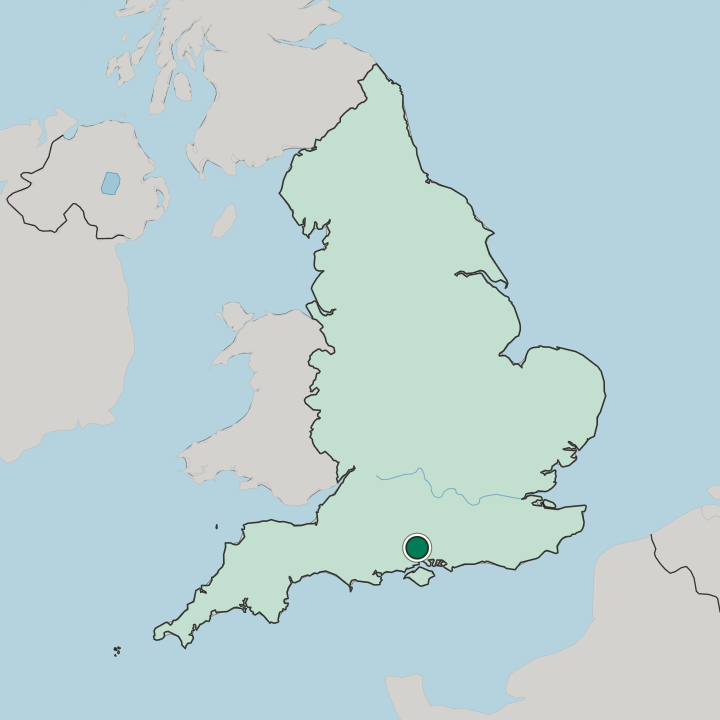
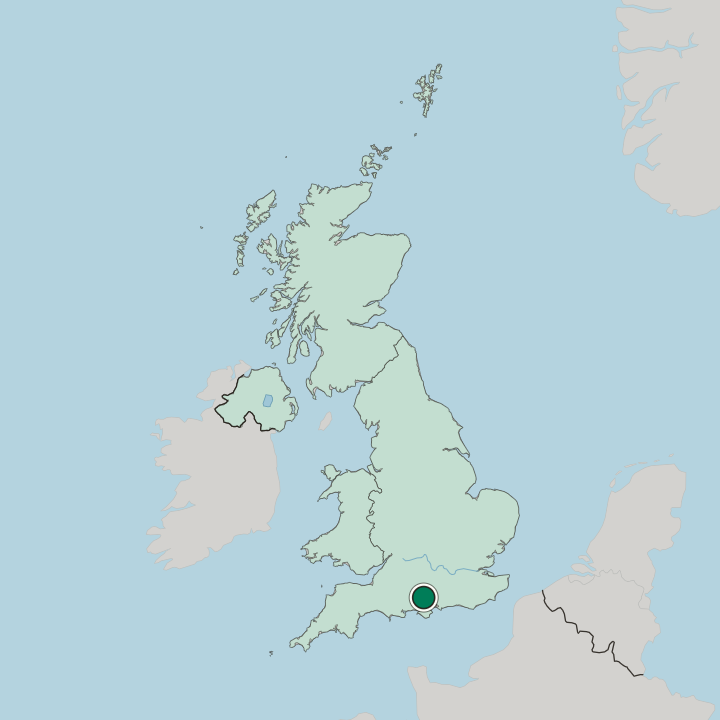
Eastleigh lies between two larger places. Southampton is on one side and Winchester the other, and the town holds the ground between them in Hampshire, close enough to both that the borough reads as a middle belt rather than a separate district. Parishes ring the town.
Bishopstoke, North Stoneham and South Stoneham sit around the built-up core, and Brambridge lies further out among the lanes the Borough of Eastleigh takes in.
What is the climate of Eastleigh?
Mild, and low-lying with it. Eastleigh sits in the northern temperate band on the ground between Southampton and Winchester, sheltered country without the high relief that would force weather one way or the other. Its winters barely bite.
Hampshire rarely holds snow for long, and the useful planning question is how wet a week will be rather than how cold it gets, since the gap between seasons here is measured in daylight and rain.
How do you get to Eastleigh?
Rail is the obvious approach. Eastleigh grew around a railway works between Southampton and Winchester, and the line running between those two places passes through the town, which is why arriving by train needs no special planning. Roads come in from both neighbours.
Mansbridge Road and the lanes toward Bishopstoke and Brambridge carry the local traffic, while the section of Roman road southwest of Titlark Farm is a reminder that this ground has been crossed for a very long time.
Common questions
What is the best area to stay in Eastleigh?
The works grid: Stays that want Eastleigh Museum and the railway streets on foot. Bishopstoke: Rooms at Bishopstoke rather than in the Eastleigh street grid. North and South Stoneham: Visitors after South Stoneham House and St Nicolas' Church instead of the museum. Brambridge: Beds near Brambridge House out among the borough lanes.
Good for
More cities in England
Updated October 2026