United Kingdom · England
Where to Stay in Guildford, England
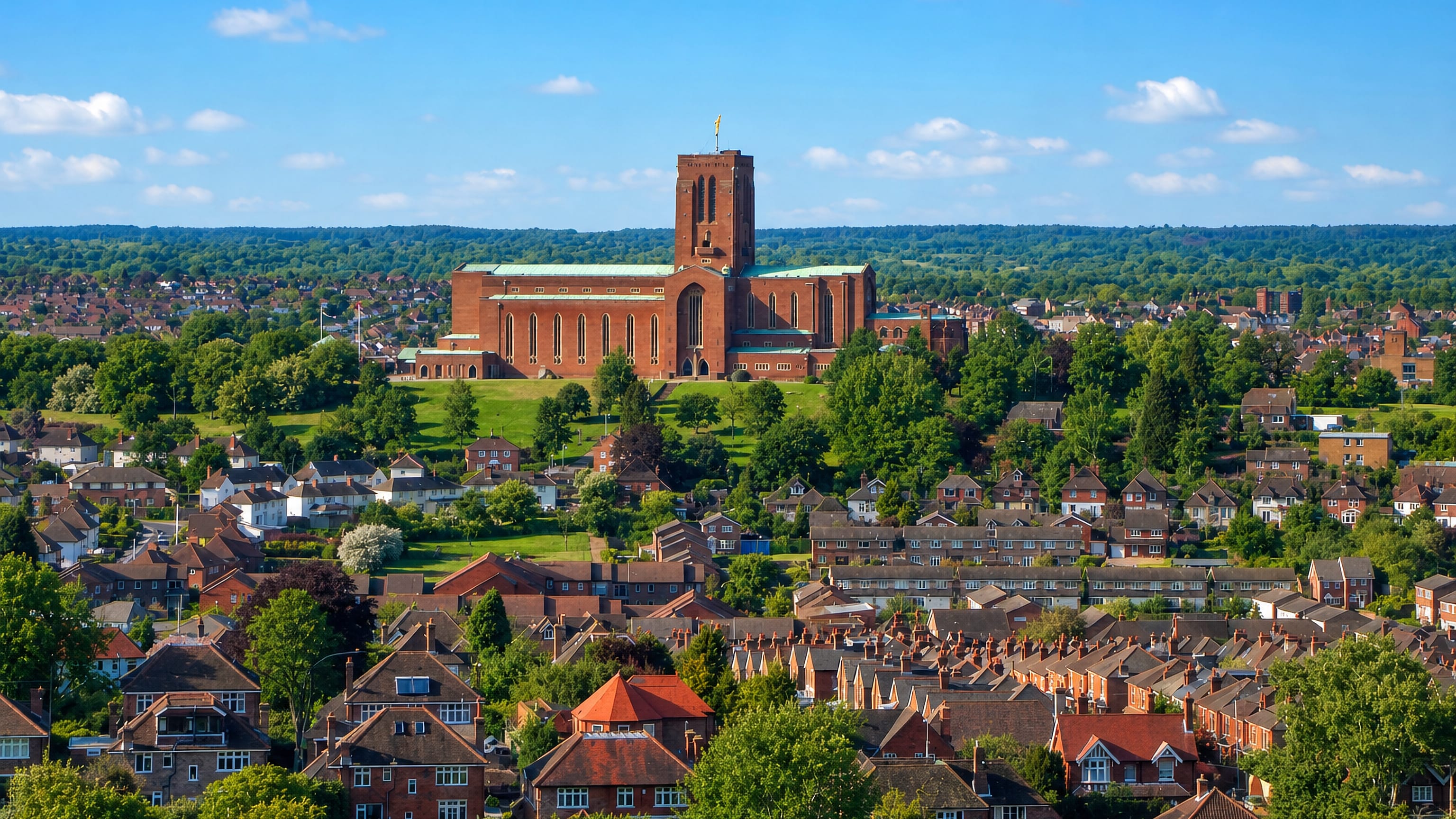
Guildford is a royal town in west Surrey, England, where a cobbled High Street climbs from the River Wey to a medieval castle keep.
Hotel links are affiliate links: booking through them may earn us a commission, at no extra cost to you. It never affects how places are ranked. How this works




Where to stay in Guildford
One neighbourhood here has its own guide — here's what it is best for.

 GuildfordUnited Kingdom
Merrow
Merrow is a suburb in the north-east of Guildford, in Surrey, on the edge of the ridge of hills that forms the North Downs.Where to stay →Hotel links are affiliate links: booking through them may earn us a commission, at no extra cost to you. It never affects how places are ranked. How this works
Find hotels in Guildford
Direct booking searches for these neighbourhoods.
The cobbled High Street
The climb up from the River Wey puts the castle keep, Guildford Museum and Guildford House in one walkFind hotels in The cobbled High StreetSlower stays that would rather follow the river than the climbThe Wey at Dapdune Wharf
Riverside ground by Dapdune Wharf and Guildford Bason stays flat and quiet within reach of the shopsFind hotels in The Wey at Dapdune WharfDrivers heading out to Loseley Park and the village parishesMerrow and Shalford
Outer parishes around the Church of St John the Evangelist, Merrow, with parking off the cobblesFind hotels in Merrow and ShalfordHotel links are affiliate links: booking through them may earn us a commission, at no extra cost to you. It never affects how places are ranked. How this works
Things to do in Guildford
Ranked by global recognition; descriptions from Wikidata (CC0).
Museums & Galleries
3- Guildford House Heritage
- Guildford Cathedral Treasury
- Surrey Police Museum
Churches & Religious Sites
8- St Mary's Church, Guildford Heritage
- Holy Trinity Church, Guildford Heritage
- St Nicolas' Church, Guildford Heritage
- Church of St Saviour Heritage
- Christ Church Heritage
Show 3 more →
- Church of St John the Evangelist Heritage
- Church of St John the Evangelist, Merrow Heritage
- Church of St Mary the Virgin, Shalford Heritage
Castles & Historic Sites
1- Guildford Castle Heritage
Stadiums & Sports
2- Sports Ground, Woodbridge Road, Guildford
- Guildford Bason
Landmarks & Notable Places
6- Booker's Tower Heritage
- Westbury House Heritage
- Lintott House Heritage
- 10 Quarry Street Heritage
- Levylsdene House Heritage
Show 1 more →
- Merrow House Heritage
worth knowingacross 5 categories in Guildford
About Guildford
Royal use set Guildford apart.
What is Guildford known for?
Guildford Castle served the King of England in the fifteenth century, and that connection left Surrey with a single royal town, a distinction still worked into the borough's museums and its civic identity. Guildford Museum and the Surrey Police Museum hold the local record, while Guildford House shows art off the High Street. Cobbles climb from the River Wey.
Dapdune Wharf and Guildford Bason belong to the river.
What are the main landmarks in Guildford?
Guildford Castle anchors the list, a medieval keep put to royal use in the fifteenth century and the reason Surrey has a royal town at all. Three parish churches serve the old centre: St Mary's Church, St Nicolas' Church, and Holy Trinity Church. Booker's Tower is the outlier.
Guildford House shows art off the High Street, Guildford Museum and the Surrey Police Museum keep the local collections, and the Guildford Cathedral Treasury adds a third. Dapdune Wharf and Loseley Park sit clear of the shopping streets.
What is the history of Guildford?
The name points to a crossing. Guildford's name is thought to derive from a crossing of the River Wey, the tributary of the Thames that still runs through the middle of the town. Guildford Castle followed, and its keep served the King of England in the fifteenth century.
Surrey has one royal town because of it. Parish churches mark the old core, and St Mary's Church, St Nicolas' Church and Holy Trinity Church still stand between the river and the top of the climb. Water carried the freight.
Dapdune Wharf and Guildford Bason survive from the years when the Wey moved goods to and from the town, and the wharf remains the clearest trace of that traffic. The old fabric survives too, from 10 Quarry Street to Guildford House and Lintott House, among buildings that go back hundreds of years. Booker's Tower is the odd one.
Outer parishes raised their own churches, the Church of St Mary the Virgin, Shalford, the Church of St John the Evangelist, Merrow, Christ Church, St Luke's Church and the Church of St Francis among them, while Loseley Park kept its estate clear of the streets. Three collections hold the record: Guildford Museum, the Surrey Police Museum and the Guildford Cathedral Treasury.
Where is Guildford?
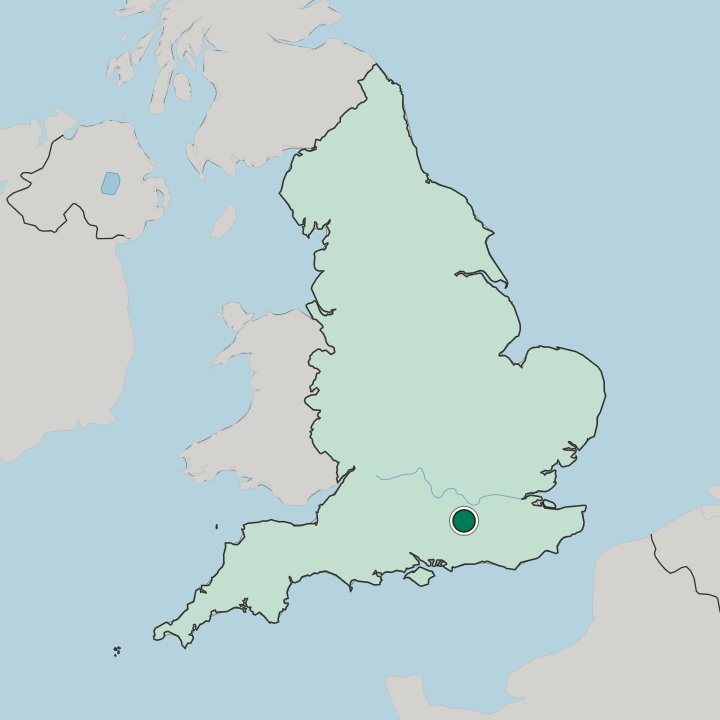
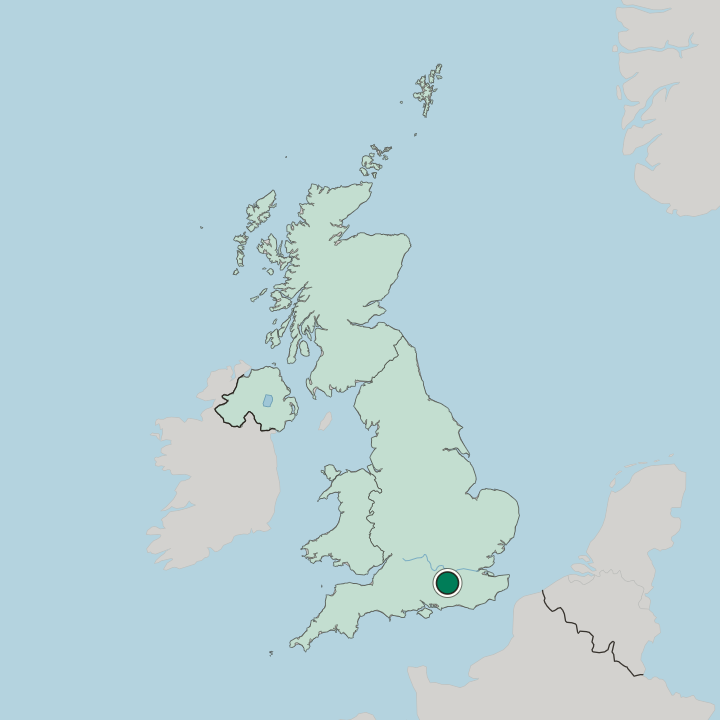
Water first, then the climb. Guildford sits in west Surrey, roughly 43 km southwest of central London, and the centre grew around a crossing of the River Wey that is thought to have given the place its name. Ground rises on either side of the water, steeply enough that the High Street is a climb and that the Church of St Martha on the Hill carries its height in its name.
Below the town the Wey runs on to the Thames. Shalford and Merrow each keep a parish church.
What is the climate of Guildford?
Rain is the constant here. Mild, wet air moves over Surrey through most of the year, so winters seldom bite for long and summers warm slowly, and the Wey valley holds mist on still mornings well after the High Street has dried. Cloud sits low on the hills.
Higher ground around the Church of St Martha on the Hill takes more wind and more rain than the sheltered gap where the town centre sits. A coat earns its place.
How do you get to Guildford?
Guildford lies roughly 43 km southwest of central London, near enough for a day trip by road or rail, and the old crossing of the River Wey still pulls traffic through the middle of town. The cobbled High Street is for walking, steep enough that the climb up from the crossing counts as the real arrival, and cars are better left at the edge of the centre. Shalford and Merrow lie a short way out.
The rest is on foot.
Common questions
What is the best area to stay in Guildford?
The cobbled High Street: First stays wanting Guildford Castle and Quarry Street on foot. The Wey at Dapdune Wharf: Slower stays that would rather follow the river than the climb. Merrow and Shalford: Drivers heading out to Loseley Park and the village parishes.
Good for
More cities in England
Updated September 2026