United Kingdom · England
Where to Stay in Harlow, England
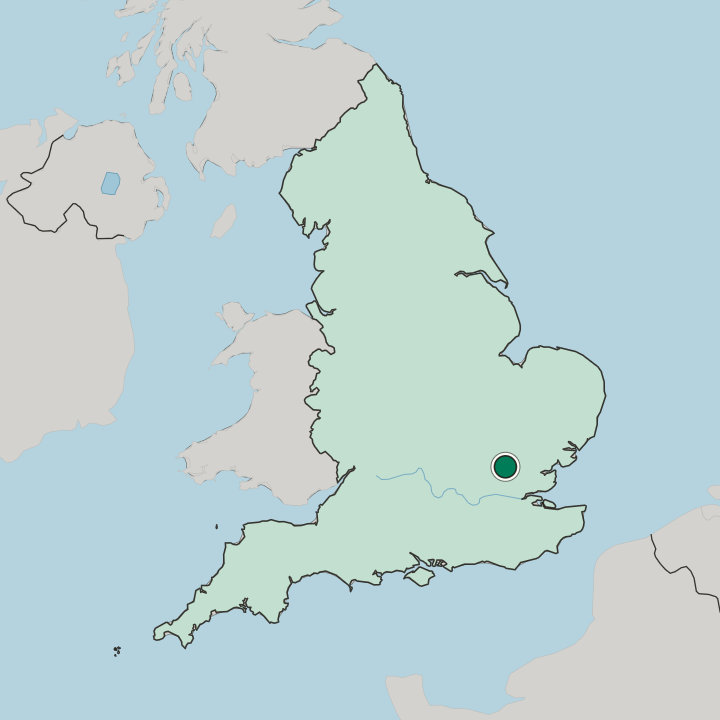
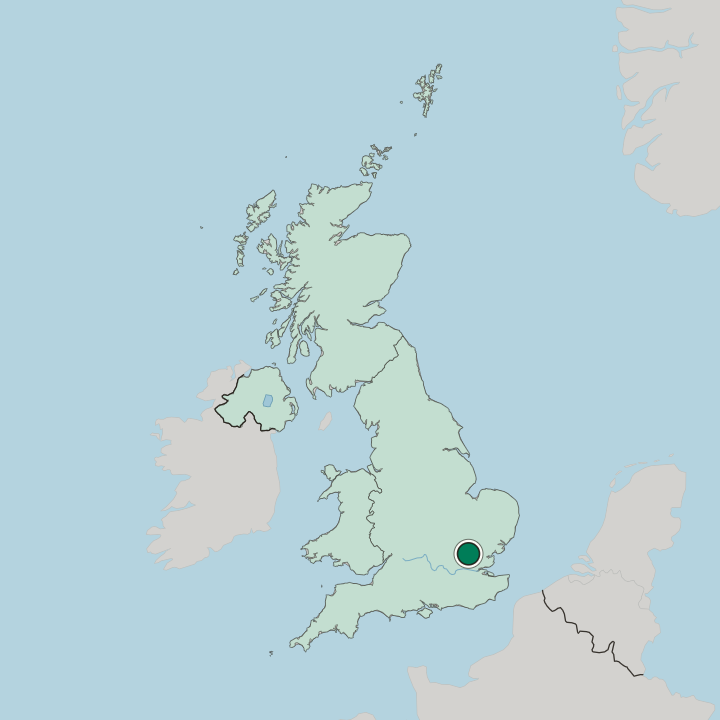
Harlow is a post-war new town in the west of Essex, England, planned around the older settlement that is still called Old Harlow.
Hotel links are affiliate links: booking through them may earn us a commission, at no extra cost to you. It never affects how places are ranked. How this works



Where to stay in Harlow
One neighbourhood here has its own guide — here's what it is best for.

 HarlowUnited Kingdom
Netteswell
Netteswell is a suburb of Harlow in Essex, a rural parish until the new town reached it, centred on St Andrew and Netteswellbury House.Where to stay →Hotel links are affiliate links: booking through them may earn us a commission, at no extra cost to you. It never affects how places are ranked. How this works
Find hotels in Harlow
Direct booking searches for these neighbourhoods.
The planned town centre
Post-war centre built in one go, with the Church of St Paul and its bell tower on level walking groundFind hotels in The planned town centreStays drawn to the settlement that predates the 1947 designationOld Harlow
The lanes around St Mary & St Hugh, The Lion Inn and Harlow Mill kept their older pattern. Rooms are few around here — worth securing early.Find hotels in Old HarlowDrivers heading for Harlowbury deserted medieval village and the field edgeGreat Parndon and the outer parishes
Outlying parish ground by the Church of St Mary the Virgin, Great Parndon and Parndon Mill House. Lodging is scarce in this area; reserve in advance.Find hotels in Great Parndon and the outer parishesHotel links are affiliate links: booking through them may earn us a commission, at no extra cost to you. It never affects how places are ranked. How this works
Things to do in Harlow
Ranked by global recognition; descriptions from Wikidata (CC0).
Churches & Religious Sites
8- Church of Our Lady of Fatima Heritage
- Church of St Mary the Virgin, Harlow Heritage
- St Mary & St Hugh, Old Harlow Heritage
- Parish Church of St Mary Heritage
- Church of St Andrew Heritage
Show 3 more →
- Church of St Mary the Virgin, Great Parndon Heritage
- Church of St Paul Including Attached Bell Tower, Church Hall, Flat Raised Pavement And Steps Heritage
- Church of St Mary Heritage
Castles & Historic Sites
4- Harlow Heritage
- Harlowbury deserted medieval village Heritage
- Johnston Monument At Gilston Parish Church At South West Corner Of Churchyard Heritage
- Little Parndon moated site Heritage
Stadiums & Sports
1- Harlow Sportcentre
Landmarks & Notable Places
6- Sheering Hall Heritage
- Parndon Mill House Heritage
- The Lion Inn Heritage
- Hill House Heritage
- Netteswellbury House Heritage
Show 1 more →
- The Red House Heritage
worth knowingacross 4 categories in Harlow
About Harlow
What is Harlow known for?
Designation as a new town in 1947 turned a small Essex town into planned housing estates, industrial areas and a purpose-built centre, laid out mostly west and south of what became Old Harlow. The old core survives. St Mary & St Hugh, Old Harlow stands in that older ground, and Harlow Museum & Walled Gardens keeps the local collection.
Harlow Sportcentre serves the newer estates. Harlowbury deserted medieval village and the Little Parndon moated site lie in the same district.
What are the main landmarks in Harlow?
Old Harlow holds the oldest fabric, where St Mary & St Hugh, The Lion Inn and Harlow Mill stand from before the designation. The Church of St Paul carries an attached bell tower, church hall and raised pavement, while the Church of Our Lady of Fatima and the Church of St Andrew stand among the later parishes. Harlow Museum & Walled Gardens keeps the collection.
Harlowbury deserted medieval village and the Little Parndon moated site are earthworks rather than buildings, and Parndon Mill House, Hill House and The Red House survive from before the rebuilding. Harlow Sportcentre covers the rest.
What is the history of Harlow?
Harlow was small before the plan. A town in the west of Essex with its parish church and its mill, it stayed that way until the middle of the twentieth century, and older marks lay all around it. Harlowbury deserted medieval village, the Little Parndon moated site and manor buildings such as Sheering Hall and Hill House all predate the rebuilding.
St Mary & St Hugh served the old settlement. The Lion Inn and Harlow Mill belong to that same early town, the one whose name the whole district took. Designation came in 1947.
Housing estates, industrial areas and a new town centre followed, laid out mostly west and south of the original settlement, which from then on was distinguished as Old Harlow. Churches served the new districts as they filled, among them the Church of St Paul with its attached bell tower and church hall, the Church of Our Lady of Fatima and the Church of St Andrew, while the older parishes of Great Parndon and Gilston kept their own. Harlow Sportcentre came with them.
Harlow Museum & Walled Gardens holds what survives of the earlier town, and the pair of names still splits the district between the plan and everything that preceded it.
Where is Harlow?
The town has two centres. Harlow occupies a district in the west of Essex, England, with the planned town spread mostly west and south of the older settlement at Old Harlow. Two mill sites survive, Harlow Mill and Parndon Mill House, and the parishes of Great Parndon, Little Parndon and Gilston edge the built-up area.
Sheering Hall lies beyond them. Harlowbury deserted medieval village sits on ground the plan never covered.
What is the climate of Harlow?
Essex weather is undramatic. Temperate air keeps Harlow's winters cool rather than severe and its summers warm rather than fierce, and rain arrives in every month without ever taking over a season. Open estate roads catch the wind, and the walkways between Harlow's districts feel colder in a January gust than the sheltered lanes of Old Harlow.
Layers beat umbrellas.
How do you get to Harlow?
The plan decides the routes. Harlow was laid out whole, so its roads run between designated districts rather than out from one old market square, and reaching Old Harlow from the new centre means crossing the estates that went in west and south of it. Harlow Mill and the lanes near St Mary & St Hugh mark the older way in, while the industrial areas take the heavier traffic on the newer side of town.
Distances flatter the map.
Common questions
What is the best area to stay in Harlow?
The planned town centre: Short city breaks wanting the shops and Harlow Sportcentre in reach. Old Harlow: Stays drawn to the settlement that predates the 1947 designation. Great Parndon and the outer parishes: Drivers heading for Harlowbury deserted medieval village and the field edge.
Good for
More cities in England
Updated October 2026