United Kingdom · England
Where to Stay in Kettering, England
Kettering is a market and industrial town of North Northamptonshire, west of the River Ise, known best for Wicksteed Park and its parish churches.
Hotel links are affiliate links: booking through them may earn us a commission, at no extra cost to you. It never affects how places are ranked. How this works


Where to stay in Kettering
One neighbourhood here has its own guide — here's what it is best for.
 KetteringUnited KingdomEarthwork walks at Barton Seagrave Castle and its moats
Barton Seagrave
The castle, the fishponds and the shrunken village remains lie beside the Church of All Saints.Barton Seagrave →Hotel links are affiliate links: booking through them may earn us a commission, at no extra cost to you. It never affects how places are ranked. How this works
Find hotels in Kettering
Direct booking searches for these neighbourhoods.
Around Wicksteed Park
Wicksteed Park's gates are the fixed point, and the rides start before the shops do.Find hotels in Around Wicksteed ParkVillage nights between the Church of St Edmund and WeekleyWarkton and Weekley
Two parish churches, St Edmund at Warkton and St Mary at Weekley, stand a short walk apart.Find hotels in Warkton and WeekleyHotel links are affiliate links: booking through them may earn us a commission, at no extra cost to you. It never affects how places are ranked. How this works
Things to do in Kettering
Ranked by global recognition; descriptions from Wikidata (CC0).
Museums & Galleries
2- Kettering Museum and Art Gallery Heritage
- Manor House Museum, Kettering
Churches & Religious Sites
8- Church of St Peter and St Paul Heritage
- Church of All Saints Heritage
- Church of Saint Botolph Heritage
- Church of St Mary, Weekley Heritage
- Church of St Edmund, Warkton Heritage
Show 3 more →
- Church of St Andrew Heritage
- Church of All Saints, Pytchley Heritage
- Church of Saint Mary Heritage
Castles & Historic Sites
3- Alfred East Monument Heritage
- Barton Seagrave moats, fishponds and shrunken medieval village remains Heritage
- Barton Seagrave Castle
Parks & Gardens
1- Wicksteed Park Heritage
Landmarks & Notable Places
8- Carey House Heritage
- Glendon Hall Heritage
- 12 Warkton Heritage
- Glebe House Heritage
- Holly House Heritage
Show 3 more →
- Manor House Heritage
- Rye Hill House Heritage
- The Rectory Heritage
worth knowingacross 5 categories in Kettering
About Kettering
What is Kettering known for?
Wicksteed Park is the reason most visitors come, and Morgan's Circus Clown Coaster is the ride they remember. Breakfast cereal is made here. The Church of St Peter and St Paul dominates the older streets, while the Kettering Museum and Art Gallery and the Manor House Museum, Kettering between them hold what the town has kept of its own record, from the parish churches to the industry that followed the railway.
Glendon Hall lies out of town.
What are the main landmarks in Kettering?
Wicksteed Park is the largest single draw, and Morgan's Circus Clown Coaster the piece of it that gets named. After the park, parish churches take over. The Church of St Peter and St Paul, the Church of Saint Botolph and the Church of St Andrew stand within the town, while the Church of St Edmund, Warkton, the Church of St Mary, Weekley and the Church of All Saints, Pytchley belong to the villages around it.
Barton Seagrave Castle stands apart. Glendon Hall, Carey House and the Manor House Museum, Kettering complete the list.
What is the history of Kettering?
The name means the place of Ketter's people, which puts the settlement well before anything now standing. Barton Seagrave holds the clearest evidence: a castle beside moats and fishponds, with the remains of a shrunken medieval village on the same ground, all of it emptied while Kettering itself kept going. Parish churches came next.
The Church of St Peter and St Paul, the Church of Saint Botolph and the churches at Warkton, Weekley and Pytchley mark a landscape of separate villages, each with its own parish, long before any of them became part of the same built-up area. Kettering owes much of its growth to the railway that arrived in the mid-nineteenth century, and the industry that followed filled the ground between the old parish core and the streets spreading past it. Weetabix is made here.
The Alfred East Monument, Carey House, Holly House, Glebe House and Rye Hill House survive from the decades on either side of that change, and the United Reformed Church and The Rectory record the denominations that grew alongside the parish. Wicksteed Park came later. The A14 has done to the edges of Kettering what the railway once did to its middle, drawing new housing and industrial ground out towards the road that links the M1 with the ports of the east coast.
Where is Kettering?
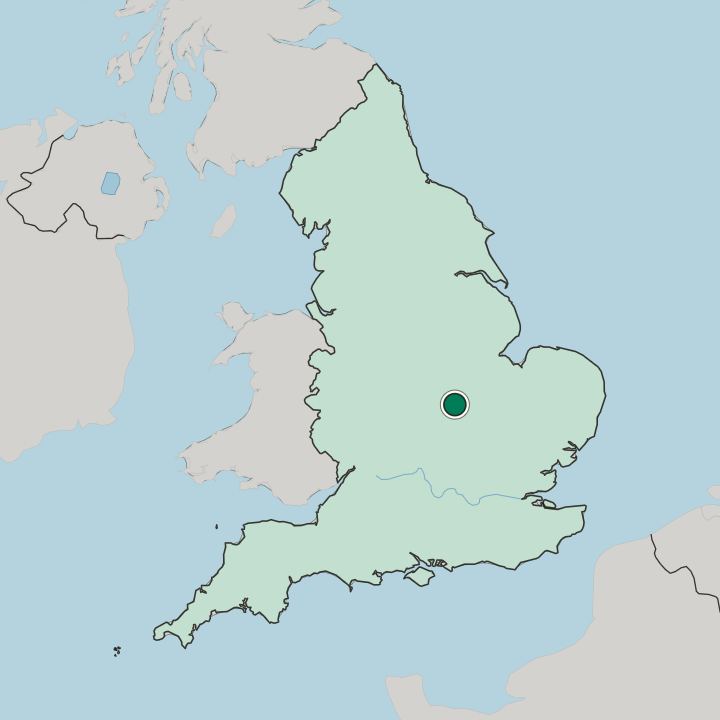
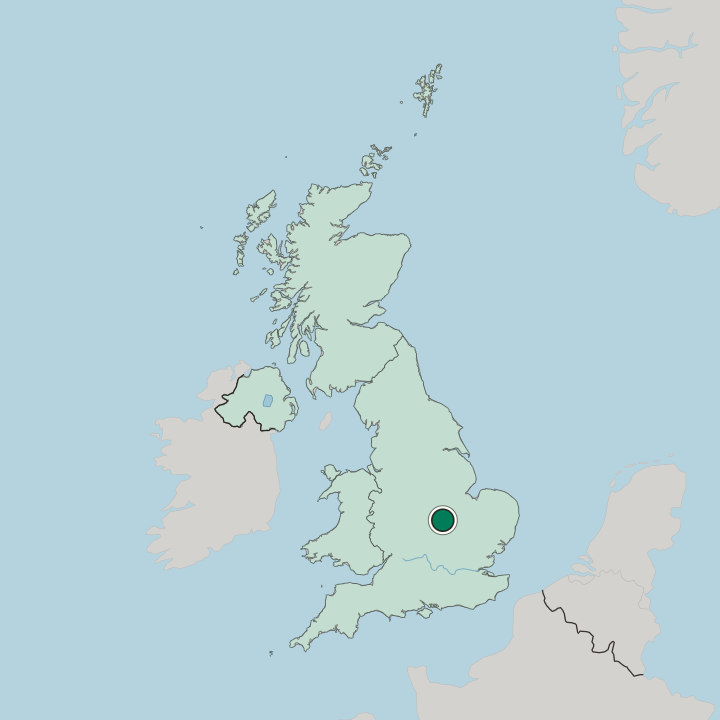
Kettering lies west of the River Ise, a tributary of the River Nene. Fields fill the space between. Measured against its neighbours the town sits west of Cambridge, south-west of Peterborough, south-east of Leicester and north-east of Northampton, which puts it near the middle of the ground those four define rather than at the edge of any.
Warkton, Weekley, Pytchley and Barton Seagrave sit close in, each still separated from the built-up area by farmland.
What is the climate of Kettering?
The River Ise takes the rainfall. Kettering sits inland in the temperate band of the northern hemisphere, well away from any coast, so the days run warmer in summer and colder in winter than they do in the towns along the shore. Frost lingers in the fields.
Rain spreads across the calendar rather than gathering into one season, which keeps Wicksteed Park green and makes the walk out to Barton Seagrave worth doing in almost any month.
How do you get to Kettering?
The A14 carries most of the traffic. It links the M1 with the ports of the east coast and runs past Kettering on the way, which is why industrial ground has gathered along the outskirts rather than in the middle of the town. Trains have served the town since the mid-nineteenth century.
Northampton, Leicester, Peterborough and Cambridge are all within an easy run by road, and Wicksteed Park is the first thing most drivers are looking for.
Common questions
What is the best area to stay in Kettering?
Around Wicksteed Park: Family stays with Morgan's Circus Clown Coaster in walking distance. Barton Seagrave: Earthwork walks at Barton Seagrave Castle and its moats. Warkton and Weekley: Village nights between the Church of St Edmund and Weekley.
Good for
More cities in England
Updated October 2026