United Kingdom · England
Where to Stay in St Albans, England
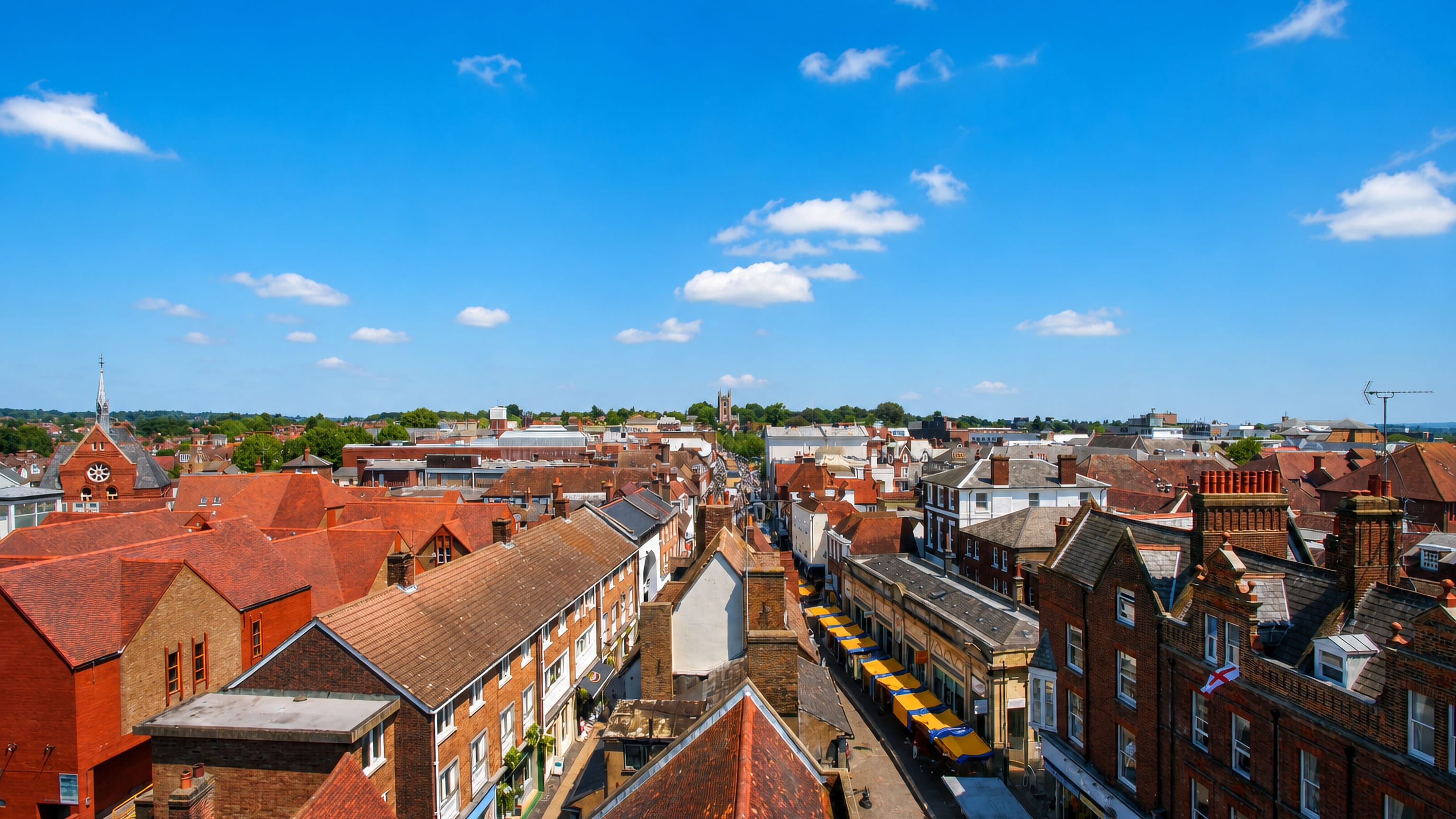
St Albans is a cathedral city in Hertfordshire, north-west of London, standing beside the Roman city of Verulamium on Watling Street.
Hotel links are affiliate links: booking through them may earn us a commission, at no extra cost to you. It never affects how places are ranked. How this works



Where to stay in St Albans
One neighbourhood here has its own guide — here's what it is best for.

 St AlbansUnited Kingdom
Cunningham
Cunningham is a St Albans district. The name is itself a surname of Scottish origin, one associated with Clan Cunningham.Where to stay →Hotel links are affiliate links: booking through them may earn us a commission, at no extra cost to you. It never affects how places are ranked. How this works
Find hotels in St Albans
Direct booking searches for these neighbourhoods.
Around Romeland House
Romeland House and The Blue Anchor stand in the oldest part of the cathedral cityFind hotels in Around Romeland HouseMornings spent on the Roman ground without a carThe Verulamium side
The Roman Theatre of Verulamium and the Verulamium Museum are both a short walk awayFind hotels in The Verulamium sideDrivers who would rather sleep outside the citySandridge
St Leonard's Church anchors this village beyond the built edge of St AlbansFind hotels in SandridgeHotel links are affiliate links: booking through them may earn us a commission, at no extra cost to you. It never affects how places are ranked. How this works
Things to do in St Albans
Ranked by global recognition; descriptions from Wikidata (CC0).
Museums & Galleries
3- Verulamium Museum
- Hypocaust Museum
- St Albans Musical Museum
Churches & Religious Sites
7- St Michael's Church, St Albans Heritage
- Church of St. Peter, St. Albans Heritage
- St. Stephen's Church, St. Albans Heritage
- St Leonard's Church, Sandridge Heritage
- Church of St Saviour Heritage
Show 2 more →
- Church of St Mary Heritage
- The Old Church Heritage
Castles & Historic Sites
3- Verulamium Heritage
- Beech Bottom Dyke Heritage
- Verulamium, part of wall and ditch of Roman city Heritage
Nature & Outdoors
1- Clarence Park, St Albans
Landmarks & Notable Places
7- The Old Moot House Heritage
- The Blue Anchor Heritage
- Verulam House Heritage
- Darrowfield House Heritage
- Romeland House Heritage
Show 2 more →
- Holywell House Heritage
- The White House Heritage
worth knowingacross 5 categories in St Albans
About St Albans
Rome came first here.
What is St Albans known for?
St Albans carries the Roman city of Verulamium in its ground, the first major town on Watling Street for travellers heading north, and the Roman Theatre, Verulamium Museum, and Hypocaust Museum all sit on that side of the city. Clarence Park lies on the other side. Old houses fill the rest of the register, among them Holywell House, Romeland House, Verulam House, and The Blue Anchor.
What are the main landmarks in St Albans?
Verulamium is the headline. The Roman Theatre of Verulamium, the surviving wall and ditch, the Verulamium Museum, and the Hypocaust Museum sit together, and the Gorhambury Roman Villa lies beyond the city itself. Clarence Park is the open ground of the city, and the St Albans Musical Museum its oddest collection.
Churches follow. St Michael's Church, St Stephen's Church, and the Church of St Peter stand among the older streets, with The Old Moot House and The Blue Anchor nearby.
What is the history of St Albans?
Verulamium came first. The Roman city stood on Watling Street as the first major town northward for travellers on that road, and its wall and ditch, the Roman Theatre of Verulamium, and the Hypocaust Museum all mark it now. Gorhambury adds a Roman villa.
Samian ware was found at Gorhambury, and the Verulamium Museum holds the record of what the Roman city left in the ground. The Beech Bottom Dyke runs nearby as another earthwork. The later city took the saint's name.
St Michael's Church, St Stephen's Church, and the Church of St Peter mark the old parishes, with St Leonard's Church at Sandridge outside them and the Church of St Mary, the Church of St Saviour, and The Old Church among the rest. Houses record the same centuries. The Old Moot House, The Blue Anchor, Holywell House, Romeland House, Verulam House, Darrowfield House, and The White House survive across the streets, and Old Gorhambury House stands out on the estate that carries its name.
Clarence Park belongs to the modern city, as does the St Albans Musical Museum. Hertfordshire still counts it a cathedral city.
Where is St Albans?
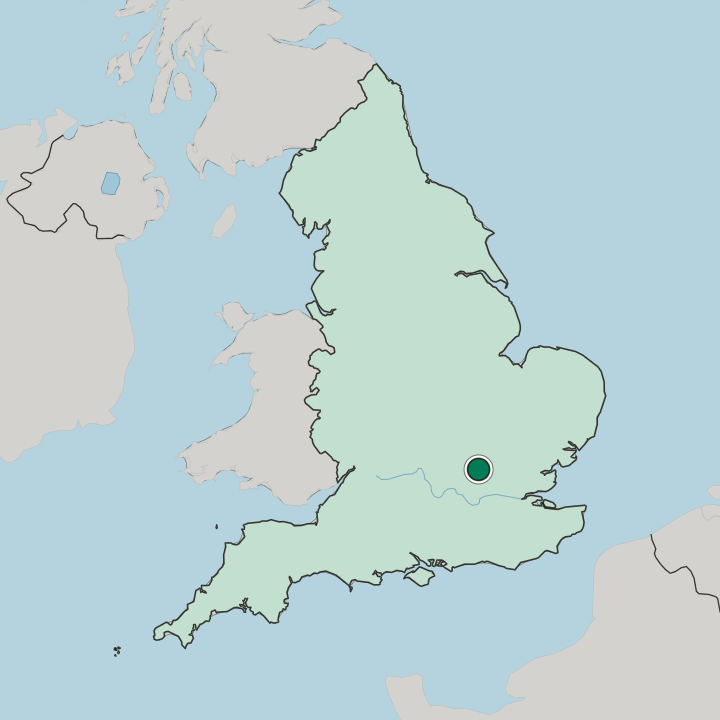
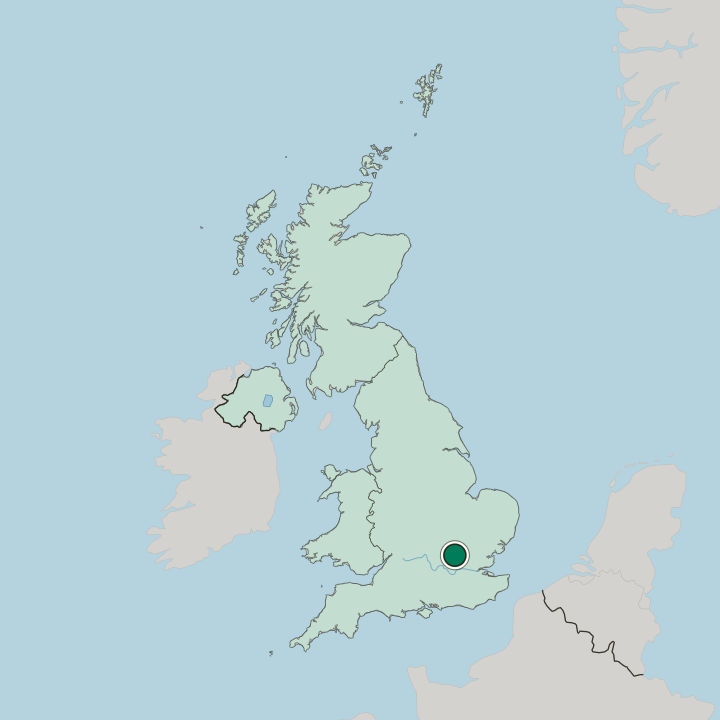
Hertfordshire holds the city. St Albans lies east of Hemel Hempstead and west of Hatfield, north-west of London, south-west of Welwyn Garden City, and south-east of Luton. Sandridge and Gorhambury sit on the edges.
The Beech Bottom Dyke survives as an earthwork at the edge of the city, and Gorhambury holds both a Roman villa and Old Gorhambury House.
What is the climate of St Albans?
Hertfordshire weather is moderate and grey by turns. Winters run cool and damp without much snow, summers stay warm rather than hot, and the temperate pattern of the country north-west of London carries through the year. Rain comes in every month.
Long dry spells are the exception rather than the rule.
How do you get to St Albans?
Watling Street set the line of approach. The Roman road ran north through the city, and modern journeys follow much the same axis: London to the south-east, Luton to the north-west, Hemel Hempstead west, and Hatfield east. Welwyn Garden City lies north-east.
Anything arriving from the capital comes up from the south-east, which keeps St Albans within reach of a day out from London.
Common questions
What is the best area to stay in St Albans?
Around Romeland House: Evenings in the oldest streets with The Blue Anchor at hand. The Verulamium side: Mornings spent on the Roman ground without a car. Sandridge: Drivers who would rather sleep outside the city.
Good for
More cities in England
Updated September 2026