United Kingdom · England
Where to Stay in Stroud, England
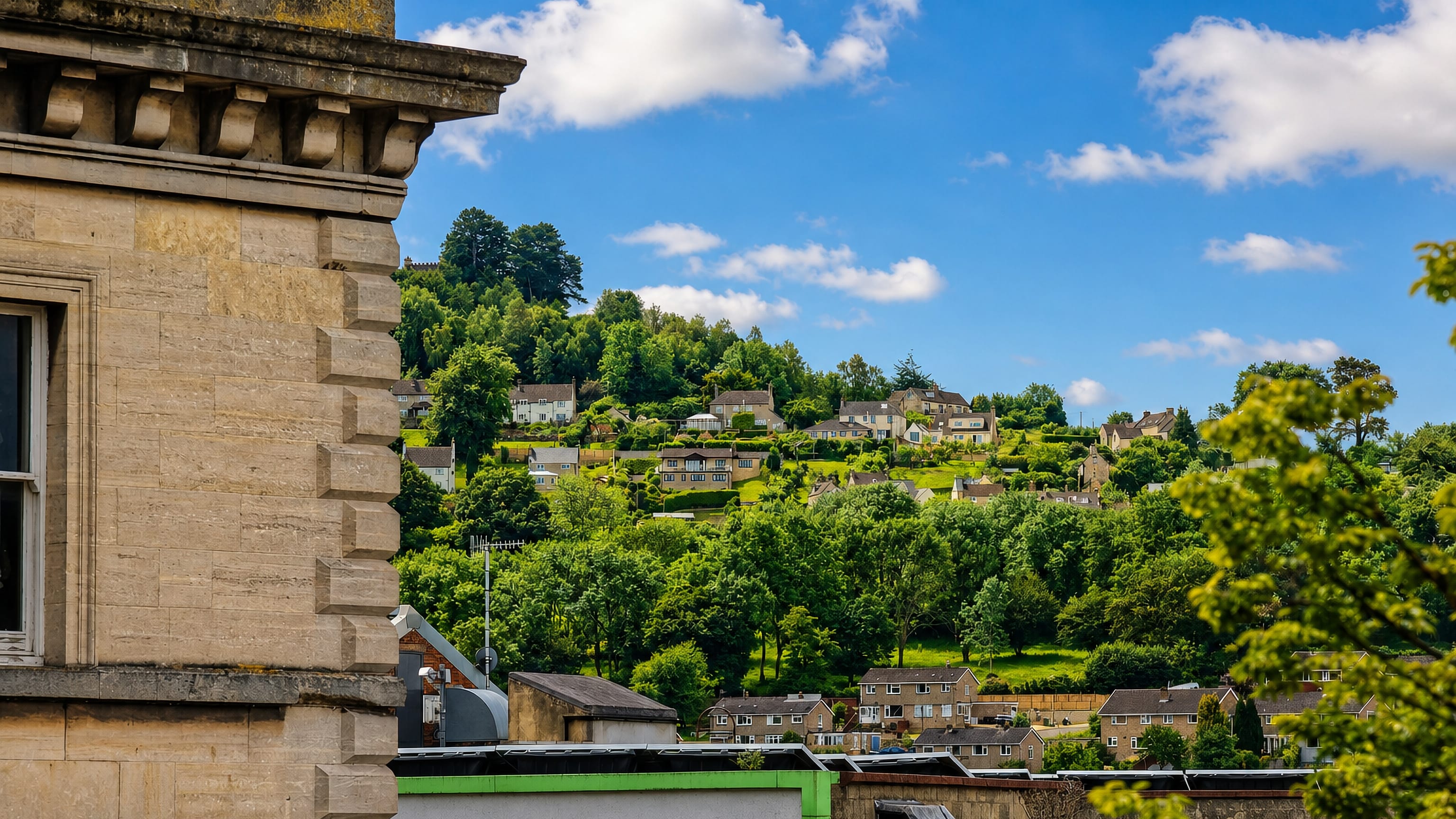
Stroud is a market town and civil parish in Gloucestershire, England, at the heart of the Five Valleys in the Cotswolds.
Hotel links are affiliate links: booking through them may earn us a commission, at no extra cost to you. It never affects how places are ranked. How this works



Where to stay in Stroud
Each area has its own feel; here's who each one suits.

 StroudUnited Kingdom
Uplands
Uplands is a district of Stroud, where Stratford Park and the Museum in The Park sit among stone houses, old mills and parish churches.Where to stay → StroudUnited Kingdom
Rodborough
Rodborough is a large village and civil parish directly south of Stroud in Gloucestershire, gathered around the Church of St Mary Magdalene.Where to stay → StroudUnited Kingdom
Bowbridge
Bowbridge is a village in Gloucestershire, on the outskirts of Stroud, where Bowbridge House and Gun House stand among its listed buildings.Where to stay → StroudUnited Kingdom
Cainscross
Cainscross is a suburban town and civil parish bordering Stroud, taking in Ebley, Cashes Green and part of Dudbridge in Gloucestershire.Where to stay →StroudUnited KingdomDudbridge
Dudbridge is a suburb on the southern edge of Stroud in Gloucestershire, with Cliffordine House and Selsley Church among its recorded entries.Where to stay →StroudUnited KingdomEbley
Ebley is a historic village in the valley of the River Frome, west of Stroud, and part of the civil parish of Cainscross.Where to stay →Hotel links are affiliate links: booking through them may earn us a commission, at no extra cost to you. It never affects how places are ranked. How this works
Find hotels in Stroud
Direct booking searches for these neighbourhoods.
The town centre
Stratford Park and the Museum in The Park: Stroud District Museum Service are both a short walk off.Find hotels in The town centreField walks starting from Brook House, 36 Slad RoadSlad Road
Slad Road climbs out of Stroud past Brook House and into open country.Find hotels in Slad RoadNights among the Five Valleys hamletsToward King's Stanley
Selsley Church, King's Stanley and Woodchester House set the pattern along these lanes.Find hotels in Toward King's StanleyFarm quiet within reach of Quarhouse FarmBrownshill
St Mary of the Angels Church, Brownshill marks the hamlet these tracks serve.Find hotels in BrownshillHotel links are affiliate links: booking through them may earn us a commission, at no extra cost to you. It never affects how places are ranked. How this works
Things to do in Stroud
Ranked by global recognition; descriptions from Wikidata (CC0).
Museums & Galleries
1- Stratford Park Heritage
Churches & Religious Sites
8- Selsley Church, King's Stanley Heritage
- St Mary of the Angels Church, Brownshill Heritage
- Church of All Saints Heritage
- Church of St Laurence Heritage
- Congregational Church Heritage
Show 3 more →
- Church of Holy Trinity Heritage
- Church of St Mary Heritage
- Church of St Mary Magdalene Heritage
Castles & Historic Sites
2- Column Monument Approx 300M To North West Of Stanley Park Heritage
- Dunn Monument In The Churchyard Approximately 20M North East Of Chancel Arch Heritage
Landmarks & Notable Places
8- Pitchcombe House Heritage
- The Sheephouse Heritage
- Bridge House Heritage
- 2 Callowell Heritage
- 7 Far Westrip Heritage
Show 3 more →
- Bowbridge House Heritage
- Brook House Heritage
- Brook House, 36 Slad Road Heritage
worth knowingacross 4 categories in Stroud
About Stroud
Organic food and long campaigns.
What is Stroud known for?
Stroud is the main town of Stroud District, and it carries a habit of organising to save local facilities and landmarks, along with an organic and biodynamic food trade that marks it out from the other Cotswolds towns of its size. The Five Valleys meet here. Stratford Park and the Museum in The Park: Stroud District Museum Service give the town its public face, and the Church of All Saints anchors the streets between them.
What are the main landmarks in Stroud?
Houses do much of the work here. The Sheephouse, Pitchcombe House, and The Cottage Wick Street House stand among a long list of protected buildings across the Five Valleys, while the Museum in The Park: Stroud District Museum Service gathers the district collection and Stratford Park keeps the open green. Beyond the houses, the parish churches take over.
The Church of St Laurence, the Church of St Mary Magdalene, and the Church of St Michael and All Angels serve the settlements around the town.
What is the history of Stroud?
The record here is built rather than written. Stroud grew as a market town and civil parish in Gloucestershire, and the fabric left from those centuries is domestic as much as ecclesiastical: The Sheephouse, Pitchcombe House, Woodchester House, Rooksmoor House, and Southfield House all stand in or above the Five Valleys. Farms worked the land between them.
Quarhouse Farm and The Cottage Wick Street House belong to that working landscape, while Bridge House and Brook House, 36 Slad Road mark the streets where the town proper begins. Parishes multiplied. The Church of All Saints, the Church of St Mary, the Church of St Laurence, the Church of St Mary Magdalene, the Church of St Matthew, the Church of the Holy Trinity, and the Church of St John the Baptist each served their own settlement, and the Congregational Church and the Church of St Paul stand among them.
Selsley Church, King's Stanley and St Mary of the Angels Church, Brownshill did the same duty for the hamlets. Stroud became the main town of Stroud District, and the Museum in The Park: Stroud District Museum Service holds the collection that records it. Campaigning turned into a local habit.
A long practice of organising to save local facilities and landmarks runs through the modern town, sitting alongside the organic and biodynamic food trade that gives Stroud its standing among Cotswolds towns.
Where is Stroud?
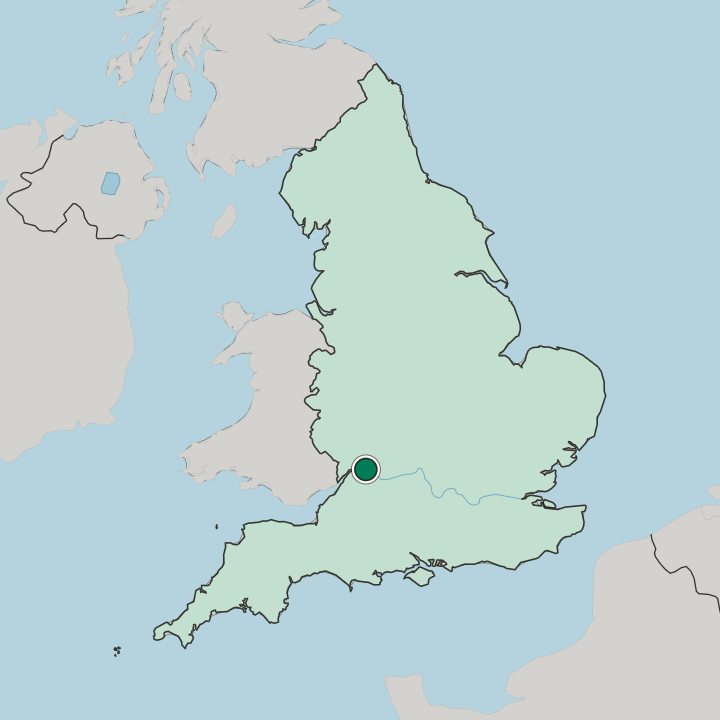
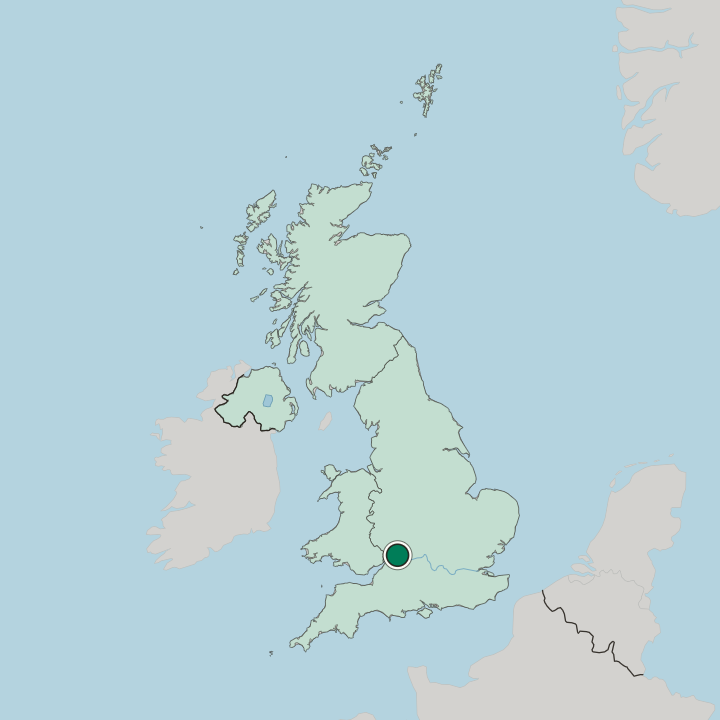
The Five Valleys converge on Stroud. The town holds their meeting point in the Cotswolds, in Gloucestershire, with lanes running out to King's Stanley, Brownshill, and Woodchester and the valley sides closing the view on every hand. Stratford Park breaks the built ground.
Past it the fields and farms take over quickly, Quarhouse Farm among them, and the higher Cotswolds country begins.
What is the climate of Stroud?
The valleys do the work on Stroud's weather. Damp temperate air settles along the Five Valleys, so mist can hold in the bottoms long after the higher Cotswolds ground has cleared, and rain falls in every month without ever taking over a season. Frost is a valley matter.
Summers stay mild, and the fields around Quarhouse Farm green up early.
How do you get to Stroud?
Slad Road is one way in. It runs past Brook House, 36 Slad Road toward the upper end of the valley, and Wick Street does much the same on another flank, so arrivals from the Cotswolds drop down into Stroud rather than reach it on the level. The town is the district hub.
Smaller places across Stroud District, King's Stanley and Brownshill among them, look to it for the market and the museum.
Common questions
What is the best area to stay in Stroud?
The town centre: A first visit built around the Museum in The Park. Slad Road: Field walks starting from Brook House, 36 Slad Road. Toward King's Stanley: Nights among the Five Valleys hamlets. Brownshill: Farm quiet within reach of Quarhouse Farm.
Good for
More cities in England
Updated October 2026