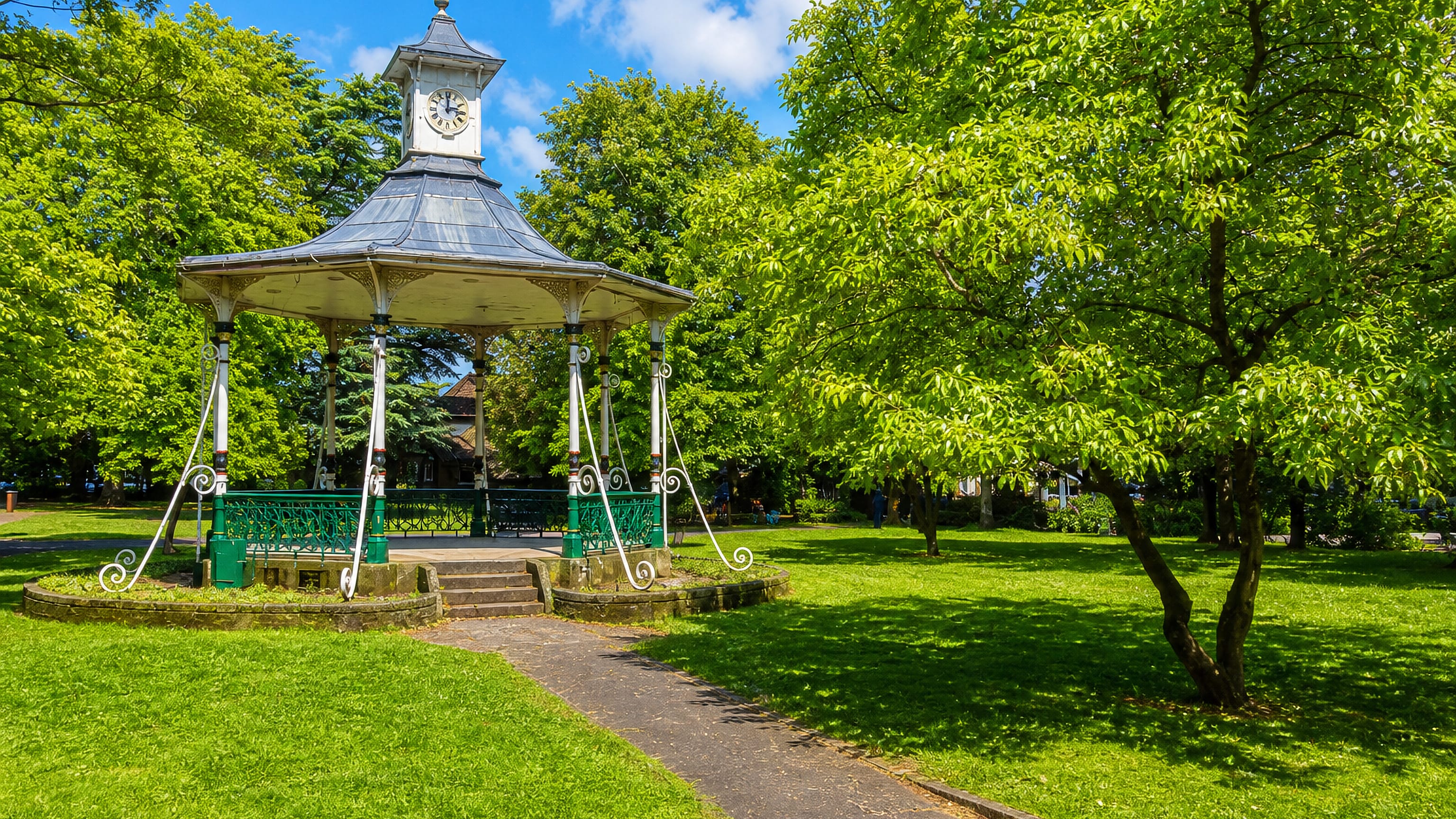
United Kingdom · England
Where to Stay in Swindon, England
Swindon is a town of Wiltshire in southern England, a railway town on the edge of the Marlborough Downs, built around the Great Western Railway works.
Hotel links are affiliate links: booking through them may earn us a commission, at no extra cost to you. It never affects how places are ranked. How this works


Where to stay in Swindon
The right area depends on your trip — here's what each neighbourhood is best for.

 SwindonUnited Kingdom
Okus
Okus is the Swindon district where Christ Church, Swindon Museum and the Museum of Computing at Swindon stand within a few streets of each other.Where to stay →SwindonUnited KingdomGorse Hill
Gorse Hill is the Swindon district holding the County Cricket Ground, with St Luke's Church and the Church of St Barnabas among its streets.Where to stay →SwindonUnited KingdomWichelstowe
Wichelstowe is a suburb south of Swindon, 3 kilometres from the centre, laid out as East Wichel, Middle Wichel and West Wichel on the Wilts & Berks Canal.Where to stay →SwindonUnited KingdomRodbourne
Rodbourne is a suburb of Swindon in Wiltshire, north of the town centre, taking in the ground formerly called Even Swindon.Where to stay → SwindonUnited Kingdom
Nythe
Nythe is a residential district of Swindon in England, and its two recorded landmarks are St John's Church and St Andrew's Church.Where to stay →SwindonUnited KingdomCovingham
Covingham is a residential district of Swindon whose two recorded entries are St Pauls Church Centre and a Roman town site west of Wanborough House.Where to stay →Hotel links are affiliate links: booking through them may earn us a commission, at no extra cost to you. It never affects how places are ranked. How this works
Find hotels in Swindon
Direct booking searches for these neighbourhoods.
Old Town
Up on the chalk hillFind hotels in Old TownStays wanting the works and museumThe railway town
Below on the plainFind hotels in The railway townHotel links are affiliate links: booking through them may earn us a commission, at no extra cost to you. It never affects how places are ranked. How this works
Things to do in Swindon
Ranked by global recognition; descriptions from Wikidata (CC0).
Museums & Galleries
3- Former Model Lodging House For The Great Western Railway Heritage
- Richard Jefferies Museum Heritage
- Museum & Art Swindon
Churches & Religious Sites
7- St Mark's Church, Swindon Heritage
- Christ Church Heritage
- St Augustine, Swindon Heritage
- Church of St Mary Heritage
- Church of St Margaret Heritage
Show 2 more →
- Remains of Holy Rood Church, The Lawn, Old Town Heritage
- Church of St Barnabas Heritage
Castles & Historic Sites
3- Roman pottery 140m SSW of Tewkesbury Cross Heritage
- Site of Roman town, W of Wanborough House Heritage
- Site of watermill 290m south east of West Leaze Heritage
Stadiums & Sports
1- County Cricket Ground, Swindon
Landmarks & Notable Places
8- Villetts House Heritage
- Day House Heritage
- Bank House Heritage
- Chain Test House Heritage
- Coventry House Heritage
Show 3 more →
- Kode House Heritage
- Mill House Heritage
- Tritton House Heritage
worth knowingacross 5 categories in Swindon
About Swindon
Swindon is the railway town of Wiltshire.
What is Swindon known for?
On the chalk edge of the Marlborough Downs in southern England, it grew around the works of the Great Western Railway, and it keeps the great locomotive works now kept as a museum of steam, the model streets of the railway village Brunel laid out, the old market town on the hill above, and the downs and the ancient Ridgeway path beyond. The chalk hills rise south. Trains built the town.
What are the main landmarks in Swindon?
The old railway works are the mark of Swindon. The long stone sheds where the Great Western built its engines, now the STEAM museum of the line, stand by the station, the emblem of the town, downtown. A model village lies beside them.
The stone streets Brunel laid for his workers still stand nearby, while the old market town on the hill, the Coate Water of the writer Jefferies, and the Ridgeway on the downs mark the country around Swindon.
What is the history of Swindon?
Swindon began as a small hilltop town. For centuries a quiet market stood on the chalk hill, selling the sheep and corn of the downs, until the railway came and changed all. Brunel chose the spot.
When the Great Western Railway drove its line west from London, its engineer set the company's great works at Swindon, and a whole new town of foundries and sheds grew below the old one on the plain. The works made the town. Thousands labored in the railway sheds, building and mending the engines of the line, and the company raised a model village of stone cottages, a church, and a hospital for its men.
The whistle ruled the day. Long lines of workers crossed to the sheds at the sound of the hooter, and Swindon grew into one of the great railway towns of Britain, until the works closed at last and the sheds became a museum, so the town kept its village, its steam, and its downs. The old cottages still stand in rows.
Swindon keeps its railway town below the chalk downs of Wiltshire.
Where is Swindon?
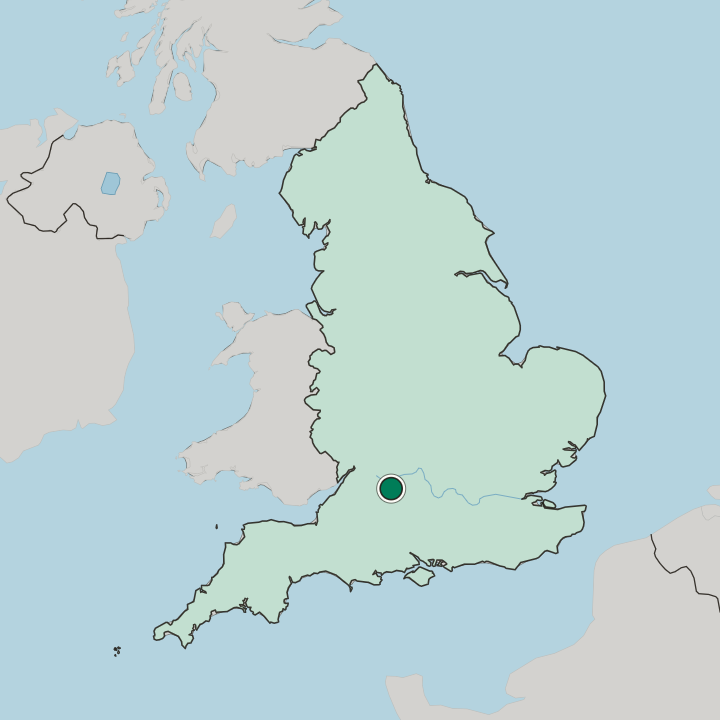
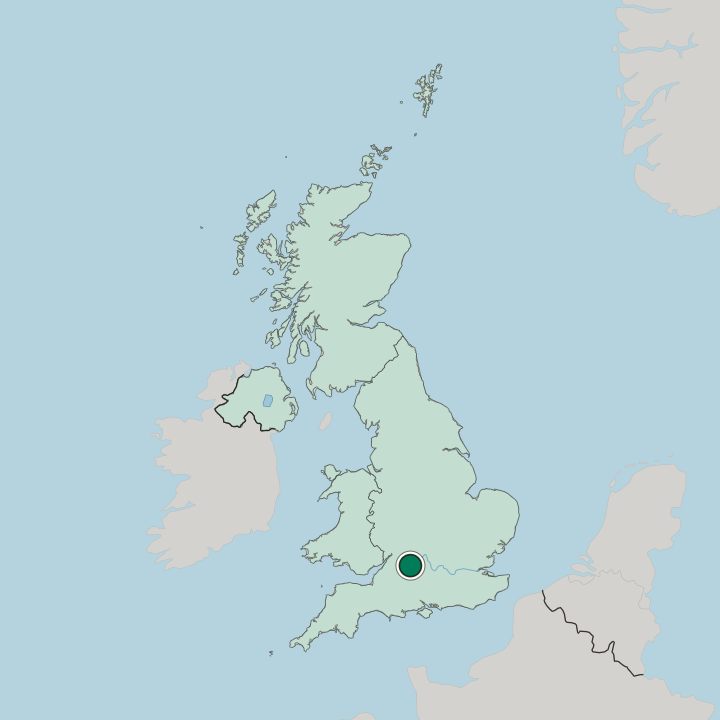
Swindon lies in the north of Wiltshire, on the chalk downs above the upper Thames plain. The town spreads from an old hilltop market to a wide new town on the flat below, with the Marlborough Downs and the Ridgeway rising to the south and the vale running north toward the Cotswolds. The chalk holds the high ground.
Fields roll off to the vale.
What is the climate of Swindon?
Swindon has a mild, damp climate. Cool cloudy winters and warm changeable summers cross the downs, with soft rain the year round and gentle weather off the sea. The winter stays grey and wet.
Summer warms the chalk.
How do you get to Swindon?
Swindon lies in north Wiltshire, on the Great Western line between London and Bristol. Fast trains and the motorway run to it west from London, and roads climb south to the downs and the stone circle at Avebury. Trains stop often.
London lies east down the line.
Common questions
What is the best area to stay in Swindon?
Old Town: Visitors here for the older hilltop quarter. The railway town: Stays wanting the works and museum.
Good for
More cities in England
Updated September 2026