United Kingdom · England
Where to Stay in Wellingborough, England
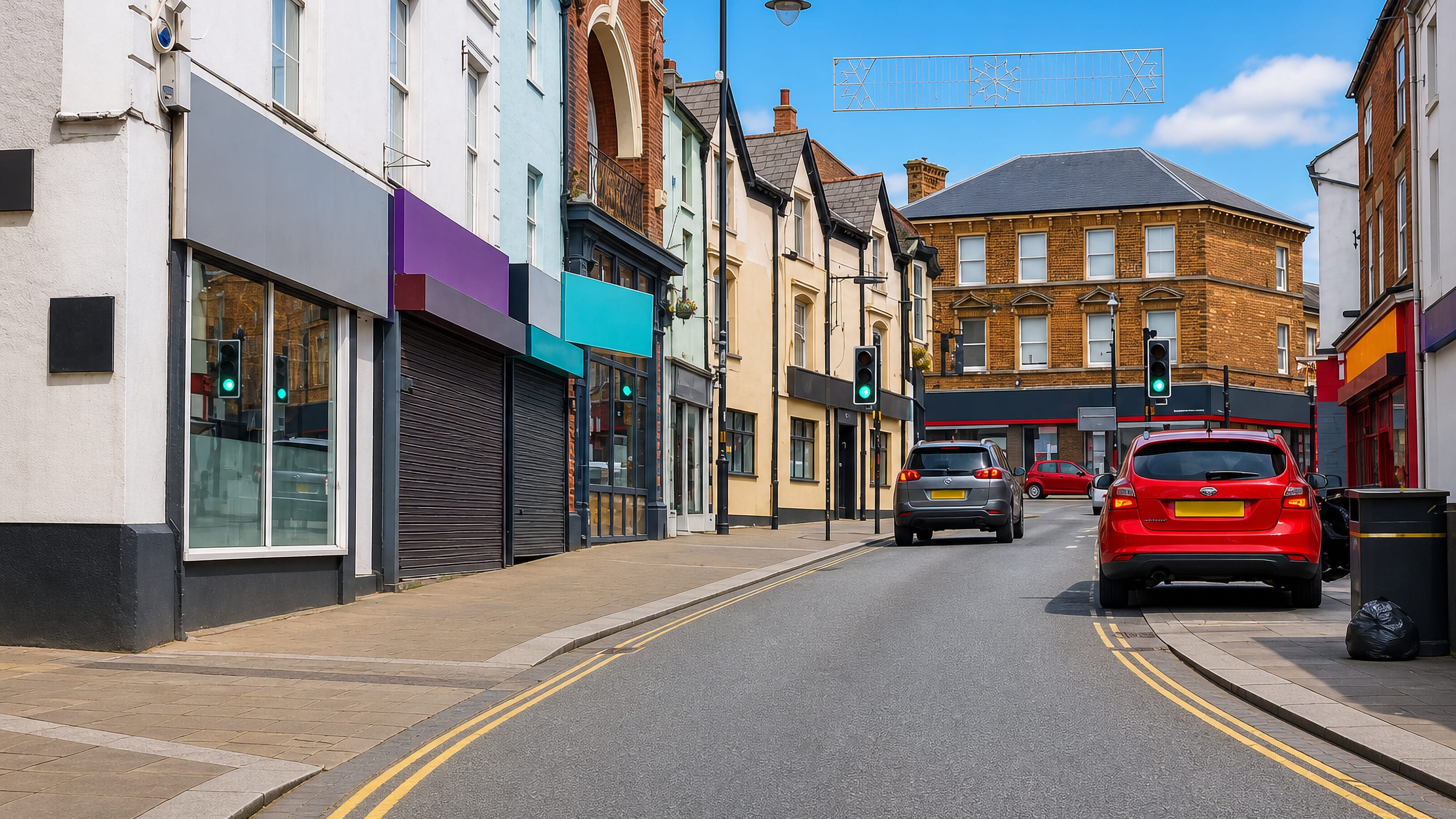
Wellingborough is a Northamptonshire market town on the hills above the River Nene, with the Church of All Hallows at its old centre.
Hotel links are affiliate links: booking through them may earn us a commission, at no extra cost to you. It never affects how places are ranked. How this works



Where to stay in Wellingborough
Where visitors usually base themselves, and why.
The hill holds the old town. Rooms up around the Church of All Hallows and Wellingborough Museum keep you on the high ground the builders chose to stay clear of the Nene, within a walk of the market streets, which suits a stay built on the town itself rather than the county around it. Croyland Hall and Queen Anne House stand among those streets.
Stuart House, the Manor House and Grey Walls survive among the same buildings, which makes the old centre the most interesting ground to sleep on even where the rooms are plain. The walk down to the river takes only a few minutes. Hatton Park is the other choice.
A base there trades the old centre for newer residential streets, parking without a search and quick access to the roads out towards Northampton. Irchester lies out beyond the edge of town. The Roman town of Irchester and the Irchester Narrow Gauge Railway Museum are the reason to be out there, and rooms in the villages are few enough that booking early matters more than choosing a street.
Wilby is quieter still. Wilby House and the Church of St Mary the Virgin mark it, and a night out there means fields, dark lanes and a drive back into Wellingborough for anything else.
Find hotels in Wellingborough
Direct booking searches for these neighbourhoods.
The old town on the hill
High ground above the Nene flood plain, with Wellingborough Museum and Croyland Hall on the same streetsFind hotels in The old town on the hillParking and a quick road out towards NorthamptonHatton Park
Newer residential streets away from Wellingborough's old market centre. Beds are limited here, so book early.Find hotels in Hatton ParkTrips to the Roman town of Irchester and its narrow gauge museumIrchester
A village past the town edge, with the buried Iron Age settlement lying close by. Beds are limited here, so book early.Find hotels in IrchesterNights among the fields by Wilby HouseWilby
A quiet village marked by its Church of St Mary the Virgin, with a drive back into Wellingborough for everything else. Rooms are few around here — worth securing early.Find hotels in WilbyHotel links are affiliate links: booking through them may earn us a commission, at no extra cost to you. It never affects how places are ranked. How this works
Things to do in Wellingborough
Ranked by global recognition; descriptions from Wikidata (CC0).
Museums & Galleries
1- Wellingborough Museum
Churches & Religious Sites
6- Church of St Mary the Virgin Heritage
- Church of All Hallows Heritage
- United Reformed Church Heritage
- Church of St Katherine Heritage
- Church of St Nicholas Heritage
Show 1 more →
- Church of All Saints Heritage
Castles & Historic Sites
3- Roman town of Irchester and preceding Iron Age settlement; including remains of the medieval hamlet of Chester on the Water Heritage
- site in the center part of Irchester Roman town Heritage
- site in the north-western part of Irchester Roman town Heritage
Stadiums & Sports
2- Wellingborough School
- Hatton Park, Wellingborough
Landmarks & Notable Places
8- Croyland Hall Heritage
- Grey Walls Heritage
- Hatton House Heritage
- Leighton House Heritage
- Manor House Heritage
Show 3 more →
- Queen Anne House Heritage
- Repete House Heritage
- Stuart House Heritage
worth knowingacross 5 categories in Wellingborough
About Wellingborough
Market days still shape the week.
What is Wellingborough known for?
Wellingborough is a market town in North Northamptonshire whose older streets climb the slopes above the River Nene, well clear of the ground the river floods. The Church of All Hallows stands over the centre. Wellingborough Museum, Wellingborough School and the Roman town of Irchester give a visitor the rest of the reasons to stop.
What are the main landmarks in Wellingborough?
The Church of All Hallows is the town's landmark. Wellingborough Museum sits nearby, and the Roman town of Irchester with its Iron Age settlement gives the district its deepest layer, while the Irchester Narrow Gauge Railway Museum covers something much later. Croyland Hall, Wilby House and Queen Anne House are the pick of the old houses.
Hatton Park, Wellingborough takes the walkers.
What is the history of Wellingborough?
Irchester came long before the town. The Roman town of Irchester and the Iron Age settlement beneath it lie close by, together with the remains of the medieval hamlet of Chester on the Water, and the record includes a site in the center part of Irchester Roman town as well as a site in the north-western part of it. The Iron Age Farmstead at Victoria Park belongs to the same buried landscape.
Wellingborough grew later on the hill. The Church of All Hallows served the market town, with the Church of St Mary the Virgin and the Church of St Katherine among the parishes around it. Stone houses record the prosperous years.
Croyland Hall, the Manor House, Queen Anne House, Stuart House and Wilby House survive from the centuries when this was a country market town trading with Northampton and the villages around. Wellingborough School took root here too. Later building brought the Church of All Saints, the Church of St Nicholas and the United Reformed Church, while Hatton House, Leighton House, Telford House, Repete House and Grey Walls filled the streets between them.
Wellingborough Museum holds what is left of the record. The Irchester Narrow Gauge Railway Museum keeps the narrow gauge story going.
Where is Wellingborough?
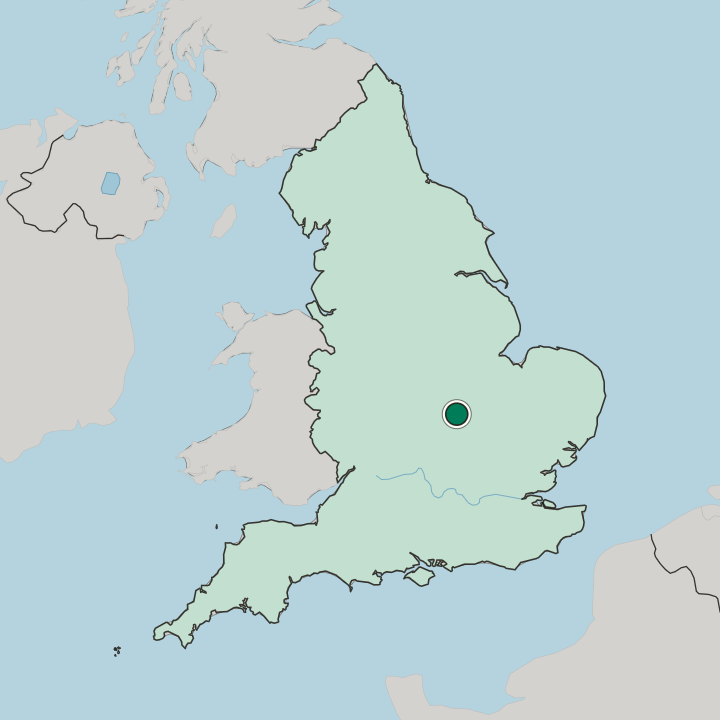
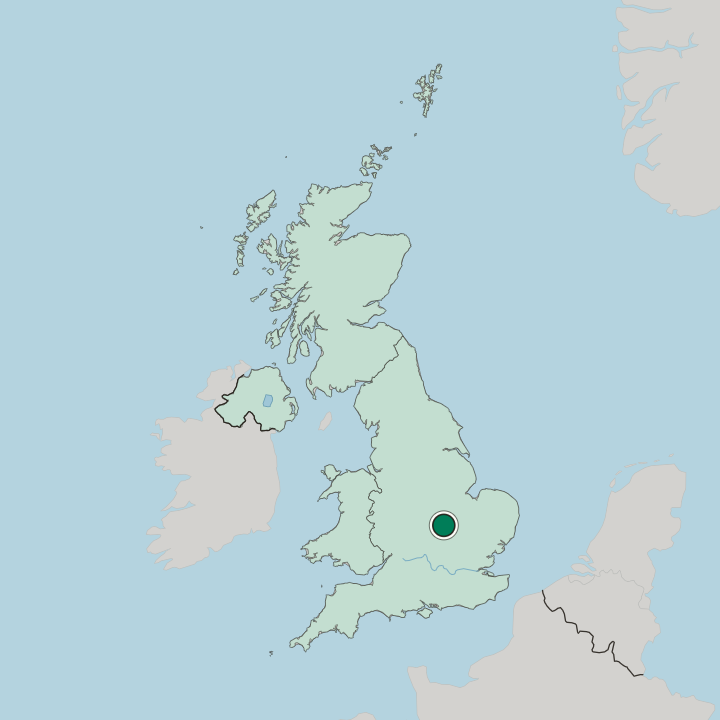
The Nene sets the limits. Wellingborough stands on the north side of the River Nene, with most of the older town on the flanks of the hills above the flood plain, since the river has flooded often enough to keep building off the low ground. Northampton lies ten miles away.
London is some sixty-five miles off, and Irchester, Wilby and Hatton Park sit around the edges of the borough.
What is the climate of Wellingborough?
The Nene does the damage here. Wet spells swell the river until the flood plain fills, which is why the older streets sit up on the hill, and the town's weather otherwise runs to the mild grey middle common to inland Northamptonshire. Frosts come and go.
Fine summer weekends draw people to Hatton Park, Wellingborough and out along the valley towards Irchester.
How do you get to Wellingborough?
Roads follow the valley. Northampton sits ten miles away as the county town, London some sixty-five miles beyond it, and the run between them keeps Wellingborough within reach of both without belonging to either. Irchester and Wilby lie on the local roads.
Market-day traffic fills the centre.
Common questions
What is the best area to stay in Wellingborough?
The old town on the hill: Market-town stays beside the Church of All Hallows. Hatton Park: Parking and a quick road out towards Northampton. Irchester: Trips to the Roman town of Irchester and its narrow gauge museum. Wilby: Nights among the fields by Wilby House.
Good for
More cities in England
Updated October 2026