United Kingdom · England
Where to Stay in Woking, England
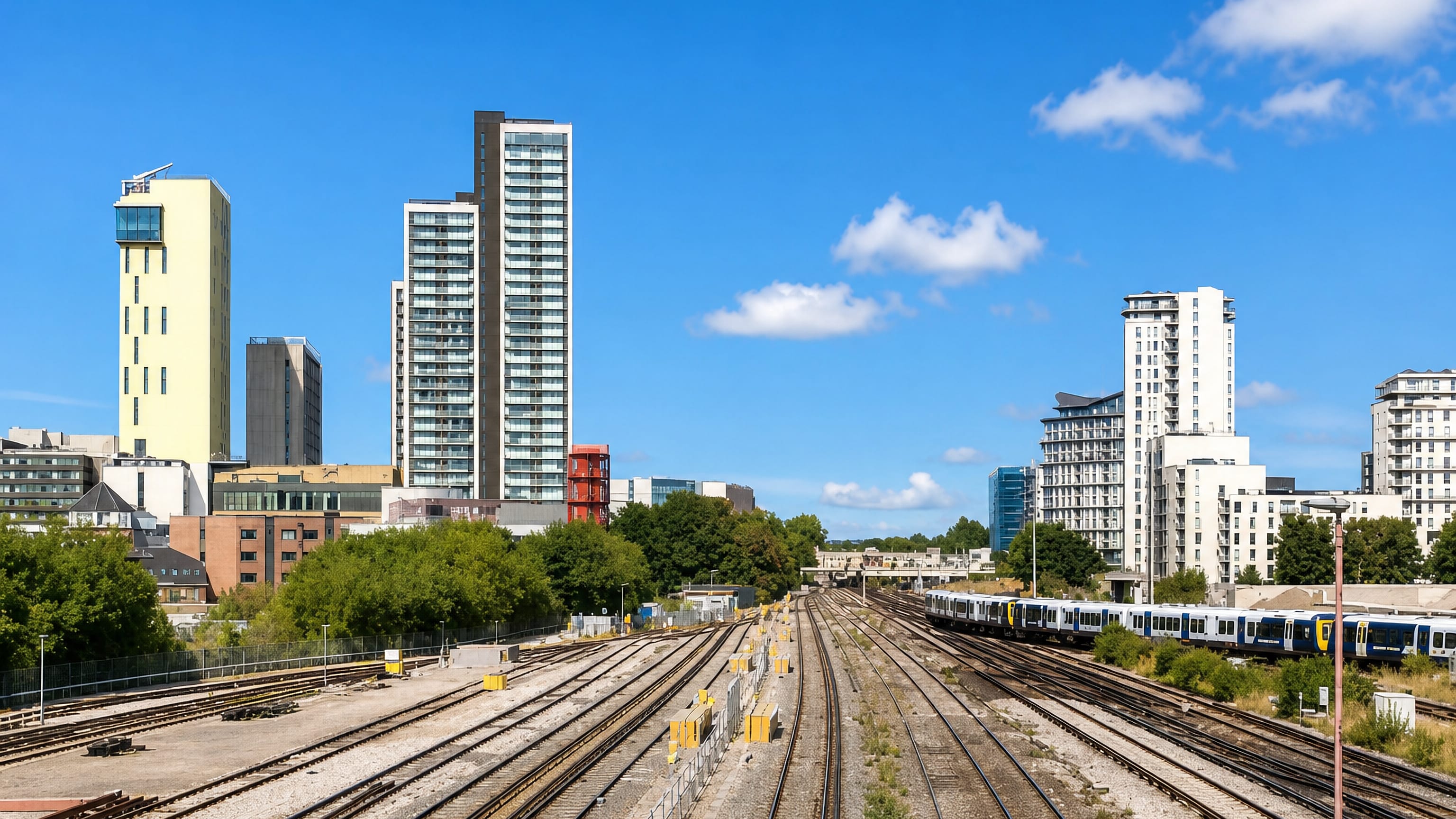
Woking is a town and borough in Surrey, England, grown around a railway station on land the London Necropolis Company sold off.
Hotel links are affiliate links: booking through them may earn us a commission, at no extra cost to you. It never affects how places are ranked. How this works


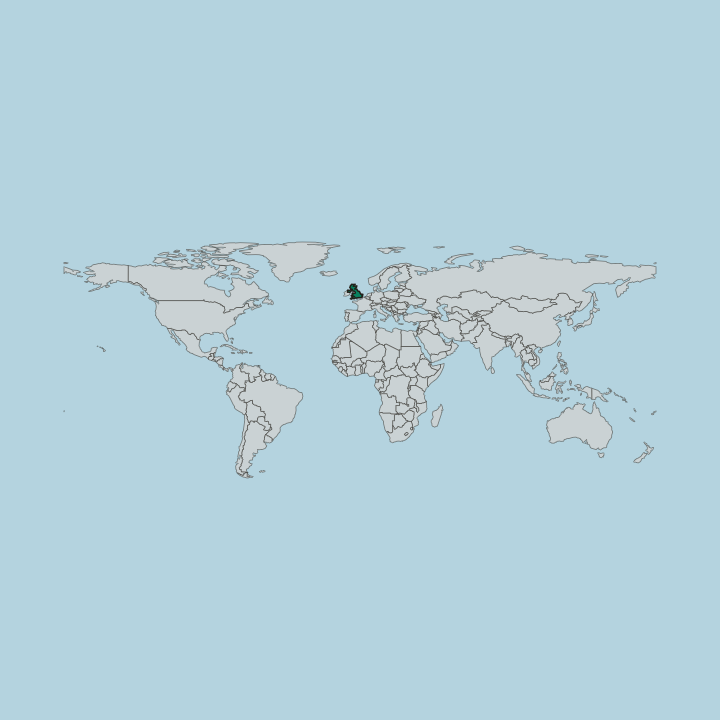
Where to stay in Woking
Not every neighbourhood fits every trip — here's what each one is good for.

 WokingUnited KingdomNights beside St Peter's Church, Old Woking
Old Woking
The Old Woking War Memorial and the lane toward Oldhall Copse start here. Lodging is scarce in this area; reserve in advance.Old Woking → WokingUnited KingdomWalkers crossing Horsell Common before breakfast
Horsell
The Church of St Mary the Virgin, Horsell and the Muslim Burial Ground bracket the village. Lodging is scarce in this area; reserve in advance.Horsell → WokingUnited Kingdom
St. John's
St John's is a suburban ward of Woking in Surrey, paired with Hook Heath and founded in the 19th century inside the medieval parish.Where to stay →Hotel links are affiliate links: booking through them may earn us a commission, at no extra cost to you. It never affects how places are ranked. How this works
Find hotels in Woking
Direct booking searches for these neighbourhoods.
The station district
The Hockey Museum and Woking Park sit inside the same central grid of streets.Find hotels in The station districtField-edge quiet by St Nicholas's Church, PyrfordPyrford and Sutton Green
All Souls' Church, Sutton Green marks the far side of this pair of villages. Lodging is scarce in this area; reserve in advance.Find hotels in Pyrford and Sutton GreenHotel links are affiliate links: booking through them may earn us a commission, at no extra cost to you. It never affects how places are ranked. How this works
Things to do in Woking
Ranked by global recognition; descriptions from Wikidata (CC0).
Museums & Galleries
1- The Hockey Museum
Churches & Religious Sites
6- St Peter's Church, Old Woking Heritage
- Church of St Mary the Virgin, Horsell Heritage
- Christ Church, Woking Heritage
- St Nicholas's Church, Pyrford Heritage
- Church of St Mary of Bethany Heritage
Show 1 more →
- Church of All Saints Heritage
Castles & Historic Sites
1- Woking Palace moated site, fishponds and ruins at Oldhall Copse Heritage
Stadiums & Sports
1- Woking Park
Parks & Gardens
1- Muslim Burial Ground, Horsell Common Heritage
Landmarks & Notable Places
8- Barn Opposite Brooklands House Heritage
- Birch House Heritage
- Bridge Barn House Heritage
- Cedar House Heritage
- Fishers Hill House Heritage
Show 3 more →
- Newark Mill House Heritage
- Sunhill House Heritage
- The Old House Cottage and The Old House Heritage
worth knowingacross 6 categories in Woking
About Woking
What is Woking known for?
The Lightbox stands near the station, a gallery and museum for the modern town, and The Hockey Museum keeps the sport's archive in the same central streets. Old Woking is the older half. Its parish church, St Peter's Church, Old Woking, and the moated Woking Palace site with its fishponds and ruins at Oldhall Copse belong to the settlement that Domesday Book recorded as Wochinges, long before any railway arrived.
Horsell Common carries the Muslim Burial Ground.
What are the main landmarks in Woking?
Churches carry most of the borough's listed fabric. Christ Church, Woking and St Dunstan's Church, Woking hold the centre, the Church of St Mary of Bethany stands close by, and older parishes survive out at St Nicholas's Church, Pyrford and Church of St Mary the Virgin, Horsell. Houses fill the rest of the register.
The Old Manor House, Newark Mill House, Bridge Barn House, and Cedar House are among them, with Salar Jung Memorial Hall and St John's War Memorial marking two later chapters.
What is the history of Woking?
The Palaeolithic left the earliest traces here. Sandy soils of low fertility kept farming marginal, and when Domesday Book was compiled in 1086 the surveyors found this the thinnest-settled corner of Surrey, entering the manor under the name Wochinges. That name probably came from a Saxon landowner.
Old Woking was the settlement then, gathered around St Peter's Church, Old Woking, and it held that role for centuries while the sandy commons around it stayed empty. Henry VIII kept a royal palace here. Its moated site, fishponds, and ruins at Oldhall Copse survive as the Woking Palace remains, out beyond the streets of the later town.
Water and rail arrived between the mid-17th and mid-19th centuries. The Wey Navigation came first, then the Basingstoke Canal, and last the London to Southampton railway line, which crossed the commons and left a station standing in open country. The town followed the track.
From the mid-1860s the London Necropolis Company began selling surplus land around that station, and the modern centre of Woking was laid out across it. St John's War Memorial and the Old Woking War Memorial mark the wars of the century that followed. The Muslim Burial Ground on Horsell Common and Salar Jung Memorial Hall stand among the borough's other protected landmarks.
Guildford is the county's other large town.
Where is Woking?
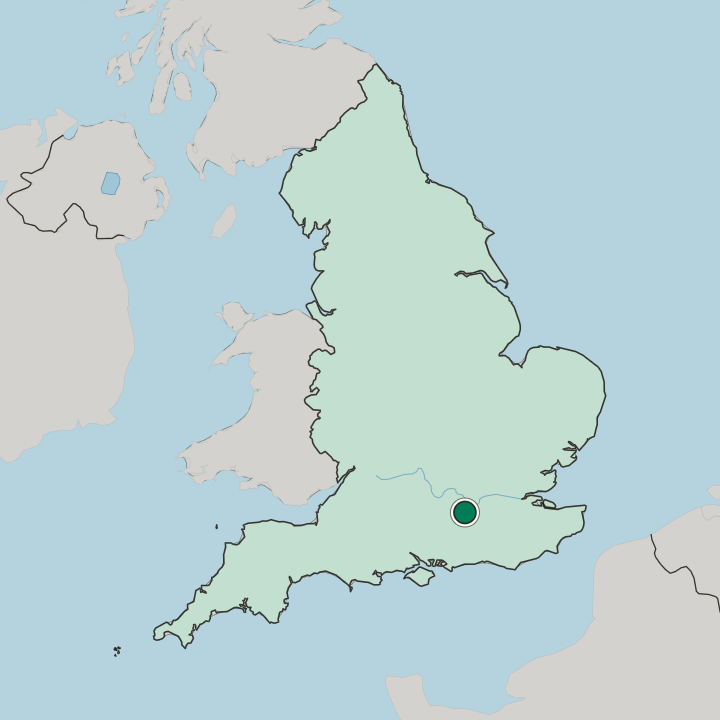
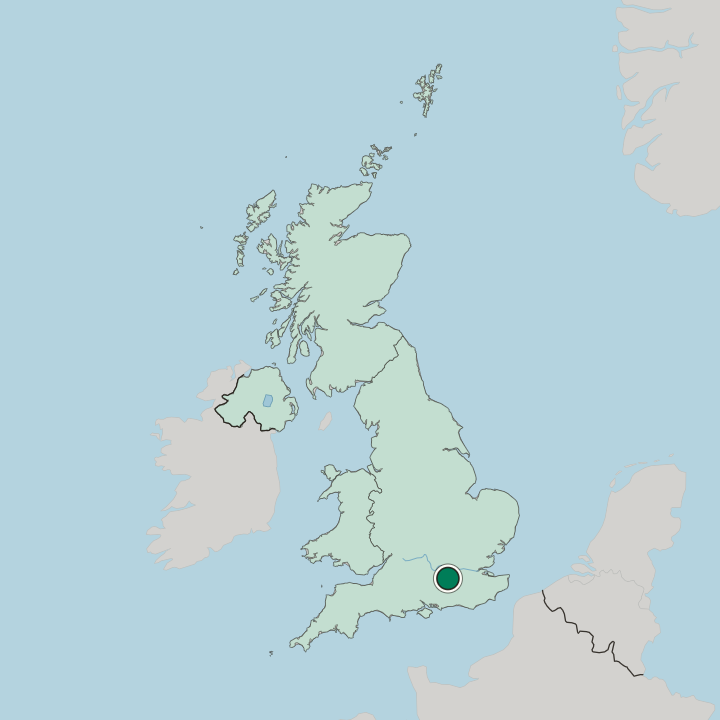
Surrey holds Woking, and the borough spreads across sandy commons rather than deep farmland, with Horsell Common the largest open ground and Pyrford and Sutton Green among the villages inside its boundary. Central London lies about 36 km off. The Basingstoke Canal and the Wey Navigation both cross the borough, engineered water that arrived long before the railway did.
Old Woking sits apart from the centre.
What is the climate of Woking?
Sandy ground drains fast. Woking lies well inland in the temperate band, so winters stop short of extremes and summers stay moderate, with rain spread thinly across the whole year rather than saved for one season. The soils that once made this the thinnest-settled corner of Surrey shed the water quickly, and Horsell Common takes the weather in the open.
How do you get to Woking?
The London to Southampton railway line came through before the town existed, and the station it left behind became the point everything else was built around. Trains set the pattern still. Central London is around 23 mi away, and Guildford, the other large town in Surrey, is a short ride off.
Towpaths on the Basingstoke Canal and the Wey Navigation carry walkers rather than barge traffic.
Common questions
What is the best area to stay in Woking?
The station district: Gallery hours at The Lightbox with the platforms nearby. Old Woking: Nights beside St Peter's Church, Old Woking. Horsell: Walkers crossing Horsell Common before breakfast. Pyrford and Sutton Green: Field-edge quiet by St Nicholas's Church, Pyrford.
Good for
More cities in England
Updated October 2026