United Kingdom · England
Where to Stay in Wolverhampton, England
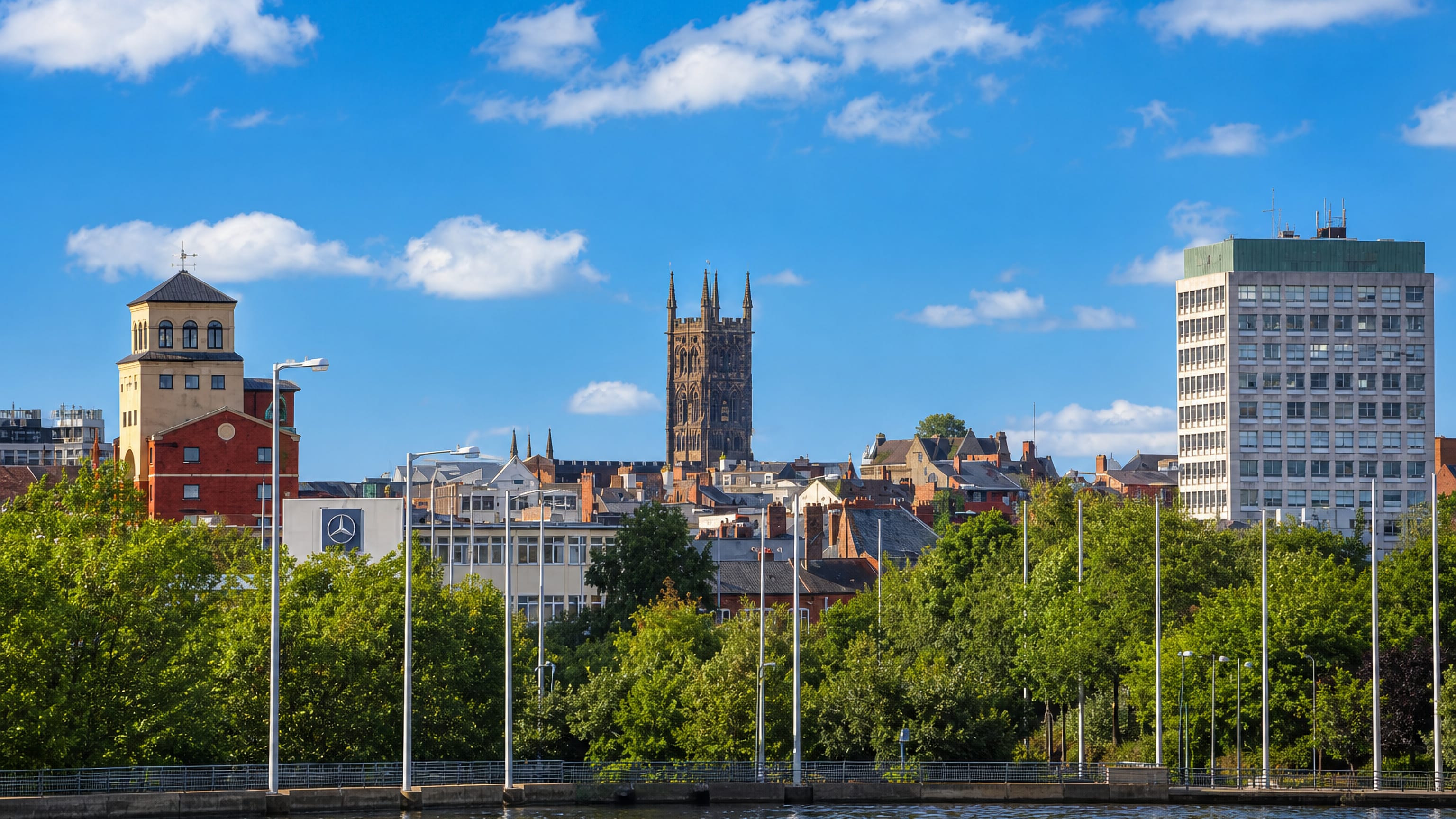
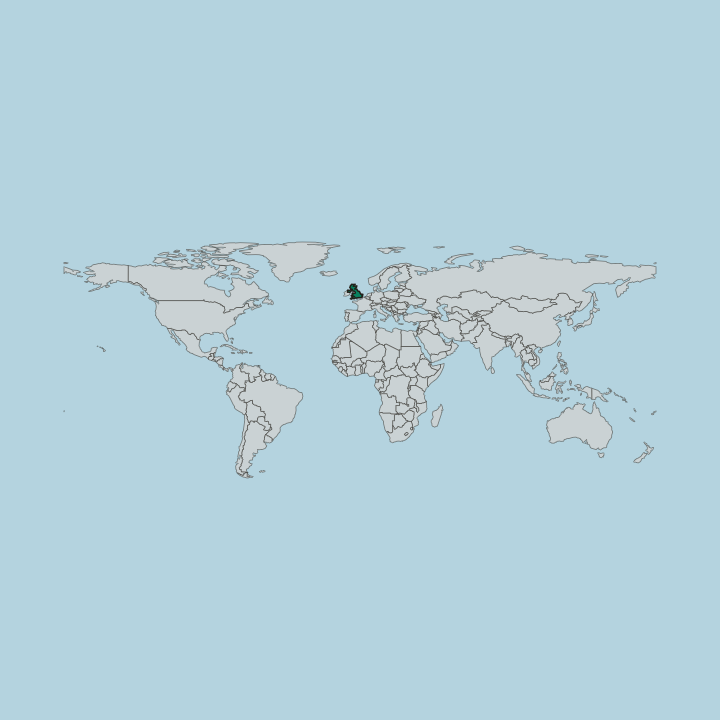
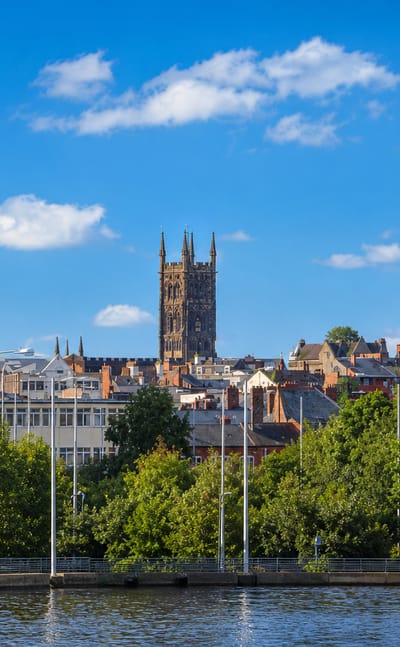
Wolverhampton stands on high ground north-west of Birmingham in the West Midlands, England, known for Molineux Stadium and St Peter's Collegiate Church.
Hotel links are affiliate links: booking through them may earn us a commission, at no extra cost to you. It never affects how places are ranked. How this works


Where to stay in Wolverhampton
The right area depends on your trip — here's what each neighbourhood is best for.
 WolverhamptonUnited Kingdom
Springfield
Springfield is an area of Wolverhampton immediately north east of the city centre, where the Springfield Brewery site became a university campus.Springfield →WolverhamptonUnited KingdomMonmore Green
Monmore Green is an area of Wolverhampton about a mile south-east of the city centre, inside the East Park ward of the West Midlands.Monmore Green → WolverhamptonUnited Kingdom
Heath Town
Heath Town is a district and ward of Wolverhampton, England, holding Holy Trinity Church, St Thomas' Church and the Bate Monument.Heath Town →WolverhamptonUnited KingdomPenn Fields
Penn Fields is a district of Wolverhampton holding Bantock House Museum, Graisley Old Hall and the Carmelite Monastery.Penn Fields → WolverhamptonUnited Kingdom
Ettingshall
Ettingshall is a district of Wolverhampton in the West Midlands, England, a name the city keeps alongside Monmore Green and Penn Fields.Ettingshall →WolverhamptonUnited KingdomLow Hill
Low Hill is a district of Wolverhampton whose named buildings run from Bushbury Hall and Oxley House to the Church of St Mary.Low Hill →WolverhamptonUnited KingdomPenn
Penn is a district of Wolverhampton in the West Midlands, with St Bartholomew's Church and Penn Hall the two sites the record fixes to its name.Penn →WolverhamptonUnited KingdomTettenhall Wood
Tettenhall Wood sits high on a steep hill west of Wolverhampton city centre, with the River Penk rising in the area at Penk Rise Park.Tettenhall Wood →Hotel links are affiliate links: booking through them may earn us a commission, at no extra cost to you. It never affects how places are ranked. How this works
Things to do in Wolverhampton
Ranked by global recognition; descriptions from Wikidata (CC0).
Museums & Galleries
3- Wolverhampton Art Gallery Heritage
- Tettenhall Transport Heritage Centre
- Wolves Museum
Churches & Religious Sites
8- St Peter's Collegiate Church Heritage
- St John's Church, Wolverhampton Heritage
- St George's Church Heritage
- St Bartholomew's Church Heritage
- Holy Trinity Church, Heath Town Heritage
Show 3 more →
- St Thomas' Church Heritage
- St Martin's Church Heritage
- Church of St Mary Heritage
Castles & Historic Sites
2- Bate Monument Approximately 20 Metres South Of Church Of St Thomas Heritage
- Bradburn Monument Approximately 5 Metres To North East Of Church Of St Mary Heritage
Nature & Outdoors
1- Bantock House Museum
Stadiums & Sports
3- Bert Williams Leisure Centre
- Wolverhampton Cricket Club Ground
- Aldersley Leisure Village
Landmarks & Notable Places
8- Giffard House Heritage
- Graisley Old Hall Heritage
- Avenue House Heritage
- Beckminster House Heritage
- Birches Barn House Heritage
Show 3 more →
- Bushbury Hall Heritage
- Claremont House Heritage
- Compton Hall Heritage
worth knowingacross 6 categories in Wolverhampton
About Wolverhampton
Wolverhampton is known for football.
What is Wolverhampton known for?
Molineux Stadium has held league football since the Victorian era, and the Wolves Museum beside it keeps the record of a club that carried the city's name across England for generations. St Peter's Collegiate Church rises from the town's oldest ground, near the collections of the Wolverhampton Art Gallery. Out west, Bantock House Museum and Tettenhall Towers hold the genteel side of the city.
The University of Wolverhampton draws students in.
What are the main landmarks in Wolverhampton?
Wolverhampton's landmarks run from medieval stone to Victorian civic pride. St Peter's Collegiate Church is the oldest. Its sandstone tower marks the founding ground of the town, and nearby the Wolverhampton Art Gallery and Bantock House Museum hold the civic and domestic collections of the city.
Molineux Stadium and the Wolves Museum carry the football story. Older halls survive too, among them Giffard House, Graisley Old Hall, and Tettenhall Towers out to the west.
What is the history of Wolverhampton?
Wolverhampton was established in 985. St Peter's Collegiate Church stands on that early ground, and the settlement grew around the church on its hill. A market followed.
Wool and cloth made the medieval town, and its position in the heart of England kept trade moving through it long before the age of coal. Industry remade the place entirely. Ironworking, lock-making, and later engineering pulled Wolverhampton into the industrial West Midlands, and the towns of Willenhall, Walsall, and Dudley grew alongside it into a single working conurbation.
Grand civic buildings rose with the wealth, among them the Wolverhampton Art Gallery, while Bantock House and Tettenhall Towers preserved an older gentry world at the edges. Football arrived in the Victorian years, and Molineux Stadium became the ground that carried the city's name across England. The University of Wolverhampton later added a fourth chapter to a story of church, trade, and iron.
Where is Wolverhampton?
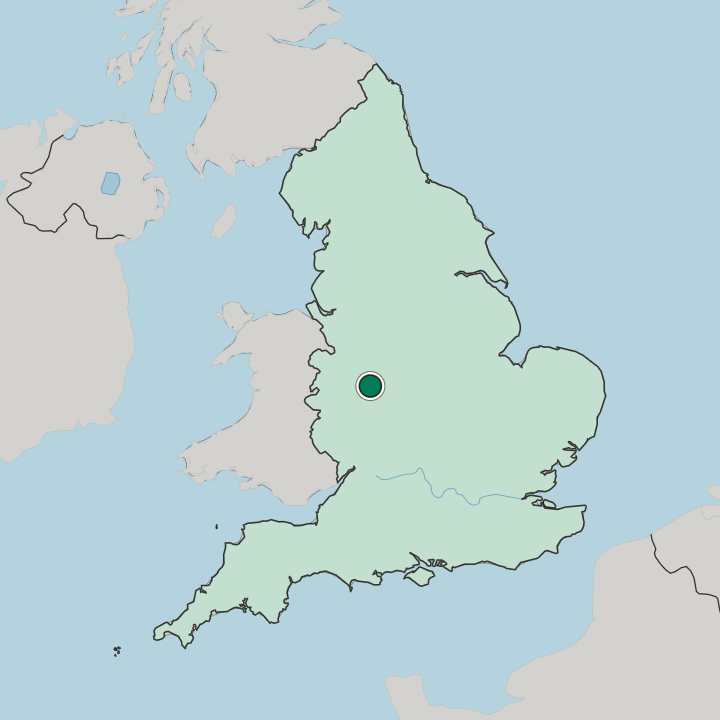
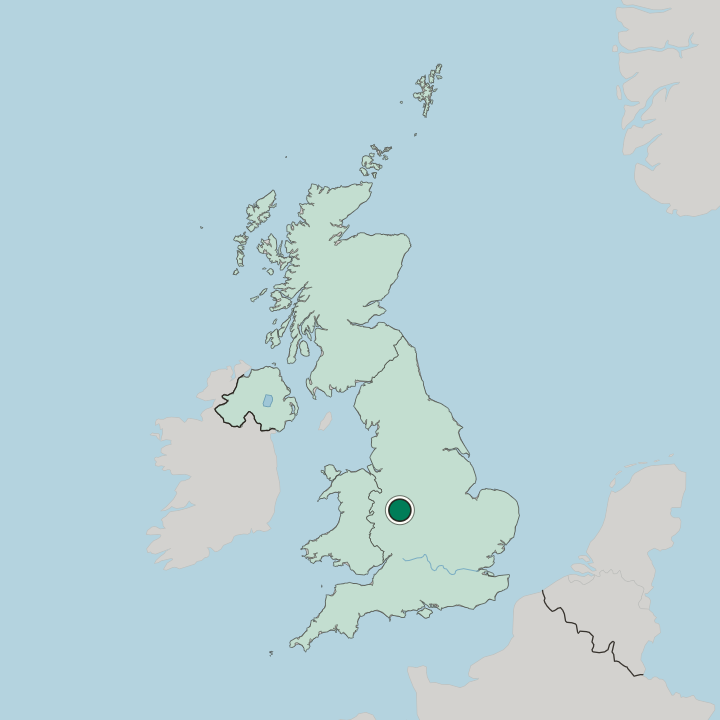
Wolverhampton sits on high ground north-west of Birmingham, at the western edge of the West Midlands conurbation in England. The land rises to a ridge. St Peter's Collegiate Church shares that height with the old centre, while the towns of Willenhall and Walsall lie east and Sedgley and Dudley fall away to the south.
West of the city the ground opens toward Tettenhall. Greener country runs on beyond it.
What is the climate of Wolverhampton?
Wolverhampton has the mild, wet weather of inland England. Winters are cool and grey rather than harsh, softened by the city's low elevation on the West Midlands plateau. Summers are warm.
Rain falls through every season without the extremes of the coast, and the high ground around St Peter's Collegiate Church catches the wind that crosses the conurbation. The seasons turn gently here.
How do you get to Wolverhampton?
Wolverhampton sits at a road and rail crossroads of the West Midlands. Trains run to Birmingham. From there the West Coast line carries services onward to London and the north of England, while the Midland Metro tram threads the city centre through the conurbation.
Motorways ring the city, tying Willenhall, Walsall, and Dudley into its road network. The station stands a short walk from Molineux Stadium.
Good for
More cities in England
Updated October 2026