Greece
Ionian Islands, Greece — Towns & Travel Guide
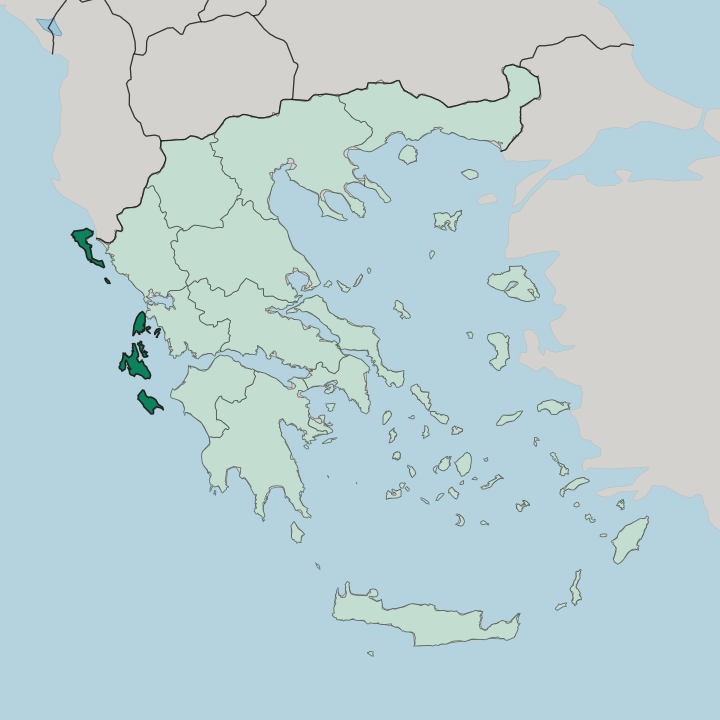
The Ionian Islands are a green Greek archipelago in the Ionian Sea, west of the mainland, with Corfu as their capital.
Hotel links are affiliate links: booking through them may earn us a commission, at no extra cost to you. It never affects how places are ranked. How this works


Towns & cities in Ionian Islands
One town here has its own guide — it links to where to stay.
 Greece
Corfu
Corfu, or Kerkyra, is the capital of the Ionian Islands, a Greek island city grown from the ancient town of Corcyra.Where to stay →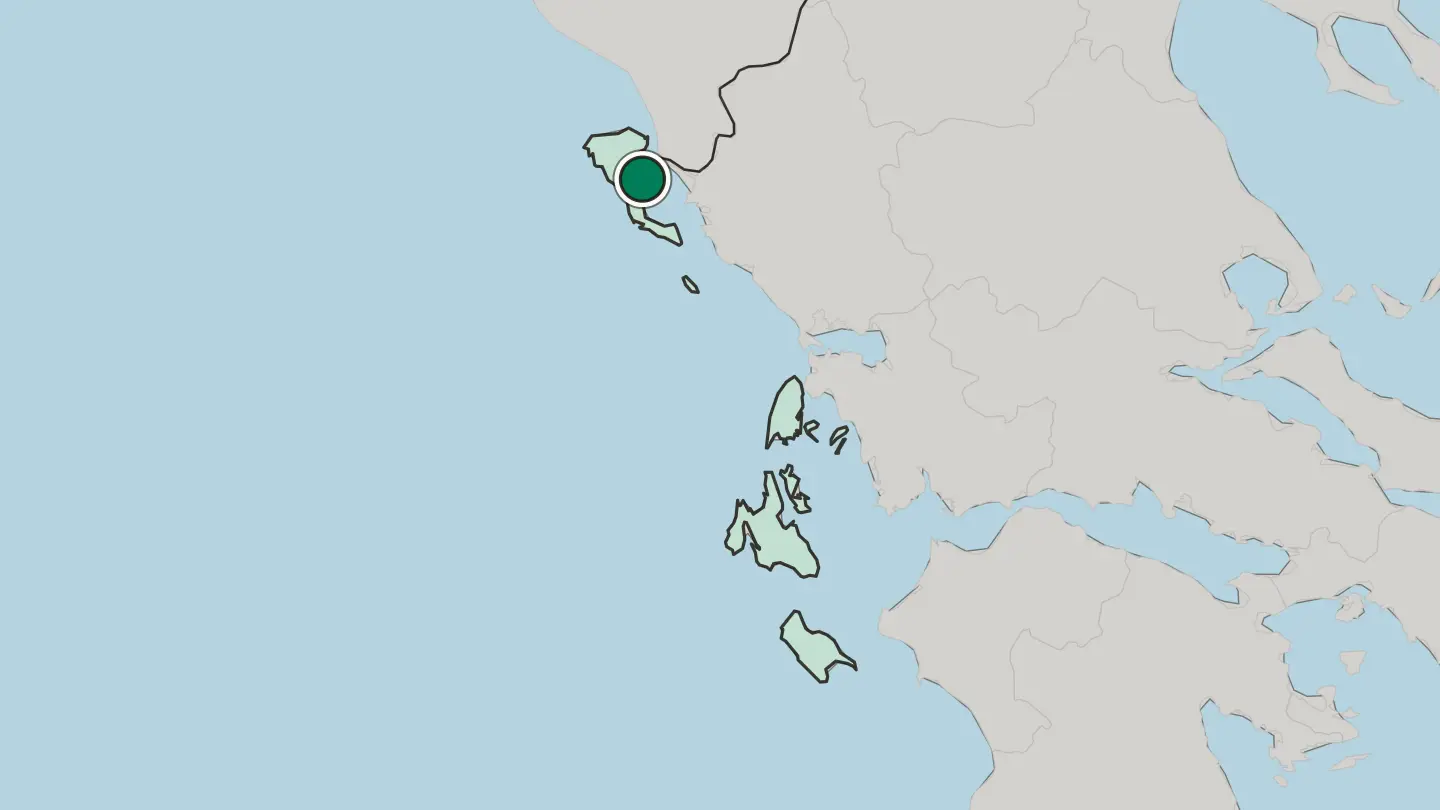
Hotel links are affiliate links: booking through them may earn us a commission, at no extra cost to you. It never affects how places are ranked. How this works
About Ionian Islands
What is Ionian Islands known for?
Seven principal islands give the region its old name, the Heptanese. They are Greece's greenest. Corfu, Paxos, Lefkada, Ithaca, Kefalonia, Zakynthos and Kythira spread down the Ionian Sea off the western mainland, each with its own harbour town and Venetian past.
Corfu holds the capital and the region's UNESCO-listed Old Town, while Zakynthos draws crowds to the Navagio cove and its wrecked freighter beneath white cliffs. Pine, cypress and olive cover the slopes, fed by a wetter western climate.
Where is Ionian Islands?
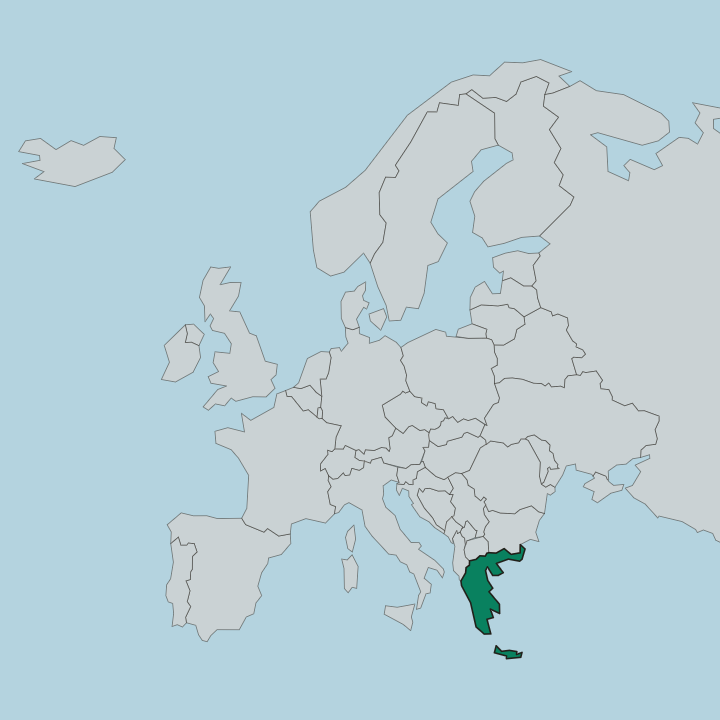
The Ionian Islands lie strung along the Ionian Sea, off the western coast of mainland Greece. They face Italy across the water. Six of the seven principal islands run down the western edge of the country, from Corfu in the north through Paxos, Lefkada, Ithaca and Kefalonia to Zakynthos in the south, while the seventh, Kythira, sits apart off the southern tip of the Peloponnese.
This is the greenest corner of Greece, and the land shows why. Rain off the western sea keeps the slopes thick with pine, cypress and olive, unlike the drier islands of the Aegean to the east. Kefalonia carries the highest ground, where Mount Ainos rises to 1,628 metres and its native fir forest is protected as a national park.
Corfu has its own summit at Mount Pantokrator in the north of that island. The coasts turn sharply from sheltered bays to sheer white cliffs, and the island of Zakynthos hides the Navagio cove between two of them. Water divides every island from the next.
That sea shapes the region far more than any road.
What is Ionian Islands like?
Centuries under Venice set the Ionian Islands apart from the rest of Greece. Venice ruled here from 1204, and its language, faith and taste took root on islands the Ottomans never held. The mark is everywhere.
Corfu's Old Town wears tall Venetian tenements, arcaded lanes and the Liston promenade laid out under French rule, and the whole quarter carries a UNESCO listing for it. Local surnames, cooking and church interiors still echo the Adriatic more than the Aegean. Music runs deep in this culture too.
The islands gave Greece its first brass bands and its first modern operas, and the national anthem was written on Zakynthos by the poet Dionysios Solomos. Cricket, of all games, survives on Corfu as a leftover of the British years. The dialect keeps Italian loanwords that mainland Greek dropped long ago.
Painters of the Heptanese School broke from Byzantine convention and looked west to Italy for their light and their figures. It is a Greek culture, but one that grew up facing Europe across a narrow sea rather than the empire to the east.
What is the history of Ionian Islands?
Venice took Corfu in 1204 and held the islands for close to six centuries, making them the one part of the Greek-speaking world the Ottomans never conquered. France, a short-lived Septinsular Republic and then Britain followed as Venice fell. A British protectorate governed the seven islands from 1815 until union.
Union came on 21 May 1864. The Treaty of London handed the Ionian Islands to the Kingdom of Greece, a gift to the new King George I. The modern region dates from 1987.
What is the climate of Ionian Islands?
The Ionian Islands have a Mediterranean climate with hot, dry summers and mild, wet winters. This is the rainiest corner of Greece. Exposed to the west and south winds off the Ionian Sea, the islands take far more rain than the Aegean, most of it falling between October and March, and that water is what keeps Corfu and its neighbours so green.
Summers stay warm and sunny from June into September, when the beaches of Zakynthos and Kefalonia fill. Winter brings grey skies and downpours.
How do you get to Ionian Islands?
Most visitors fly to one of the island airports. Corfu, Kefalonia and Zakynthos each take international summer flights, and Preveza on the mainland serves Lefkada across its causeway. Ferries fill the gaps.
Boats cross from Igoumenitsa to Corfu in about an hour, and from the mainland ports of Patras and Kyllini out to Kefalonia and Ithaca. Because every island sits in the Ionian Sea, reaching the smaller ones such as Paxos means a short hop by boat from a larger neighbour.
Common questions
What is the best area to stay in Ionian Islands?
Corfu: the Venetian capital and its Old Town. Kefalonia: Mount Ainos and the biggest island. Zakynthos: the Navagio cove and turtle beaches. Lefkada: cliff beaches reachable by causeway.
Good for
More regions in Greece
Updated September 2026