
Hungary
Budapest, Hungary — Towns & Travel Guide
Budapest is the capital region of Hungary, the city set apart as a region of its own on the River Danube, at the centre of the Pannonian Basin.
Hotel links are affiliate links: booking through them may earn us a commission, at no extra cost to you. It never affects how places are ranked. How this works


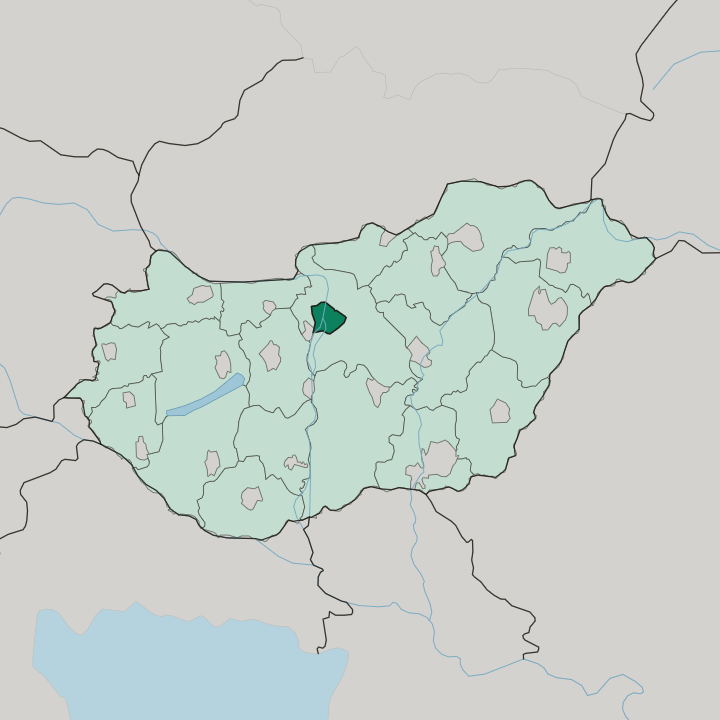
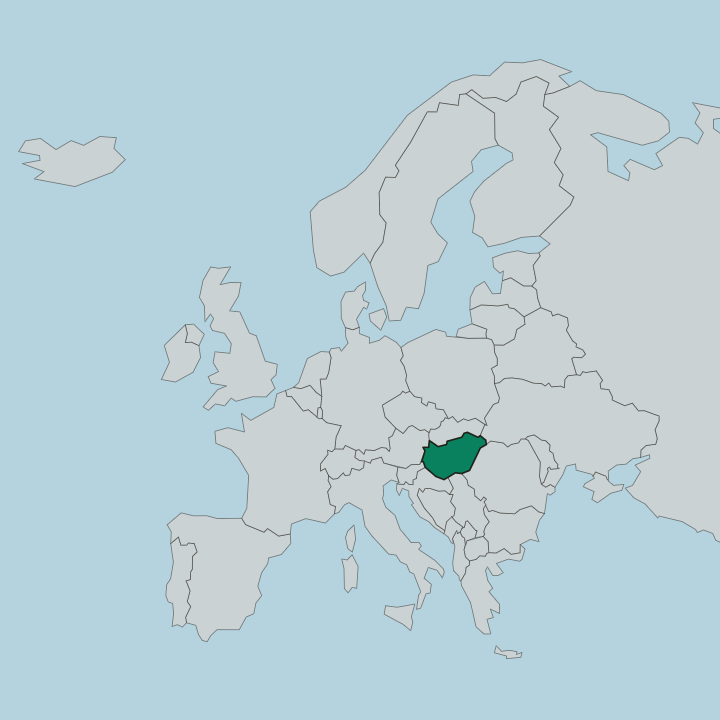
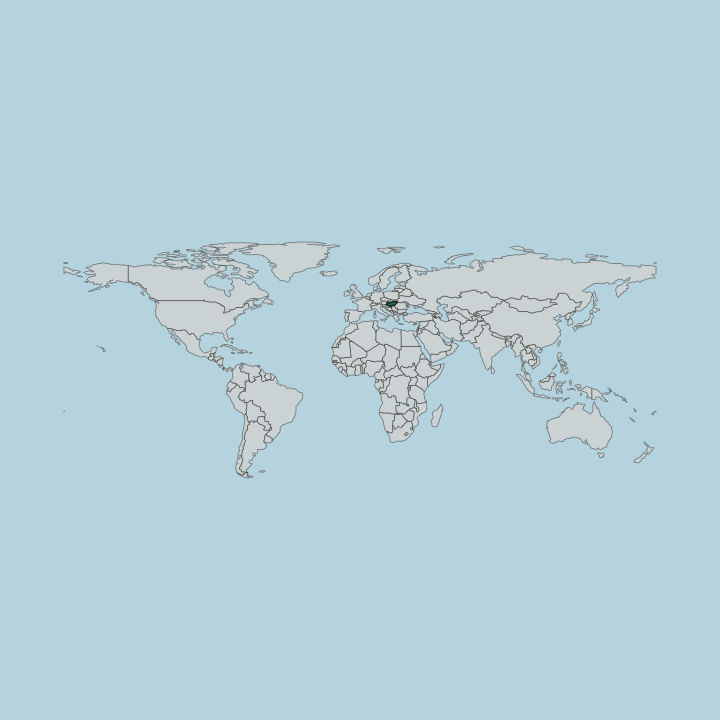
Towns & cities in Budapest
One town here has its own guide — it links to where to stay.
 Hungary
Budapest
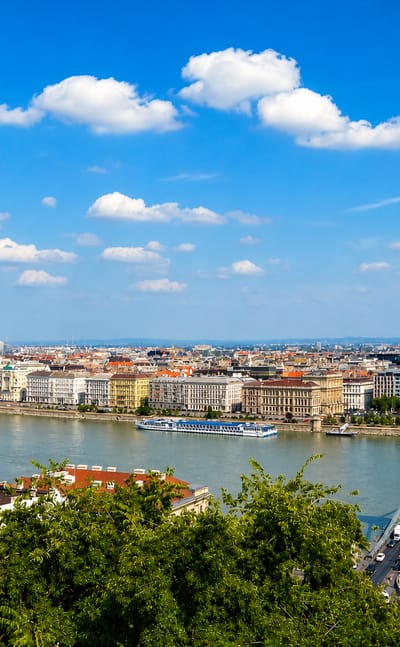
Buda Castle crowns the hills above the Danube in Budapest, the capital of Hungary, a city of thermal baths and grand museums.Where to stay →
Hotel links are affiliate links: booking through them may earn us a commission, at no extra cost to you. It never affects how places are ranked. How this works
About Budapest
Budapest concentrates the whole of Hungary in one place.
What is Budapest known for?
The capital region covers the city alone, lifted out of the surrounding counties to stand as a region in its own right, and it gathers the political, economic and cultural weight of the country on the banks of the Danube. Thermal baths rise across it. Its classical music and its architecture earned the city an old nickname, Paris of the East.
Where is Budapest?
Budapest sits at the centre of the Pannonian Basin, on the River Danube, where Hungary's capital region occupies a single stretch of the river valley. The Danube divides it. The great river runs through the middle of the region, splitting the higher ground of Transdanubia on one bank from the flat edge of the Great Plain on the other.
It stands on ancient ground. Old trade routes met here, linking the hills of Transdanubia to the west with the open Great Plain to the east, and the modern capital grew where those roads crossed the Danube. The Pannonian Basin spreads out around it.
Within the region the land is almost entirely built over, all streets and quarters running down to the water, while the wider Hungarian countryside opens beyond its bounds. All of it is the capital.
What is Budapest like?
Budapest holds the cultural life of the whole of Hungary within one region. Music runs through it. The capital carries a long classical music tradition, its concert halls filling through the season, while a lively nightlife draws younger travellers from across the continent to the city on the Danube.
The baths define it too. Natural thermal baths surface across the region, a bathing culture that sets Budapest apart, drawn from the springs beneath the city on the Danube. Hungarian is the language of it all.
As the national capital, the region gathers the institutions, stages and galleries of the country, presenting Hungary both to its own people and to the visitors who fill its streets each year. It is a capital's culture.
What is the history of Budapest?
Budapest took its present form in 1873, when settlements on the Danube were joined under one name. The name fused Buda and Pest. The united city grew into the capital of Hungary, a primate centre that came to hold the political and cultural weight of the whole country, and was later set apart as a region of its own.
Its river still orders the ground.
What is the climate of Budapest?
Budapest has a temperate, continental climate set by its inland place on the Danube. Hungary's capital sees genuinely hot summers. The season warms across the region through high summer, drawing bathers to the thermal springs, while winters run cold and grey over the Danube, with snow settling on the surrounding basin.
Spring comes gently.
How do you get to Budapest?
Reaching the Budapest region means reaching Budapest. The capital draws the country's main roads and railways into one hub at the centre of the Pannonian Basin, so lines from every corner of Hungary converge on the city on the Danube. River traffic uses the Danube too.
Once here, the region is compact enough to cross on foot or by a short ride.
Common questions
What is the best area to stay in Budapest?
Central Budapest: a capital-region base beside the Danube and Budapest's thermal baths.
Good for
More regions in Hungary
Updated September 2026