Hungary
Pest megye, Hungary — Towns & Travel Guide
Pest megye wraps a broad ring of towns, hills, and Danube shore around Budapest, the capital it encircles but never contains.
Hotel links are affiliate links: booking through them may earn us a commission, at no extra cost to you. It never affects how places are ranked. How this works


Towns & cities in Pest megye
One town here has its own guide — it links to where to stay.
 Hungary
Érd
Érd is a city with county rights in Pest County, a town of the Budapest metropolitan area lying just southwest of Budapest.Where to stay →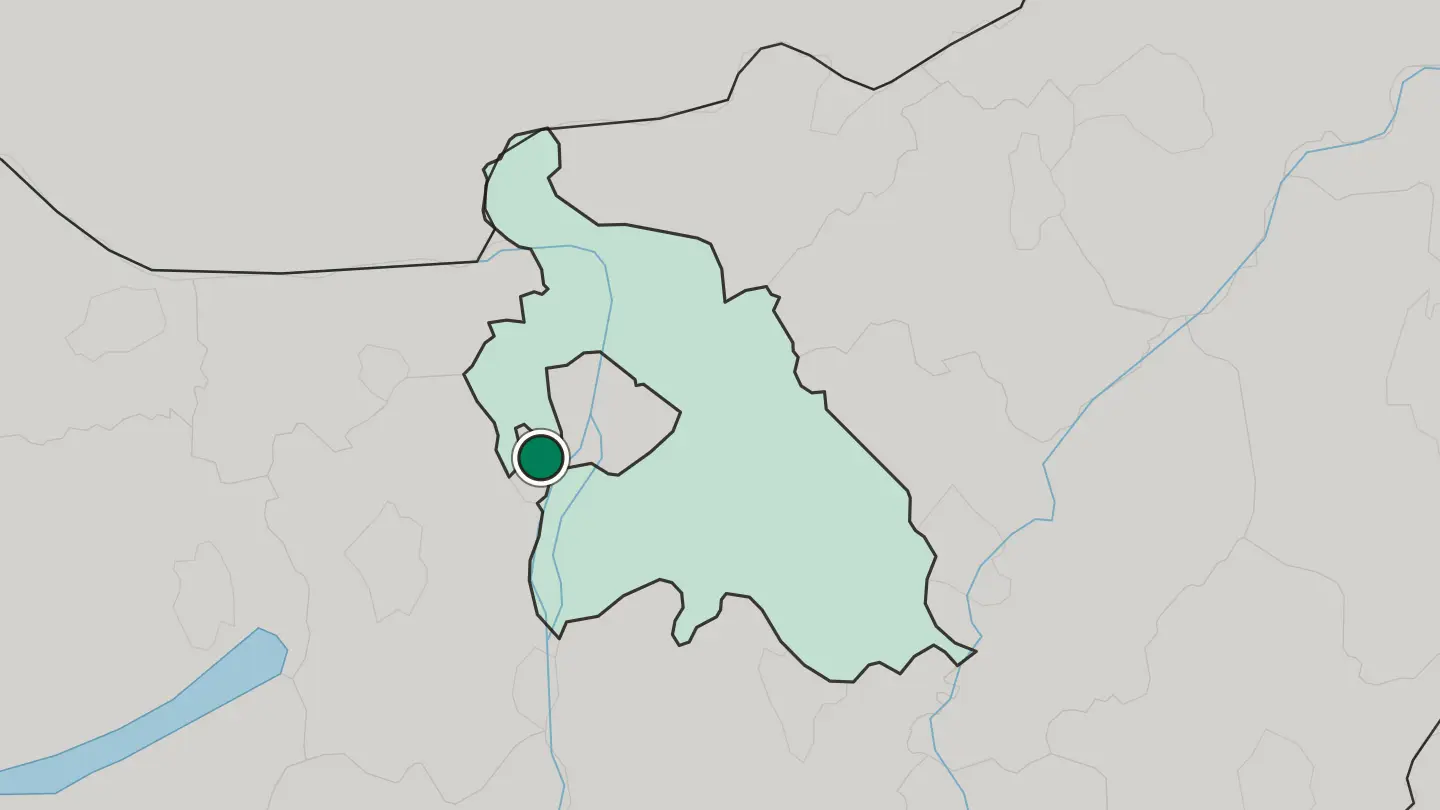
Hotel links are affiliate links: booking through them may earn us a commission, at no extra cost to you. It never affects how places are ranked. How this works
About Pest megye
What is Pest megye known for?
This is Hungary's ring county. Pest megye forms a full circle around Budapest, which sits administratively apart at its centre, so the region reads as the capital's hinterland of small towns and river country. The Danube Bend is the headline draw, where the river swings sharply south past Szentendre, Visegrád, and Vác.
Szentendre is the painters' town of cobbled lanes and Serbian Orthodox churches, Visegrád keeps its hilltop citadel above the water, and Gödöllő holds a sprawling royal palace east of the city. Skanzen, the country's largest open-air museum, spreads below the Pilis hills.
Where is Pest megye?
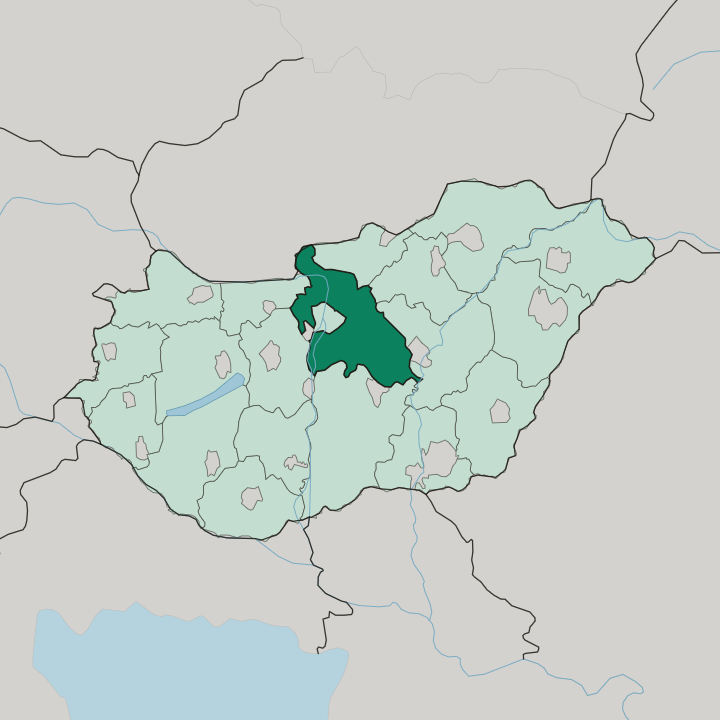
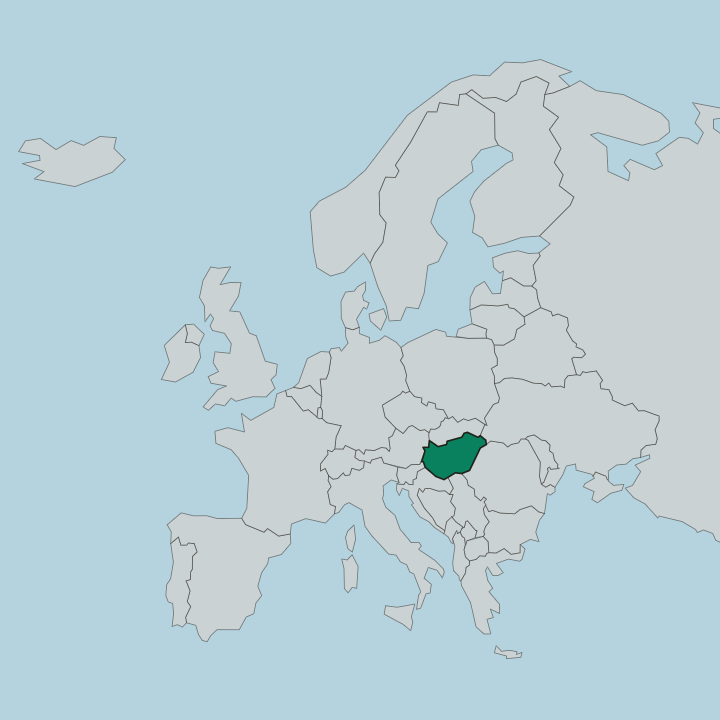
Pest megye sits in the centre of Hungary and forms a complete ring around Budapest, which is carved out of its middle as a separate administrative unit. The county straddles a natural seam. Its eastern and southern reaches belong to the flat, open Great Hungarian Plain, the Alföld that fills so much of the country, while its north rises into the wooded Pilis hills and the edge of the Transdanubian range.
The Danube is the county's spine. Northwest of Budapest the river meets the volcanic block of the Börzsöny and Visegrád hills and is forced into a tight U-turn, the stretch called the Danube Bend, before it swings south past the long river islands of Szentendre and Csepel. Slovakia lies across the Danube to the north.
Inland, the county hands off to Nógrád and Heves in the northeast, to Bács-Kiskun across the plain to the south, and to Fejér and Komárom-Esztergom on the western side. Everything drains toward the capital at the centre, and the towns string out along the roads and rail lines that radiate from it. No corner sits far from Budapest's pull.
What is Pest megye like?
The county's culture grew from its river and its refugees. When Serbian Orthodox families fled the Ottoman advance in the Balkans, many settled at Szentendre in the seventeenth century, and their Baroque churches and iconostases still line its Fő tér. That layered heritage later drew painters.
An artists' colony took root at Szentendre in 1929, and the town remains a working home for painters, potters, and writers, its Margit Kovács ceramics museum among the best-known galleries. Beyond the river towns the character shifts. Gödöllő centres on the vast royal palace favoured by Empress Elisabeth of Austria, and its parkland speaks of Habsburg court life rather than folk tradition.
Out on the plain the towns turn agricultural and plainly Hungarian, market centres like Cegléd and Vác going about ordinary business. Hungarian is the everyday language throughout. Skanzen, the open-air village museum below the Pilis hills, gathers farmhouses and churches from across the country onto one hillside, so an afternoon there reads like a tour of rural Hungary in miniature.
What is the history of Pest megye?
This land held the medieval kingdom's heart. Visegrád, on the Danube Bend, served as a royal seat, and King Matthias Corvinus kept a summer palace beneath its citadel in the fifteenth century. The county in its present shape is far younger.
Modern Pest megye was drawn in 1950, when the county system was redrawn and Greater Budapest was carved out of its centre as a separate capital, leaving the ring of towns and river country that surrounds the city.
What is the climate of Pest megye?
Pest megye has a continental climate with sharp seasons. Summers on the Great Hungarian Plain run hot and can push well past comfortable, while winters turn genuinely cold and the Danube itself sometimes carries drifting ice. Rain falls unevenly.
The heaviest downpours come in late spring and early summer, and the open plain to the east stays drier than the wetter, wooded Pilis hills that shelter the county's northern edge. Spring and autumn are the kinder windows for walking the Danube Bend.
How do you get to Pest megye?
Nearly everyone lands at Budapest Ferenc Liszt International Airport, which stands inside the county at Vecsés, just southeast of the capital. From there the county opens outward. Suburban HÉV trains run up the Danube to Szentendre, mainline rail reaches Vác, Gödöllő, and Cegléd, and roads radiate out toward Érd and across the plain to the county's eastern towns.
In the warmer months boats work up the Danube Bend from Budapest to Szentendre, Visegrád, and Vác. The trip out becomes part of the day.
Common questions
What is the best area to stay in Pest megye?
Szentendre: an easy Danube Bend overnight near the capital. Visegrád: waking below the citadel above the river. Gödöllő: the royal palace and the county's eastern side.
More regions in Hungary
Updated September 2026