Hungary
Veszprém megye, Hungary — Towns & Travel Guide
Veszprém megye is the county along Lake Balaton's northern shore, where the forested Bakony hills meet Hungary's largest lake.
Hotel links are affiliate links: booking through them may earn us a commission, at no extra cost to you. It never affects how places are ranked. How this works


Towns & cities in Veszprém megye
One town here has its own guide — it links to where to stay.

 Hungary
Veszprém
Veszprém is a historic city of western Hungary, the city of queens, built on hills near Lake Balaton.Where to stay →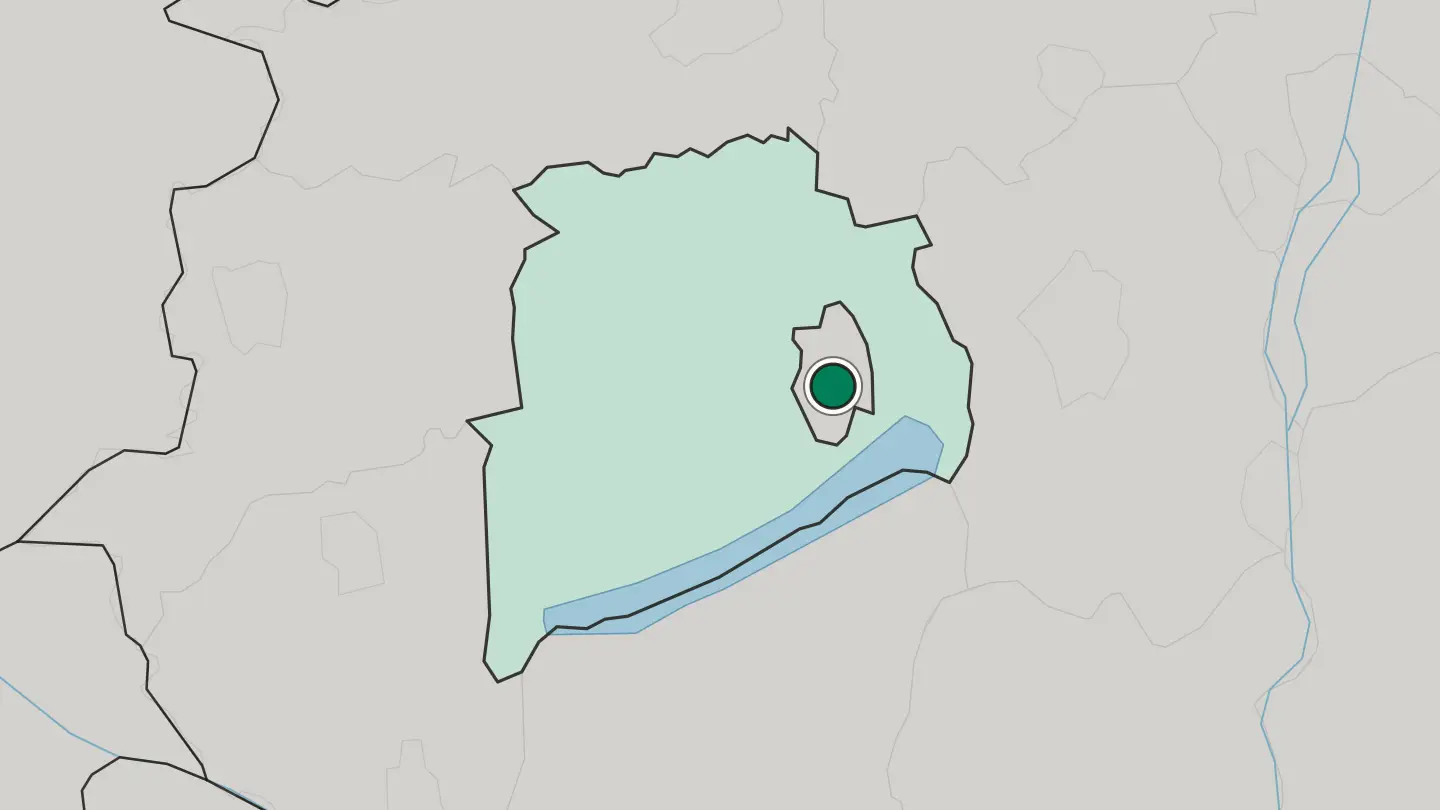
Hotel links are affiliate links: booking through them may earn us a commission, at no extra cost to you. It never affects how places are ranked. How this works
About Veszprém megye
What is Veszprém megye known for?
Two things define the county: the Bakony hills and the water below them. The Bakony fills its north with beech forest, karst valleys and old bauxite country, while the southern edge runs the length of Lake Balaton's northern shore. Vineyards climb the volcanic hills above the lake.
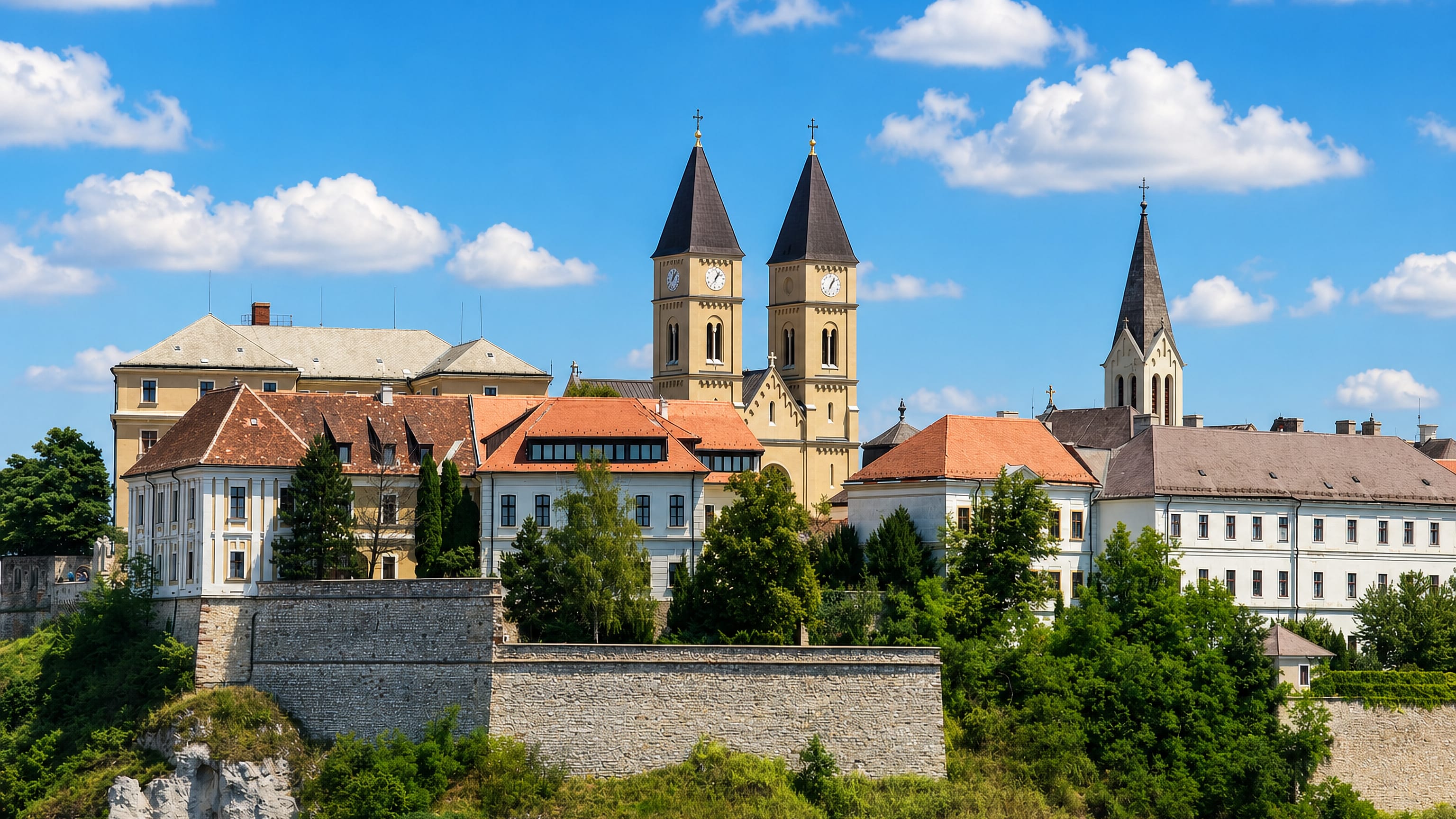
The county seat, Veszprém, spreads over Castle Hill above the Séd stream and was a European Capital of Culture in 2023. Herend has turned out hand-painted porcelain since 1826.
Where is Veszprém megye?
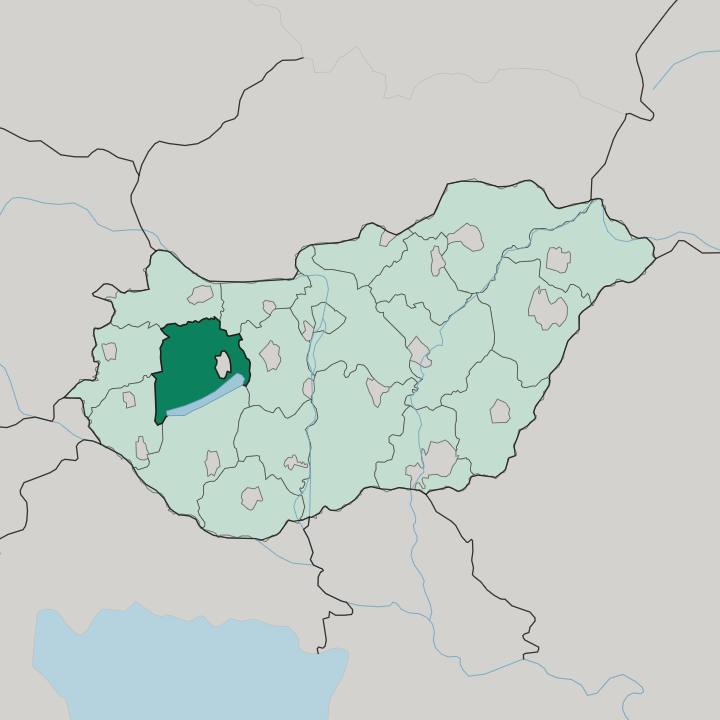
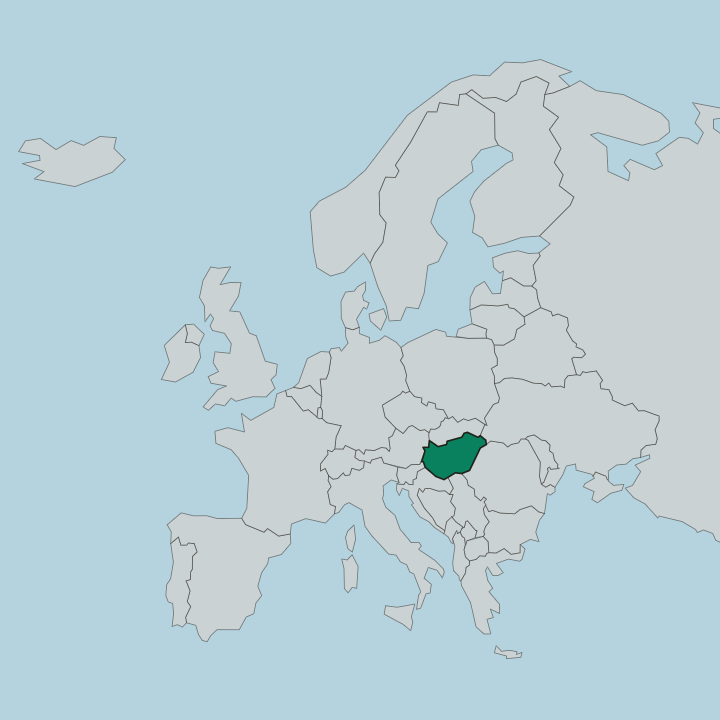
Veszprém megye lies in western Hungary, in the Transdanubian country west of the Danube. Its southern boundary is water. Lake Balaton, the largest lake in central Europe, runs along the county's whole southern edge, and the shore towns string out beneath the hills.
North of that shore the land rises into the Bakony, a forested upland of beech woods, karst valleys and old bauxite workings that fills most of the county's interior. The Bakony breaks into a southern and a northern block, split by valleys, and its highest point, Kőris-hegy, tops out near the northern edge. Between the hills and the lake sits the Balaton Uplands, a belt of volcanic remnant cones.
The Tapolca basin holds the most striking of them. Badacsony, Szent György-hegy and Csobánc rise out of the vineyards as flat-topped basalt buttes, the eroded stumps of old volcanoes. To the west and south-west lies Zala, to the west Vas, and to the east Fejér.
Near the middle of the lake the Tihany peninsula pushes out and almost pinches it in two. Water and hill set the shape of the whole county.
What is Veszprém megye like?
Culture in the county gathers on Castle Hill in Veszprém. The old town runs along a single ridge above the Séd stream, its Baroque palaces, cathedral and bishop's quarter packed onto the rock. Veszprém is called the city of queens.
For centuries the bishops here crowned the queens of Hungary, and Queen Gisela, wife of the first king, held it as her favourite seat. That long church history still marks the town. Veszprém and the Balaton shore together held the title of European Capital of Culture in 2023, and the festival year left concerts, galleries and restored streets behind it.
The county's craft tradition runs just as deep. Herend has hand-painted porcelain since 1826, its pieces sent to royal tables across Europe, and the factory keeps a museum of its work. Pápa carries a different thread, a Baroque town that became a stronghold of the Reformed church in Transdanubia.
Wine belongs to the picture as much as any of it. The volcanic hills above Lake Balaton, from Badacsony to Szent György-hegy, have made white wine for centuries, and the cellars and press houses still dot the slopes. Food, wine and the water pull the summer crowds to the lake.
The Bakony keeps the quieter, older Hungary above them.
What is the history of Veszprém megye?
Veszprém sits among the oldest seats in Hungary. Its castle hill held a fortified chiefdom in the Bronze Age, and near here the first king, Stephen, broke the pagan lord Koppány around the year 1000 as the Christian kingdom took shape. The bishopric of Veszprém was founded in 1009, one of the earliest in the country, and its bishops went on to crown the Hungarian queens for centuries.
Church and castle anchored everything that grew here. Its modern boundaries were drawn in 1950.
What is the climate of Veszprém megye?
The county has a temperate continental climate, and the Bakony splits it in two. The higher, forested hills catch more rain and hold cooler air, while the southern slopes above Lake Balaton draw long autumn sunshine that ripens the vineyards. Summers are warm, and the lake fills with swimmers from June onward.
Winters run cold inland. The water tempers the shore towns a little, but the Bakony stays raw and snowy well after the lake has thawed.
How do you get to Veszprém megye?
Most visitors come from Budapest, about an hour and a half away by road or rail. Trains from the capital run down to Balatonfüred and the other northern-shore towns, and the M7 motorway follows the lake's southern side within easy reach of the ferries across. The nearest airport of any size is Budapest, and there is no scheduled passenger flight into the county itself.
No plane lands here. In summer, boats cross Lake Balaton between the shores. From the shore, roads climb north into the Bakony and out to Veszprém, Pápa and Herend.
Common questions
What is the best area to stay in Veszprém megye?
Balatonfüred: the lake's northern-shore promenade and yacht harbour. Veszprém: Castle Hill and the county seat inland. Tihany: the abbey and the peninsula that splits the lake. Pápa: Baroque streets north of the Bakony.
Good for
More regions in Hungary
Updated September 2026