Hungary
Hajdú-Bihar, Hungary — Towns & Travel Guide
Hajdú-Bihar spreads across the flat plain of eastern Hungary, where Debrecen anchors the puszta and the thermal spas draw the crowds.
Hotel links are affiliate links: booking through them may earn us a commission, at no extra cost to you. It never affects how places are ranked. How this works


Towns & cities in Hajdú-Bihar
One town here has its own guide — it links to where to stay.
 Hungary
Debrecen
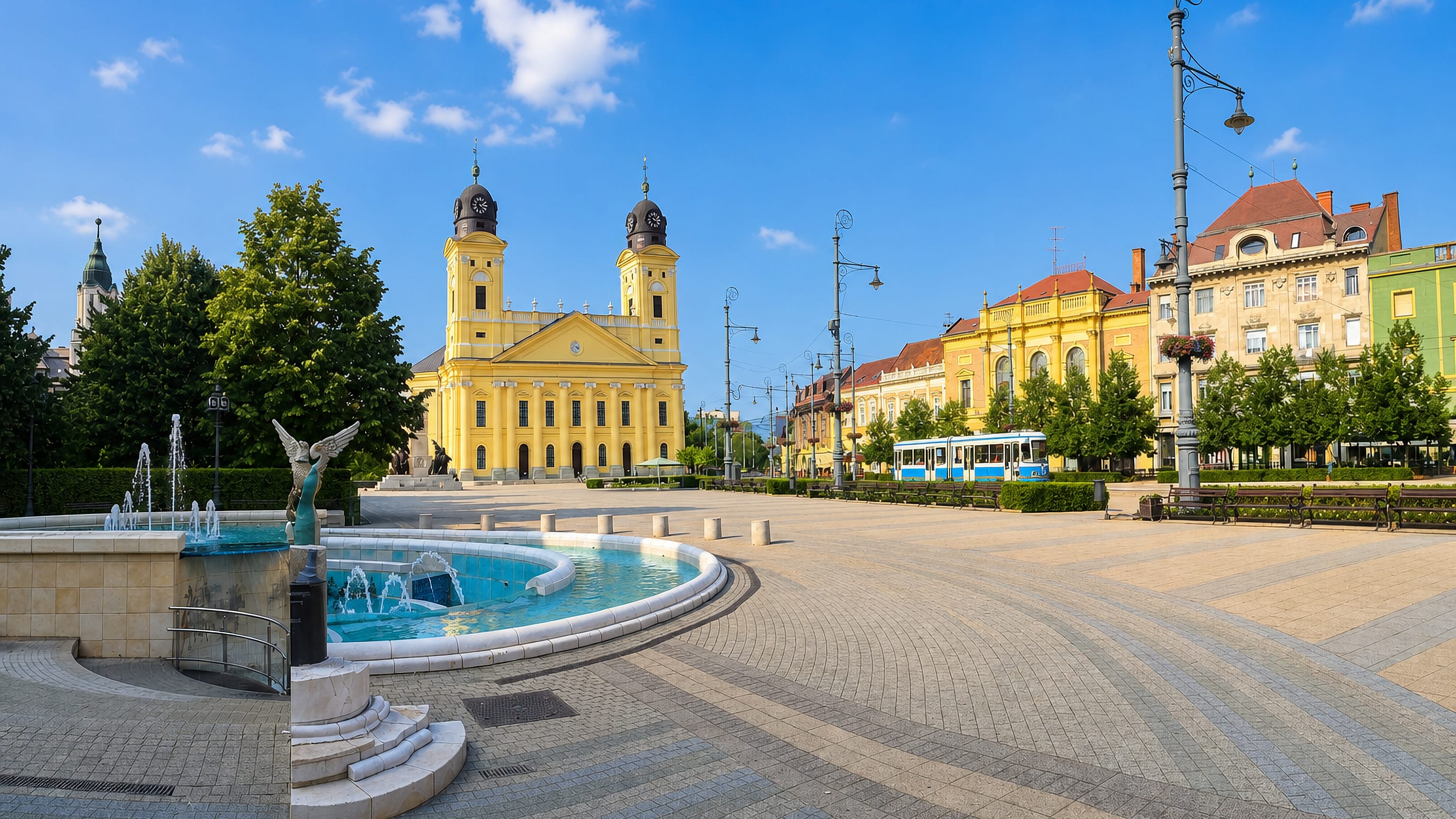
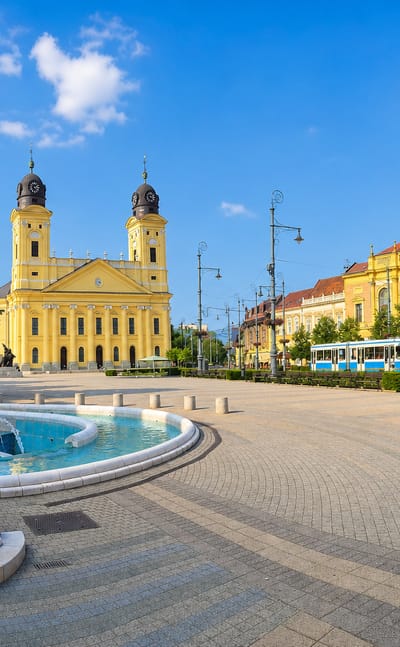
Debrecen spreads across the flat Great Hungarian Plain, the seat of Hajdú-Bihar County and a historic centre of Hungarian Protestantism.Where to stay →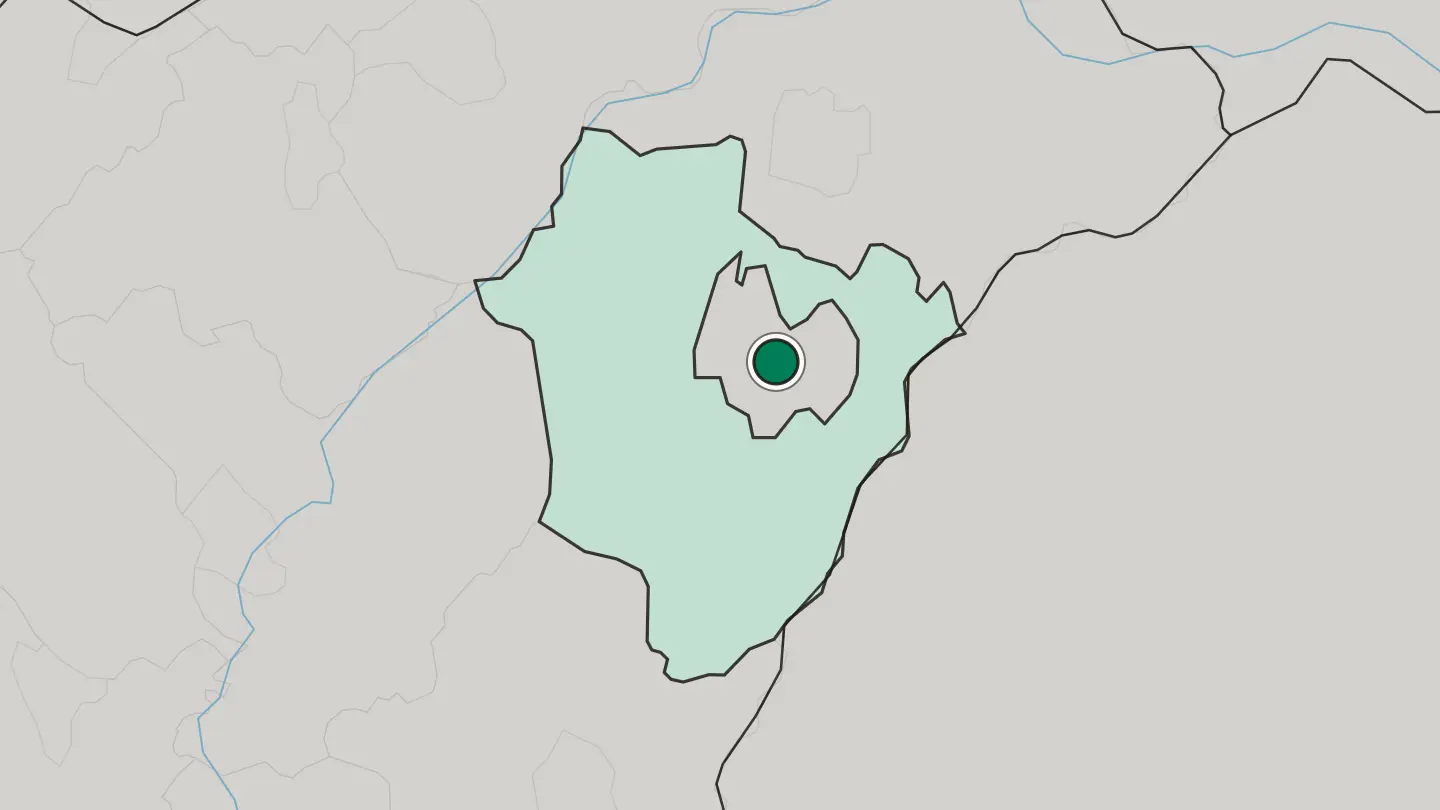
Hotel links are affiliate links: booking through them may earn us a commission, at no extra cost to you. It never affects how places are ranked. How this works
About Hajdú-Bihar
Two things carry the county.
What is Hajdú-Bihar known for?
Debrecen is the first, a Reformed stronghold nicknamed the Calvinist Rome and the second-largest city in Hungary. The Hortobágy is the second, a vast alkaline grassland of the Great Hungarian Plain where herders still drive grey cattle and racka sheep across open horizons under a UNESCO listing. Between the city and the steppe sits Hajdúszoboszló, whose brown medicinal water feeds one of the largest thermal bath complexes on the continent.
Where is Hajdú-Bihar?
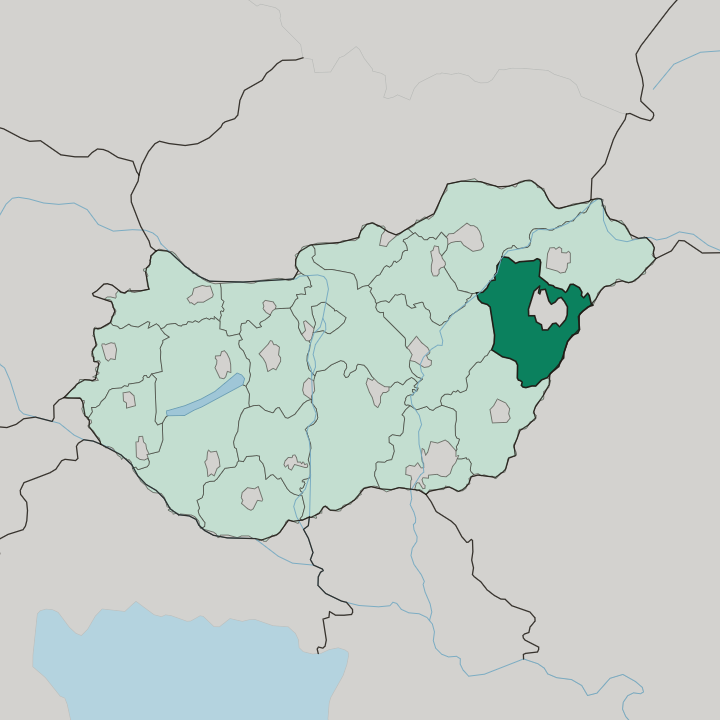
Hajdú-Bihar fills the eastern edge of Hungary, pressed up against the Romanian border. It is table-flat. The county belongs almost wholly to the Great Hungarian Plain, the Alföld, whose loess and sand were laid down over millennia by the rivers that once wandered freely across the region.
The Tisza brushes the far western corner, and its old floodwaters shaped the land long before engineers straightened its course in the nineteenth century. That drainage work drained the marshes and left the Hortobágy, a saline grassland stretching west of Debrecen toward the river. Ground barely rises anywhere.
In the northeast the sand hills of the Nyírség creep over the county line, the only real relief in an otherwise level sheet of farmland. Debrecen sits in the middle of it all, ringed by wheat and maize, with the puszta on one side and orchards and forest patches of the Erdőspuszta on the other. Szabolcs-Szatmár-Bereg lies to the north, and the plains of Békés and Jász-Nagykun-Szolnok run off to the south and west.
What is Hajdú-Bihar like?
The county wears its Protestant history openly. Debrecen led the Hungarian Reformation and earned the name Calvinist Rome, and its Great Reformed Church twice served as the seat of a rebel Hungarian parliament. Faith shaped the schools too.
The Reformed College trained clergy and poets for four centuries, and the University of Debrecen grew from that lineage into the largest campus east of Budapest. The other identity is the puszta and the hajdú tradition tied to it. Herders' skills became spectacle on the Hortobágy, where riders in blue perform the koch-style five-in-hand gallop and shepherds still keep the long-horned grey cattle and curly-fleeced racka sheep.
Craft runs strong in the towns. Debrecen gingerbread, embroidered szűr cloaks, and the black pottery of Nádudvar all survive as living trades rather than museum pieces. Every August the city fills with the flower-covered floats of the Virágkarnevál.
The common language is Hungarian, spoken with the broad vowels of the eastern plain.
What is the history of Hajdú-Bihar?
The county is young, but its two halves are old. Hajdú-Bihar was assembled in 1950 from the former Hajdú and Bihar counties, splitting the historic Bihar region across the new frontier with Romania. Its name honours the hajdú warriors, herdsmen-turned-soldiers whom Prince István Bocskai settled here in 1605, granting them collective nobility and land in return for their swords.
Towns still carry the mark of that bargain. Hajdúböszörmény, Hajdúnánás, and Hajdúszoboszló all began as fortified hajdú settlements ringed by earthworks.
What is the climate of Hajdú-Bihar?
The plain gives Hajdú-Bihar a sharply continental climate, with none of the sea's moderating hand. Summers turn hot and dry over the open Alföld, the puszta shimmering under long spells of sun that make Hajdúszoboszló one of the brightest spots in the country. Winters bite.
Cold air pools on the flat land and frost settles hard from December, and the same lack of shelter that bakes the steppe in July lets the January wind cut straight across it. Rain is modest and falls mostly in early summer.
How do you get to Hajdú-Bihar?
Debrecen is the way in. Its airport, the second-busiest in Hungary, runs budget flights to a spread of European cities, and it sits a short ride from the city centre. Trains matter more for most arrivals.
The main line from Budapest reaches Debrecen in around three hours, and the M35 motorway feeds off the M3 to bring cars in from the capital. From Debrecen local trains and buses fan out to Hajdúszoboszló, the Hortobágy, and the smaller hajdú towns across the county.
Common questions
What is the best area to stay in Hajdú-Bihar?
Debrecen: getting your bearings in Hajdú-Bihar for the first time. Hajdúszoboszló: medicinal thermal baths. The Hortobágy puszta: sunrise over the open steppe.
Good for
More regions in Hungary
Updated September 2026