Hungary
Borsod-Abauj Zemplen county, Hungary — Towns & Travel Guide
Borsod-Abaúj-Zemplén is Hungary's mountainous north-east, where the Bükk hills, the Aggtelek caves and the Tokaj vineyards meet.
Hotel links are affiliate links: booking through them may earn us a commission, at no extra cost to you. It never affects how places are ranked. How this works


Towns & cities in Borsod-Abauj Zemplen county
One town here has its own guide — it links to where to stay.

 Hungary
Miskolc
Miskolc is a large industrial and university city in northeast Hungary, below the wooded Bükk mountains.Where to stay →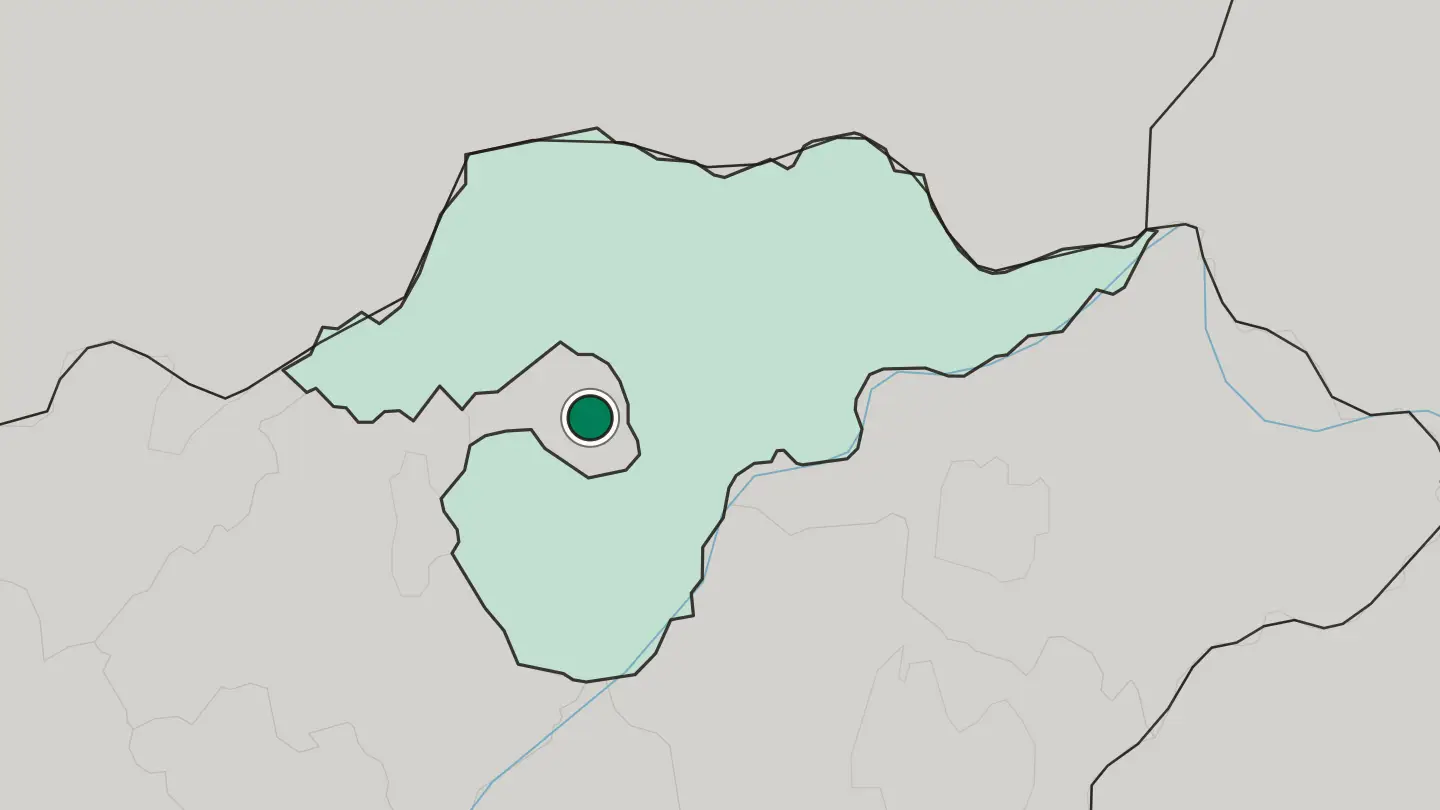
Hotel links are affiliate links: booking through them may earn us a commission, at no extra cost to you. It never affects how places are ranked. How this works
About Borsod-Abauj Zemplen county
Wine and caves.
What is Borsod-Abauj Zemplen county known for?
This is the county of the Tokaj wine region, whose sweet aszú carries a World Heritage listing earned on the vineyard slopes along the Bodrog valley. It is the only Hungarian county holding two such sites. The second is the Aggtelek Karst on the Slovak border, one of Europe's largest cave systems.
Between them rise the Bükk Mountains, and at their foot sits Miskolc, the county seat and the fourth-largest city in the country. Steelworks and spa towns share the valleys.
Where is Borsod-Abauj Zemplen county?
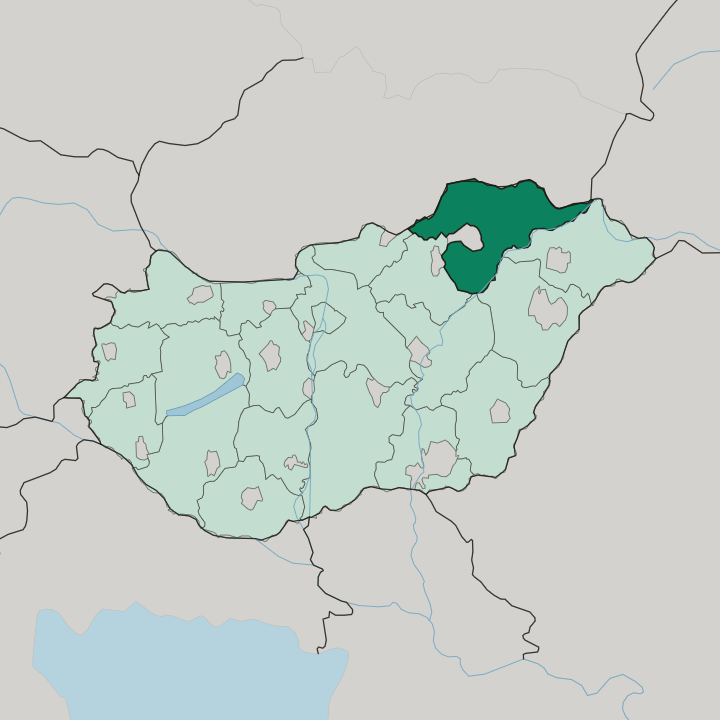
Borsod-Abaúj-Zemplén fills the north-eastern corner of Hungary, running up to the Slovak border in the north. It is the country's second-largest county. The land is split in two.
The north is mountainous, carrying some of the highest peaks and deepest caves in Hungary, while the south flattens out where the county reaches the edge of the Great Hungarian Plain. Between those two halves the ridges of the Bükk and the Zemplén Mountains rise over the valleys. Rivers thread the whole county from north to south.
The Sajó comes down out of Slovakia through Miskolc and empties into the Tisza near Tiszaújváros, and the Bodrog gathers the eastern streams before it meets the Tisza at Tokaj. Miskolc stands at the northern foot of the Bükk, on the Sajó, roughly in the centre of the county. Tokaj lies to its south-east, where the vineyards climb the Zemplén slopes above the plain.
Aggtelek is off to the north-west, right on the Slovak line. Water and rock, not a single border, give the county its shape.
What is Borsod-Abauj Zemplen county like?
Two very different worlds share this county. One is industrial. Under the socialist decades the north was built into the heavy-industry heart of Hungary, the country's own answer to the Ruhr, with the ironworks of Ózd and the steel of Miskolc drawing whole new towns like Kazincbarcika and Tiszaújváros up out of the brown-coal valleys.
When the state subsidies stopped, those mills fell quiet, and the towns have been finding a second life ever since. The other world is the vineyard. In the east, on the Zemplén slopes above the Bodrog, the cellars of the Tokaj wine region press the Furmint and Hárslevelű grapes into the sweet aszú that made the district famous long before any factory.
Wine culture here is old and formal, tied to named villages and hillside plots. The mountains carry their own traditions too. Cave baths, forest railways and spa villages ring the Bükk around Miskolc, and the language across all of it is Hungarian.
Furnace and vineyard sit an hour apart.
What is the history of Borsod-Abauj Zemplen county?
The county in its present form dates to 1950, when the Hungarian parts of three older counties, Borsod, Abaúj-Torna and Zemplén, were joined into one and named for all three. Its name still carries that triple origin. What came next defined it: the socialist state poured investment into the brown-coal valleys, turning Miskolc and Ózd into forges and raising new industrial towns beside them.
Long before any of that steel, the Tokaj vineyards had been shipping their wine to the courts of Europe. Old wine and new steel became the county's two histories.
What is the climate of Borsod-Abauj Zemplen county?
The county has a continental climate, with cold winters and warm summers and a real gap between the two. Height matters here. The Bükk and the Zemplén Mountains stay cooler and wetter than the low ground, holding snow long after the valleys have thawed, while the southern flats toward the Great Hungarian Plain bake through the summer.
That plain heat is exactly what ripens the Tokaj grapes late into autumn, when warm days and misty river mornings on the Bodrog let the noble rot set in. Winters bite hard in the hills.
How do you get to Borsod-Abauj Zemplen county?
Most travellers reach the county by train from Budapest, an hourly service that runs to Miskolc in about two hours. The county has no international airport of its own. The nearest gateways are Budapest to the west and Košice just over the Slovak border to the north, both within a couple of hours by road.
From Miskolc, regional lines fan out to Tokaj and up the Bodrog to Sárospatak. Rails and roads follow the river valleys.
Common questions
What is the best area to stay in Borsod-Abauj Zemplen county?
Miskolc: a base for the Bükk and the caves. Tokaj: cellar visits in the Tokaj vineyards. Sárospatak: the castle and the upper Bodrog. The Aggtelek Karst: walking straight to the caves.
Good for
More regions in Hungary
Updated September 2026