Iraq
Halabja Governorate, Iraq — Towns & Travel Guide
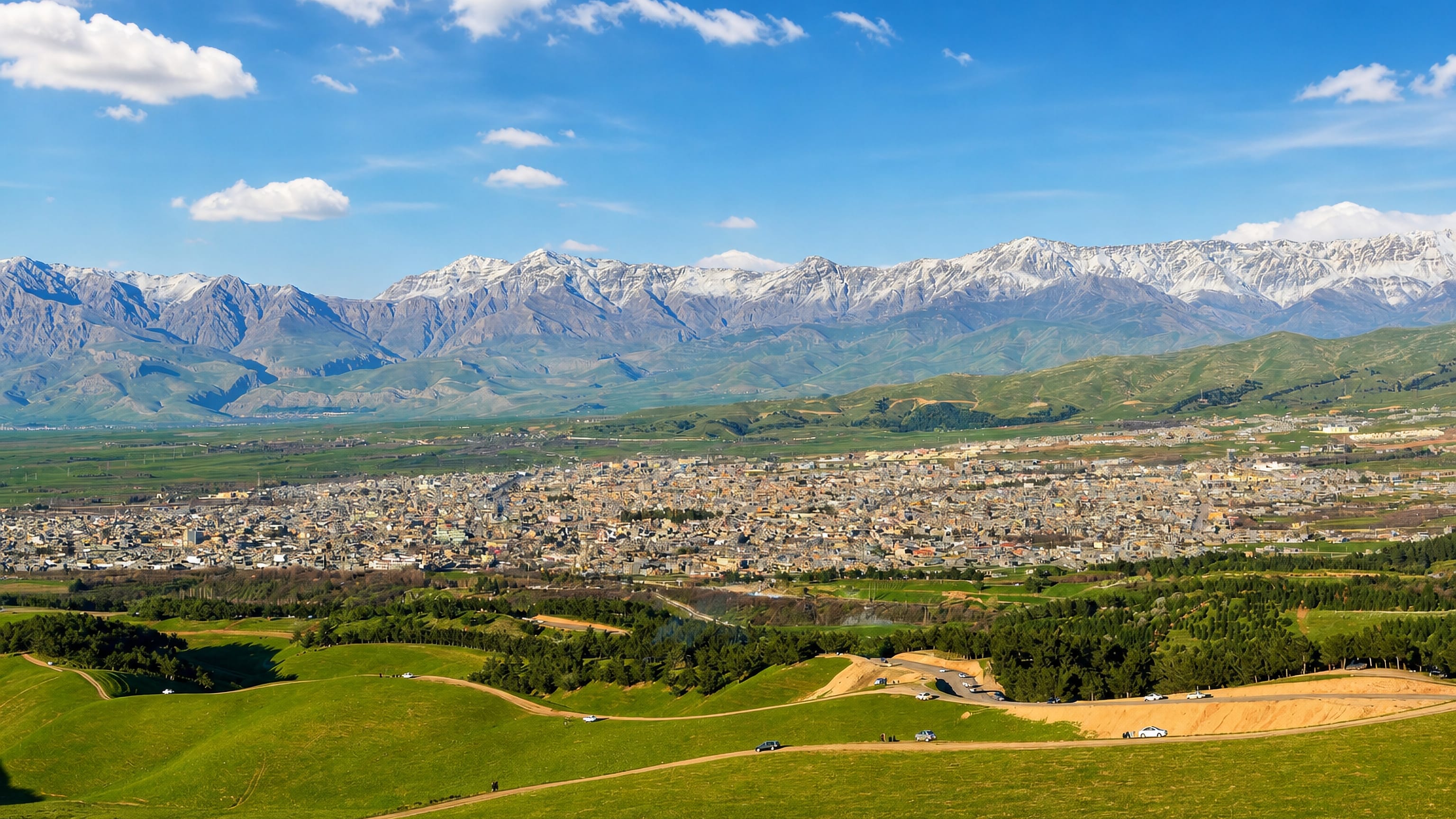
Halabja is the youngest and least populated governorate of Iraq's Kurdistan Region, ringed by the Hawraman mountains near the Iranian border.
Hotel links are affiliate links: booking through them may earn us a commission, at no extra cost to you. It never affects how places are ranked. How this works


Towns & cities in Halabja Governorate
One town here has its own guide — it links to where to stay.

 Iraq
Iraq
Halabja
Halabja is the capital of Halabja Governorate in the Kurdistan Region of Iraq, dating from 1650 and standing 14 kilometres from the Iranian border.Where to stay →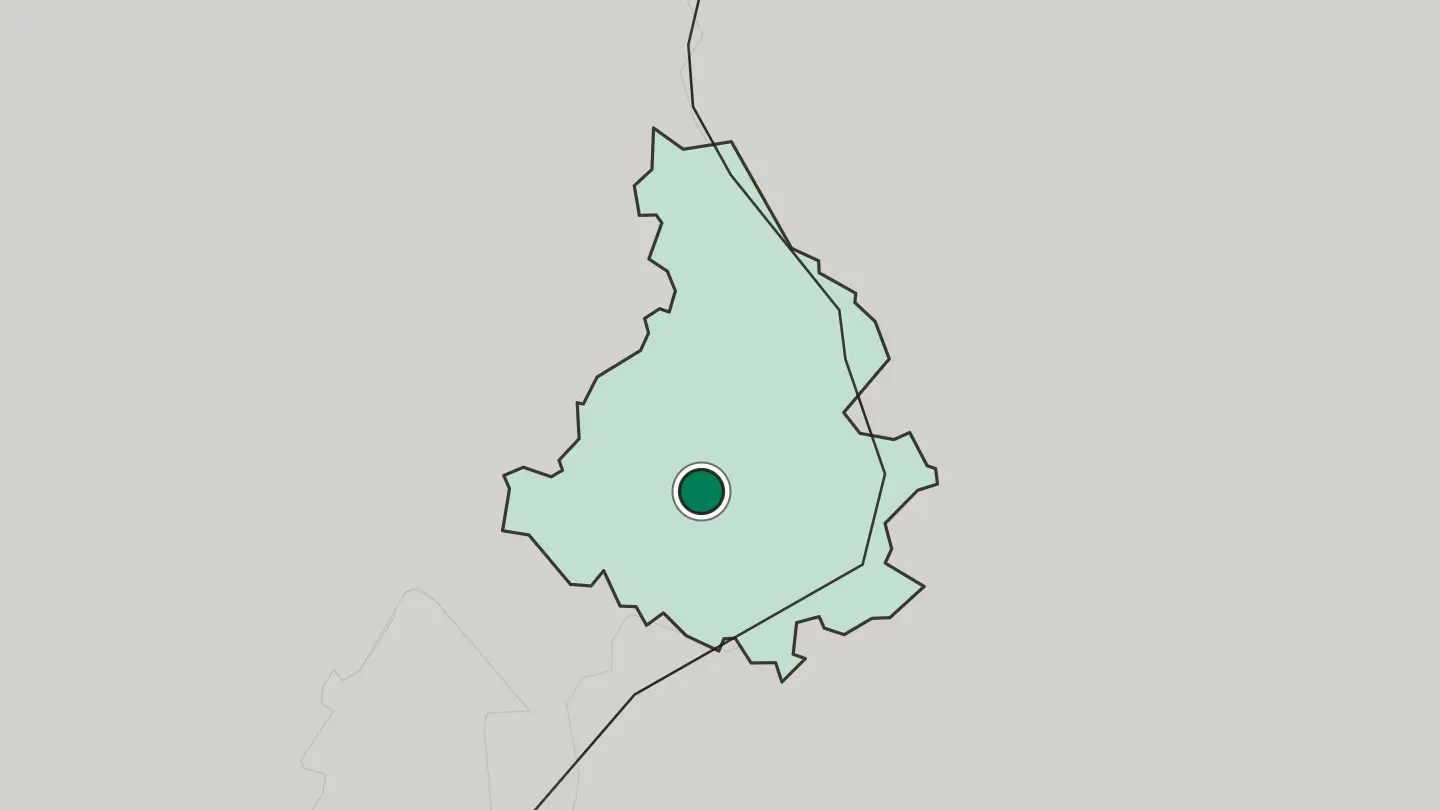
Hotel links are affiliate links: booking through them may earn us a commission, at no extra cost to you. It never affects how places are ranked. How this works
About Halabja Governorate
One name defines this governorate.
What is Halabja Governorate known for?
Halabja is remembered for the chemical attack of March 1988, and its Monument of Halabja Martyrs draws Kurds from across the region to mourn and remember. Beyond that history, the governorate is a mountain country of orchards, famous for the pomegranates grown in the Hawraman valleys and celebrated at Halabja's annual pomegranate festival. The city of Halabja anchors it all, the capital, sitting below the ranges that separate Iraq from Iran.
Where is Halabja Governorate?
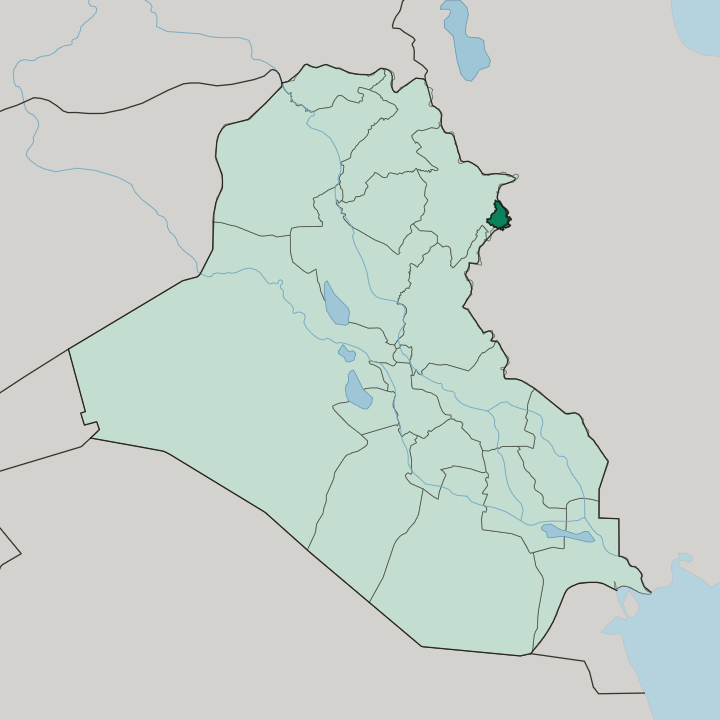
Halabja Governorate occupies the far eastern corner of Iraq's Kurdistan Region, pressed against the border with Iran. It is the least populated of the region's four governorates, split off from Sulaymaniyah Governorate in 2014. Its ranges shape the land here.
The Hawraman and Shnrwe ranges rise along its northeast, the Balambo range walls off the south, and the Sirwan river runs down its western side toward the Darbandikhan reservoir. The capital, Halabja, sits at the base of the greater Hawraman region, a highland that spills across the frontier into Iran. It lies roughly 240 km northeast of Baghdad and only about 14 km from the Iranian line.
Beyond Halabja city, the governorate divides into the districts of Sîrwan, Xurmal, Biyare and Bamo, most of them mountain terrain rather than town. The valleys between the ridges hold the orchards and terraced fields, while the high ground stays wild and thinly settled. This is border country in every sense.
The ranges that shelter it also seal it off, and the roads out lead as easily into Iran's Kurdish provinces as back toward the Iraqi plain.
What is Halabja Governorate like?
This is deeply Kurdish country, and the Hawraman mountains have kept its old ways closer to the surface than the lowlands have. Sorani is the everyday Kurdish spoken in Halabja and the towns below the ranges. Up in the highland villages, older communities keep Hawrami, a distinct Kurdish tongue tied to the terraced settlements of the Hawraman region.
Food and festival mark the calendar. The governorate's orchards give it walnuts, figs and above all pomegranates, and Halabja's yearly pomegranate festival turns the harvest into a celebration that pulls in visitors from across Kurdistan. Between the border villages of Biyare and Tawela, Kurdish folk restaurants serve travellers who come as much for the mountain cooking as for the scenery.
Memory shapes the culture too. The events of 1988 are not a distant chapter here but a living wound, marked each March, and the Monument of Halabja Martyrs stands at the centre of how the place understands itself. Grief and pride sit side by side.
The same people who lost thousands in a single day rebuilt the town and made it the capital of a governorate of their own.
What is the history of Halabja Governorate?
Halabja town grew up as a market and cultural centre in the Hawraman foothills, its founding traced to around 1650. One date changed it. On 16 March 1988, during the Anfal campaign of the Iran-Iraq war, Iraqi forces struck the city with chemical weapons, killing thousands of Kurdish civilians in hours.
The attack became a defining atrocity of the Kurdish experience. Halabja was rebuilt, and in 2014 it was carved out of Sulaymaniyah Governorate to become the fourth governorate of the Kurdistan Region, a status Iraq's federal government confirmed decades after the gas.
What is the climate of Halabja Governorate?
Halabja has a hot-summer Mediterranean climate sharpened by its mountain setting. Summers run long and fiercely hot, with July days in the city climbing toward the high thirties before the heat eases off after dark. Winters are a different world.
Cold, wet air settles in the valleys and snow falls on the Hawraman ranges, feeding the Sirwan river and the springs that water the orchards below. Most of the year's rain arrives in the cool months. The heat of summer is exactly why so many escape uphill into the Hawraman highlands.
How do you get to Halabja Governorate?
The governorate has no airport. Most travellers fly into Sulaymaniyah and drive the last stretch east into the mountains, a route that climbs steadily toward the Iranian border. From Baghdad it is a long haul of roughly 240 km to the northeast.
The Iranian frontier lies close, only about 14 km beyond Halabja, though crossings are limited. Once in the city, a car is what unlocks the region, carrying you up switchback roads to the Ahmed Awa waterfall and the Hawraman villages.
Common questions
What is the best area to stay in Halabja Governorate?
Halabja: hotels in the governorate capital. The Hawraman highlands: Kurdish folk restaurants in the border mountains.
Good for
More regions in Iraq
Updated October 2026