Italy · Toscana
Where to Stay in Arezzo, Toscana
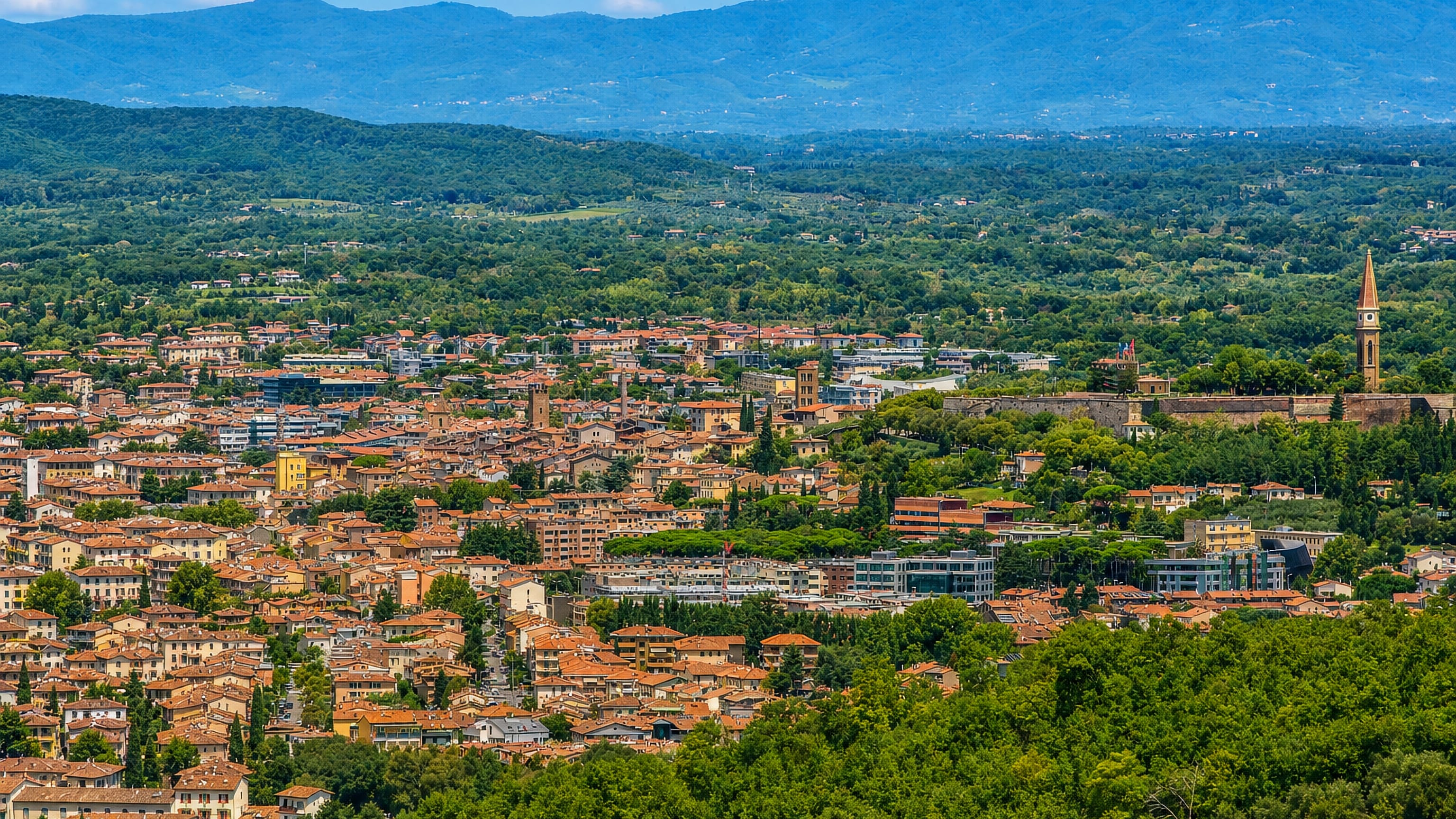
Arezzo is a Tuscan city grown from Etruscan Arretium, keeping San Francesco, Santa Maria della Pieve and Casa Vasari in its centre.
Hotel links are affiliate links: booking through them may earn us a commission, at no extra cost to you. It never affects how places are ranked. How this works


Where to stay in Arezzo
One neighbourhood here has its own guide — here's what it is best for.

 ArezzoItaly
San Zeno
San Zeno is a district of Arezzo, marked by the church of San Leonardo and by the Uno A Erre goldsmithing museum.Where to stay →Hotel links are affiliate links: booking through them may earn us a commission, at no extra cost to you. It never affects how places are ranked. How this works
Find hotels in Arezzo
Direct booking searches for these neighbourhoods.
The quarter around Santa Maria della Pieve
Santa Maria della Pieve, Casa Vasari and the Museo della Fraternita dei Laici stand in these lanesFind hotels in The quarter around Santa Maria della PieveArrivals wanting an easy approach by roadAround the Statua a Guido Monaco
Plainer hotels near the Statua a Guido Monaco, a few minutes from the old streetsFind hotels in Around the Statua a Guido MonacoFamilies keeping a car for the province of ArezzoOut toward Santa Maria delle Grazie
Beyond the lanes, near Santa Maria delle Grazie church, where a car can be parked. Few places to stay nearby — book ahead.Find hotels in Out toward Santa Maria delle GrazieHotel links are affiliate links: booking through them may earn us a commission, at no extra cost to you. It never affects how places are ranked. How this works
Things to do in Arezzo
Ranked by global recognition; descriptions from Wikidata (CC0).
Museums & Galleries
8- Gaio Cilnio Mecenate State Archaeological Museum Heritage
- National Museum of Medieval and Modern Art, Arezzo Heritage
- Diocesan museum of sacred art (Arezzo) Heritage
- Casa museo Ivan Bruschi Heritage
- Area Archeologica del Sottosagrato di San Francesco Heritage
Show 3 more →
- Galleria comunale d'arte contemporanea di Arezzo Heritage
- Museo aziendale della "Gori & Zucchi" (Uno A Erre) Heritage
- Museo dei Mezzi di Comunicazione Heritage
Churches & Religious Sites
3- San Francesco, Arezzo Heritage
- Arezzo Cathedral
- Santa Maria della Pieve
Castles & Historic Sites
3- Statua a Guido Monaco
- Arretium
- Arezzo (Samian Ware Productioncentre)
Landmarks & Notable Places
1- Casa-Torre dei Lappoli
worth knowingacross 4 categories in Arezzo
About Arezzo
Arezzo was an important Etruscan town.
What is Arezzo known for?
Arretium was a production centre for Samian ware, and the Gaio Cilnio Mecenate State Archaeological Museum holds what survives of it. Later centuries left more. San Francesco, Santa Maria della Pieve and Arezzo Cathedral carry the medieval city, Casa Vasari keeps the name of Giorgio Vasari, and gold and jewellery work runs alongside the agricultural trade.
What are the main landmarks in Arezzo?
Three churches carry the centre. Arezzo Cathedral, Santa Maria della Pieve and San Francesco stand within a few minutes of each other, and the Cappella Bacci Basilica di San Francesco belongs to the last of them. Museums are thick on the ground.
The Gaio Cilnio Mecenate State Archaeological Museum covers Arretium, while the National Museum of Medieval and Modern Art and the Museo di Casa Vasari take the centuries after it. Monuments mark the local names: Statua a Guido Monaco, the Monument to Francesco Petrarca and the Monument to Giorgio Vasari.
What is the history of Arezzo?
Arezzo began as an Etruscan town. Arretium was important enough to matter in the ancient record, and the Gaio Cilnio Mecenate State Archaeological Museum, together with the ground that produced Samian ware, is where that period survives. The Area Archeologica del Sottosagrato di San Francesco shows another layer of it.
Medieval Arezzo built in stone. Santa Maria della Pieve, Arezzo Cathedral, San Francesco and the Casa-Torre dei Lappoli all belong to the medieval and early modern town, and the Museo della Fraternita dei Laici carries a name from the same period. The Vasari name belongs to the city.
Casa Vasari and the Museo di Casa Vasari occupy the house, and the Monument to Giorgio Vasari stands among the other memorials the city raised to Francesco Petrarca, Guido Monaco, Vittorio Fossombroni and Ferdinand III of Tuscany. Trade kept the city working. Arezzo grew into an agricultural trade centre, with jewellery and gold work alongside clothing and machine industries, and that mixture, rather than any single trade, is what carried it forward.
The Museo dei Mezzi di Comunicazione and the Galleria comunale d'arte contemporanea di Arezzo are the newest additions to the list.
Where is Arezzo?
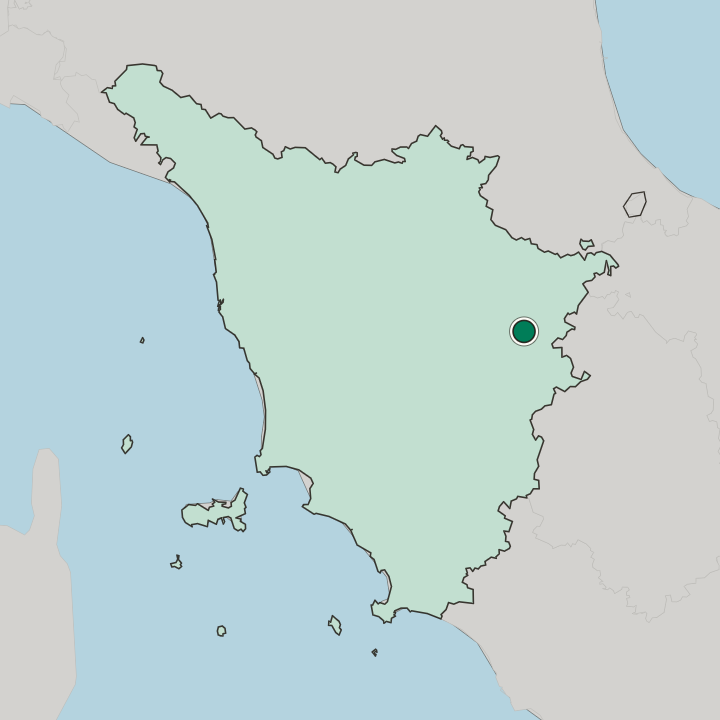
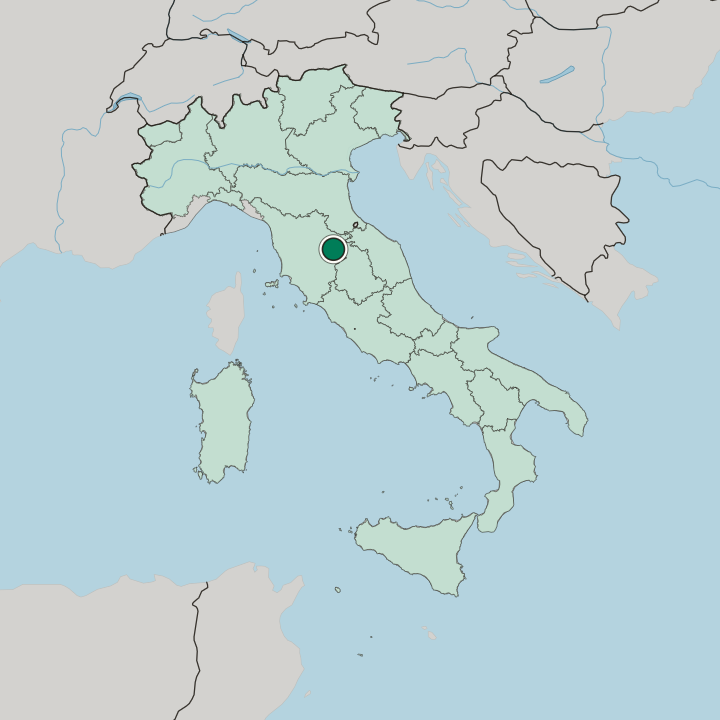
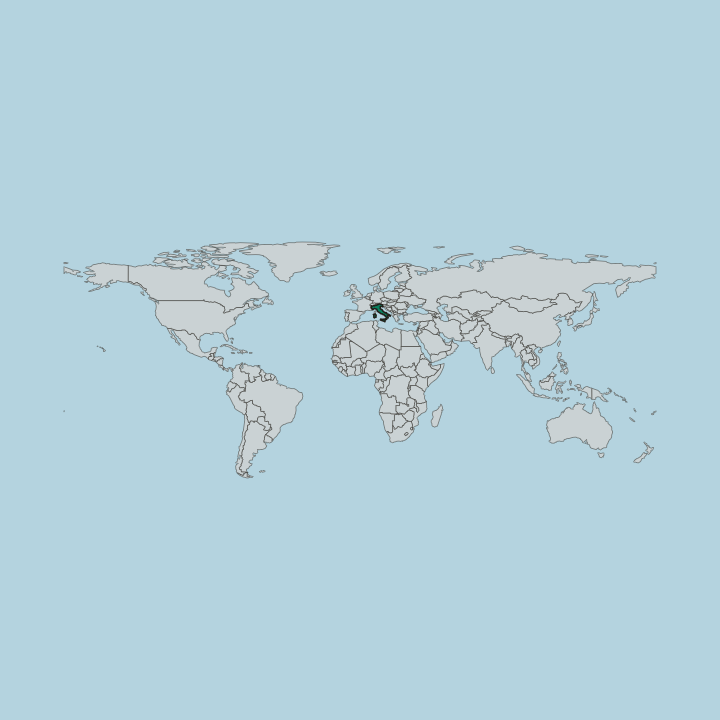
Arezzo stands south-east of Florence. The city is the capital of its own province in Tuscany, set well above sea level, with farmland and small towns filling the country around it. Tuscany runs on in every direction.
The old streets sit close together, which is why Arezzo Cathedral, Santa Maria della Pieve and San Francesco can be seen in a single morning without hurrying.
What is the climate of Arezzo?
Distance from the sea tells here. Arezzo sits inland in Tuscany and well above sea level, so the nights cool off more than they do on the coast and the winter comes in properly rather than by halves. Summer is hot and dry.
Anyone walking up to Arezzo Cathedral in August feels the difference, and the museums are the obvious retreat when the light off the stone becomes too much.
How do you get to Arezzo?
Florence is the obvious approach. Arezzo lies about eighty kilometres south-east of it, close enough for a day trip in either direction and far enough that the city keeps its own province and its own habits. The centre is for walking.
Once inside it, San Francesco, Casa Vasari, the Museo della Fraternita dei Laici and the Gaio Cilnio Mecenate State Archaeological Museum are all within reach of each other, and a car is worth leaving where it was parked.
Common questions
What is the best area to stay in Arezzo?
The quarter around Santa Maria della Pieve: Visits spent on foot between San Francesco and Arezzo Cathedral. Around the Statua a Guido Monaco: Arrivals wanting an easy approach by road. Out toward Santa Maria delle Grazie: Families keeping a car for the province of Arezzo.
Good for
More cities in Toscana
Updated October 2026