Italy
Toscana, Italy — Towns & Travel Guide
Toscana is a region of central Italy, home to Florence and the Renaissance, hill towns, vineyards, and a Tyrrhenian coast.
Hotel links are affiliate links: booking through them may earn us a commission, at no extra cost to you. It never affects how places are ranked. How this works


Towns & cities in Toscana
Pick a town or city — each links to where to stay.

 Italy
Italy
Florence
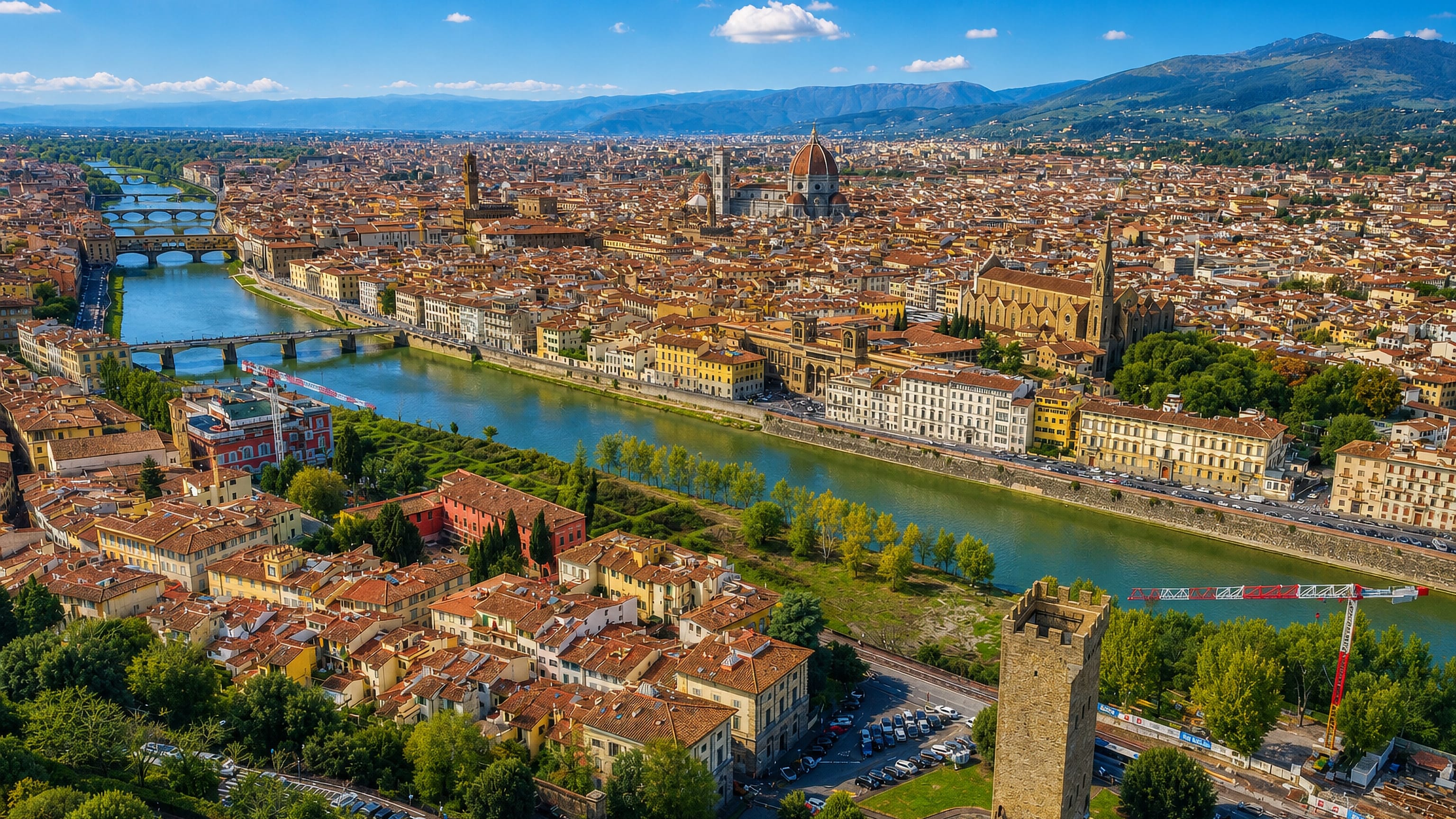
Brunelleschi's dome rules the skyline of Florence, the Tuscan capital on the Arno, known for the Uffizi Gallery and the Ponte Vecchio.Where to stay →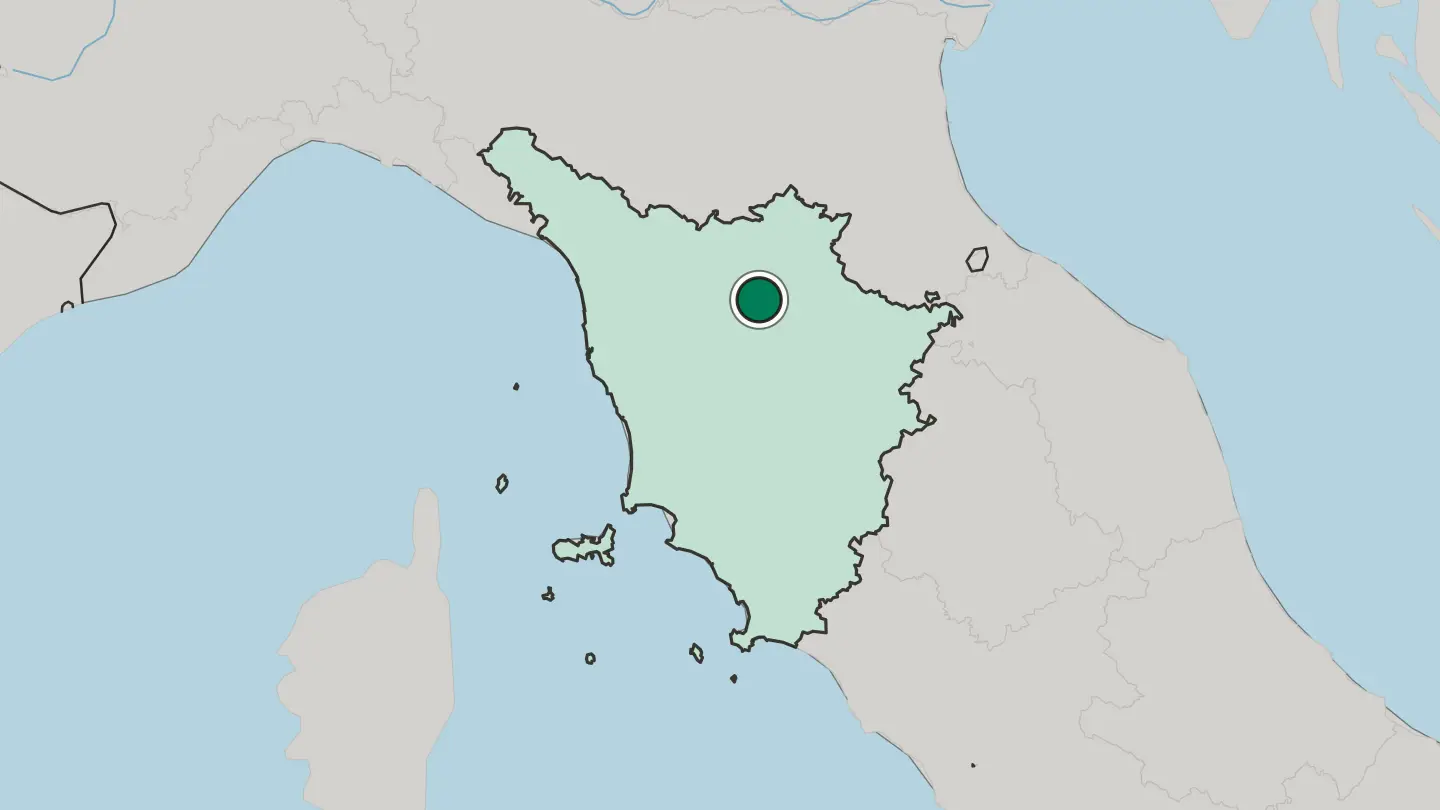
 Italy
Italy
Prato
Looms made this city. Prato stands west of Florence at the foot of Monte Retaia, seat of its own province in Tuscany.Where to stay →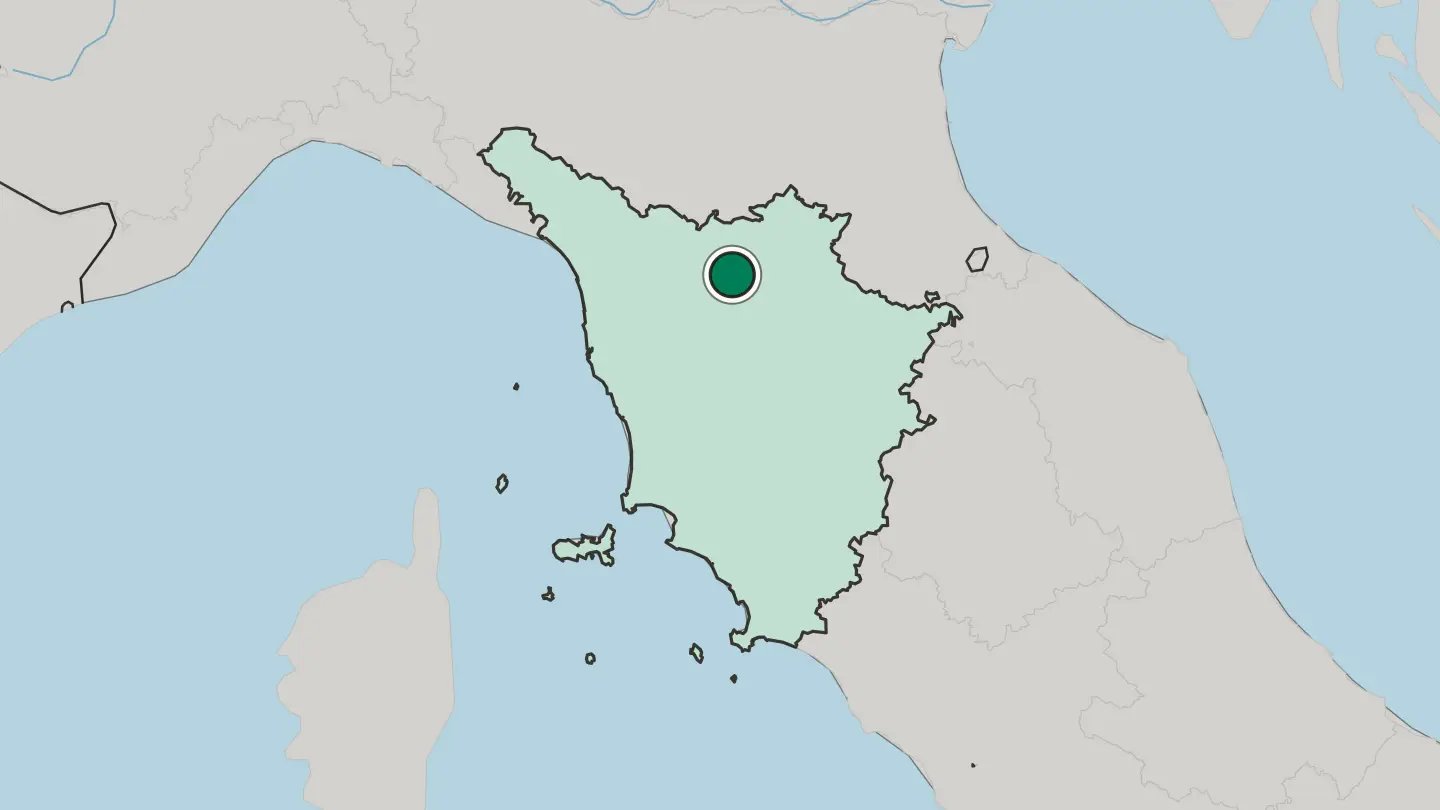
 Italy
Italy
Livorno
Livorno was founded in 1577. Its congregations left the Duomo di Livorno, a Dutch German temple and a Jewish museum inside one compact centre.Where to stay →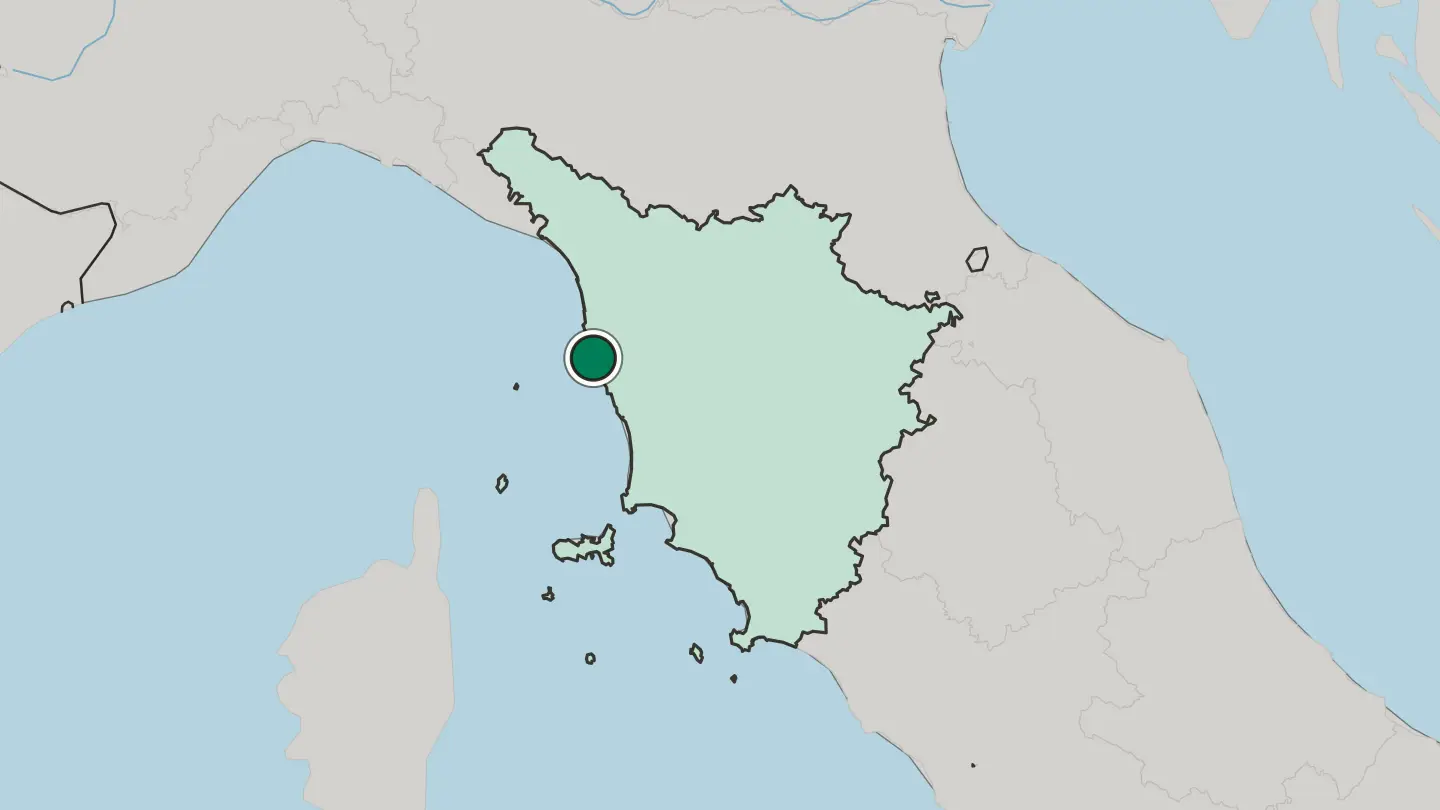
 Italy
Italy
Pisa
Pisa straddles the Arno near the Ligurian Sea, and the Leaning Tower of Pisa heads a long list. Santa Maria della Spina and the Baptistry follow.Where to stay →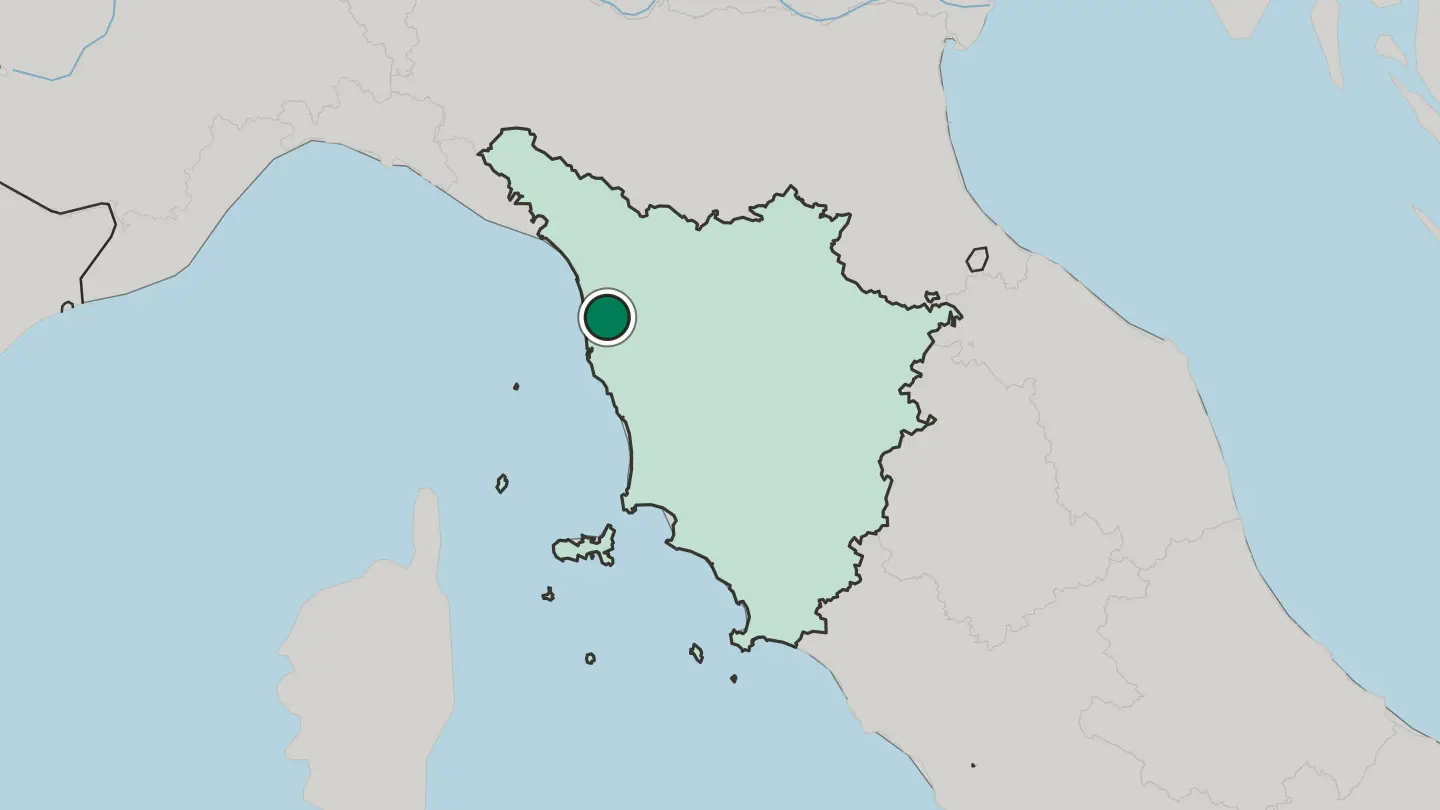
 Italy
Italy
Arezzo
Arezzo is a Tuscan city grown from Etruscan Arretium, keeping San Francesco, Santa Maria della Pieve and Casa Vasari in its centre.Where to stay →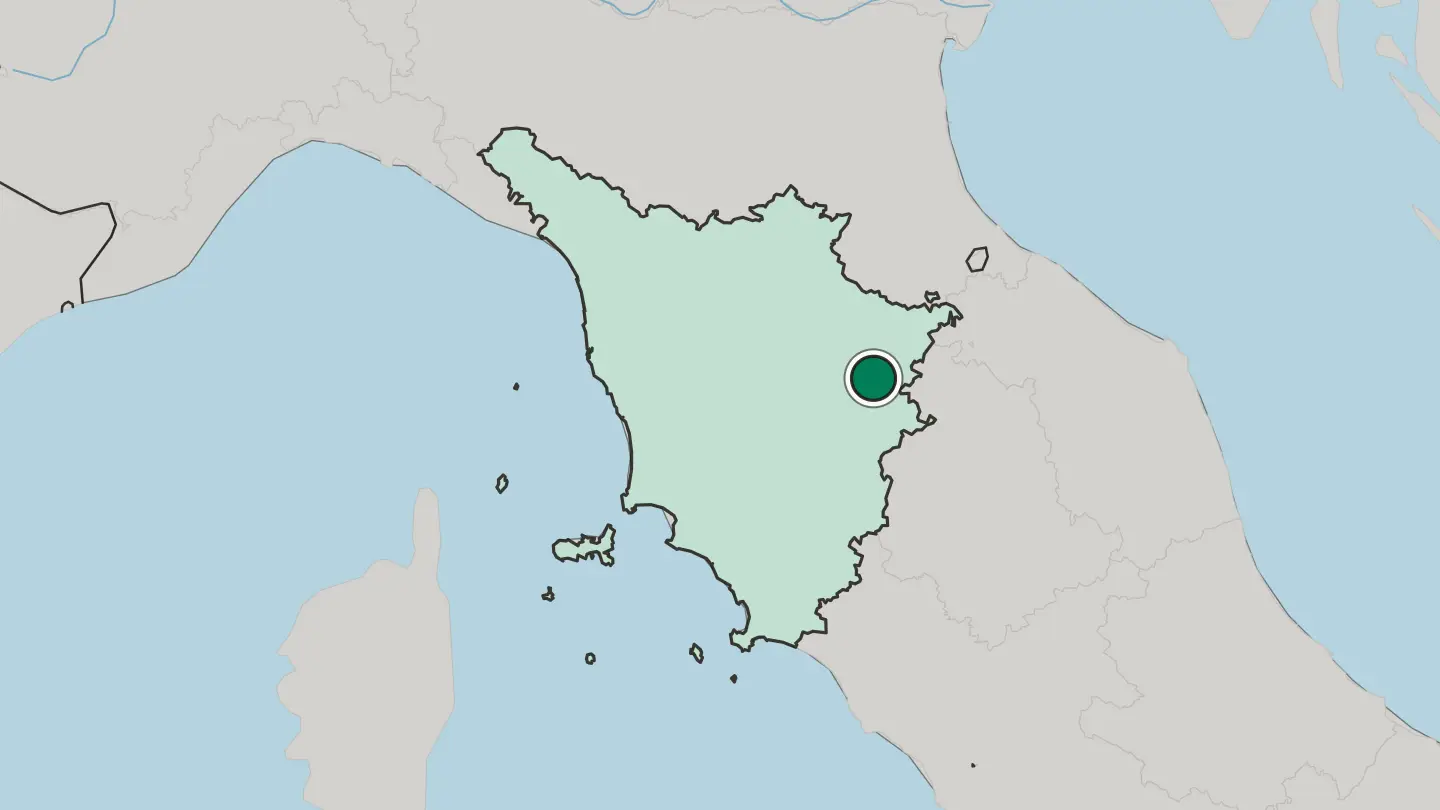
 Italy
Italy
Lucca
Lucca stands on the Serchio River in Tuscany, an independent city state until the end of the 18th century. Giacomo Puccini was born here.Where to stay →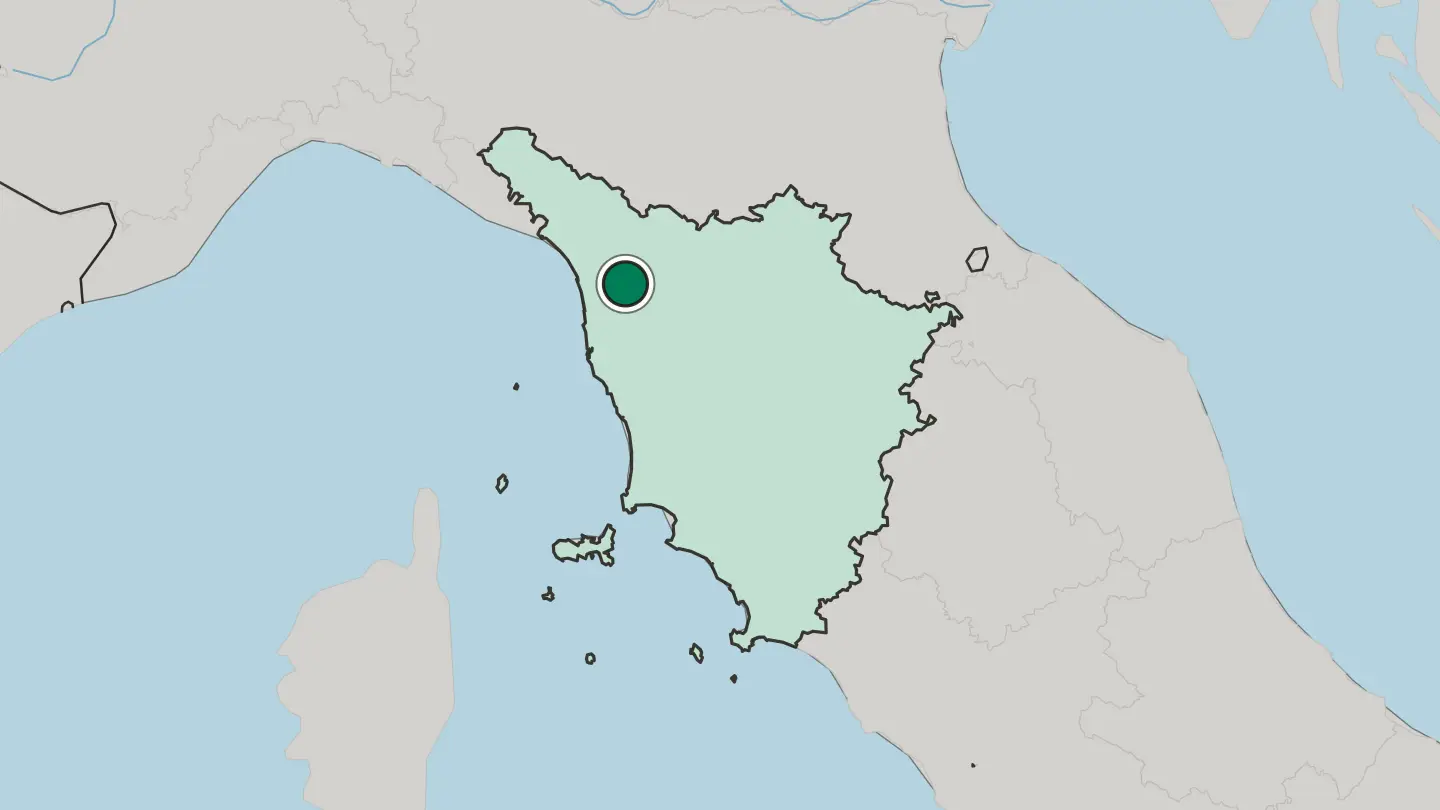
 Italy
Italy
Pistoia
Pistoia is a Tuscan city at the foot of the Apennines in Italy, a medieval rival of Florence with a grand cathedral square.Where to stay →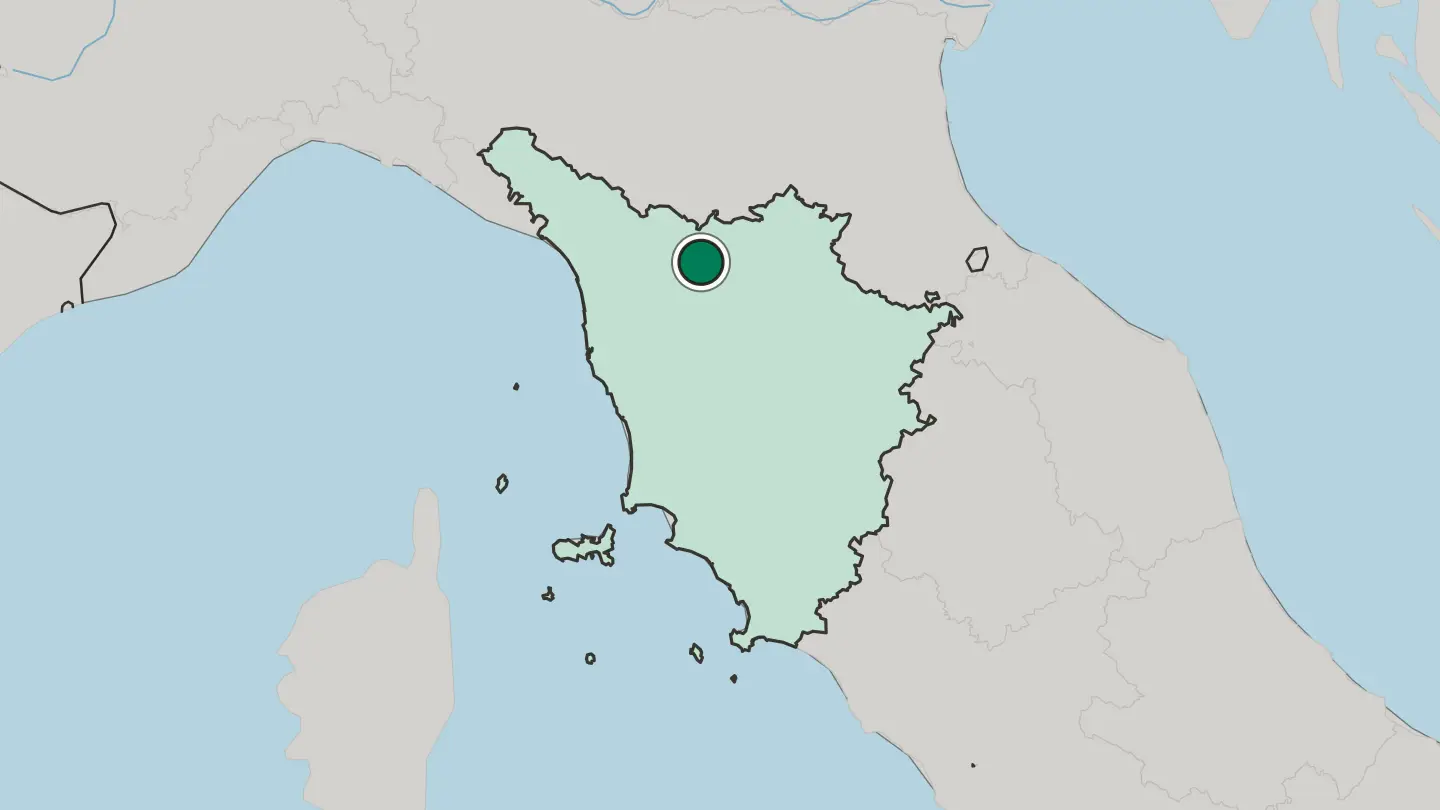
 Italy
Italy
Massa
Massa sits in the Frigido River Valley under the Alpi Apuane, five kilometres from the Tyrrhenian Sea. Malaspina Castle holds the height.Where to stay →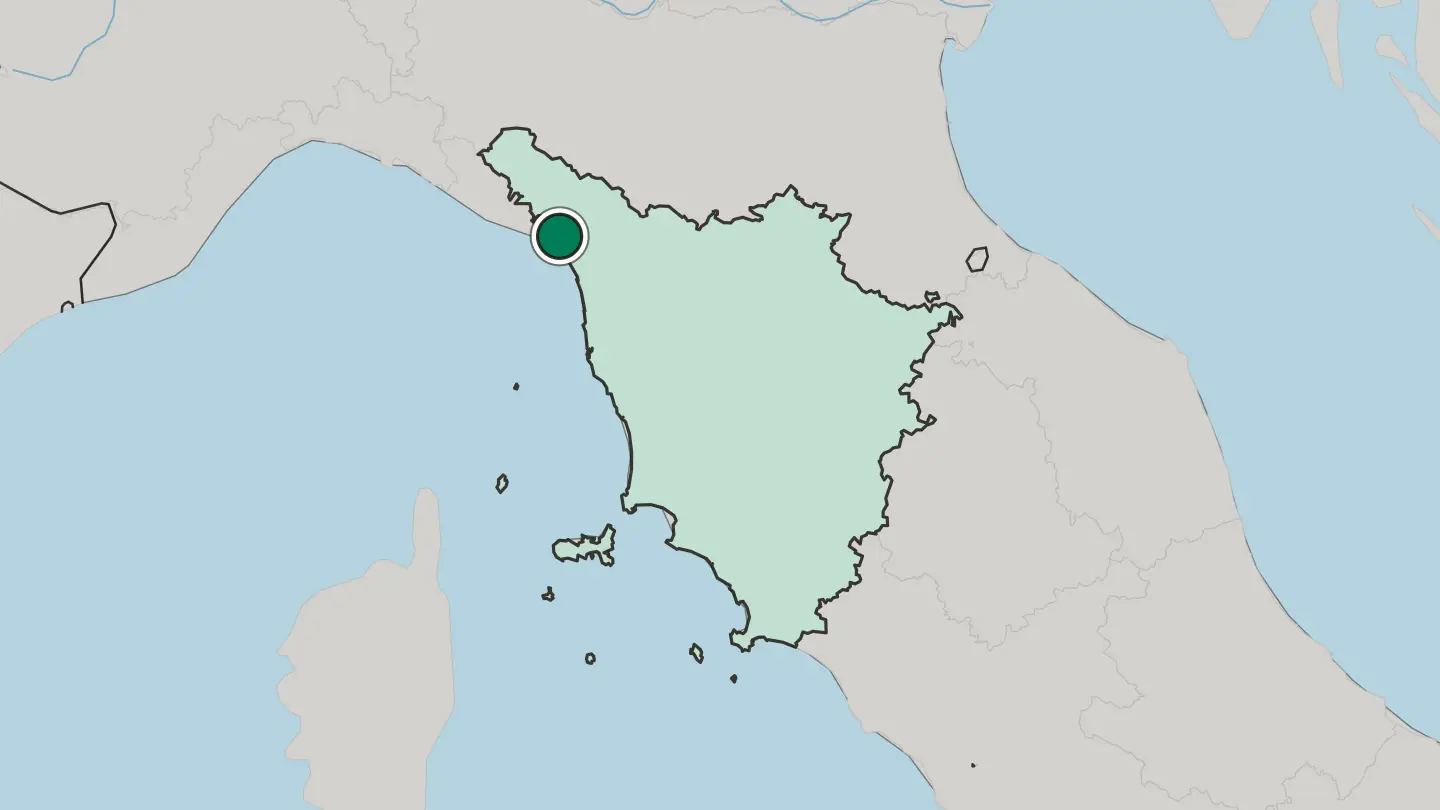
All towns & cities (12)
 Italy
Italy
Viareggio
Sand, then the sea. Viareggio spreads behind its beach in Versilia, the second city of the province of Lucca.Where to stay →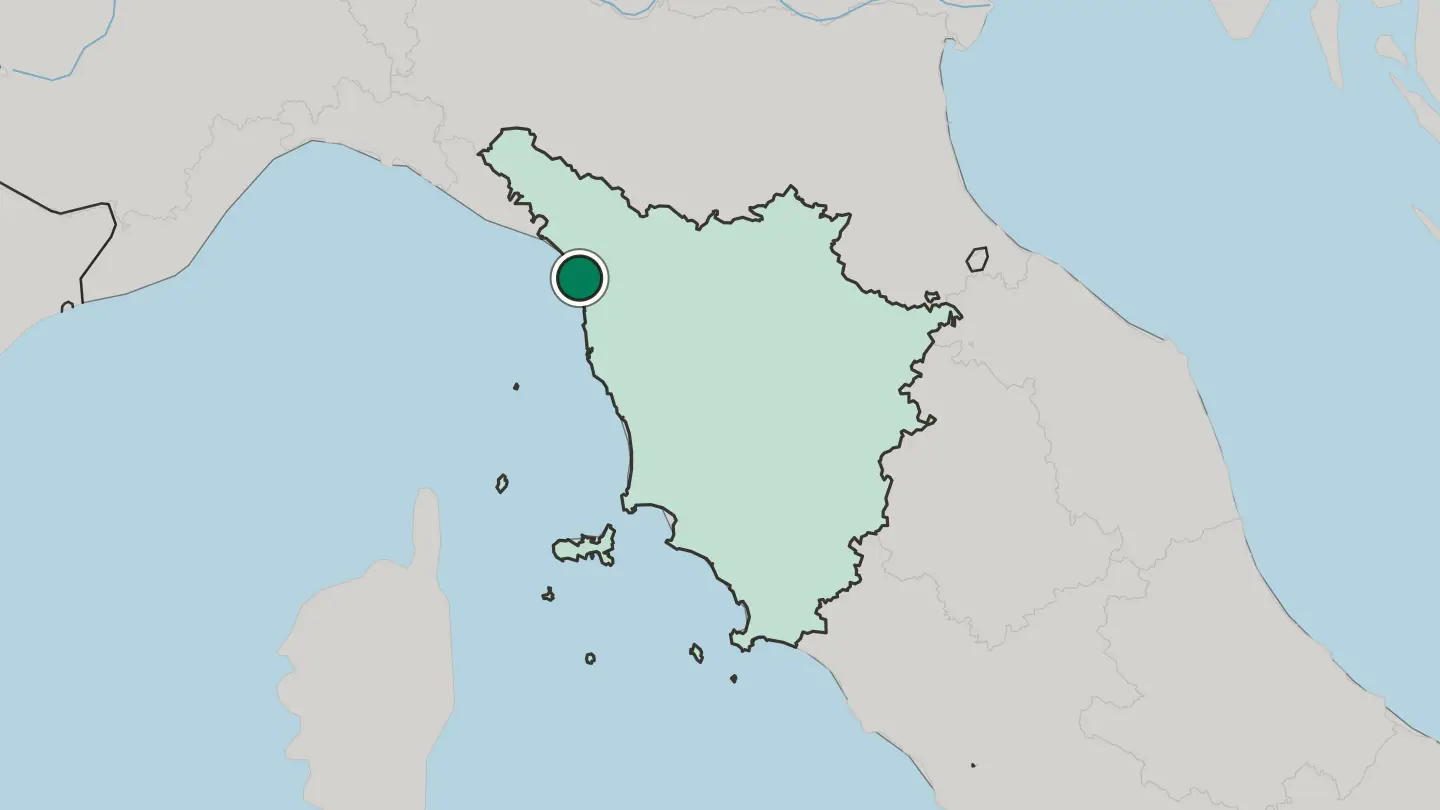
 Italy
Italy
Grosseto
Grosseto keeps the Maremma's record. Its cathedral, the museums of the region and the monument called Canapone anchor the centre of this Toscana comune.Where to stay →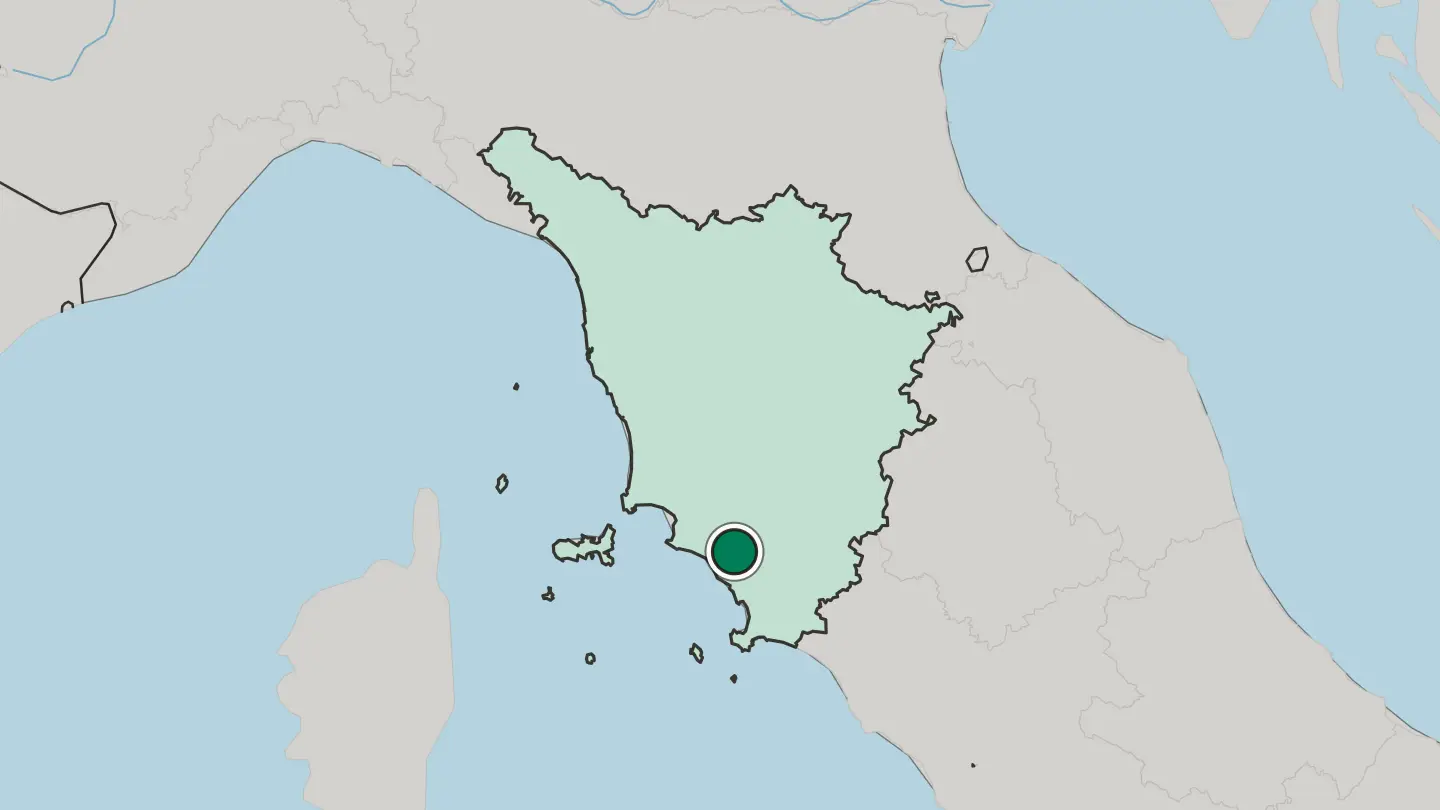
 Italy
Italy
Carrara
White and blue-grey marble made Carrara. The town lies on the Carrione River in Tuscany, west-northwest of Florence, quarried since Roman times.Where to stay →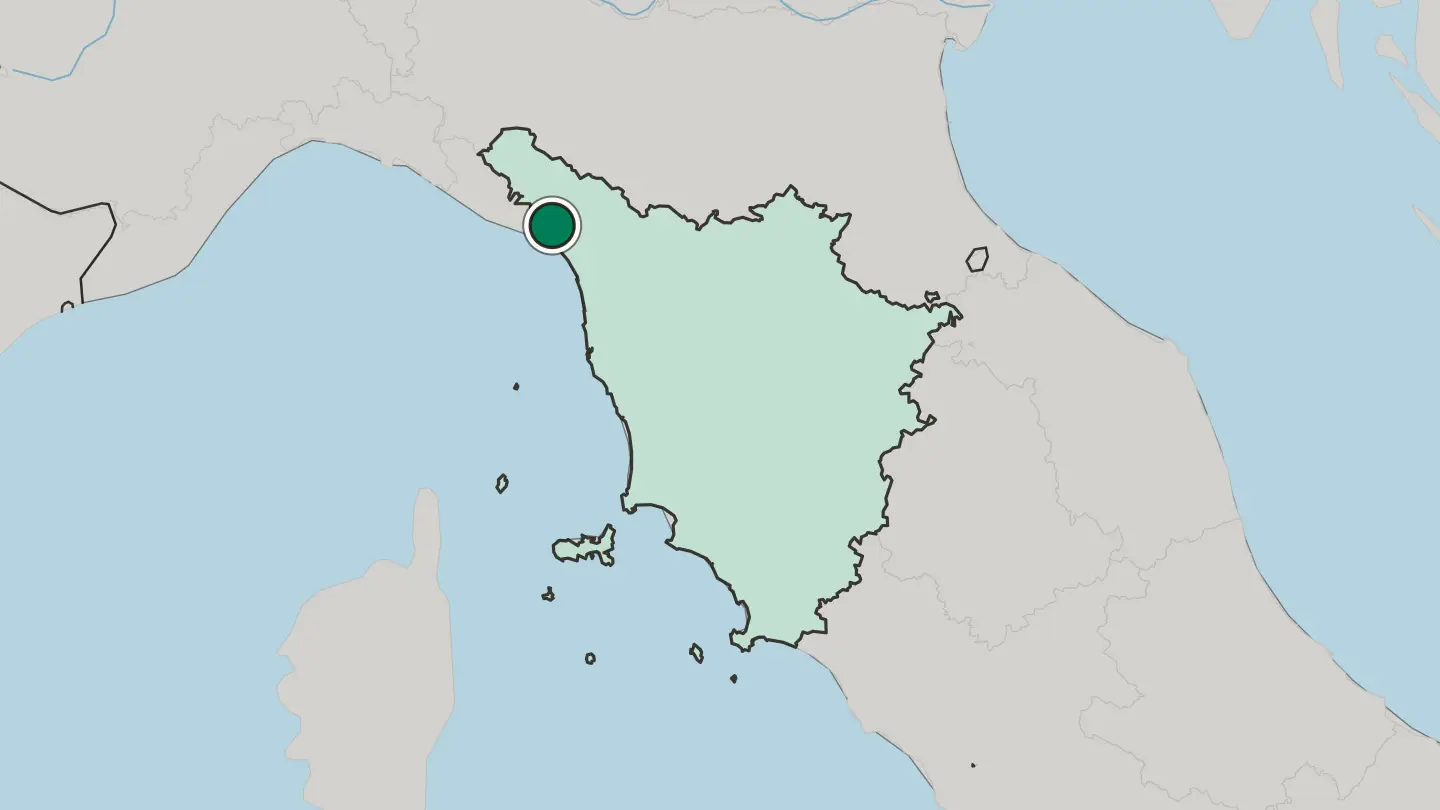
 Italy
Italy
Siena
The walls still hold. Siena keeps its medieval centro storico intact seventy kilometres south of Florence, a UNESCO World Heritage Site in Tuscany.Where to stay →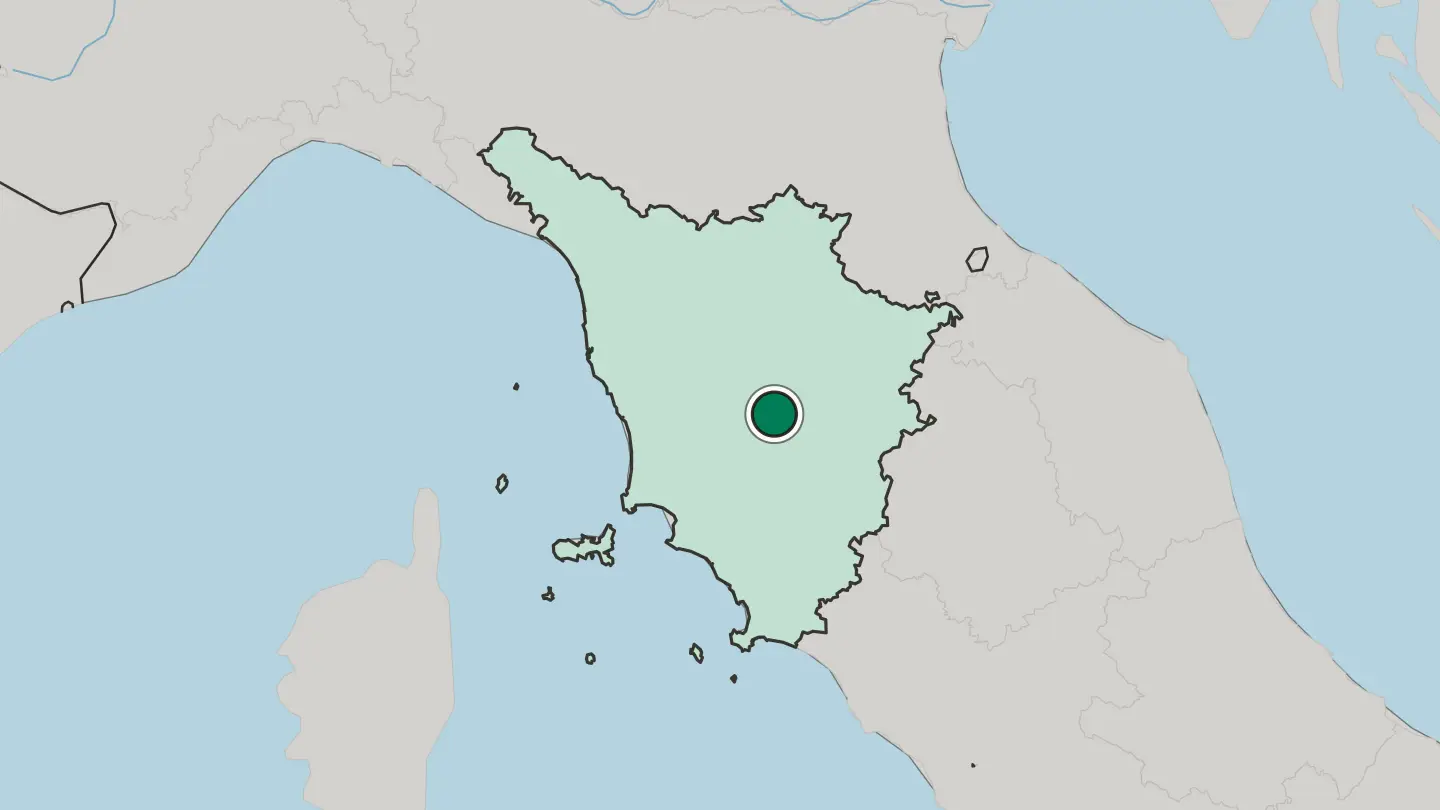
Hotel links are affiliate links: booking through them may earn us a commission, at no extra cost to you. It never affects how places are ranked. How this works
About Toscana
Toscana is the birthplace of the Renaissance.
What is Toscana known for?
Florence is its capital, where Brunelleschi's dome and the Uffizi hold the art the region is famous for. Beyond the city, the draw is the countryside itself, a run of cypress-lined ridges and hill towns that runs south from Firenze toward Siena. Wine belongs to the picture too, above all the Sangiovese reds of the Chianti hills between the two cities.
The coast and the Tuscan Archipelago add beaches and the island of Elba.
Where is Toscana?
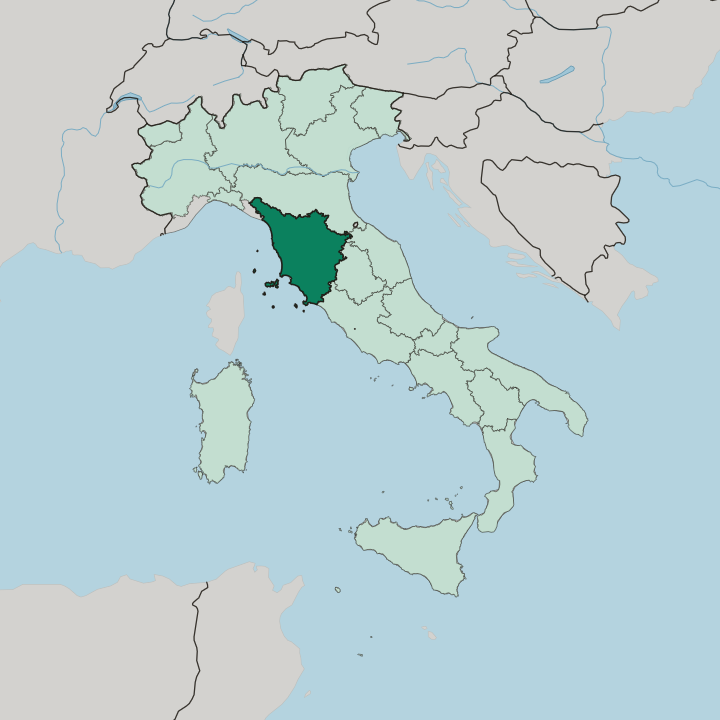
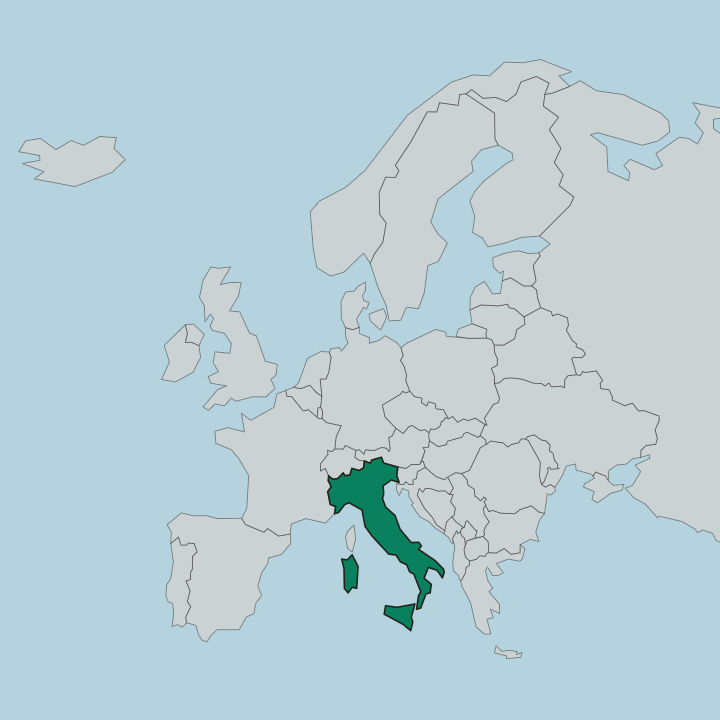
Toscana sits in central Italy, on the country's western side. The Tyrrhenian Sea forms its whole western edge, and the coast runs from the Ligurian shore in the north down toward Lazio in the south. Hills dominate.
Roughly two-thirds of the region is hill country, a quarter is mountain, and only a narrow eighth is plain, most of it along the Arno or the coast. The Apennines wall off the north and east, and the marble-white Apuan Alps rise near the coast above Massa and Carrara. The Arno is the region's defining river.
It rises on Monte Falterona in the Apennines, cuts west through Florence and Pisa, and reaches the sea near the coast below Pisa after a course of some 240 kilometres. Off that coast lies the Tuscan Archipelago, a scatter of seven islands of which Elba is the largest. To the north the region borders Liguria and Emilia-Romagna, to the east Marche and Umbria, and to the south Lazio.
Florence stands inland in the north-centre, on the Arno, the capital and largest city. Siena lies south of it in the hills, Pisa and Lucca to the west toward the sea. That mix of ridge, valley, and shore is what gives Toscana its shape.
What is Toscana like?
Toscana thinks of itself as the cradle of the Renaissance, and the claim is fair. Florence gave the movement Brunelleschi's dome, Michelangelo's David, and the paintings that fill the Uffizi, and much of what a visitor comes to see was made within a few streets of the Arno. The Tuscan dialect became the basis of standard Italian, carried by Dante and read across the country.
Language and art are only half of it. The other half is the table. Tuscan cooking is plain and built on good ingredients, from the thick bean soups and unsalted bread of the interior to the char-grilled bistecca alla fiorentina, and it is paired with the Sangiovese reds of the Chianti hills.
Craft runs deep. The Apuan Alps above Carrara have been quarried for white marble since Roman times, the stone that Michelangelo chose. Siena keeps its own traditions alive, above all the Palio horse race run twice each summer around the shell-shaped Piazza del Campo.
Festivals and food markets mark the calendar. Culture here is not only shut inside museums. It lives in the vineyards, the marble towns, and the walled hill towns as much as in Florence itself.
What is the history of Toscana?
Toscana takes its name from the Etruscans, who filled the land between the Arno and the Tiber long before Rome. Rome absorbed them, and later founded Lucca, Pisa, and Siena. Its greatest age came far later.
In the 14th and 15th centuries Florence grew rich on banking and cloth, and under the Medici it became the engine of the Italian Renaissance, funding Leonardo, Michelangelo, and Brunelleschi. Cosimo I de' Medici pulled the region together and was made first Grand Duke of Tuscany in 1569. The Grand Duchy lasted until Toscana joined a united Italy in 1860.
What is the climate of Toscana?
Toscana has a Mediterranean climate along the coast, warmer and milder than the interior. July and August bring dry heat. The coast and the Arno valley bake in July and August, while the higher inland hills and the Apennines stay cooler and see more rain.
Spring and autumn are the gentler seasons, green in the vineyards of Chianti and mild enough for long days in Florence and Siena. Winters are cool, wettest on the mountain slopes to the north and east.
How do you get to Toscana?
Two airports serve the region. Pisa's Galileo Galilei is the larger, out toward the coast, while Florence's Amerigo Vespucci sits closer to the regional capital, and the two lie only about 80 kilometres apart. From Pisa a shuttle links the terminal to the station, and trains run on to Florence in around an hour.
Rail ties the main cities together, so Florence, Pisa, Lucca, and Siena all connect without a car. A car earns its keep for the Chianti hills and the Val d'Orcia.
Common questions
What is the best area to stay in Toscana?
Florence: getting your bearings in Toscana. Siena and the Chianti hills: wine and hill-town country. Lucca: the walled north-west. The Val d'Orcia: the postcard countryside.
Good for
More regions in Italy
Updated September 2026