Italy · Toscana
Where to Stay in Carrara, Toscana
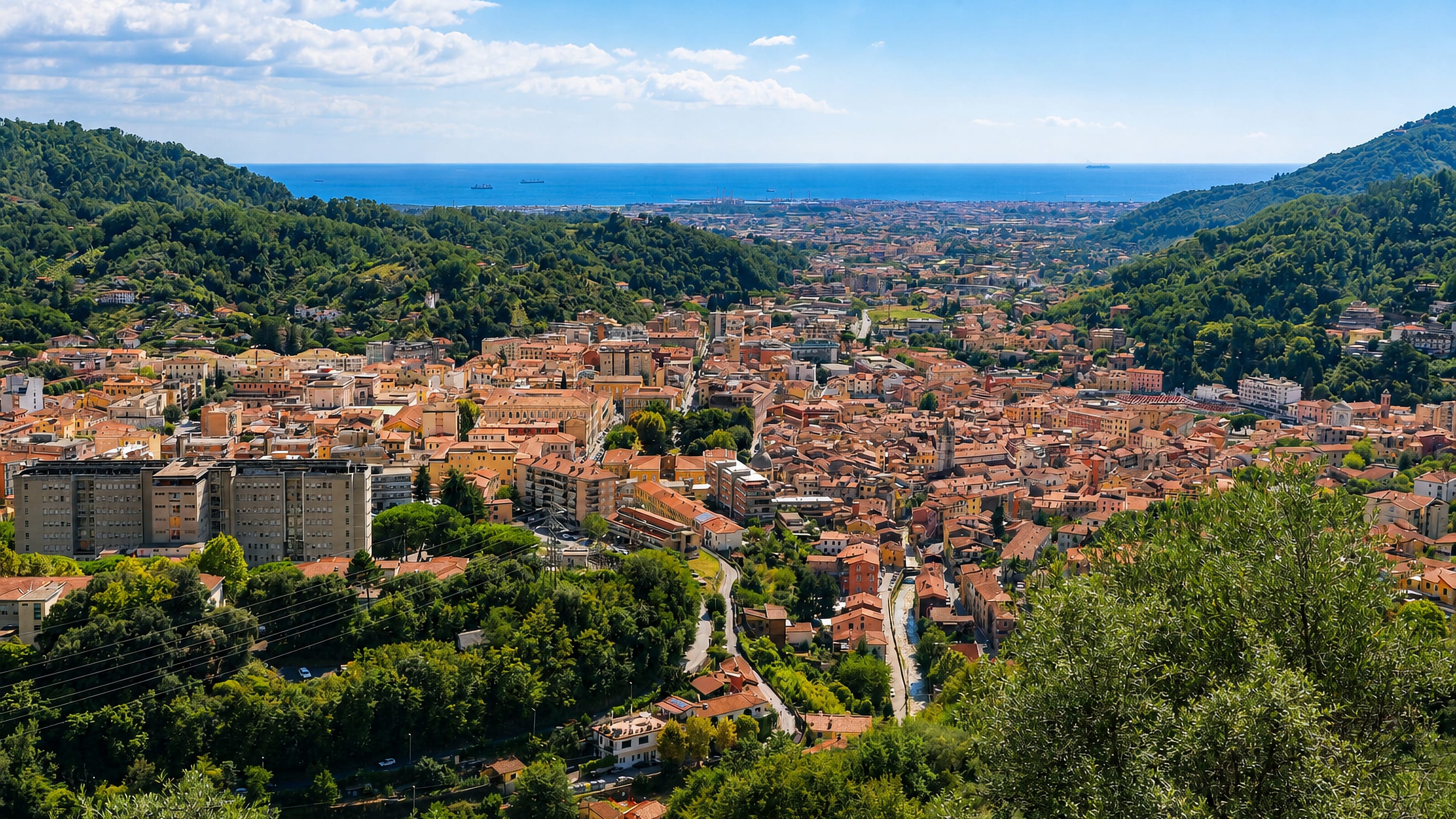
White and blue-grey marble made Carrara. The town lies on the Carrione River in Tuscany, west-northwest of Florence, quarried since Roman times.
Hotel links are affiliate links: booking through them may earn us a commission, at no extra cost to you. It never affects how places are ranked. How this works


Where to stay in Carrara
One neighbourhood here has its own guide — here's what it is best for.

 CarraraItaly
Noceto
Noceto is a Carrara quarter in Toscana with three catalogued churches on its record and nothing else listed inside it.Where to stay →Hotel links are affiliate links: booking through them may earn us a commission, at no extra cost to you. It never affects how places are ranked. How this works
Find hotels in Carrara
Direct booking searches for these neighbourhoods.
Cathedral quarter
The banded marble front of Carrara Cathedral anchors a few blocks that also hold the Carmine Church, Chiesa del Suffragio and the Museo delle Arti di Carrara.Find hotels in Cathedral quarterSlope-side rooms with the Carrione River valley in viewBelow Castello Malaspina
Ground climbs toward Castello Malaspina, so the outlook opens down the Carrione River valley while the cathedral square stays a few minutes below on foot. Beds are limited here, so book early.Find hotels in Below Castello MalaspinaSleeping beside the haul road and the Museo di FantiscrittiFantiscritti
Quarry country above the town, where the few rooms sit along the haul road and cut marble faces stand in plain sight from the Museo di Fantiscritti. Beds are limited here, so book early.Find hotels in FantiscrittiA quieter hillside spur under Castello di MonetaMoneta
A hill settlement gathered under Castello di Moneta, further out along the valley than the cathedral square and correspondingly quiet. Beds are limited here, so book early.Find hotels in MonetaHotel links are affiliate links: booking through them may earn us a commission, at no extra cost to you. It never affects how places are ranked. How this works
Things to do in Carrara
Ranked by global recognition; descriptions from Wikidata (CC0).
Museums & Galleries
3- Museo delle Arti di Carrara Heritage
- Museo civico del marmo di Carrara
- Museo di Fantiscritti
Churches & Religious Sites
3- Carrara Cathedral
- Carmine Church
- Chiesa del Suffragio (Carrara)
Castles & Historic Sites
2- Castello Malaspina Heritage
- Castello di Moneta
worth knowingacross 3 categories in Carrara
About Carrara
Marble is the through-line here.
What is Carrara known for?
The quarries above the Carrione River have yielded white and blue-grey stone since Roman times, and the town's motto, Fortitudo mea in rota, points straight at the shipping trade that carried the blocks away. Museo civico del marmo di Carrara sets out the geology and the cutting tools, while Museo di Fantiscritti stands nearer the working faces.
What are the main landmarks in Carrara?
Carrara Cathedral carries the town's material on its own front, banded in marble cut from the slopes above. Castello Malaspina holds the high ground, and Castello di Moneta guards a spur further out along the valley. Two museums divide the subject between them: the Museo civico del marmo di Carrara for geology and cutting tools, the Museo delle Arti di Carrara for what sculptors made of the stone.
Smaller churches punctuate the centre. Sant'Antonio Abate and Sant'Anna Church, the Carmine Church and the chiesa dei Santi Martino e Lorenzo stand among them.
What is the history of Carrara?
Quarrying is the oldest thread. Stone has left these slopes since Roman times, and the Latin motto Fortitudo mea in rota fixes that shipping trade at the centre of how the town has long explained itself. Castello Malaspina keeps the Malaspina name on the height above the valley, while Castello di Moneta holds a second summit further out.
Around them the parishes accumulated. Carrara Cathedral, the Carmine Church, Chiesa del Suffragio and the chiesa dei Santi Martino e Lorenzo each mark a different layer of church building, and Sant'Antonio Abate and Sant'Anna Church adds another. The twentieth century left its markers in the same material.
A monument to the women of the Resistance and the monument of the massacre of Bergiola both stand within the comune, keeping those years in public sight rather than in an archive. Two more name individuals. The monument to Alberto Meschi and the monument to Vincenzo Giudice were raised to figures the town chose to hold in stone, which is the medium Carrara reaches for whenever it wants something remembered.
Museo di Fantiscritti sits out among the quarry faces themselves, and the Museo civico del marmo di Carrara gathers what the industry has meant across the province of Massa and Carrara.
Where is Carrara?
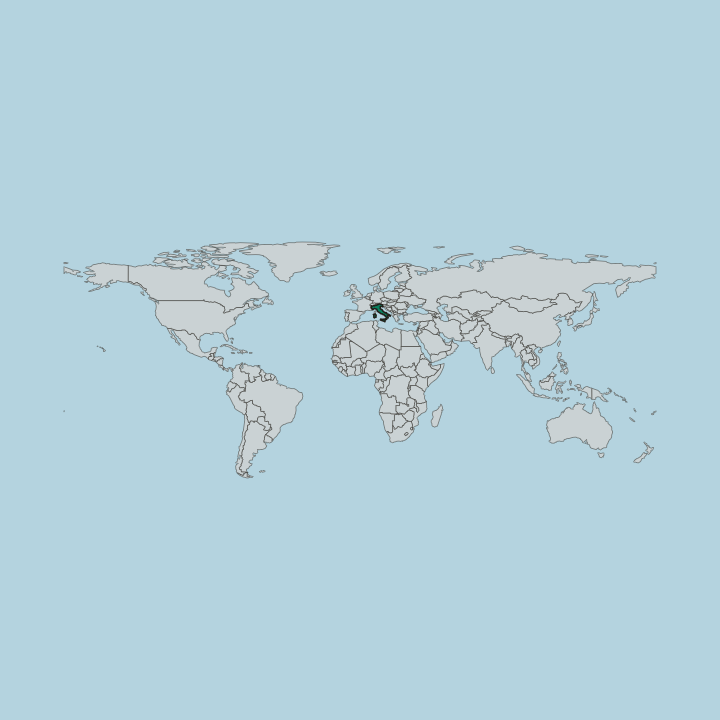
The Carrione River runs through Carrara and out toward the plain. Its valley cuts into slopes worked for marble over many centuries, so the ground above the town reads as terraces of pale rock rather than unbroken woodland. About 71 square kilometres fall inside the comune.
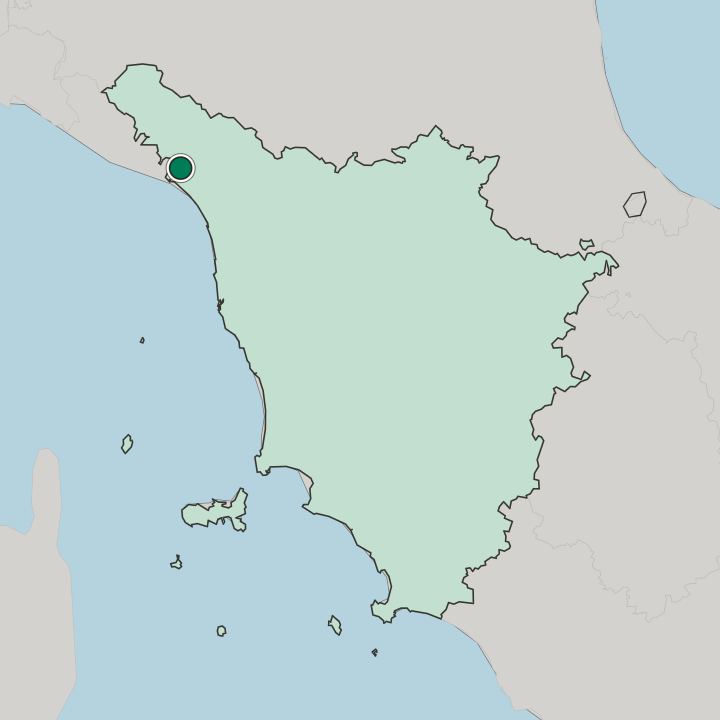
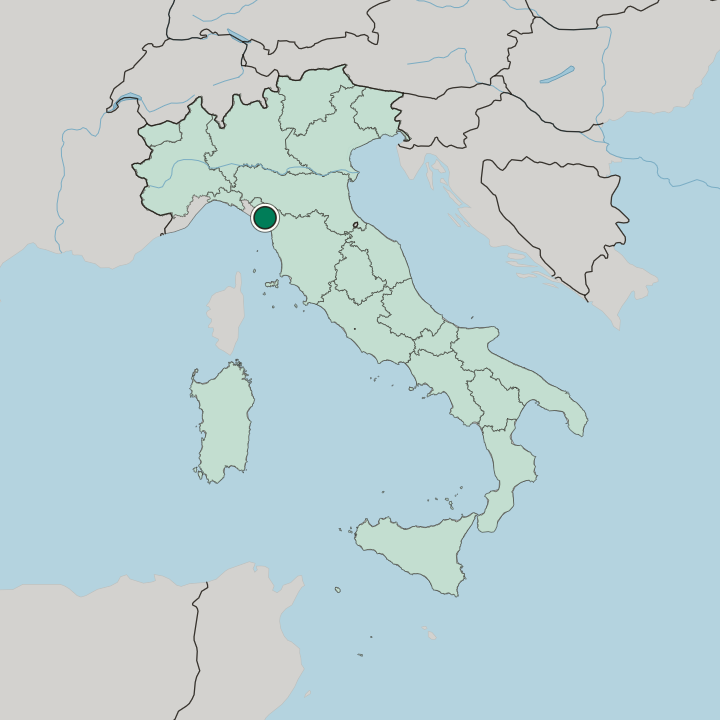
Florence lies roughly 100 kilometres off, with Carrara west-northwest of it, and all of this ground belongs to Tuscany and to the province of Massa and Carrara.
What is the climate of Carrara?
Seasons run temperate here. Elevation does most of the work, since the haul road climbing past Fantiscritti reaches cooler air than the streets beside the Carrione River, and a walk between the two covers more than horizontal distance. The valley draws weather up from the lower ground toward the quarry faces, which stand exposed on every side.
How do you get to Carrara?
Everything arrives through the Carrione valley. The road up from the lower plain follows the river into the centre, then narrows as it climbs past Fantiscritti toward the quarry faces and the switchbacks cut to serve them. Massa lies next door in the shared province.
Florence is about 100 kilometres off, with Carrara west-northwest of it, so most visits fold the town into a longer run through Tuscany rather than treating it as a terminus.
Common questions
What is the best area to stay in Carrara?
Cathedral quarter: Walking between Carrara Cathedral, the Carmine Church and the Museo delle Arti di Carrara. Below Castello Malaspina: Slope-side rooms with the Carrione River valley in view. Fantiscritti: Sleeping beside the haul road and the Museo di Fantiscritti. Moneta: A quieter hillside spur under Castello di Moneta.
Good for
More cities in Toscana
Updated October 2026