Italy · Toscana
Where to Stay in Pistoia, Toscana
Pistoia is a Tuscan city at the foot of the Apennines in Italy, a medieval rival of Florence with a grand cathedral square.
Hotel links are affiliate links: booking through them may earn us a commission, at no extra cost to you. It never affects how places are ranked. How this works


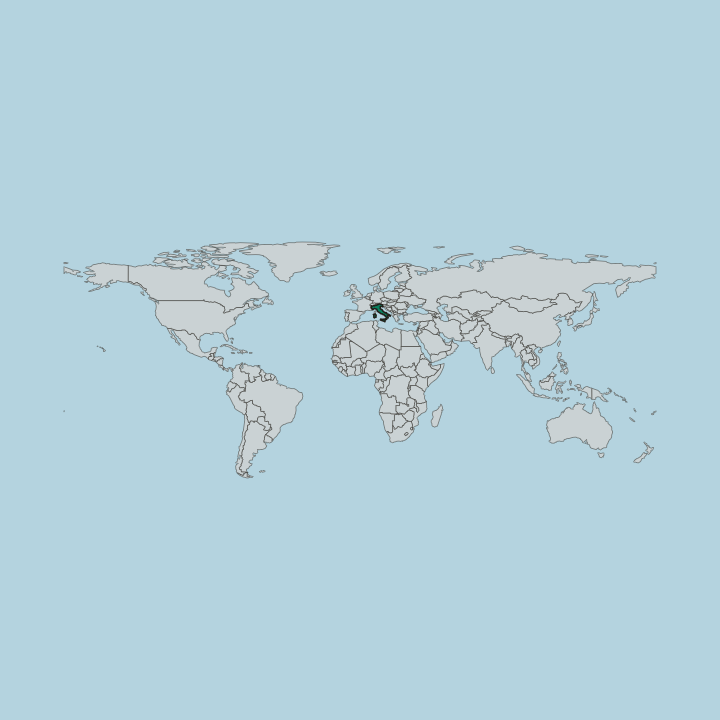
Where to stay in Pistoia
How the choice of base plays out on the ground.
Choosing a room in Pistoia comes down to the walled medieval core. The streets around the Piazza del Duomo keep the cathedral, the churches, and the markets within a walk, and staying in the centre suits anyone here for the medieval city. The great square quiets after dark.
Rooms sit in the old palaces near the square. Out toward the newer districts and the station, the town spreads into calmer streets. A room away from the centre trades the old squares for parking, space, and an easy road to Florence and the hills.
The Apennines rise green past the edge. If you want the churches and the squares, stay in the centre; if you want the road and the quiet, take a room outside. Whichever way you choose, the cathedral square is never far.
Find hotels in Pistoia
Direct booking searches for these neighbourhoods.
The old town
Around the Piazza del Duomo and the Pistoia Cathedral, within a walk of the churchesFind hotels in The old townStays wanting parking and the road to FlorenceNewer districts
Away from the centre near the station, an easy road to Florence and the hillsFind hotels in Newer districtsHotel links are affiliate links: booking through them may earn us a commission, at no extra cost to you. It never affects how places are ranked. How this works
Things to do in Pistoia
Ranked by global recognition; descriptions from Wikidata (CC0).
Museums & Galleries
4- Ospedale del Ceppo Heritage
- Fortezza Santa Barbara Heritage
- Civic Museum of Pistoia Heritage
- Oratory of San Desiderio, Pistoia Heritage
Churches & Religious Sites
8- Convento di Giaccherino Heritage
- Church of Sant' Andrea Heritage
- San Giovanni Fuoricivitas Heritage
- San Francesco Heritage
- San Paolo, Pistoia Heritage
Show 3 more →
- Santo Spirito Heritage
- San Pier Maggiore, Pistoia Heritage
- Santissima Annunziata Heritage
Landmarks & Notable Places
1- Tower of Catilina Heritage
worth knowingacross 3 categories in Pistoia
About Pistoia
Pistoia is a proud old city of medieval Tuscany.
What is Pistoia known for?
Its Piazza del Duomo holds the striped stone Pistoia Cathedral, an octagonal baptistery, and old palaces, and the cathedral guards a famous silver altar of Saint James. The frescoed Ospedale del Ceppo glows nearby with coloured terracotta. Stone and art fill the old squares.
What are the main landmarks in Pistoia?
The Piazza del Duomo is the heart of Pistoia. The striped Pistoia Cathedral, the octagonal baptistery, and the old town palaces ring the great square, the finest sight in the city. Churches fill the streets around.
San Giovanni Fuoricivitas keeps its carved pulpit, the Ospedale del Ceppo glows with terracotta, and the Fortezza Santa Barbara guards the old town.
What is the history of Pistoia?
Pistoia was a proud and quarrelsome free city. In the Middle Ages it ruled itself as a commune, rich on trade and banking, and it built a magnificent square of striped marble churches to rival its greater neighbours. Feuds tore the city apart.
Its bloody factions grew so famous that the poet Dante set their strife into his verse, and in the end mighty Florence conquered the little rival and took its freedom. Art and stone came through the centuries. The great sculptors of Tuscany carved pulpits and altars for its churches, from the silver altar of Saint James in the Pistoia Cathedral to the marble pulpits of Sant'Andrea, and the Ospedale del Ceppo was crowned with a bright terracotta frieze.
Under Florence the city grew quiet. It kept its medieval heart almost whole while the world changed around it, and its squares stayed rich in art. The old churches still ring the Piazza del Duomo.
Pistoia guards its Tuscan splendour beneath the mountains.
Where is Pistoia?
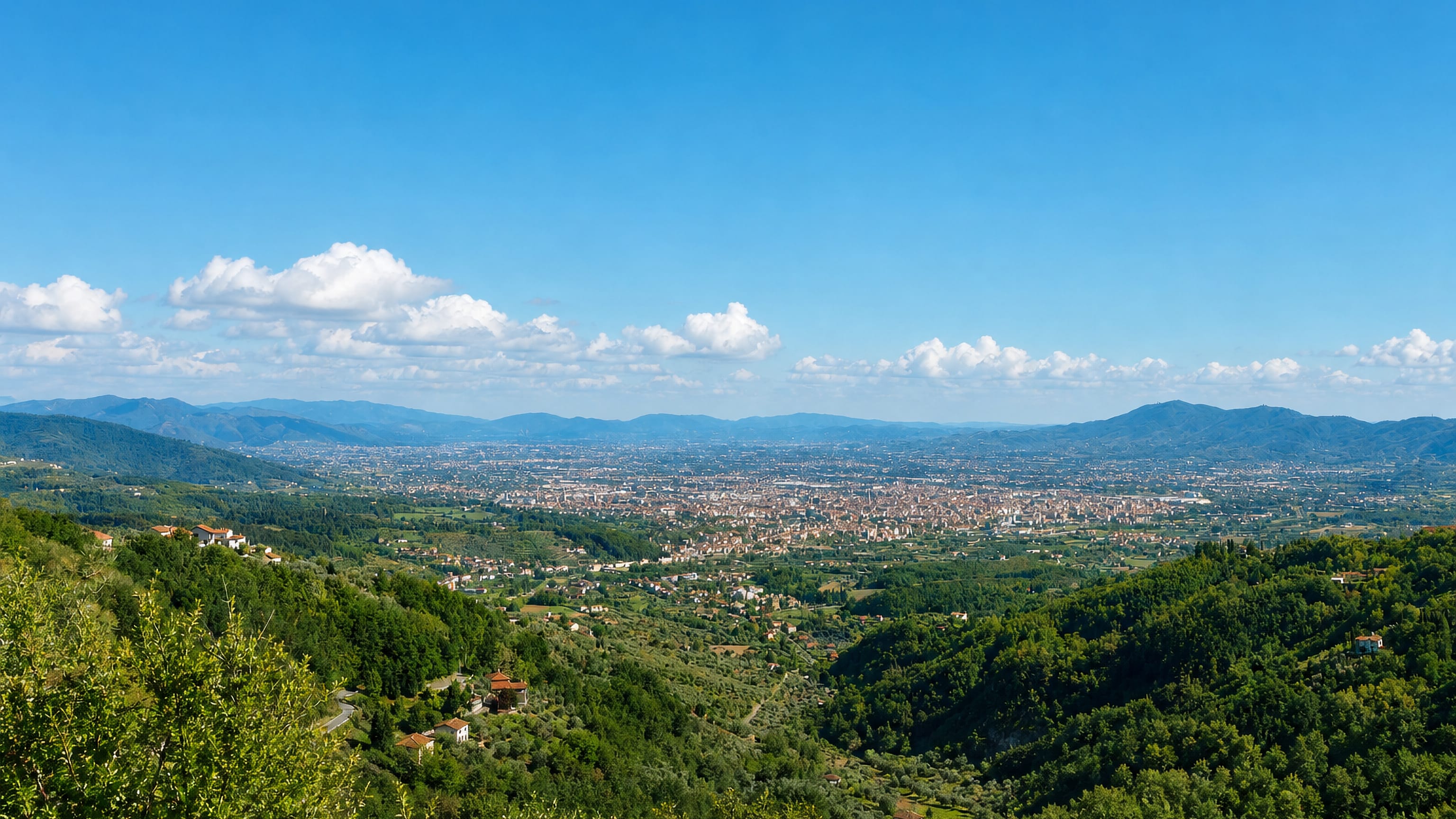
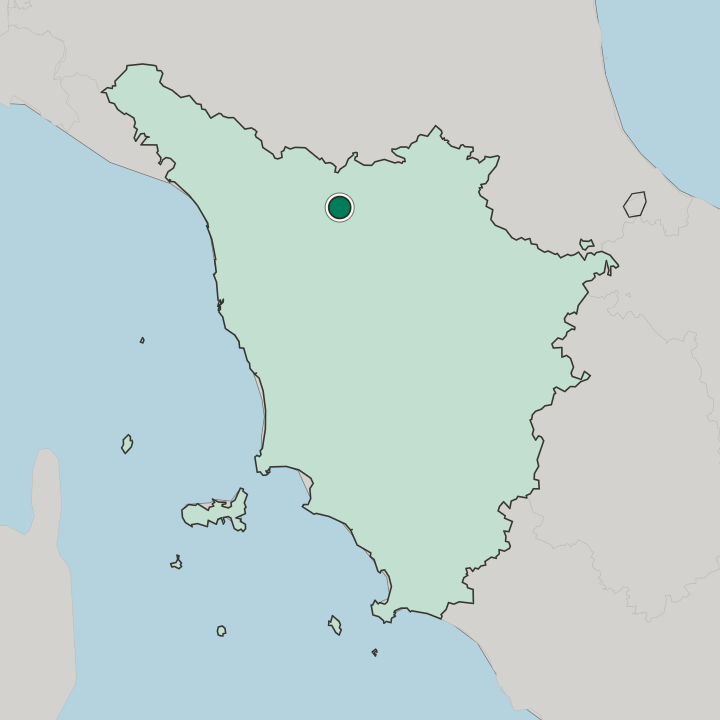
Pistoia lies at the foot of the Apennine mountains. The city spreads on the plain of Tuscany between Florence and the wooded hills, where the mountains rise to the north and vineyards and nurseries fill the flat land. Green hills climb behind the town.
The plain runs west toward the sea.
What is the climate of Pistoia?
Pistoia has a mild Mediterranean climate. Warm, dry summers ripen the Tuscan plain, and the winters stay cool and damp, with the Apennines catching the rain and snow to the north. Mist settles on the plain in winter.
The seasons run gentle in the valley.
How do you get to Pistoia?
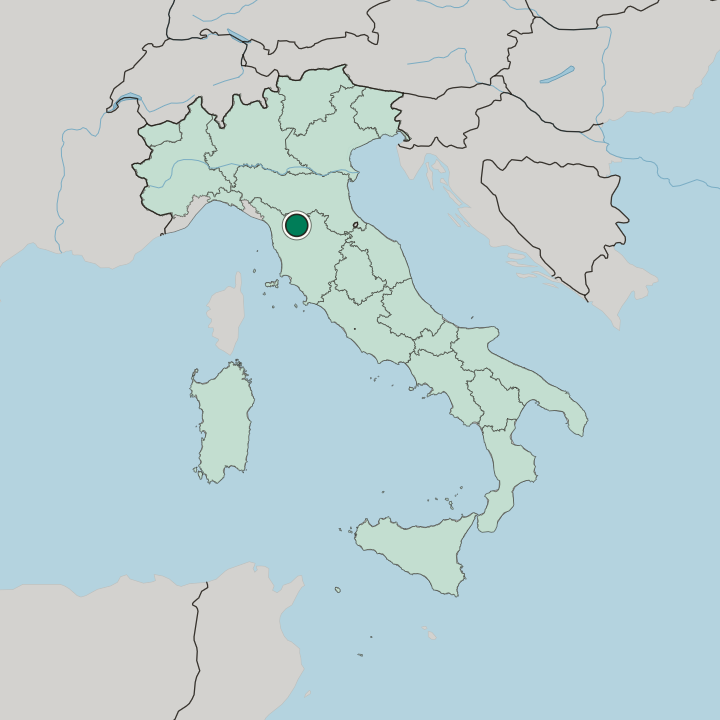
Pistoia lies just northwest of Florence in Tuscany. Fast trains run to the city from Florence in half an hour, and roads cross the plain toward Lucca and the coast, while passes climb north over the Apennines. Buses reach the mountain villages around.
Most arrive by rail from Florence.
Common questions
What is the best area to stay in Pistoia?
The old town: Visitors here for the cathedral, churches, and squares. Newer districts: Stays wanting parking and the road to Florence.
Good for
More cities in Toscana
Updated October 2026