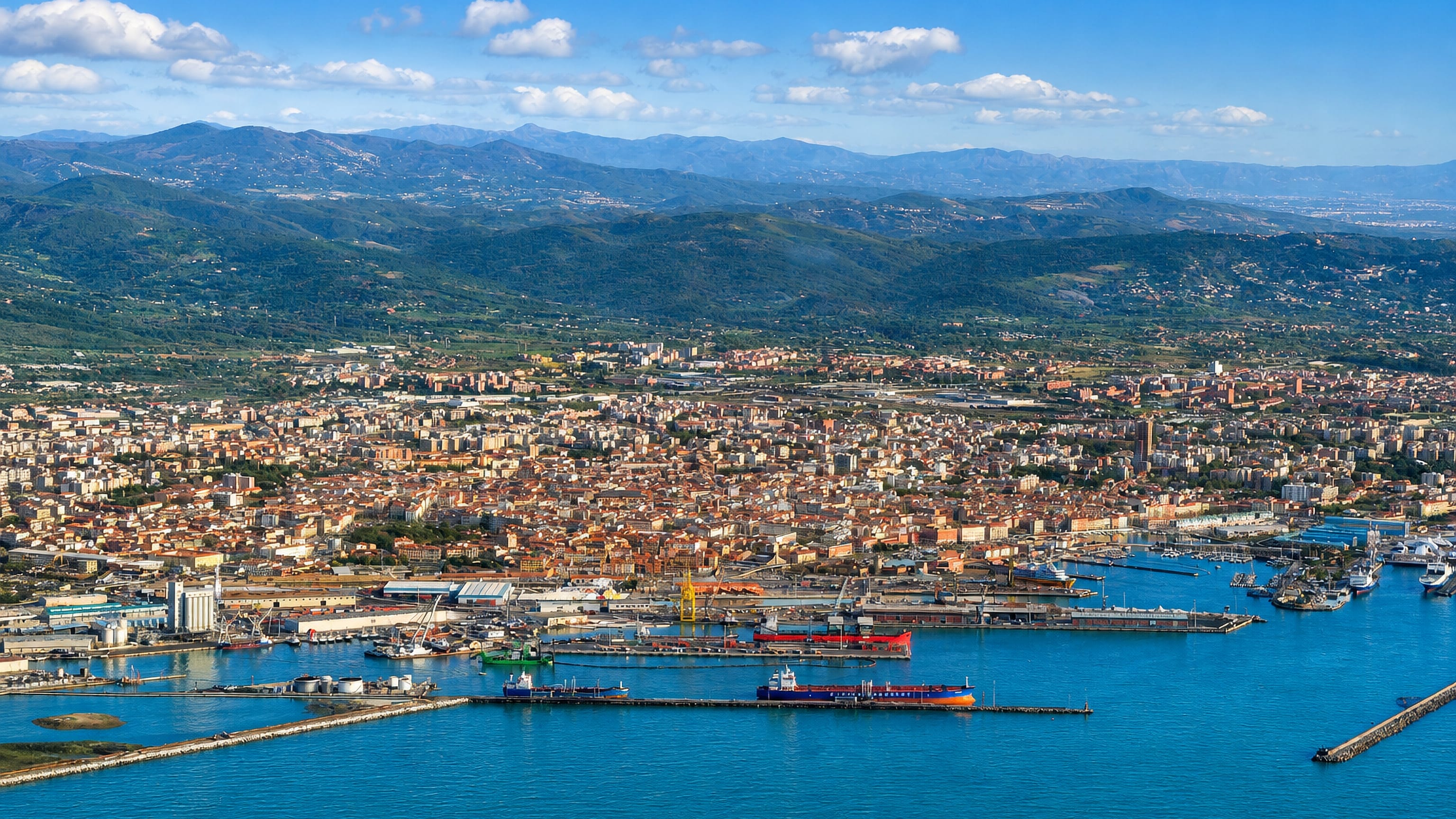
Italy · Toscana
Where to Stay in Livorno, Toscana
Livorno was founded in 1577. Its congregations left the Duomo di Livorno, a Dutch German temple and a Jewish museum inside one compact centre.
Hotel links are affiliate links: booking through them may earn us a commission, at no extra cost to you. It never affects how places are ranked. How this works



Where to stay in Livorno
Where the beds are, and what that means for the visit.
The Duomo di Livorno sits in the middle of the walkable centre, and most rooms fall within a few streets of it. Santa Caterina da Siena, San Giovanni Battista and Santi Pietro e Paolo stand inside the same circuit, and so does the Monument to Pietro Leopoldo I, which gives the centre a fixed point that is not a church. Short walks throughout.
The Monument of the Four Moors closes the seaward end of that circuit, with the Marzocco tower and Torre del Magnale further along. San Sebastiano and Santa Giulia fall on the same walk, which is the argument for taking a room in the middle rather than at either end of it. Toward San Jacopo in Acquaviva the streets open out.
The Municipal Aquarium and the Museo di Storia Naturale del Mediterraneo both sit on that side of Livorno, which suits anyone travelling with children who would rather not spend a day counting churches. If you have come for the art, the Museo Civico Giovanni Fattori and the diocesan collection named for Leonello Barsotti argue for a base nearer the Duomo instead. San Ferdinando and Santa Maria del Soccorso mark the ground between the two choices.
Rooms thin out at the edges.
Find hotels in Livorno
Direct booking searches for these neighbourhoods.
Around the Duomo
The Duomo di Livorno, Santa Caterina da Siena and the Monument to Pietro Leopoldo I fall within one circuit of streets holding most of the city's rooms.Find hotels in Around the DuomoWaking beside the Monument of the Four Moors and the Marzocco towerFour Moors end
The Monument of the Four Moors and the Marzocco tower mark the seaward end of the centre, with Torre del Magnale standing on the same stretch.Find hotels in Four Moors endFamilies heading for the Municipal Aquarium rather than the churchesSan Jacopo in Acquaviva
San Jacopo in Acquaviva anchors the open side of the city where the Municipal Aquarium and the Museo di Storia Naturale del Mediterraneo stand. Beds are limited here, so book early.Find hotels in San Jacopo in AcquavivaPainting first, with the Museo Civico Giovanni Fattori a walk awayMuseo Fattori side
The Museo Civico Giovanni Fattori and the diocesan works gathered under the name Leonello Barsotti make this the address for anyone here to look at pictures. Beds are limited here, so book early.Find hotels in Museo Fattori sideHotel links are affiliate links: booking through them may earn us a commission, at no extra cost to you. It never affects how places are ranked. How this works
Things to do in Livorno
Ranked by global recognition; descriptions from Wikidata (CC0).
Museums & Galleries
4- Museo Civico Giovanni Fattori Heritage
- Museo di Storia Naturale del Mediterraneo Heritage
- Museo ebraico Yeshivà Marini Heritage
- Diocesan Museum "Leonello Barsotti" Heritage
Churches & Religious Sites
8- Duomo di Livorno Heritage
- Santa Caterina da Siena Heritage
- San Jacopo in Acquaviva Heritage
- San Ferdinando, Livorno Heritage
- San Gregorio Heritage
Show 3 more →
- Santa Maria del Soccorso Heritage
- Santa Giulia Heritage
- San Sebastiano Heritage
Castles & Historic Sites
1- Monument of the Four Moors
Landmarks & Notable Places
3- Marzocco tower Heritage
- Torre del Magnale Heritage
- Torre Maltarchiata
worth knowingacross 4 categories in Livorno
About Livorno
Livorno dates its foundation to 1577.
What is Livorno known for?
Separate congregations built into the new town, and the Temple of the Dutch German Congregation and the Museo ebraico Yeshivà Marini stand for two of the communities that gathered there in the centuries after. The birthplace of Amedeo Modigliani is marked in these streets. Museo Civico Giovanni Fattori holds the city's painting, and the Monument of the Four Moors is its best-known sculpture.
What are the main landmarks in Livorno?
The Monument of the Four Moors is the piece the city is known by, and the Duomo di Livorno holds the centre a short walk from it. Three towers carry the older skyline: Marzocco tower, Torre del Magnale and Torre Maltarchiata. Churches are everywhere.
San Gregorio, Santa Maria del Soccorso, San Ferdinando, Santi Pietro e Paolo, San Benedetto, San Giuseppe, San Sebastiano and Santa Giulia each keep a corner of the plan, while San Jacopo in Acquaviva stands apart from all of them.
What is the history of Livorno?
Everything here starts in 1577. The city can name the year it began, which few of its neighbours can, and the earliest institutions of the plan, the Duomo di Livorno, San Gregorio, Santa Caterina da Siena, belong to the century that followed the founding. Congregations arrived from elsewhere.
The Temple of the Dutch German Congregation and the Museo ebraico Yeshivà Marini record two of the communities that settled into the young town, each keeping its own rite within the same few streets. Later centuries left their own names. The Monument to Pietro Leopoldo I keeps one in public view, and the Monument to Francesco Domenico Guerrazzi does the same for a figure the city claimed afterwards.
Art followed the money. The birthplace of Amedeo Modigliani is kept as a site in its own right, and the Museo Civico Giovanni Fattori gathers painting into a single civic collection while the diocesan works assembled under the name Leonello Barsotti hold what the churches gave up. Marzocco tower, Torre del Magnale and Torre Maltarchiata stand apart from the streets around them, older in feel than the plan they now sit inside.
Where is Livorno?
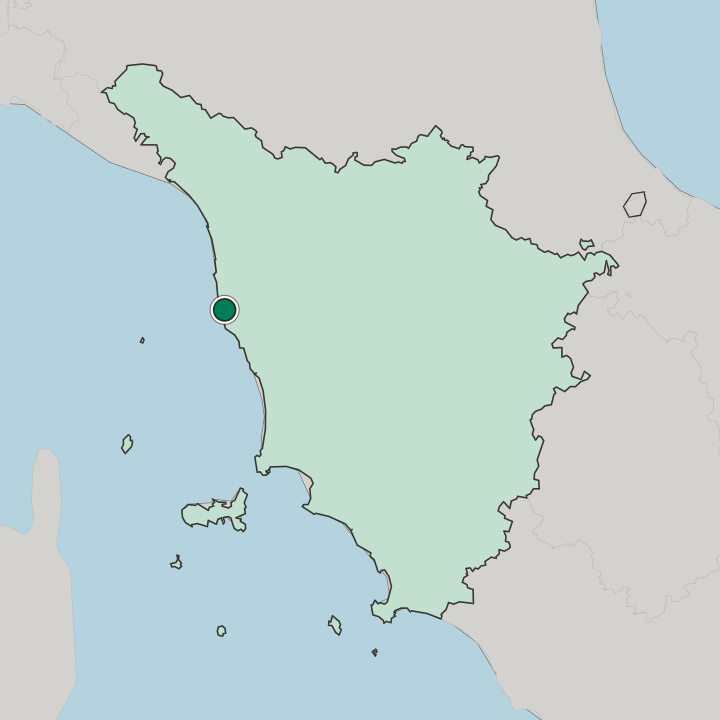
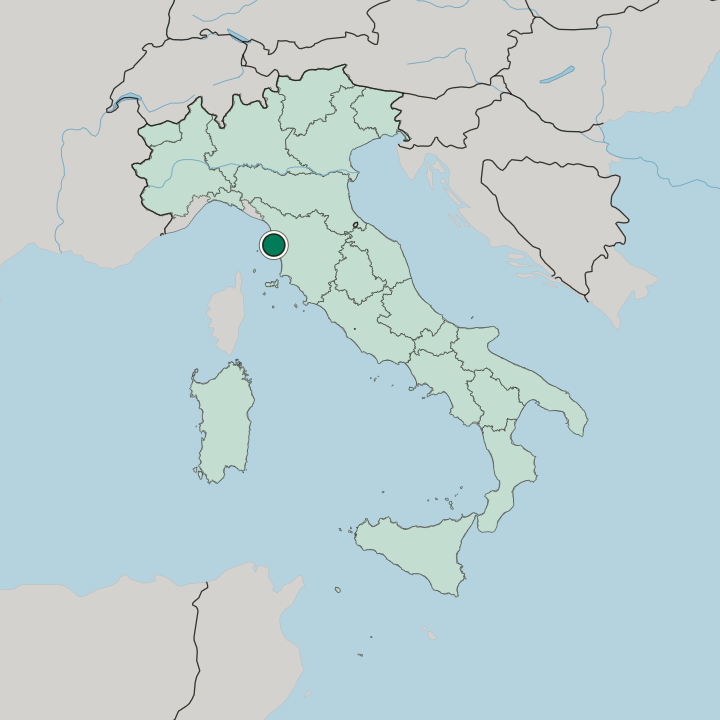
About 105 square kilometres fall inside the comune. Livorno faces the Mediterranean, and that sea gives the Museo di Storia Naturale del Mediterraneo and the Municipal Aquarium their shared subject, which states the city's setting more plainly than any description of the shoreline would. Toscana lies behind it.
San Jacopo in Acquaviva stands out toward the water.
What is the climate of Livorno?
The Mediterranean does the moderating. Air off that sea holds the seaward streets around San Jacopo in Acquaviva steadier across the year than ground further back from the water, and the temperate band Livorno sits in shows up most in the length of its shoulder seasons. Extremes are rare.
How do you get to Livorno?
Arrivals converge on the centre. The Duomo di Livorno and the Monument of the Four Moors are the markers to steer by, and nearly everything inside the old plan is reachable on foot from one or the other without recourse to local transport. About 105 square kilometres report to the comune, though.
Outlying stretches toward San Jacopo in Acquaviva and the Museo di Storia Naturale del Mediterraneo repay a short ride.
Common questions
What is the best area to stay in Livorno?
Around the Duomo: A central base between the Duomo di Livorno and the Monument to Pietro Leopoldo I. Four Moors end: Waking beside the Monument of the Four Moors and the Marzocco tower. San Jacopo in Acquaviva: Families heading for the Municipal Aquarium rather than the churches. Museo Fattori side: Painting first, with the Museo Civico Giovanni Fattori a walk away.
Good for
More cities in Toscana
Updated October 2026