Italy · Toscana
Where to Stay in Massa, Toscana
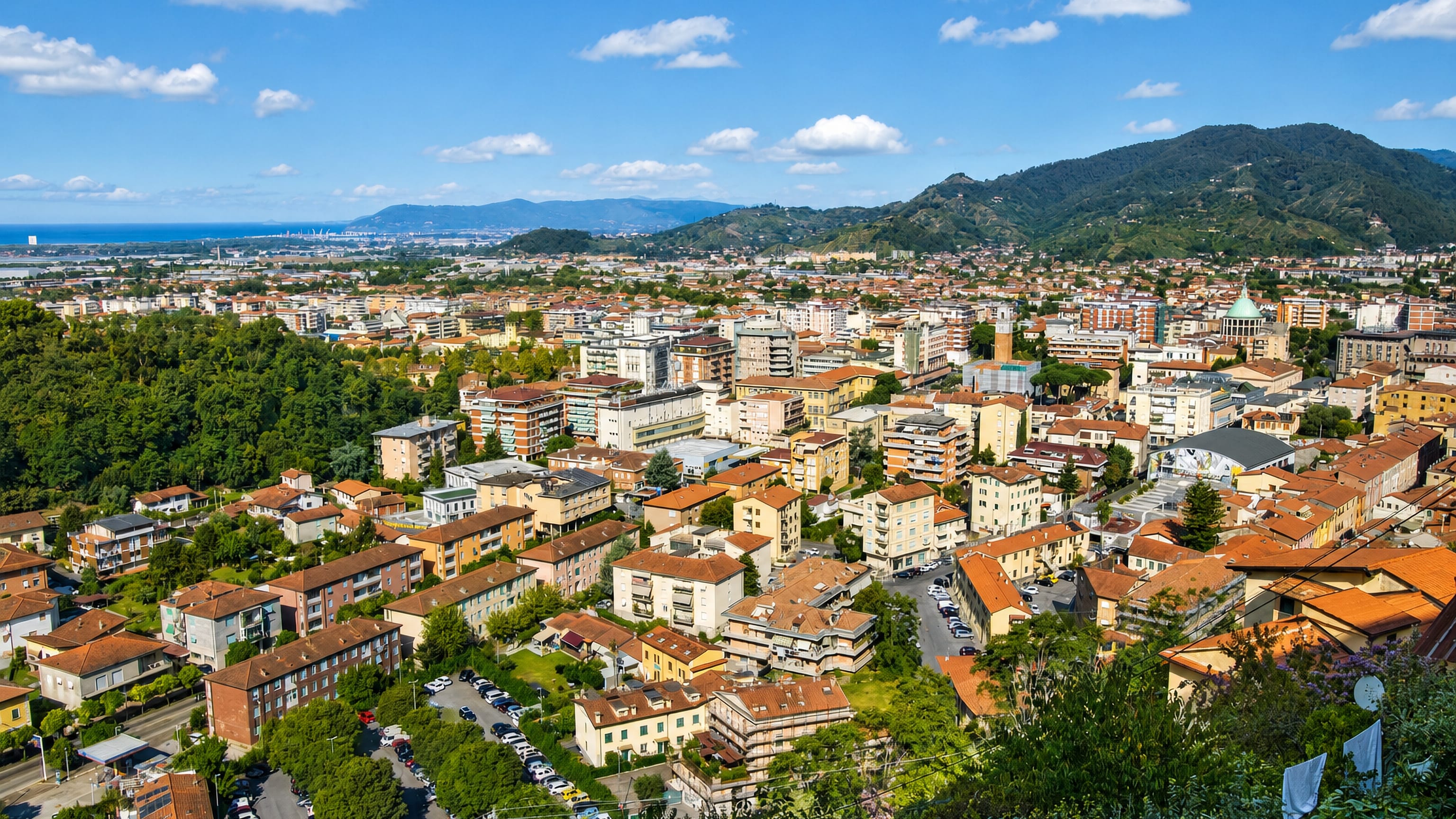
Massa sits in the Frigido River Valley under the Alpi Apuane, five kilometres from the Tyrrhenian Sea. Malaspina Castle holds the height.
Hotel links are affiliate links: booking through them may earn us a commission, at no extra cost to you. It never affects how places are ranked. How this works


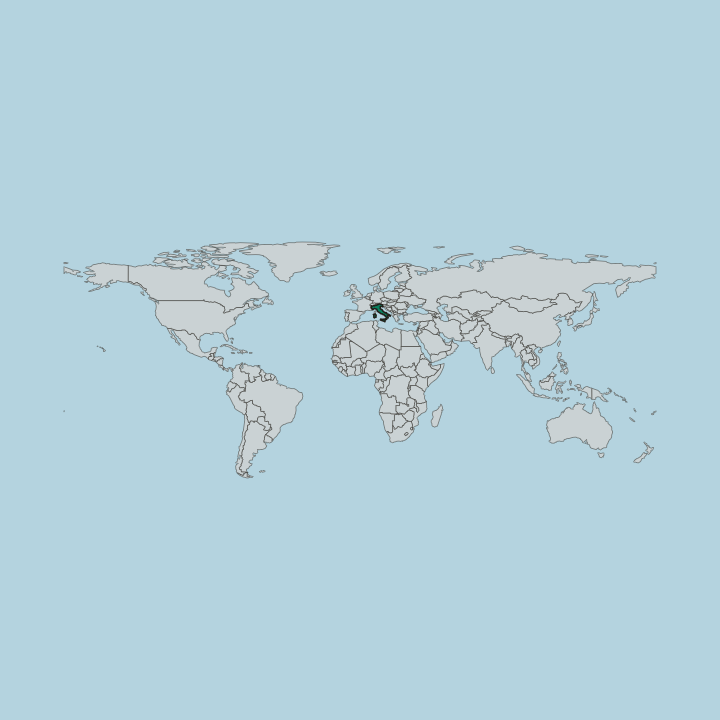
Where to stay in Massa
How the choice of base plays out on the ground.
Massa arranges itself under a castle. Malaspina Castle holds the height above the old streets, and a room in the blocks beneath it leaves Massa Cathedral, the Diocesan Museum of Massa and Porta Martana within a walk of a few minutes. So the centre is the walkable choice.
San Martino, Santa Chiara and the chiesa di San Vito stand inside the same few streets, which makes the centre easy to learn in a single morning, from Porta Martana up to the cathedral and back down again. The other choice is the water. Five kilometres of flat ground separate the centre from the Tyrrhenian Sea, and the strip nearest the shore carries a different kind of stay, pitched at beach weeks rather than at churches and museums.
If you want both within reach, the middle ground answers best. Santa Maria dei Quercioli marks one of the outlying settlements on that plain, quieter than anything under the castle, while the Museo etnologico delle Apuane pulls the opposite way, up toward the Alpi Apuane and the head of the Frigido River Valley. Aghinolfi Castle stands further along those hills.
Beds thin out that far up.
Find hotels in Massa
Direct booking searches for these neighbourhoods.
Under Malaspina Castle
Malaspina Castle rises straight over these blocks, and San Martino, Santa Chiara and the chiesa di San Vito are all inside the same short circuit.Find hotels in Under Malaspina CastleA base between Massa Cathedral and the Diocesan Museum of MassaCathedral and Porta Martana
Massa Cathedral and the Diocesan Museum of Massa hold the middle of the old town, with Porta Martana marking the way in from the valley side.Find hotels in Cathedral and Porta MartanaBeach weeks five kilometres out from Massa CathedralToward the Tyrrhenian shore
Flat ground runs from the centre to the Tyrrhenian Sea, and the strip nearest the water carries the summer rooms rather than the historic ones.Find hotels in Toward the Tyrrhenian shoreA quiet outlying address by Santa Maria dei QuercioliQuercioli
Santa Maria dei Quercioli anchors a settlement out on the plain, away from both the castle streets and the shore. Lodging is scarce in this area; reserve in advance.Find hotels in QuercioliHotel links are affiliate links: booking through them may earn us a commission, at no extra cost to you. It never affects how places are ranked. How this works
Things to do in Massa
Ranked by global recognition; descriptions from Wikidata (CC0).
Museums & Galleries
3- Malaspina Castle Heritage
- Diocesan Museum of Massa Heritage
- Museo etnologico delle Apuane Heritage
Churches & Religious Sites
8- Chiesa della Madonna del Monte Heritage
- Madonna della Misericordia Heritage
- Santa Chiara (Massa) Heritage
- San Martino Heritage
- San Vitale Heritage
Show 3 more →
- chiesa di Sant'Eustachio Heritage
- Santa Maria Assunta (Massa) Heritage
- chiesa di San Vito Heritage
Castles & Historic Sites
3- Aghinolfi Castle Heritage
- Statue of Hermes
- Al punte ricostruito
Landmarks & Notable Places
1- Porta Martana
worth knowingacross 4 categories in Massa
About Massa
The province carries the name.
What is Massa known for?
Massa is the administrative centre of the province of Massa and Carrara, a role that puts the provincial offices in a town wedged between the Alpi Apuane and a coast five kilometres off. Malaspina Castle looks down on all of it. The Museo etnologico delle Apuane records what living in those mountains involved, while the Museo Gigi Guadagnucci holds sculpture.
What are the main landmarks in Massa?
Two castles hold the ground: Malaspina Castle above the centre, Aghinolfi Castle further out along the hills. Massa Cathedral anchors the streets below, with the Diocesan Museum of Massa beside it and Porta Martana marking an older way in. After those, the count is mostly churches.
Chiesa della Madonna del Monte, Madonna della Misericordia, Santa Maria Assunta, San Vitale, San Sebastiano, the chiesa di Sant'Eustachio and the chiesa della Consolazione are spread across the comune, while the Statue of Hermes and the Museo Gigi Guadagnucci carry its sculpture.
What is the history of Massa?
Height came first. Malaspina Castle took the high ground over the town while Aghinolfi Castle held a second point along the hills, and between them they show how this reach of the Frigido River Valley was watched. Porta Martana survives from the older enclosure.
Massa Cathedral and the Diocesan Museum of Massa carry the ecclesiastical record, and San Martino, Santa Chiara, Santa Maria Assunta and the chiesa di Sant'Eustachio mark parishes that filled in around them over a long stretch of centuries. The twentieth century is the heaviest part of the record. A monument to the victims of the Nazi-fascist massacres in Massa stands in the town, and the monument to the victims of the Fosse del Frigido massacre and the monument of the Fosse del Frigido name the same ground twice over.
The monument of the massacre of Bergiola records another such loss, a monument to Vincenzo Giudice keeps a further name in public view, and the piece called Al punte ricostruito closes the sequence. Massa took on the administrative role for the province of Massa and Carrara. The Museo etnologico delle Apuane holds what the mountain settlements behind the town lived on before that.
Where is Massa?
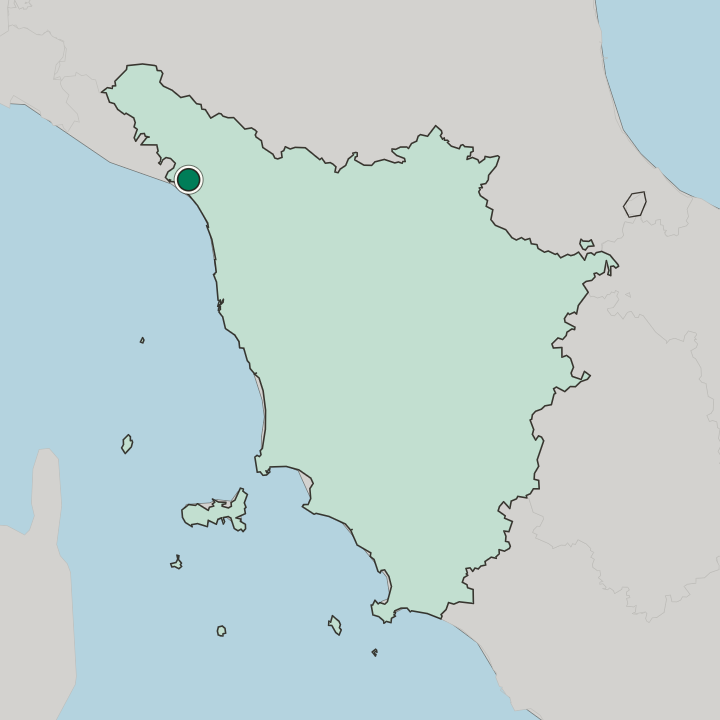
The Frigido River Valley holds the town, and the Alpi Apuane close it in from behind. About 94 square kilometres fall inside the comune, running from mountain ground down across flat land that ends five kilometres away at the Tyrrhenian Sea. The drop happens quickly.
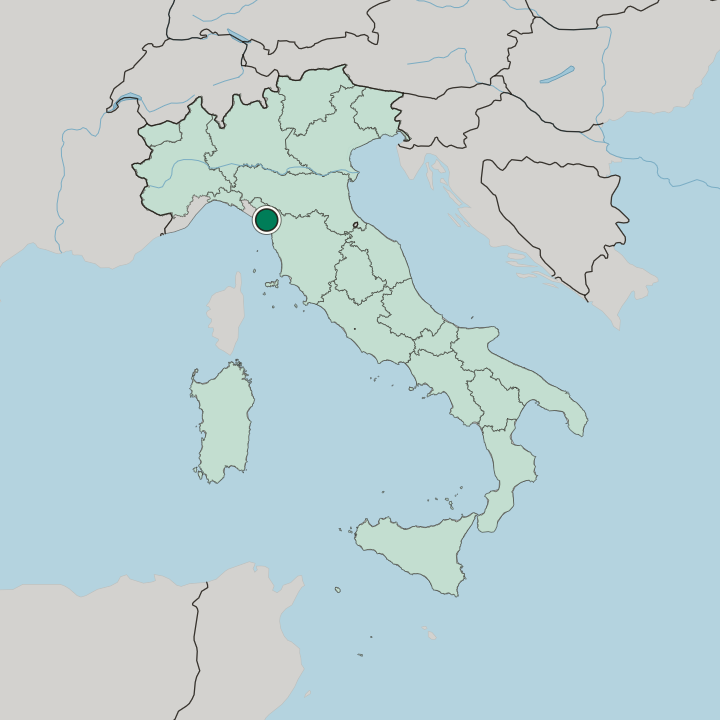
Tuscany takes in the whole of that span, from the Alpi Apuane to the shore.
What is the climate of Massa?
Two agents set the weather here. The Tyrrhenian Sea moderates the flat ground five kilometres from the centre, while the Alpi Apuane behind the town catch cloud and keep cooler air on their slopes, so a short move inland changes conditions more than the distance would suggest. Massa sits between the two.
How do you get to Massa?
Movement follows the valley. The Frigido River Valley carries the routes inland from the flat coastal ground, and Massa Cathedral is the point they converge on once the streets tighten under Malaspina Castle. Carrara lies next door in the shared province. The Tyrrhenian Sea is five kilometres out on the other side, with Aghinolfi Castle marking the hills at the far edge of the comune.
Common questions
What is the best area to stay in Massa?
Under Malaspina Castle: Old streets with Malaspina Castle standing directly above them. Cathedral and Porta Martana: A base between Massa Cathedral and the Diocesan Museum of Massa. Toward the Tyrrhenian shore: Beach weeks five kilometres out from Massa Cathedral. Quercioli: A quiet outlying address by Santa Maria dei Quercioli.
Good for
More cities in Toscana
Updated October 2026