Italy · Toscana
Where to Stay in Pisa, Toscana
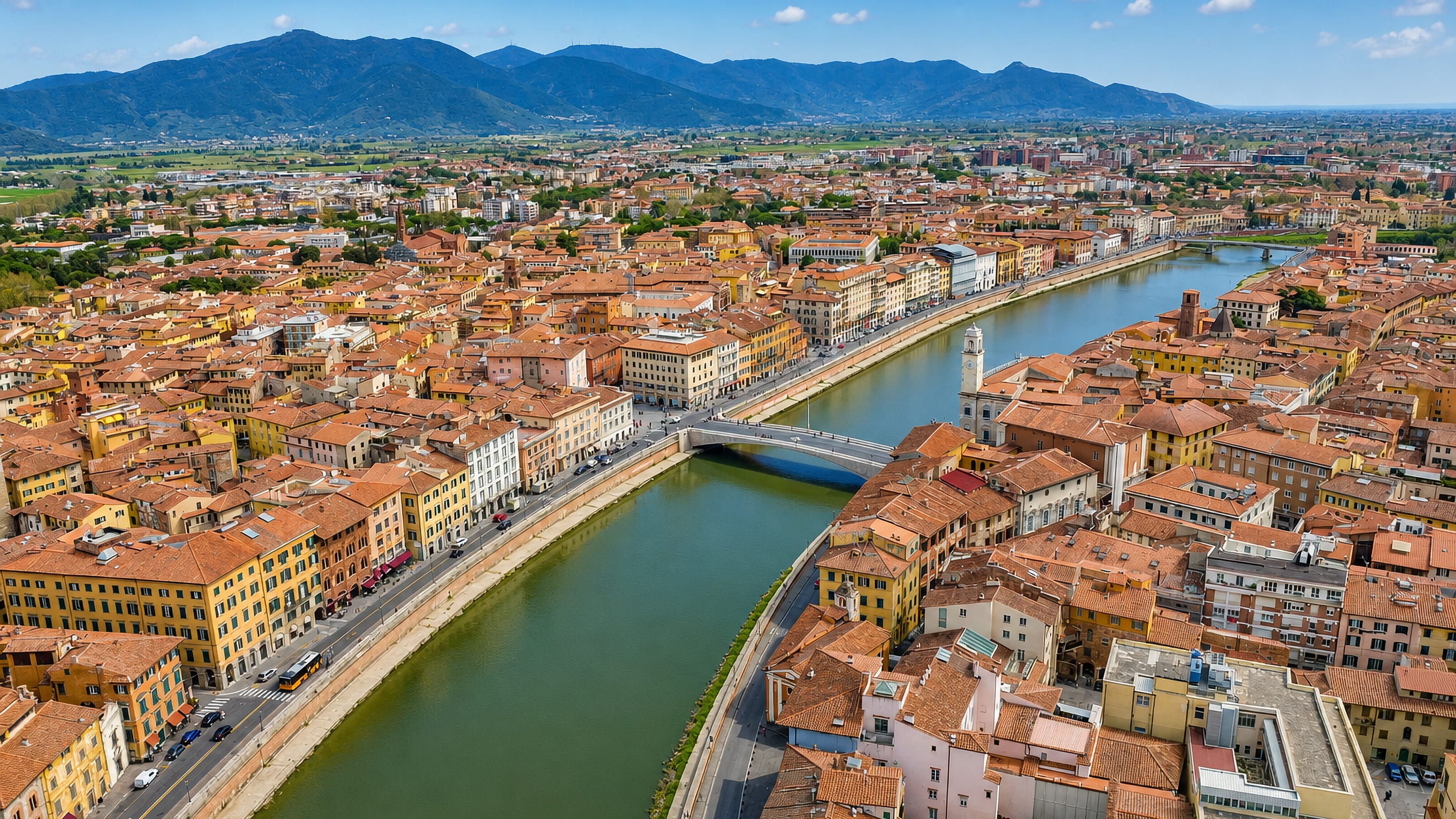
Pisa straddles the Arno near the Ligurian Sea, and the Leaning Tower of Pisa heads a long list. Santa Maria della Spina and the Baptistry follow.
Hotel links are affiliate links: booking through them may earn us a commission, at no extra cost to you. It never affects how places are ranked. How this works


Where to stay in Pisa
The practical side of choosing where to sleep.
The half-hour walk from the Campo dei Miracoli to the train station is the spine of the city, and a bed is really a choice of where on that line to stand. At the top end the Leaning Tower of Pisa, the Baptistry of San Giovanni and the Campo santo are outside the door, which suits a short visit with an early start. It is busy up there.
Santo Stefano dei Cavalieri and San Sisto stand back far enough from that crowd to make a difference by evening. The Lungarno is the other option. Palaces face one another along the avenues on both banks of the Arno, with Santa Maria della Spina down at the water's edge and Palazzo Blu among them, so a room on that line puts the evening walk straight outside.
Cross to San Paolo a Ripa d'Arno for the quieter bank. If you are here to walk the city rather than tick off the tower, the streets around San Michele in Borgo, Santa Caterina and San Frediano carry its ordinary life, and the station end of the line suits anyone leaving on an early train.
Find hotels in Pisa
Direct booking searches for these neighbourhoods.
Campo dei Miracoli
The Leaning Tower of Pisa, the Baptistry of San Giovanni and the Campo santo share one square, so an early start costs nothing but the walk downstairs.Find hotels in Campo dei MiracoliPalace frontages and an evening walk along the ArnoLungarno
The Lungarno avenues carry the palaces that face one another across the Arno, with Palazzo Blu and Santa Maria della Spina on the same stretch.Find hotels in LungarnoThe calmer bank, a bridge away from the crowdsSan Paolo a Ripa d'Arno
San Paolo a Ripa d'Arno names the far bank, where the streets stay quieter than anything between the Campo dei Miracoli and the station. Beds are limited here, so book early.Find hotels in San Paolo a Ripa d'ArnoEarly trains, with the pedestrian street running back into townStation end
The pedestrian street from the train station reaches the Campo dei Miracoli in about half an hour, which makes this end practical rather than scenic.Find hotels in Station endHotel links are affiliate links: booking through them may earn us a commission, at no extra cost to you. It never affects how places are ranked. How this works
Things to do in Pisa
Ranked by global recognition; descriptions from Wikidata (CC0).
Museums & Galleries
3- National Museum of San Matteo Heritage
- San Zeno Heritage
- Palazzo Blu Heritage
Churches & Religious Sites
8- Baptistry of San Giovanni Heritage
- Santa Maria della Spina Heritage
- San Nicola Heritage
- San Michele degli Scalzi Heritage
- San Paolo a Ripa d'Arno Heritage
Show 3 more →
- Santo Stefano dei Cavalieri Heritage
- San Michele in Borgo Heritage
- Santa Caterina Heritage
Parks & Gardens
1- Pisa Botanic Garden and Museum Heritage
Landmarks & Notable Places
1- Torre dei Gualandi
worth knowingacross 4 categories in Pisa
About Pisa
The tower leans, and everyone knows it.
What is Pisa known for?
What catches people out is the rest: the Baptistry of San Giovanni and the Campo santo share the Campo dei Miracoli with it, and more than twenty other historic churches are spread through the streets beyond that square. Santa Maria della Spina sits by the water. The National Museum of San Matteo and Palazzo Blu hold the paintings, while the Pisa Botanic Garden and Museum keeps a quieter corner of the same city.
What are the main landmarks in Pisa?
Campo dei Miracoli gathers the famous group: the Leaning Tower of Pisa, the Baptistry of San Giovanni and the Campo santo. Torre dei Gualandi is the other tower worth finding, and Santo Stefano dei Cavalieri stands on a square of its own. Santa Maria della Spina sits riverside.
San Nicola, San Michele in Borgo, San Francesco, San Domenico, Santa Cristina, San Zeno, San Sisto, Santa Apollonia and San Martino Church carry the count onward through the streets either side of the Arno, while the National Museum of San Matteo, Palazzo Blu and the Pisa Botanic Garden and Museum hold the collections.
What is the history of Pisa?
Sea money built this. Much of the architecture was financed out of the city's past as one of the Italian maritime republics, which is how a place of this size ended up with more than twenty historic churches and a run of medieval and Renaissance palaces. The Campo dei Miracoli came out of those centuries.
The Leaning Tower of Pisa, the Baptistry of San Giovanni and the Campo santo stand there as one group, while Santo Sepolcro, San Frediano and San Michele in Borgo belong to the same long stretch of building. Palaces followed the same money. They face each other along the avenues on the banks of the Arno that the city calls the Lungarno, and Palazzo Blu is the one most visitors go inside.
Collections came afterwards. The National Museum of San Matteo gathers what the churches and the republic left behind, the Pisa Botanic Garden and Museum keeps a record of another kind, and Santa Maria della Spina survives at the water's edge. San Pietro in Vinculis, San Silvestro, Santa Maria del Carmine and San Michele degli Scalzi fill in the parts of the city that no itinerary reaches.
Where is Pisa?
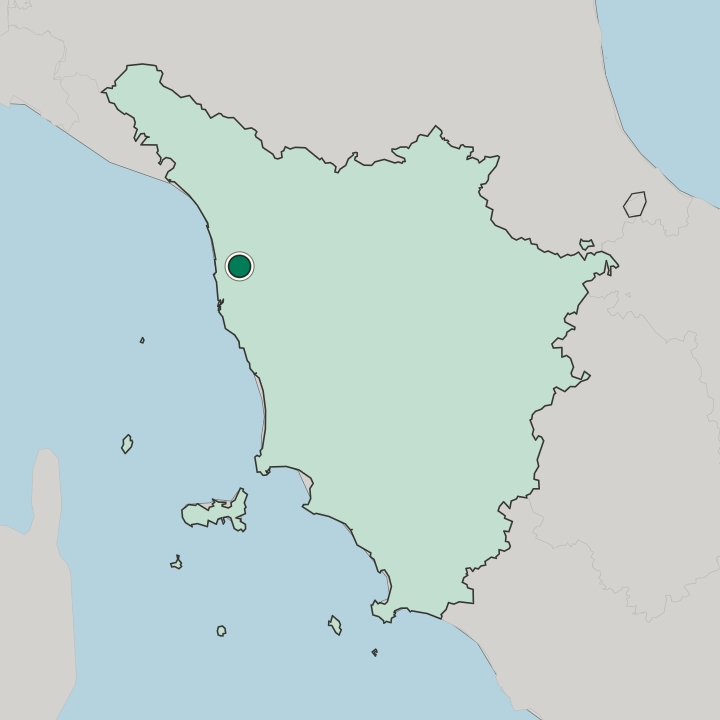
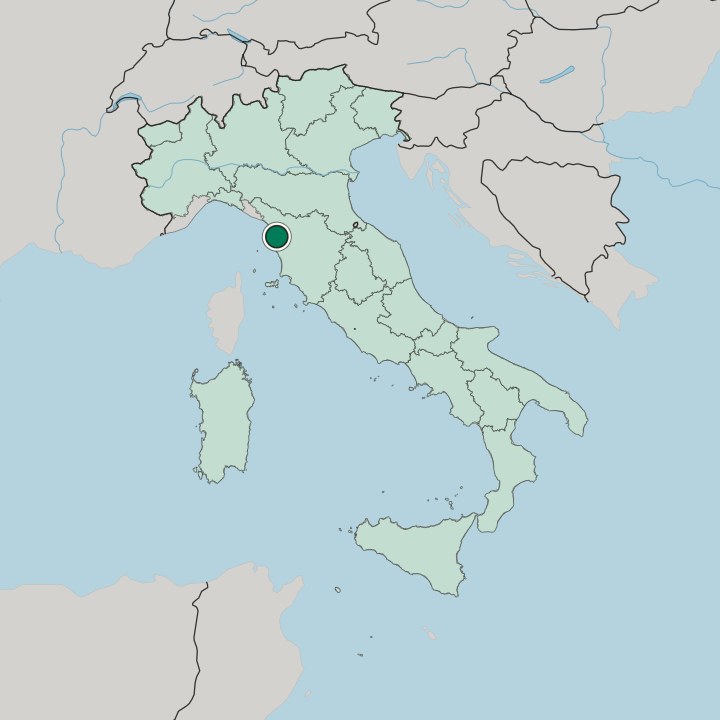
The Arno divides the city and reaches the Ligurian Sea a short way on. Both banks carry the Lungarno, the avenues where the palaces face one another, and San Paolo a Ripa d'Arno names the ground on the far side of that water. Tuscany surrounds all of it.
Pisa is the capital city of the Province of Pisa, and its comune runs to roughly 185 square kilometres of low ground.
What is the climate of Pisa?
The Ligurian Sea takes the edge off. Air arriving from that water crosses the low ground along the Arno and settles over the city, so the temperate band Pisa sits in shows up as long shoulder seasons rather than sharp turns between one and the next. The river does the rest of the work.
How do you get to Pisa?
The train station anchors one end of the walk. A pedestrian street runs from the Campo dei Miracoli down to it in about half an hour, past shops and sights that most arrivals mean to skip and then do not. Walking is how the centre works.
Crossings over the Arno link the two banks, and San Paolo a Ripa d'Arno is the marker to aim for on the far side.
Common questions
What is the best area to stay in Pisa?
Campo dei Miracoli: Being at the Leaning Tower of Pisa before the queues form. Lungarno: Palace frontages and an evening walk along the Arno. San Paolo a Ripa d'Arno: The calmer bank, a bridge away from the crowds. Station end: Early trains, with the pedestrian street running back into town.
Good for
More cities in Toscana
Updated October 2026