Italy · Toscana
Where to Stay in Lucca, Toscana
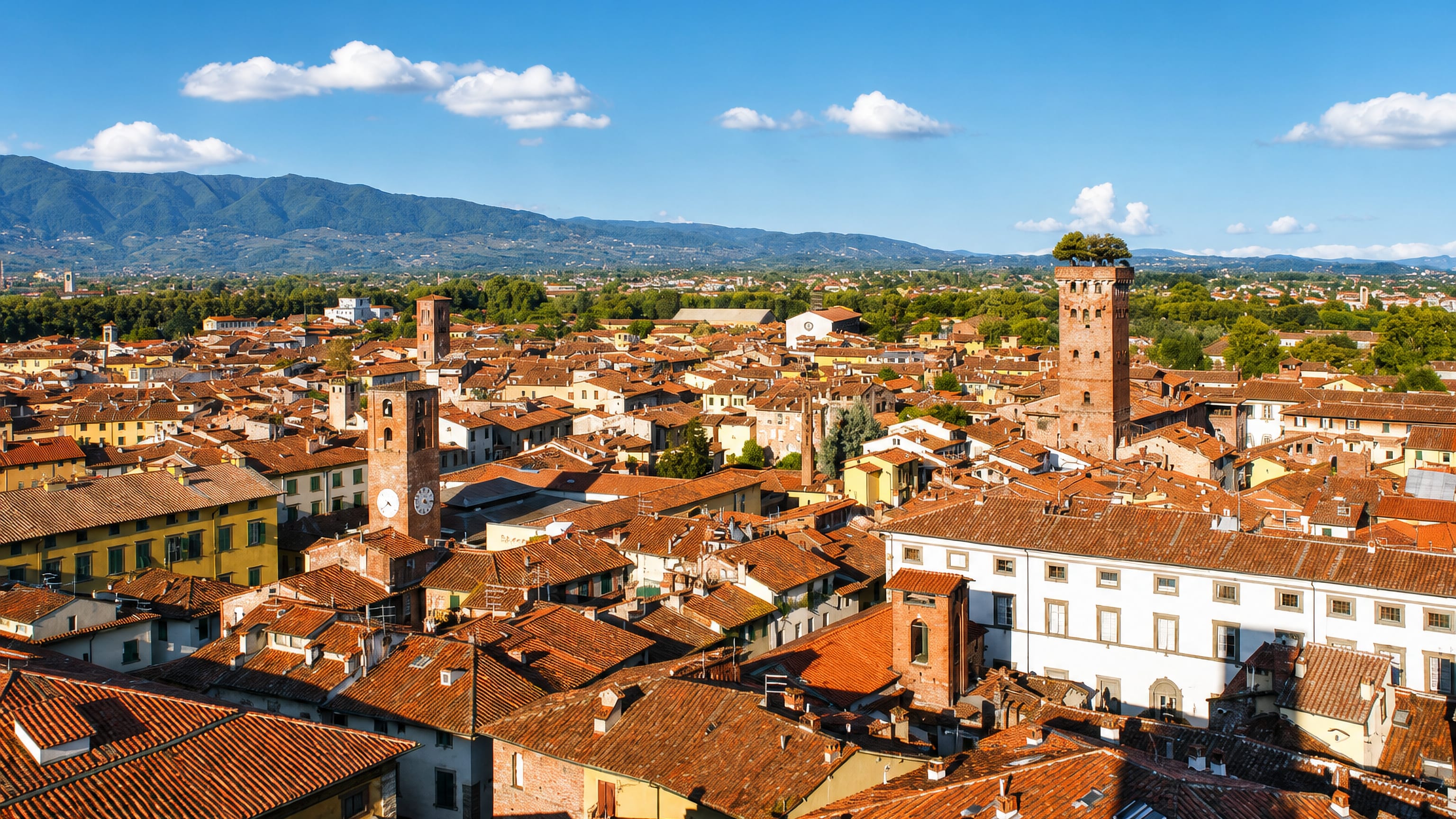
Lucca stands on the Serchio River in Tuscany, an independent city state until the end of the 18th century. Giacomo Puccini was born here.
Hotel links are affiliate links: booking through them may earn us a commission, at no extra cost to you. It never affects how places are ranked. How this works


Where to stay in Lucca
The practical side of choosing where to sleep.
The centre is dense with churches, and the choice mostly comes down to which square you want outside the window. San Michele in Foro marks the old forum ground, and the streets running off it hold a large share of the rooms in the walkable core, which makes it the default for a first visit. Lucca Cathedral pulls the quieter crowd.
Santa Maria Forisportam, San Pietro Somaldi and Santi Giovanni e Reparata fill in the ground between the two squares. Guinigi Tower and Torre delle Ore give the centre its vertical markers, and a room within sight of either settles the question of where to meet at the end of a day. The Palazzo Mansi National Museum and the Villa Guinigi National Museum sit some way apart, so a stay chosen for the collections means walking between them.
Quieter again is the ground by the Orto Botanico Comunale di Lucca. If you want mornings without company, that corner earns its keep, and Sant'Agostino, San Romano and Santa Maria dei Servi stand close enough to bring you back into the middle without effort. Beds are thinner out there.
Find hotels in Lucca
Direct booking searches for these neighbourhoods.
San Michele in Foro
San Michele in Foro sits on the ground the forum once occupied, and the streets off that square carry most of the walkable core's rooms.Find hotels in San Michele in ForoA calmer address by Lucca Cathedral and Santa Maria ForisportamCathedral square
Lucca Cathedral keeps its own square away from the forum crossing, with Santa Maria Forisportam and San Pietro Somaldi filling the streets in between.Find hotels in Cathedral squareSleeping under Guinigi Tower with Torre delle Ore in the same viewGuinigi Tower quarter
Guinigi Tower and Torre delle Ore rise over these blocks, which makes the quarter the easiest part of Lucca to navigate by eye.Find hotels in Guinigi Tower quarterQuiet mornings by the Orto Botanico Comunale di LuccaOrto Botanico corner
The Orto Botanico Comunale di Lucca anchors a corner where Sant'Agostino, San Romano and Santa Maria dei Servi keep the streets calm. Beds are limited here, so book early.Find hotels in Orto Botanico cornerHotel links are affiliate links: booking through them may earn us a commission, at no extra cost to you. It never affects how places are ranked. How this works
Things to do in Lucca
Ranked by global recognition; descriptions from Wikidata (CC0).
Museums & Galleries
4- Orto Botanico Comunale di Lucca Heritage
- Palazzo Mansi National Museum Heritage
- Santi Giovanni e Reparata Heritage
- Villa Guinigi National Museum Heritage
Churches & Religious Sites
8- Lucca Cathedral Heritage
- San Michele in Foro Heritage
- Church of San Francesco Heritage
- Sant'Alessandro, Lucca Heritage
- Santa Maria Forisportam, Lucca Heritage
Show 3 more →
- San Giusto Heritage
- San Cristoforo, Lucca Heritage
- San Romano, Lucca Heritage
worth knowingacross 2 categories in Lucca
About Lucca
Opera carried the name outward.
What is Lucca known for?
Giacomo Puccini was born in Lucca, and the house where that happened brings opera-lovers to a comune they might otherwise pass, though the architecture would justify the stop on its own. Two towers stand over the centre: Guinigi Tower and Torre delle Ore. San Michele in Foro and Lucca Cathedral show what the strong centuries built.
What are the main landmarks in Lucca?
Two churches divide the centre. Lucca Cathedral keeps its own square while San Michele in Foro holds the ground of the old forum. Guinigi Tower and Torre delle Ore rise above the roofs, close enough that a walk from one to the other takes a few minutes through streets that have not changed shape in centuries.
Two museums occupy two houses: the Palazzo Mansi National Museum and the Villa Guinigi National Museum. The Church of San Francesco, Sant'Alessandro, San Salvatore, Santa Giulia and San Cristoforo are the pick of the rest, with the Orto Botanico Comunale di Lucca as the one green address among them.
What is the history of Lucca?
The record starts with the Etruscans. Ancient Roman times left the next layer, and pieces of that ancient architecture survive in the fabric of the centre, with San Michele in Foro standing on ground the forum once held. The Gothic era was the peak.
Much of what people come to look at belongs to the decades just before the Renaissance, and Lucca Cathedral, the Church of San Francesco and Santi Giovanni e Reparata are the buildings most visitors put on that list. Independence ran on for a very long time. Lucca remained a city state in its own right until the end of the 18th century, which is why the centre reads as a small capital rather than a provincial town, and why the Palazzo Mansi National Museum and the Villa Guinigi National Museum hold what a self-governing place accumulates.
Giacomo Puccini was born here. His house is visited by opera-lovers year after year, and the churches around it, San Salvatore, Santa Maria Corteorlandini, San Pietro Somaldi, stand where they always did. The Orto Botanico Comunale di Lucca occupies a corner of the same ground, and Santa Maria della Rosa, San Tommaso and San Filippo fill out the count.
Where is Lucca?
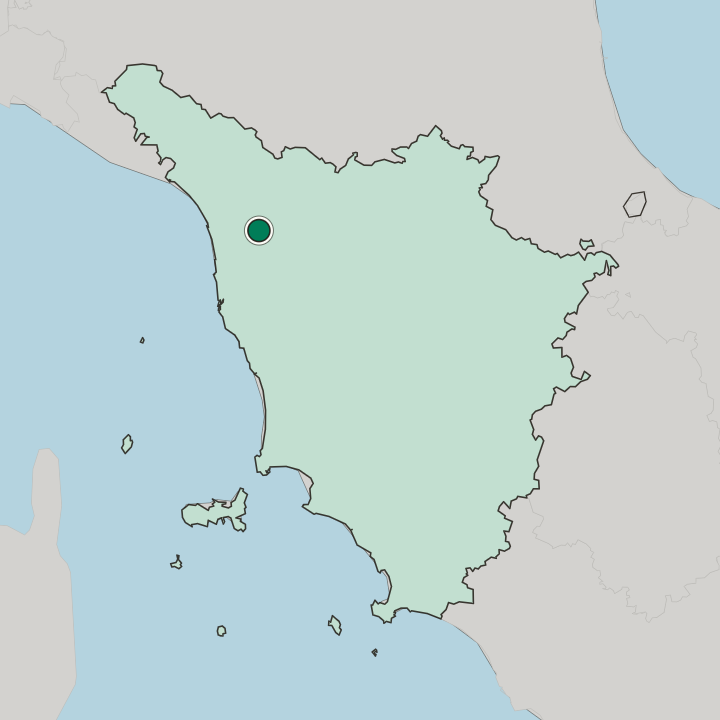
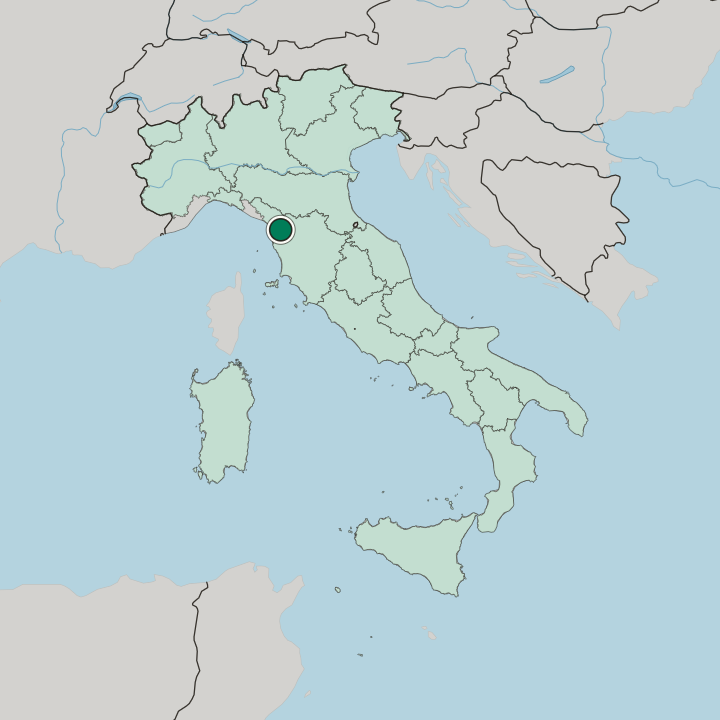
The Serchio River runs past Lucca, and the comune spreads over the fertile plain around it. About 186 square kilometres fall inside that boundary, most of it open ground rather than street, which leaves the historic core a small and very dense fraction of the whole. The centre is compact by contrast.
Tuscany holds all of it, and the Orto Botanico Comunale di Lucca gathers plants from that country inside the town itself.
What is the climate of Lucca?
The plain sets the terms. Air over the fertile ground along the Serchio River keeps Lucca in the temperate band, and the seasons here turn by degrees rather than in steps, which is part of why the historic core stays walkable through most of the year without much planning. Nothing arrives abruptly.
How do you get to Lucca?
Approaches cross the plain. Roads over the flat ground around the Serchio River bring you to the edge of a centre best covered on foot, since Lucca Cathedral, San Michele in Foro and Guinigi Tower all fall inside one walkable core. The comune reaches much further out.
The Palazzo Mansi National Museum and the Villa Guinigi National Museum are the two stops worth building a day around.
Common questions
What is the best area to stay in Lucca?
San Michele in Foro: First visits wanting the old forum square at the door. Cathedral square: A calmer address by Lucca Cathedral and Santa Maria Forisportam. Guinigi Tower quarter: Sleeping under Guinigi Tower with Torre delle Ore in the same view. Orto Botanico corner: Quiet mornings by the Orto Botanico Comunale di Lucca.
Good for
More cities in Toscana
Updated October 2026