Italy · Toscana
Where to Stay in Siena, Toscana
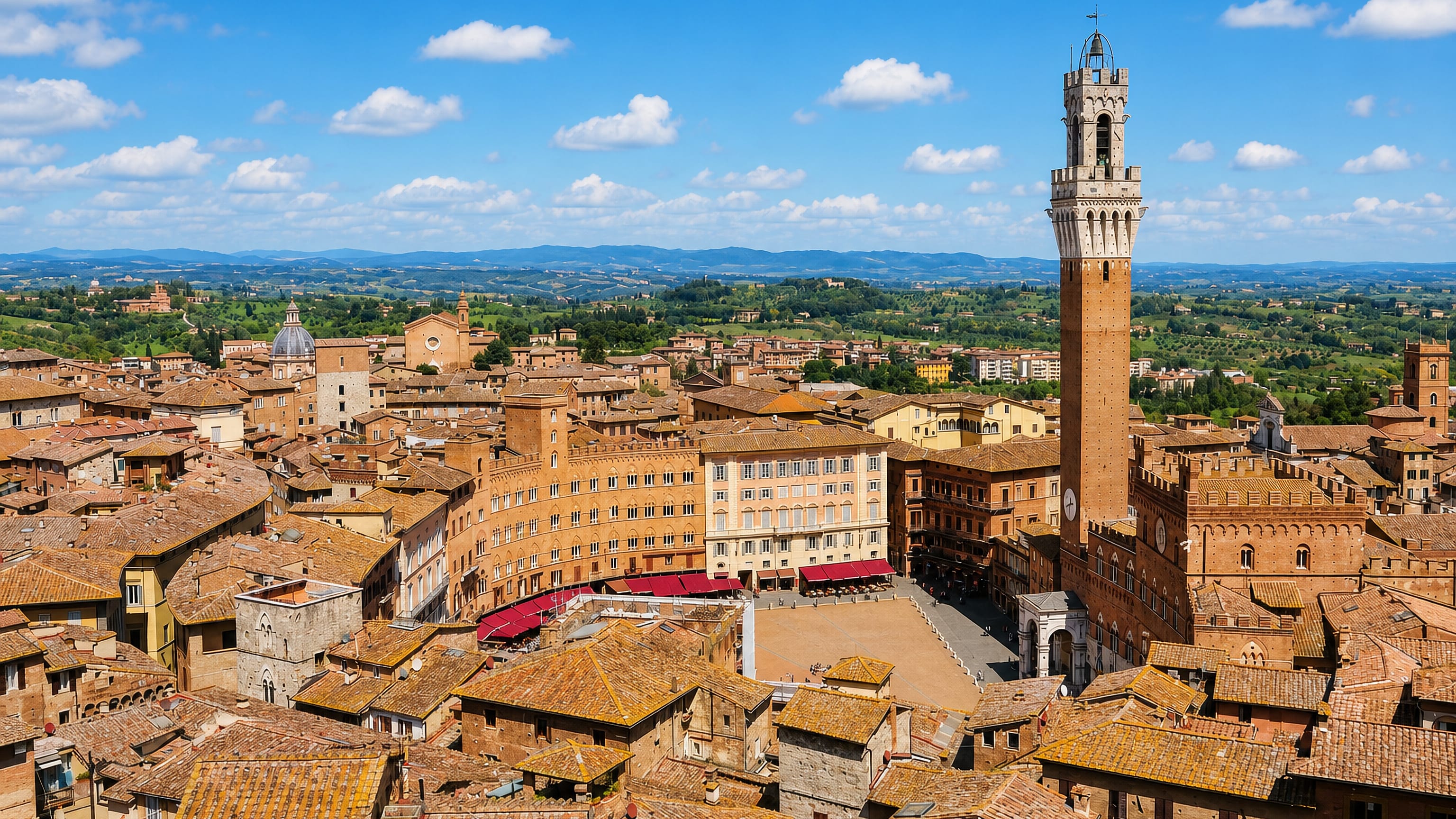
The walls still hold. Siena keeps its medieval centro storico intact seventy kilometres south of Florence, a UNESCO World Heritage Site in Tuscany.
Hotel links are affiliate links: booking through them may earn us a commission, at no extra cost to you. It never affects how places are ranked. How this works


Where to stay in Siena
Where the beds are, and what that means for the visit.
The walls decide everything here. Inside them the centro storico is compact enough that a room under the Torre del Mangia, another beside Santa Maria della Scala and a third by the Battistero di San Giovanni all count as central. Il Palio changes that arithmetic.
Twice each summer the race fills the centre, and beds inside the walls are spoken for long before the horses are. The Santuario di Santa Caterina side stays quieter than the route itself. Museums pull stays to one end.
Sant'Agostino, the Pinacoteca Nazionale and the Orto Botanico dell'Università di Siena cluster at that side of the historic centre, which suits anyone wanting paintings and plants in the same morning. Beds outside the gates work differently. Castello di Belcaro stands out in the countryside that still surrounds Siena, and rooms in that direction trade the walled streets for farmland, a car and the long view back toward the Torre del Mangia.
Both patterns have their season. Anyone here for the cooking will find the walled centre the shorter walk between tables, while San Martino, Santo Spirito and San Giorgio give the wandering between meals its shape.
Find hotels in Siena
Direct booking searches for these neighbourhoods.
Under the Torre del Mangia
The Torre del Mangia rises over this part of the centro storico, with Santa Maria della Scala and the Battistero di San Giovanni a few minutes away on foot.Find hotels in Under the Torre del Mangiaquieter lanes a short walk off the Palio routeThe Santuario di Santa Caterina side
The Santuario di Santa Caterina stands inside the same walls as the race, along with the Siena synagogue and San Pietro alla Magione.Find hotels in The Santuario di Santa Caterina sidestays that pair the Pinacoteca Nazionale with the university's plant collectionThe Sant'Agostino and botanical-garden end
Sant'Agostino, the Pinacoteca Nazionale and the Orto Botanico dell'Università di Siena all sit at this end of the historic centre.Find hotels in The Sant'Agostino and botanical-garden endtravellers with a car who want farmland instead of walled streetsOut past the gates toward Castello di Belcaro
Castello di Belcaro stands well beyond the circuit of walls, in the farmed countryside that still surrounds Siena on every side. Lodging is scarce in this area; reserve in advance.Find hotels in Out past the gates toward Castello di BelcaroHotel links are affiliate links: booking through them may earn us a commission, at no extra cost to you. It never affects how places are ranked. How this works
Things to do in Siena
Ranked by global recognition; descriptions from Wikidata (CC0).
Museums & Galleries
5- Torre del Mangia Heritage
- Santa Maria della Scala Heritage
- Pinacoteca Nazionale, Siena Heritage
- Orto Botanico dell'Università di Siena Heritage
- Santa Maria delle Nevi, Siena Heritage
Churches & Religious Sites
8- Battistero di San Giovanni Heritage
- Sant'Agostino Heritage
- Siena synagogue Heritage
- San Martino Heritage
- San Cristoforo, Siena Heritage
Show 3 more →
- Santo Spirito Heritage
- San Pietro alla Magione Heritage
- San Giorgio Heritage
Castles & Historic Sites
1- Castello di Belcaro Heritage
Landmarks & Notable Places
1- Torre di Roccabruna Heritage
worth knowingacross 4 categories in Siena
About Siena
Il Palio sets the calendar.
What is Siena known for?
Twice each summer a horse race runs through a walled medieval centre that UNESCO lists as a World Heritage Site, and the Torre del Mangia looks down on the whole arrangement. Cuisine carries equal weight. Art fills the rest: the Pinacoteca Nazionale holds the paintings, Santa Maria della Scala holds the buildings, and the Sienese countryside outside the gates still resembles what those paintings show.
What are the main landmarks in Siena?
The Torre del Mangia carries furthest. Santa Maria della Scala and the Pinacoteca Nazionale hold collections inside the walls, and the Battistero di San Giovanni, San Martino and Santo Spirito stand within the same circuit. Santa Caterina has her own sanctuary.
The Santuario di Santa Caterina, the Siena synagogue, San Pellegrino alla Sapienza and San Pietro alla Magione divide the quarters between them, while Castello di Belcaro and the Torre di Roccabruna stand out beyond the gates. The Orto Botanico dell'Università di Siena closes the list.
What is the history of Siena?
Siena has no charter date. What survives instead is the shape: a walled circuit, a medieval street plan inside it, and a centro storico carried on the UNESCO World Heritage list. The Torre del Mangia measures that.
It rises high enough that the countryside is visible from the top, and the countryside in question still looks close to what Sienese painters put behind their figures. Santa Maria della Scala is part of that fabric. Saints anchor the rest of the record.
The Santuario di Santa Caterina names one saint, the Carceri di Sant'Ansano another, and San Pietro alla Magione, San Pellegrino alla Sapienza and San Raimondo al Refugio carry names that fixed the quarters long before any of them became addresses. The Siena synagogue belongs to that list too. A university left its own mark, and the Orto Botanico dell'Università di Siena is the piece of it that anyone can walk into.
Il Palio keeps the quarters distinct. Run twice each summer, the race is the reason the medieval divisions of Siena stay more than a matter of old walls and older names, and the province the city heads still carries that name.
Where is Siena?
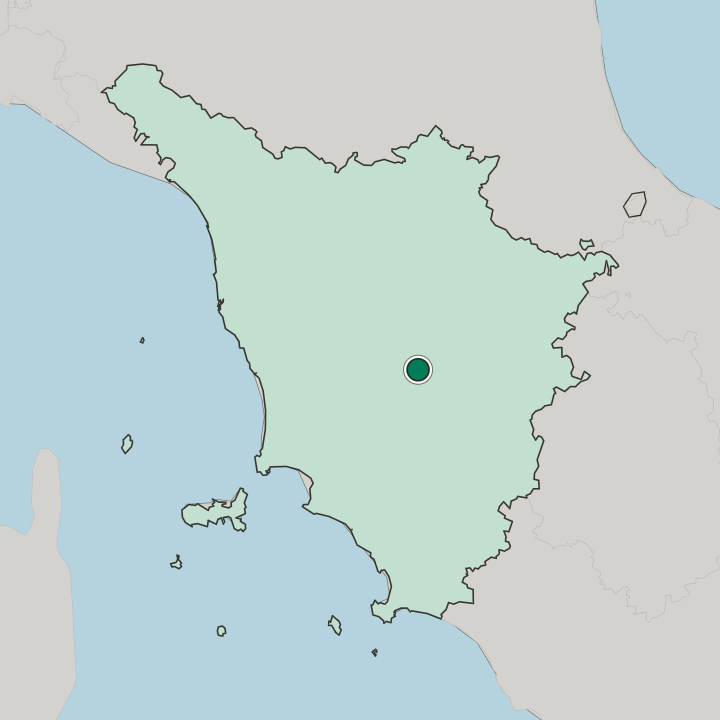
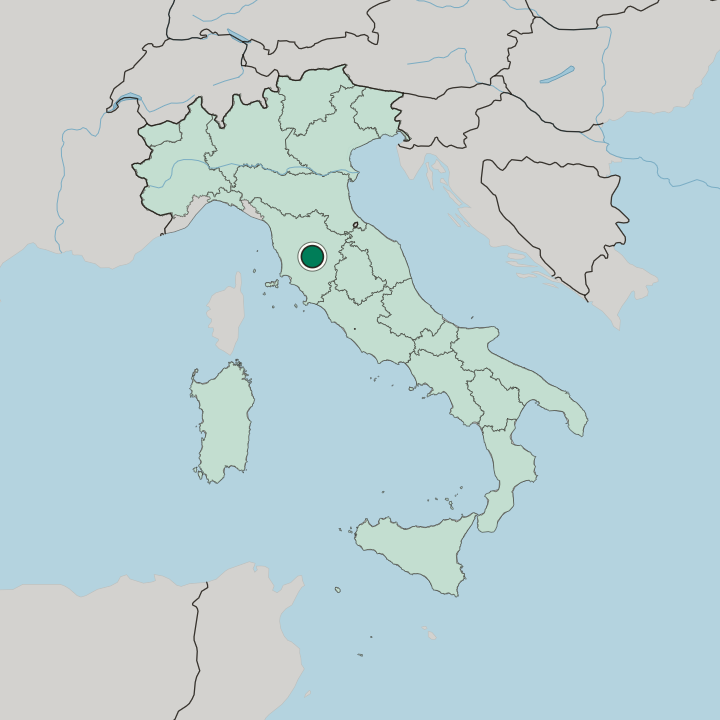
Siena lies seventy kilometres south of Florence. Countryside surrounds the walled centre on every side, still farmed and still close to what Sienese painting recorded, and the comune spreads across about a hundred and nineteen square kilometres of it. The centro storico occupies only a fraction.
Castello di Belcaro and the Torre di Roccabruna stand out in that surrounding ground, well past the gates, and Siena heads the province that carries its name in Tuscany.
What is the climate of Siena?
Summer runs the calendar. Il Palio is held twice in that season, which puts the busiest days of Siena inside the warm months of a temperate year. The countryside shows the rest.
Farmed ground rings the walls in the same pattern medieval painters set down, which is the plainest evidence of a growing season long enough to have shaped the cooking Siena is known for.
How do you get to Siena?
Siena lies seventy kilometres south of Florence. That is the approach most arrivals take, and the last of it runs through open countryside rather than suburbs, because the farmed ring around the walls has not been built over. The centro storico is walled.
Streets inside it were laid out for medieval traffic, which is why the last stretch to Santa Maria della Scala or the Torre del Mangia is best measured in minutes on foot rather than in kilometres. Castello di Belcaro sits well outside.
Common questions
What is the best area to stay in Siena?
Under the Torre del Mangia: being inside the walls on the days Il Palio is run. The Santuario di Santa Caterina side: quieter lanes a short walk off the Palio route. The Sant'Agostino and botanical-garden end: stays that pair the Pinacoteca Nazionale with the university's plant collection. Out past the gates toward Castello di Belcaro: travellers with a car who want farmland instead of walled streets.
Good for
More cities in Toscana
Updated October 2026