Japan · Tokyo Prefecture
Where to Stay in Kunitachi, Tokyo Prefecture
Two neighbours, one borrowed name. Kunitachi took its first character from Kokubunji and its second from Tachikawa, in the Tokyo Metropolis.
Hotel links are affiliate links: booking through them may earn us a commission, at no extra cost to you. It never affects how places are ranked. How this works


Where to stay in Kunitachi
Where the beds are, and what that means for the visit.
Kunitachi is a quiet base between two bigger names. Kokubunji lies on one side and Tachikawa on the other, and the city that borrowed a character from each occupies the gap with eight square kilometres and a short list of rooms. Rooms here are thin on the ground.
What exists is residential stock rather than a hotel quarter, so the argument for booking here is calm rather than convenience. The museums are the reason to walk. The Emperor Shōwa Memorial Museum, the Kunitachi Local Museum and the Hijikata Toshizō Museum stand inside the same compact city, and the Holy Trinity Chapel gives that walk a fixed point which is not a collection at all.
Excavation takes another corner. The Musashidai East Site is dug ground rather than an address, good for shaping an afternoon and no use whatever for finding a bed. Kokubunji supplies the older layer.
The Musashi Kokubunji Temple Remains Museum appears on the same reachable list and carries the name that gave Kunitachi its first character, which makes it the one trip out that explains the city itself. Anyone wanting range books elsewhere. The Tokyo Metropolis holds every category of hotel that Kunitachi does not, and the run in is short enough that treating this city as a base costs a traveller very little.
Find hotels in Kunitachi
Direct booking searches for these neighbourhoods.
Around the Kunitachi Local Museum
The Kunitachi Local Museum keeps the civic record of the city, and the streets around it are the most ordinary and the most convenient Kunitachi has. Lodging is scarce in this area; reserve in advance.Find hotels in Around the Kunitachi Local Museumwalkers using the Holy Trinity Chapel as their fixed pointThe Holy Trinity Chapel corner
The Holy Trinity Chapel is the one entry on Kunitachi's list that is not a museum, and it anchors a quieter corner of the city. Rooms are few around here — worth securing early.Find hotels in The Holy Trinity Chapel cornera base within reach of the Musashi Kokubunji Temple Remains MuseumThe Kokubunji side
Kokubunji gave Kunitachi the first character of its name, and the Musashi Kokubunji Temple Remains Museum is the older record waiting on that boundary.Find hotels in The Kokubunji sidetravellers who want Tachikawa's scale with Kunitachi's quietThe Tachikawa side
Tachikawa gave Kunitachi the second character of its name and holds the larger stock of rooms, a short move from the Emperor Shōwa Memorial Museum.Find hotels in The Tachikawa sideHotel links are affiliate links: booking through them may earn us a commission, at no extra cost to you. It never affects how places are ranked. How this works
About Kunitachi
The name is the first fact.
What is Kunitachi known for?
Its name was assembled from the neighbours on either side, the first character of Kokubunji joined to the first of Tachikawa to produce Kunitachi City, which is an unusually literal way for a city to be titled. Museums come next. The Emperor Shōwa Memorial Museum, the Kunitachi Local Museum and the Hijikata Toshizō Museum give eight square kilometres three collections with very little in common.
What are the main landmarks in Kunitachi?
The Emperor Shōwa Memorial Museum is the largest name here. Around it the Kunitachi Local Museum keeps the civic record and the Hijikata Toshizō Museum takes one figure as its subject, while the Holy Trinity Chapel supplies the only entry that is not a collection. Two more are unusual.
The Musashidai East Site is excavated ground, the list also carries an entry recorded simply as Ryoichi & Fudeko Ishii, and the Musashi Kokubunji Temple Remains Museum waits just past the boundary.
What is the history of Kunitachi?
The name was made rather than inherited. Kunitachi draws on Kokubunji at one boundary and Tachikawa at the other, the first character of each joined to produce Kunitachi City, and few cities carry their own position quite so plainly. Settlement runs deeper.
The Musashidai East Site is the excavated record of this ground, and the Musashi Kokubunji Temple Remains Museum holds what survives of a far older foundation on the same short list. The municipality took its legal shape in 1889. Everything since has been kept in small institutions rather than large ones, and the Kunitachi Local Museum is where the ordinary civic record of the city now sits.
One collection reaches well beyond it. The Emperor Shōwa Memorial Museum records a reign rather than a district, and finding it inside eight square kilometres is the sort of thing that only makes sense once the whole list is read at once. Another records one man.
The Hijikata Toshizō Museum takes a single historical figure as its entire subject, while the Holy Trinity Chapel and the entry listed as Ryoichi & Fudeko Ishii complete a set that runs to memorials rather than monuments. Scale was never the point. What Kunitachi holds is a name assembled from its neighbours and a handful of rooms in which quite different pasts are kept beside one another.
Where is Kunitachi?
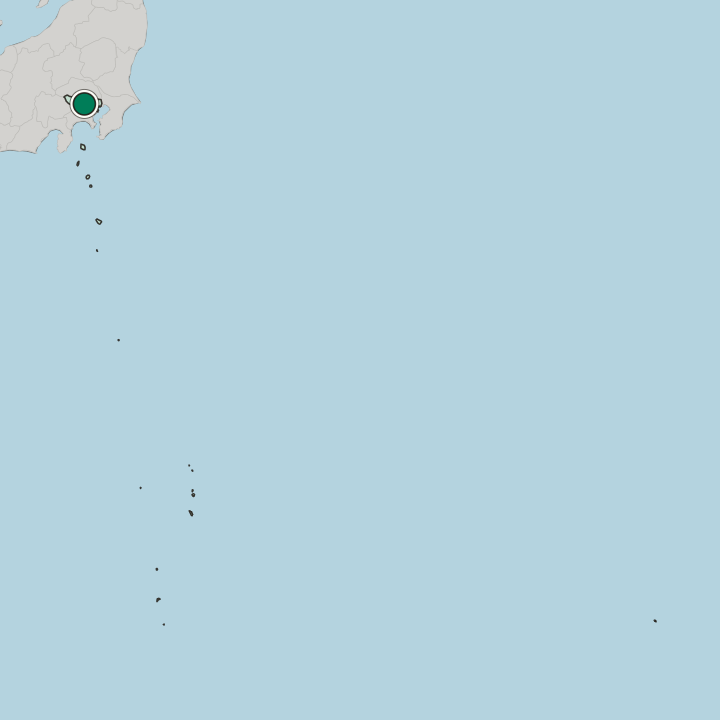
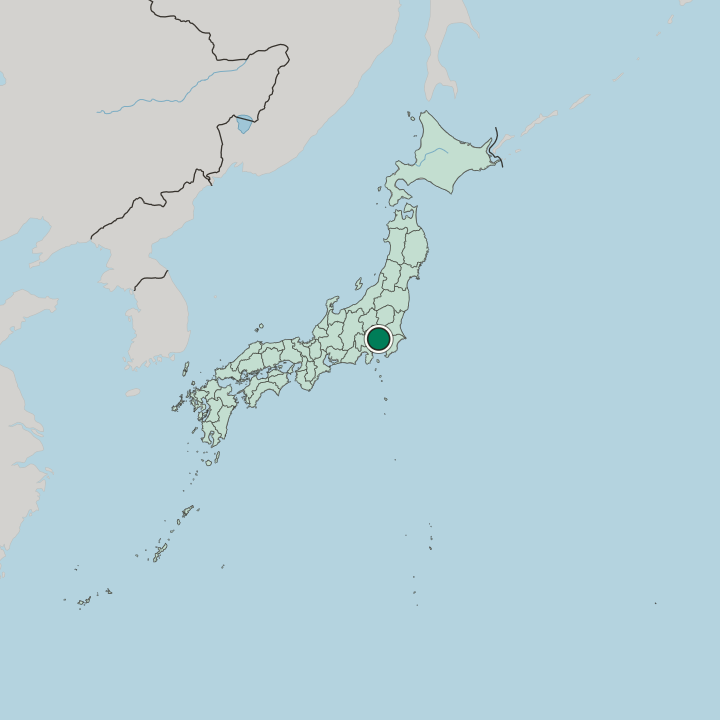
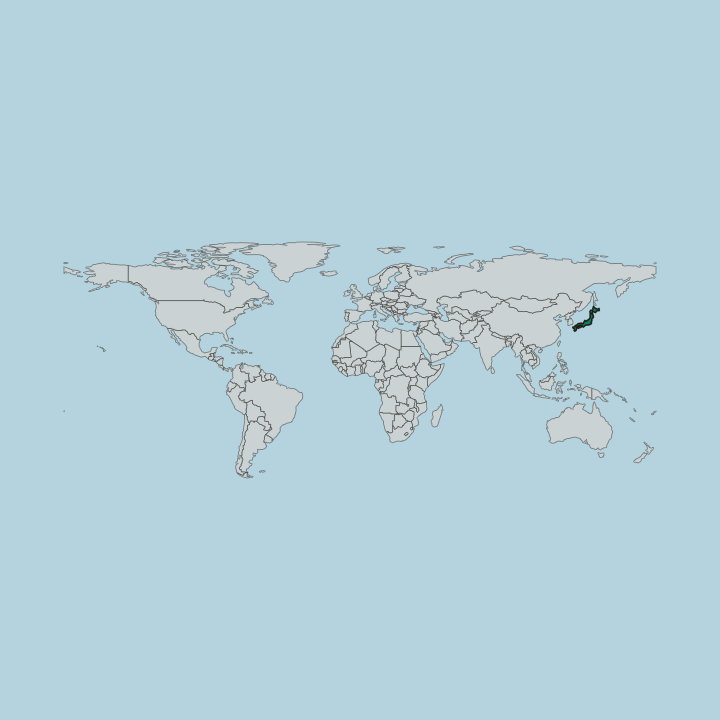
Eight square kilometres, wedged between two neighbours. Kokubunji and Tachikawa flank Kunitachi and between them account for its position, its boundaries and the two characters that make up its name in the Tokyo Metropolis. The named points sit close.
The Emperor Shōwa Memorial Museum, the Kunitachi Local Museum and the Holy Trinity Chapel fall inside a walkable frame, with the Musashidai East Site marking dug ground toward the edge.
What is the climate of Kunitachi?
Temperate through and through. Rain is the only genuine planning question, and the Emperor Shōwa Memorial Museum, the Kunitachi Local Museum and the Hijikata Toshizō Museum between them will hold an afternoon that turns wet. Clear days favour the walk.
The Holy Trinity Chapel and the Musashidai East Site both repay being approached on foot, and eight square kilometres are easy to cover in a single dry stretch.
How do you get to Kunitachi?
Kunitachi sits between two larger neighbours. Kokubunji and Tachikawa flank the city and gave it the two characters of its name, so arriving from either of them takes very little out of a day. Inside, walking works.
Eight square kilometres put the Emperor Shōwa Memorial Museum, the Kunitachi Local Museum and the Holy Trinity Chapel into one circuit, with the Musashi Kokubunji Temple Remains Museum a short move beyond.
Common questions
What is the best area to stay in Kunitachi?
Around the Kunitachi Local Museum: a first night with the Kunitachi Local Museum on the doorstep. The Holy Trinity Chapel corner: walkers using the Holy Trinity Chapel as their fixed point. The Kokubunji side: a base within reach of the Musashi Kokubunji Temple Remains Museum. The Tachikawa side: travellers who want Tachikawa's scale with Kunitachi's quiet.
Good for
More cities in Tokyo Prefecture
Updated September 2026