South Korea · Gyeonggi-do
Where to Stay in Gwangju, Gyeonggi-do
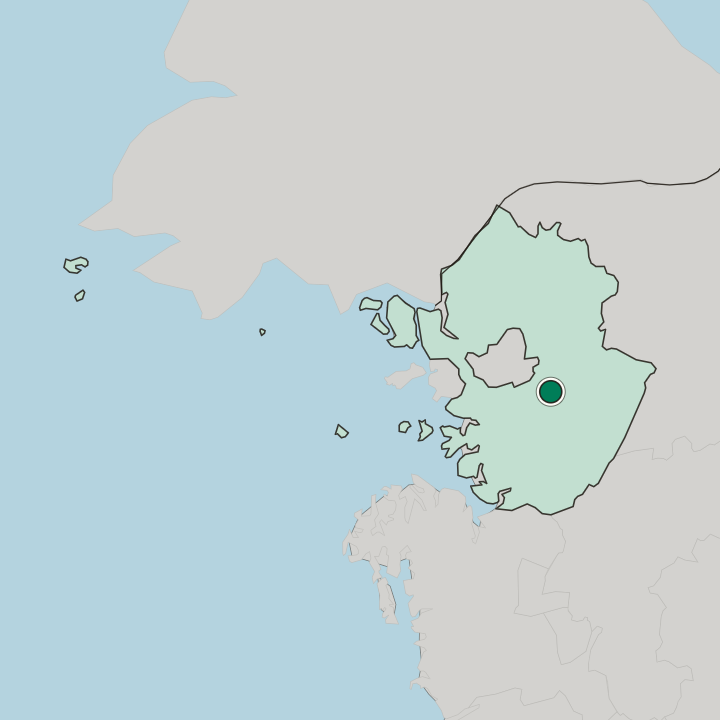
Gwangju sits among mountains and valleys in Gyeonggi Province, southeast of Seoul, and Namhansanseong is the best known of its sites.
Hotel links are affiliate links: booking through them may earn us a commission, at no extra cost to you. It never affects how places are ranked. How this works


Where to stay in Gwangju
How the choice of base plays out on the ground.
Two sides of Gwangju take guests. Rooms near Namhansanseong put Sueojangdae, Namhansanseong Haenggung and Sungryeoljeon inside one day's walking, which is the whole reason most visitors make the trip out from Seoul. The pottery park draws family outings.
Gwangju lies inside the Seoul metropolitan area, so a room near the Gyeonggi Ceramic Museum and the kiln grounds at Gwangju Joseon white porcelain kiln sites answers a different visit from the fortress one. A sizeable foreign community shares the city. The valleys hold the other kind of stay, close to hiking and camping that run all year and to the ski resort that works the cold months.
Gonjiam Rock is named among them. Older ground lies scattered across the city, from the Archaeological Site in Gwangju Sam-ri to the Gwangju Chunghyo-dong Wangbeodeul tree group and the burial ground of Grand Prince Uian Bang-seok. Farming and industry share the same ground, and that mix sets the tone away from the fortress.
Winter is the exception. The ski resort runs through the cold season, and a bed taken for it is a different proposition from one taken for Namhansanseong. Seoul stays within reach of both.
Choose the Namhansanseong side if the recorded sites come first, and the valley side if you plan to be outdoors from morning.
Find hotels in Gwangju
Direct booking searches for these neighbourhoods.
Namhansanseong
The Namhansanseong ground gathers most of Gwangju's recorded monuments in one place, so the whole visit becomes walking. Few places to stay nearby — book ahead.Find hotels in NamhansanseongPorcelain, the pottery park and the Joseon kiln groundsThe Gyeonggi Ceramic Museum side
The Gyeonggi Ceramic Museum and the kiln sites of Gwangju's Joseon white porcelain tell the porcelain story within a short run of each other.Find hotels in The Gyeonggi Ceramic Museum sideHiking, camping and the winter ski resortThe valleys
Gonjiam Rock and the camping ground lie out where the mountains take over from the built-up part of Gwangju. Beds are limited here, so book early.Find hotels in The valleysHotel links are affiliate links: booking through them may earn us a commission, at no extra cost to you. It never affects how places are ranked. How this works
About Gwangju
What is Gwangju known for?
Namhansanseong carries the city's name outward. Sueojangdae, Namhansanseong Haenggung and Sungryeoljeon stand on the same register of protected sites, and the kilns at Gwangju Joseon white porcelain kiln sites mark the white porcelain that Gwangju supplied to the Joseon court. The Gyeonggi Ceramic Museum keeps that craft on show, and a pottery park gives visitors a turn at traditional Korean ceramics.
Farms and factories share the ground. Hiking and camping run through the year in the valleys, and a ski resort works the winter.
What are the main landmarks in Gwangju?
Namhansanseong heads the list. Sueojangdae, Namhansanseong Haenggung and Sungryeoljeon are recorded beside it, and Gwangju's other protected ground runs from the Archaeological Site in Gwangju Sam-ri to the burial ground of Grand Prince Uian Bang-seok. The Gwangju Chunghyo-dong Wangbeodeul tree group stands among them, and the kiln grounds at Gwangju Joseon white porcelain kiln sites mark where Joseon white porcelain was fired.
Gonjiam Rock is the natural entry on the same list, and the Gyeonggi Ceramic Museum is the indoor one.
What is the history of Gwangju?
Gwangju became a city in 2001. The date marks administration rather than settlement, since the villages, kilns and burial grounds inside the boundary were all in place long before any charter. The Archaeological Site in Gwangju Sam-ri reaches furthest back.
Porcelain came later. The kiln grounds at Gwangju Joseon white porcelain kiln sites record the firing of Joseon white porcelain on this ground, and the Gyeonggi Ceramic Museum picks up that thread. Grand Prince Uian Bang-seok's burial ground keeps a Joseon grand prince's burial ground within the same city.
Namhansanseong dominates what survives above ground, with Namhansanseong Haenggung, Sueojangdae and Sungryeoljeon listed beside it. Sungryeoljeon and Sueojangdae are named separately on the register, each with its own entry, which is how the Namhansanseong sites appear as several protected items rather than one. Trees count as heritage too, and the Gwangju Chunghyo-dong Wangbeodeul tree group stands on the same list as the stone and timber.
The city sits inside the Seoul metropolitan area, and the modern chapter is the one where industry settled beside the farming, the two still sharing the same district. A sizeable foreign community has settled here as well. Gyeonggi Province surrounds it all.
Where is Gwangju?
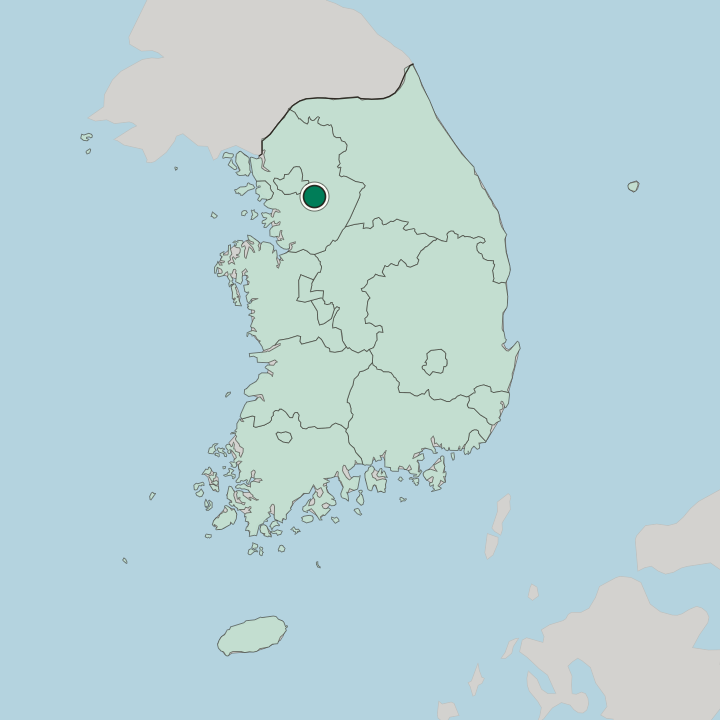
Gwangju lies southeast of Seoul, inside Gyeonggi Province, close enough to the capital that the metropolitan area takes it in and far enough out that mountains and valleys still set the shape. The high ground carries Namhansanseong. Gonjiam Rock is one of the named natural features, and the valleys hold the farmland that industry has come to share.
Hiking country runs through the year.
What is the climate of Gwangju?
Winter is cold enough for skiing. A local ski resort runs through the cold months, which is the clearest measure of how far a temperate winter in this part of Gyeonggi Province drops away from mild. The valleys stay walkable in every season, with hiking and camping going on year-round rather than closing down between the extremes.
Namhansanseong is a year-round walk for the same reason.
How do you get to Gwangju?
Gwangju sits close to the eastern edge of Seoul, and most arrivals come out from the capital rather than from anywhere further off. The distance is short. Being inside the Seoul metropolitan area keeps Gwangju within reach of the capital, so a day trip out to Namhansanseong and back is an ordinary way to see it.
Gyeonggi Province spreads around the city, and its mountains, valleys and scattered sites make moving between the Gyeonggi Ceramic Museum, the pottery park and the ski resort a matter of some distance.
Common questions
What is the best area to stay in Gwangju?
Namhansanseong: Walking Sueojangdae, Namhansanseong Haenggung and Sungryeoljeon in one day. The Gyeonggi Ceramic Museum side: Porcelain, the pottery park and the Joseon kiln grounds. The valleys: Hiking, camping and the winter ski resort.
Good for
More cities in Gyeonggi-do
Updated September 2026