South Korea
Seoul, South Korea — Towns & Travel Guide
Seoul is the capital and largest city of South Korea, a special metropolitan city at the centre of the wider Seoul Metropolitan Area.
Hotel links are affiliate links: booking through them may earn us a commission, at no extra cost to you. It never affects how places are ranked. How this works


Towns & cities in Seoul
One town here has its own guide — it links to where to stay.
 South Korea
Seoul
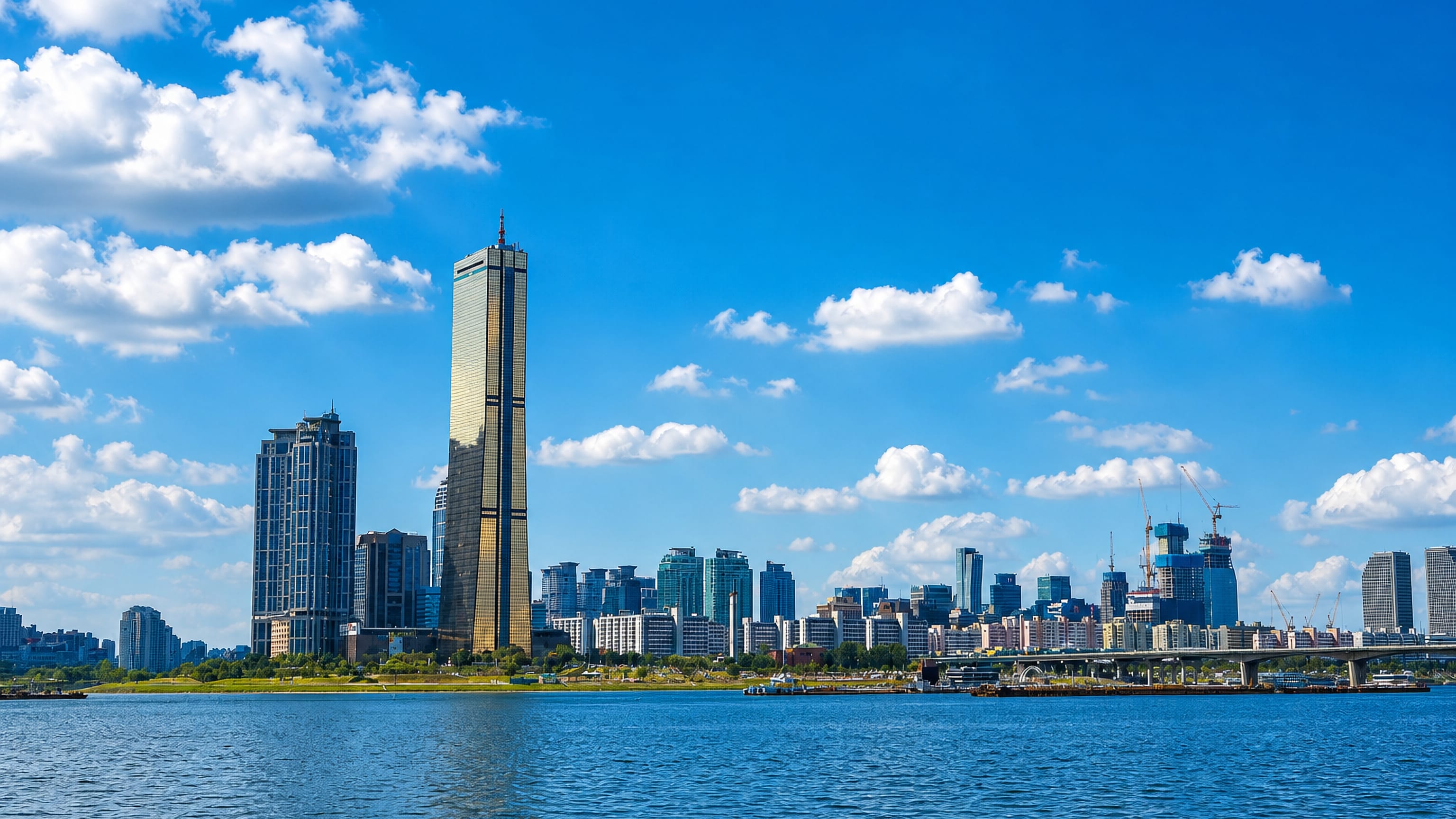
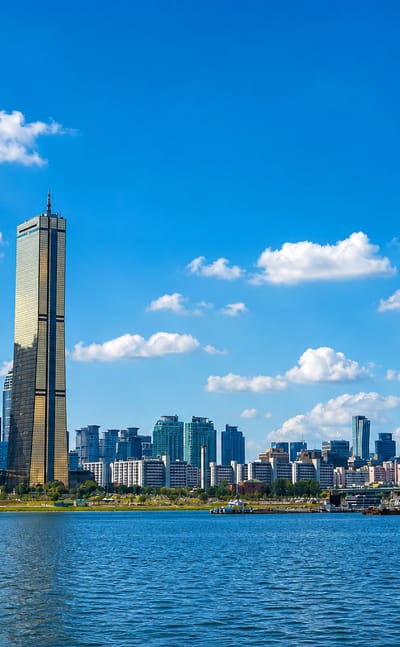
Seoul rises around the palace of Gyeongbokgung beneath Namsan Seoul Tower, the old royal capital and heart of South Korea.Where to stay →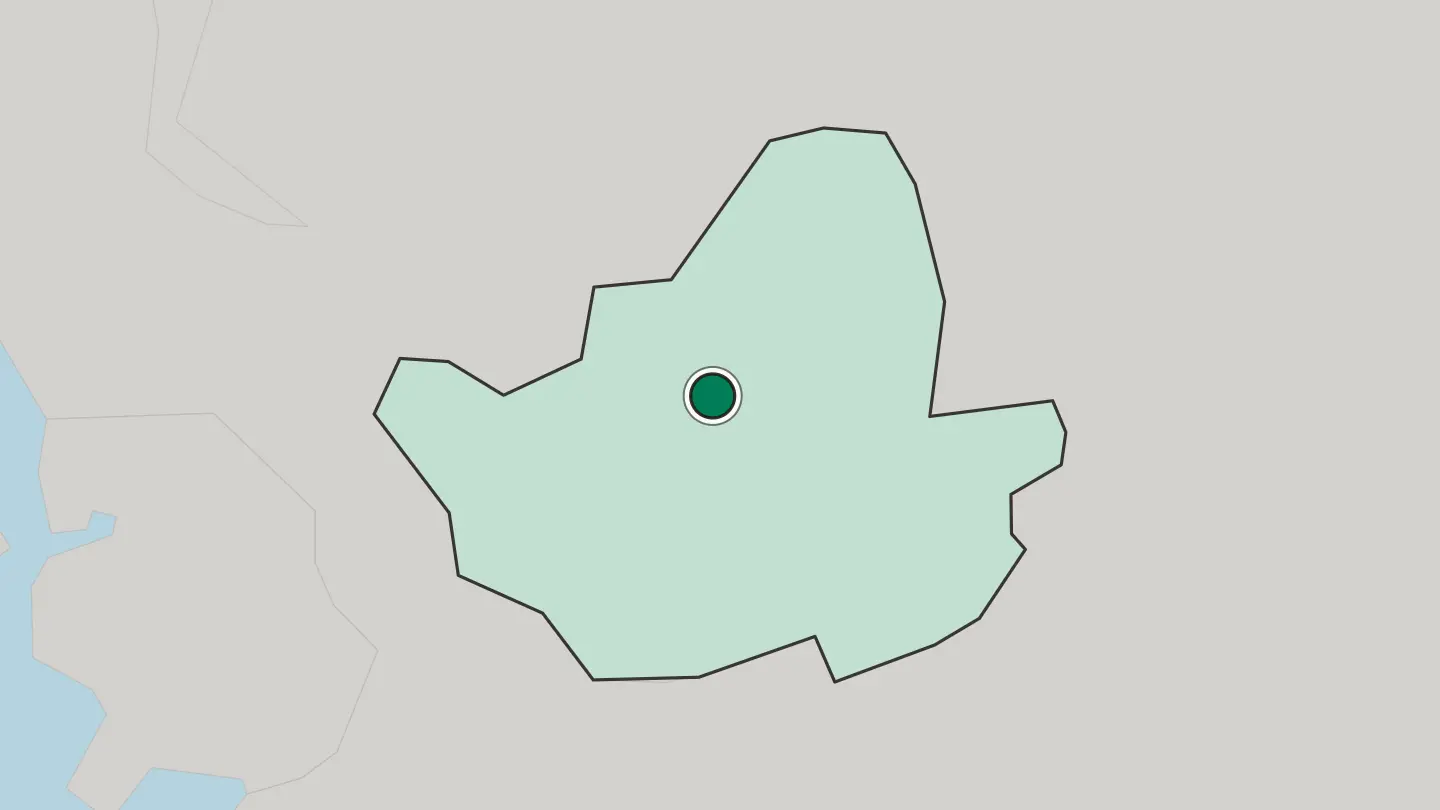
Hotel links are affiliate links: booking through them may earn us a commission, at no extra cost to you. It never affects how places are ranked. How this works
About Seoul
What is Seoul known for?
Seoul is known as the capital of South Korea and one of East Asia's great financial and cultural centres. Old royal palaces and Buddhist temples stand among concert halls, theatres, and long entertainment districts, and the metropolitan city has grown into the largest in all of Korea. The pace rarely slows.
Its streets pull travellers from across the Seoul Metropolitan Area and beyond, drawn to a place where court tradition and modern technology share the same blocks.
Where is Seoul?
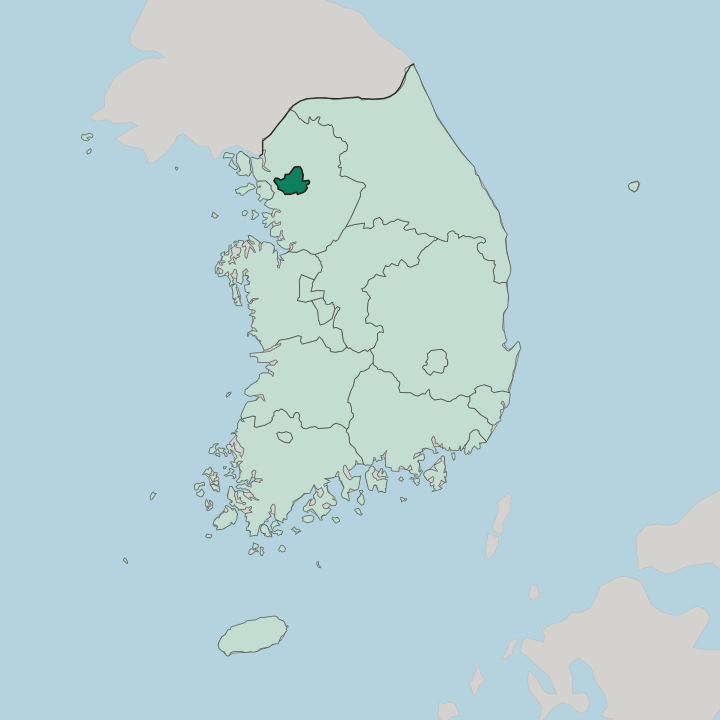
Seoul stands at the heart of the Seoul Metropolitan Area, the largest urban region in all of Korea. The metropolitan city forms the core, and around it the wider area draws together the surrounding Gyeonggi Province and the neighbouring city of Incheon into one continuous span of streets and suburbs. The built-up land runs on and on.
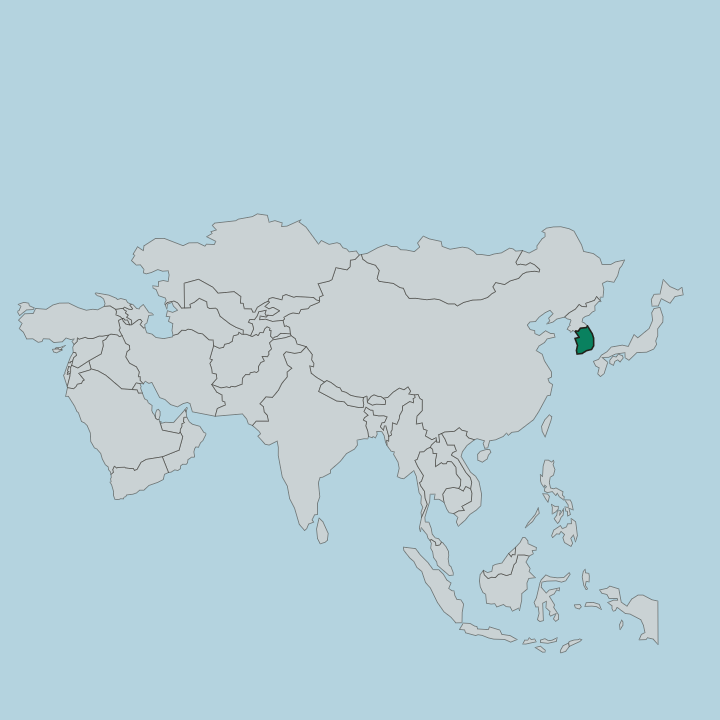
No urban region in the country matches its sheer size. As the capital of South Korea, Seoul sits among the great urban centres of East Asia, and more than half the country's people live within this single region. The special metropolitan city covers a broad basin, its districts spreading across the plain and climbing the low hills at the edges.
Suburbs press outward. Gyeonggi Province wraps around the capital on every side, holding the towns and satellite cities that feed commuters into Seoul each day, while Incheon carries the region out toward the coast. Rail and road tie the three together.
From the centre of Seoul the built-up area stretches a long way in every direction before the city finally gives out to the open farmland and low hills of the province beyond.
What is Seoul like?
Seoul carries the culture of a capital that has stood for centuries. Royal palaces and Buddhist temples remain at the core of the city, and around them theatres, concert halls, and long entertainment districts fill with plays, musicals, and music through the day and deep into the night. Two eras share the streets.
As one of the cultural centres of East Asia, the metropolitan city sets the pace in popular music, cinema, and design felt well past South Korea. Korean is the language of the streets, the stage, and the table. Street food vendors line the districts, and shared dishes and fermented staples mark the seasons across the capital, while court customs from the old kingdom still shape ceremony and dress.
The old ways endure. A restless youth culture sets trends in style and sound that spread outward from the capital across the whole country. Seoul draws students, artists, and workers from across the country into a demanding, fast-moving life, and its galleries, studios, and stages give the largest city in Korea a voice all its own.
The city rarely sits still.
What is the history of Seoul?
Seoul was founded as a royal capital in 1395. It has held that role ever since. Over the centuries the walled city grew far beyond its old gates, rising through war and rebuilding into the largest city in Korea and the heart of the modern state.
The court shaped the capital. From a royal seat it became the centre of government, learning, and trade for the whole of South Korea.
What is the climate of Seoul?
Seoul has a temperate climate marked by sharp seasonal swings, cold for a great city of East Asia. Winters turn cold and dry over the metropolitan city, with spells of hard frost, while summers grow hot and humid across the capital. Spring and autumn bring the mildest weeks.
The seasons change fast, and the wide basin traps summer heat and winter chill in turn.
How do you get to Seoul?
Seoul is the main way into South Korea. As the capital, it gathers the country's air routes, rail lines, and expressways toward the Seoul Metropolitan Area, and most journeys across Korea begin or end here. Incheon handles many arrivals.
From the metropolitan city, fast trains and highways fan out through Gyeonggi Province to every corner of the land.
Common questions
What is the best area to stay in Seoul?
Central Seoul: First-time visitors near the palaces. Gyeonggi Province: Quieter suburban stays. Incheon: Arrivals from abroad.
Good for
More regions in South Korea
Updated September 2026