South Korea
Daegu, South Korea — Towns & Travel Guide
Daegu is South Korea's fourth-largest city, set in a mountain-ringed basin near the Nakdong River in the country's southeast.
Hotel links are affiliate links: booking through them may earn us a commission, at no extra cost to you. It never affects how places are ranked. How this works


Towns & cities in Daegu
One town here has its own guide — it links to where to stay.

 South Korea
Daegu
Daegu sits in a mountain basin on the Geumho River in southeastern Korea, a metropolitan city known for Yangnyeongsi, Seomun Market and Palgongsan.Where to stay →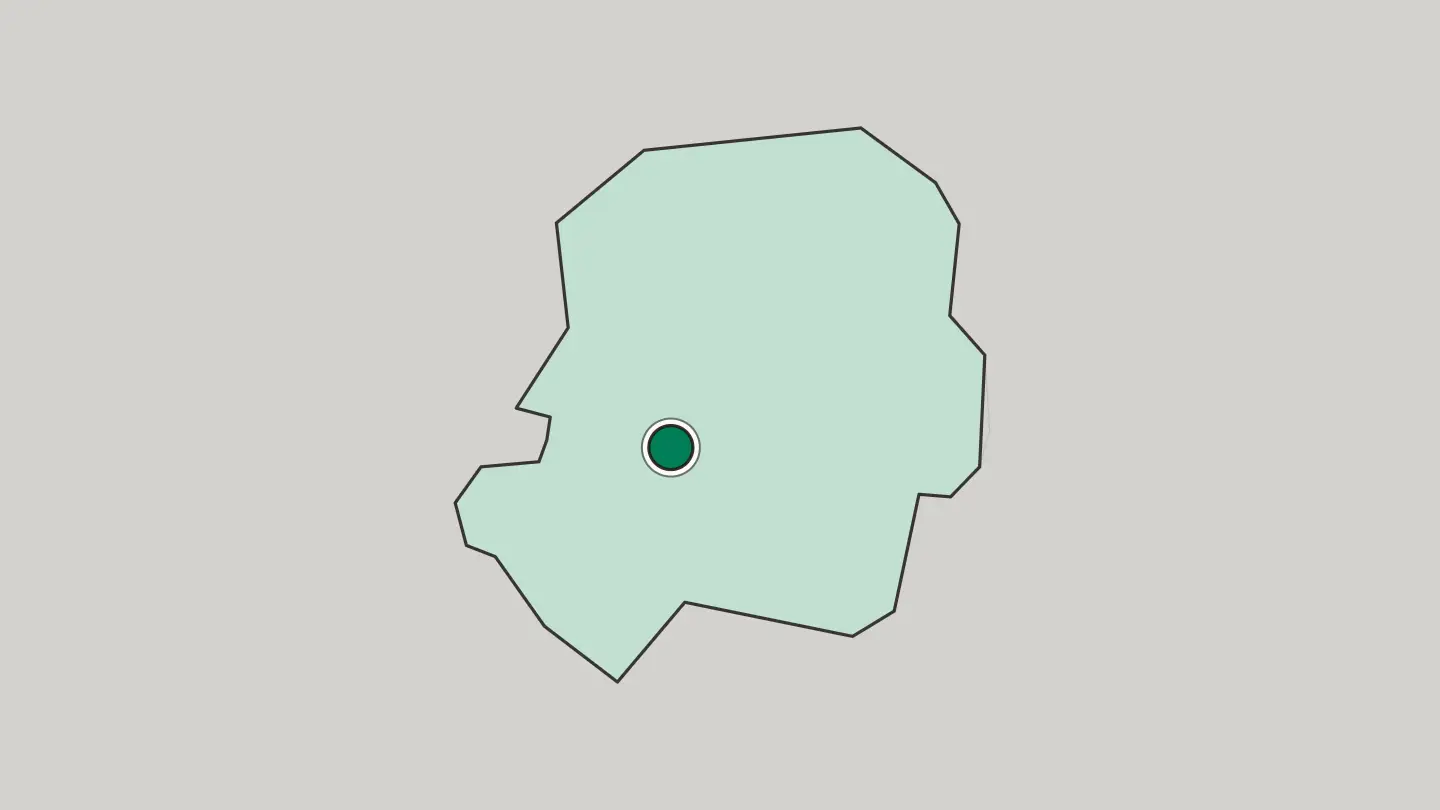
Hotel links are affiliate links: booking through them may earn us a commission, at no extra cost to you. It never affects how places are ranked. How this works
About Daegu
Koreans call Daegu the Textile City.
What is Daegu known for?
Its looms once drove the nation's exports, and fashion still runs through the downtown alleys of Jung-gu. The orchards on the slopes above give it a second name, the Apple City, prized for the fruit that ripens in the hot basin summers. Two markets fix its character: the Joseon-era Yangnyeongsi herbal-medicine street and the sprawling Seomun Market.
Palgongsan rises to the north, and the temple of Donghwasa sits at its foot.
Where is Daegu?
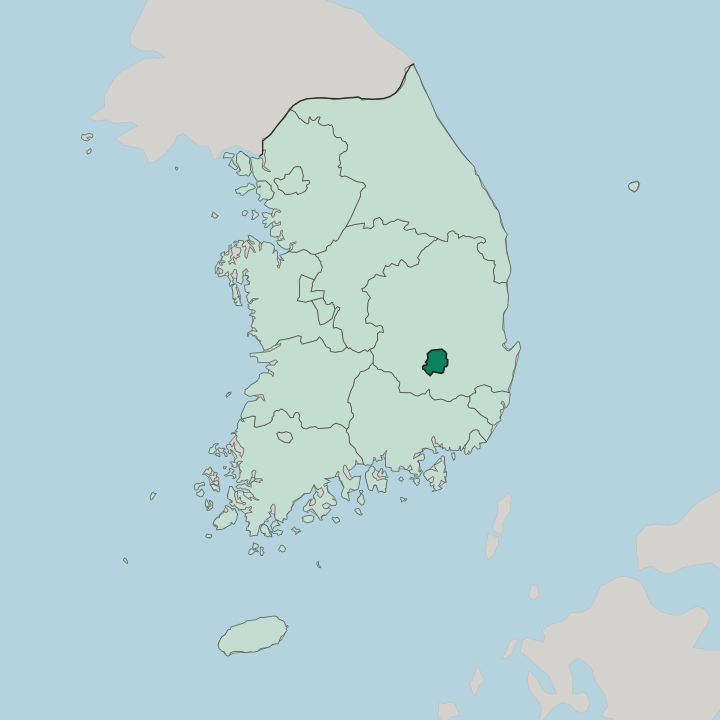
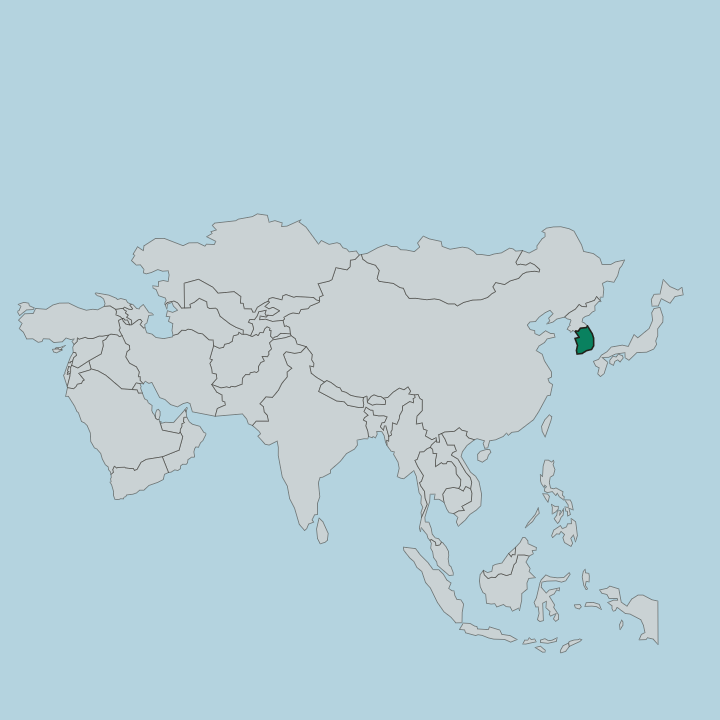
Daegu lies in southeastern South Korea, roughly 80 km inland from the coast. It fills a broad basin. Low mountains close the basin on every side, so the city spreads across the flat floor between them and climbs only where the slopes begin.
Palgongsan is the high wall to the north, and Biseulsan stands to the south. The Geumho River curls along the northern and eastern edges of the city before it empties into the Nakdong River, the long waterway that drains this whole corner of the country on its way south to the sea near Busan. That ring of hills does more than frame the view.
It traps the summer air over the basin floor and makes Daegu one of the hottest places in the country. Gyeongju sits a short way to the east, and Seoul lies far to the north up the rail line. The basin is small. Everything the city needs, from the markets to the orchards on the surrounding slopes, fits inside the bowl the mountains draw around it.
What is Daegu like?
Daegu wears its trades on its streets. The Yangnyeongsi market has sold medicinal herbs since the Joseon dynasty, when the governor of Gyeongsang Province supplied the best roots to the court and sold the rest to the townsfolk, and the smell of dried herbs still drifts along its shops. Textiles built the modern city, and the downtown fashion alleys in Jung-gu carry that trade forward.
Markets are where the place shows its face. Seomun Market crowds the west of the centre with food stalls and cloth; Chilseong Market keeps its own working rhythm nearby. Buddhist tradition threads through the culture too, most visibly at Donghwasa temple below Palgongsan.
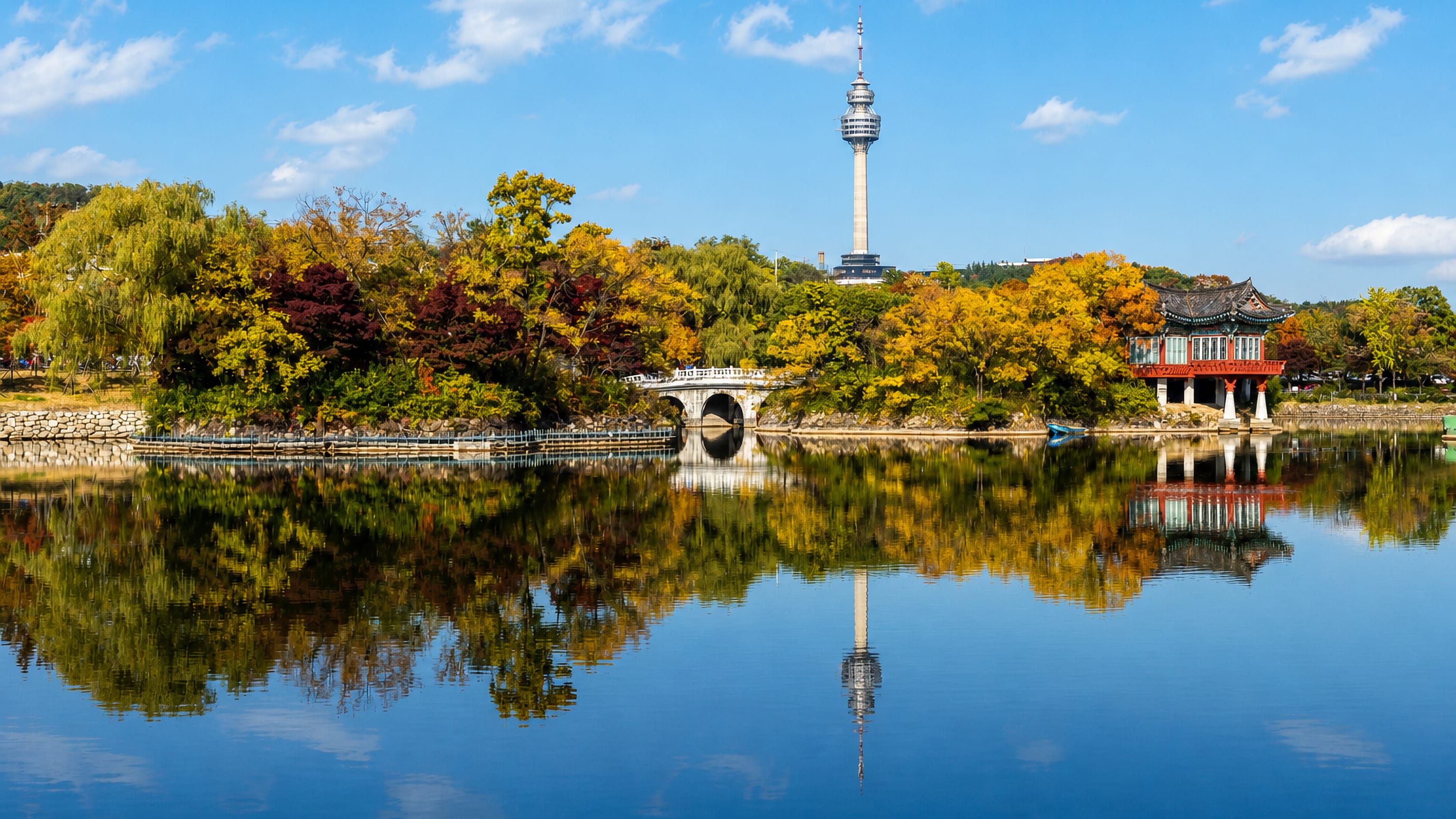
Korean is the everyday language across the city and the wider country. Away from the markets, Duryu Park draws families out to E-World and the 83 Tower that stands over it. The apples grown on the surrounding slopes reach the tables of the whole nation.
Food matters here. Spicy rice cakes and grilled snacks fill the market alleys, and the city keeps a strong reputation for its own robust cooking.
What is the history of Daegu?
Daegu grew up as a road town. It sat in the middle of the Great Yeongnam Road that ran between Seoul and Busan, at the junction where the routes to Gyeongju and Jinju branched off. That position made it a natural seat of power.
In the year 1601 Daegu became the administrative capital of Gyeongsang Province, and it held that role as the region's governing, trading and cultural centre for the centuries that followed. Weaving flourished on the same ground, and after the Korean War the textile mills turned the old provincial capital into an industrial powerhouse.
What is the climate of Daegu?
Daegu runs hot. The mountains around the basin trap the summer air over the city, and the heat has long given it a name as one of the warmest places in the country. Summers are humid, with the year's rain falling mostly in that season.
Winters turn cold and dry, and much of the rest of the year stays sunny under clear skies. The same still basin air that bakes the streets in August keeps January crisp and hard.
How do you get to Daegu?
Rail is the usual way in. Dongdaegu Station sits on the KTX high-speed line, putting Seoul and Busan within a short train ride, and a covered walkway ties it to Metro Line 1 for the run into the centre. Daegu also has its own airport for domestic and regional flights, with an airport bus down to Dongdaegu Station and downtown.
Once you arrive, the compact metro and the walkable downtown make the rest of the city easy to reach.
Common questions
What is the best area to stay in Daegu?
Downtown Jung-gu: walking Daegu's downtown alleys. Dongdaegu Station: arriving and departing by KTX rail. Duryu Park: a park-side stay near the 83 Tower.
Good for
More regions in South Korea
Updated September 2026