South Korea
Busan, South Korea — Towns & Travel Guide
Busan is South Korea's second city and its great southern port, where mountains crowd the sea and beaches ring the harbour.
Hotel links are affiliate links: booking through them may earn us a commission, at no extra cost to you. It never affects how places are ranked. How this works


Towns & cities in Busan
One town here has its own guide — it links to where to stay.
 South Korea
Busan
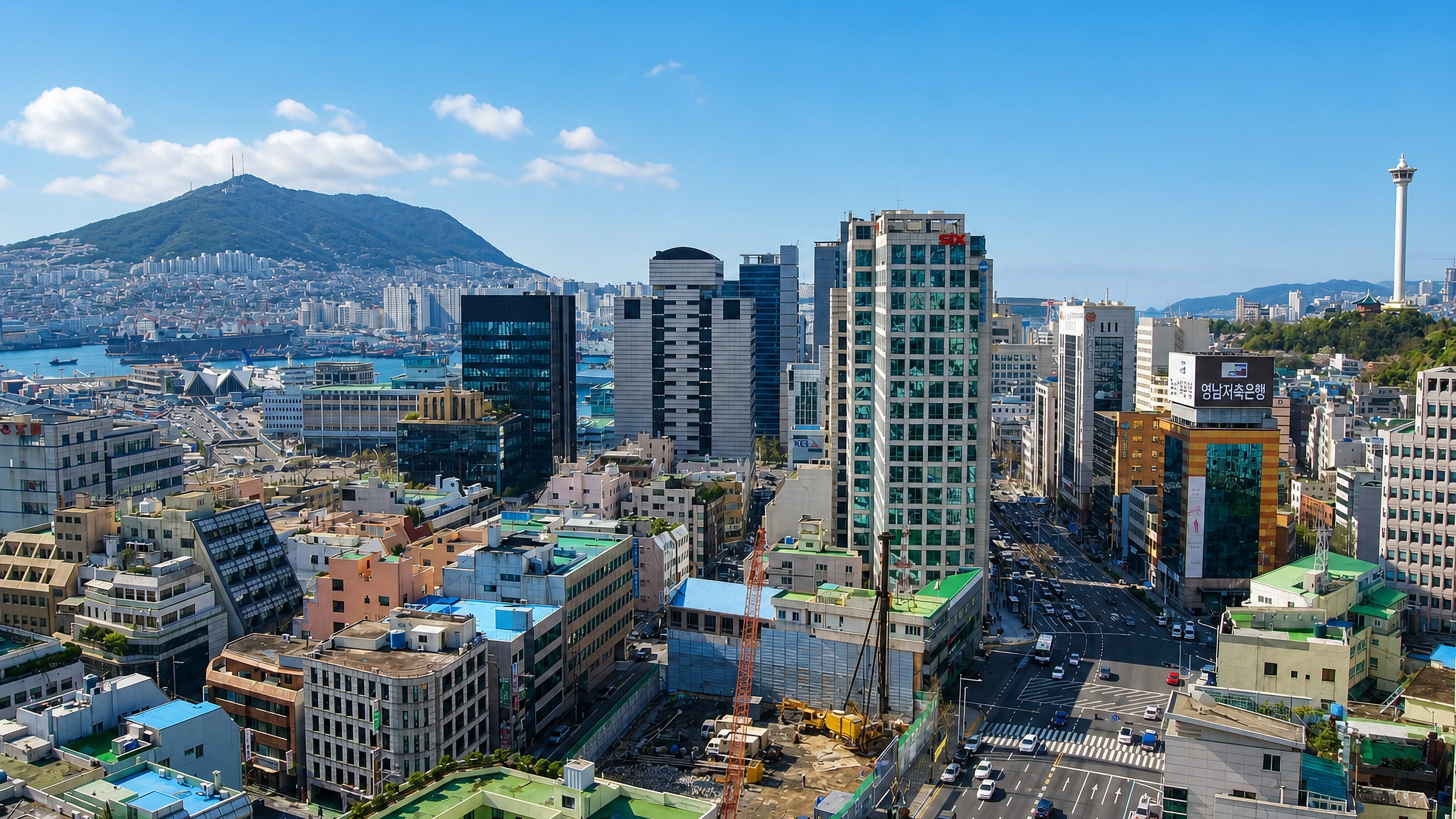
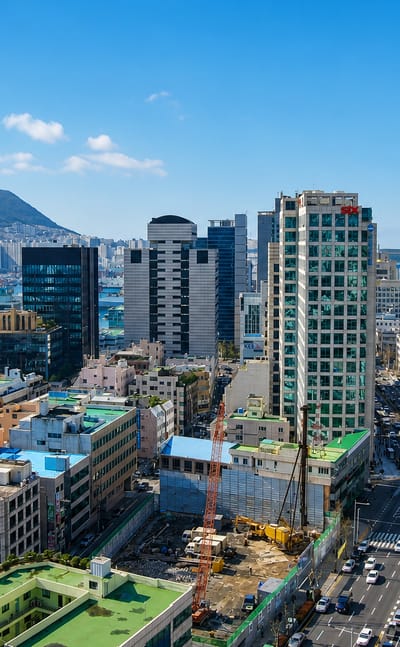
Ships crowd the harbour at Busan, a port city and South Korea's second-largest, known for its beaches, seafood, and the mountains ringing Suyeong.Where to stay →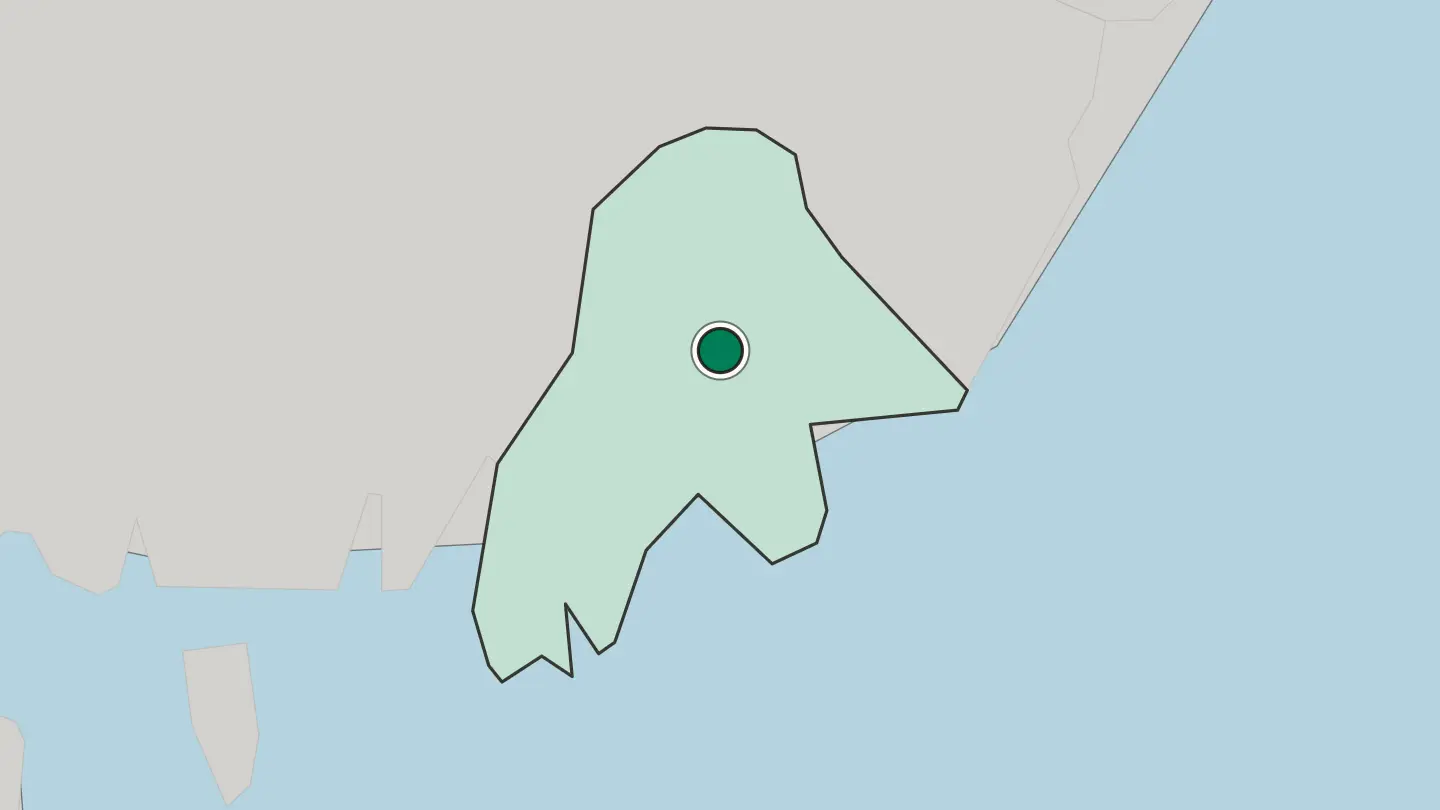
Hotel links are affiliate links: booking through them may earn us a commission, at no extra cost to you. It never affects how places are ranked. How this works
About Busan
What is Busan known for?
Busan is the busiest seaport in South Korea and one of the largest container ports on the planet. That harbour shapes everything. Fishing boats still land their catch at Jagalchi Market, where vendors slice sashimi to order along the waterfront.
Beaches sit inside the city itself, with Haeundae Beach drawing the summer crowds and quieter Gwangalli Beach lined with cafés under a lit suspension bridge. Every October the Busan International Film Festival fills the theatres.
Where is Busan?
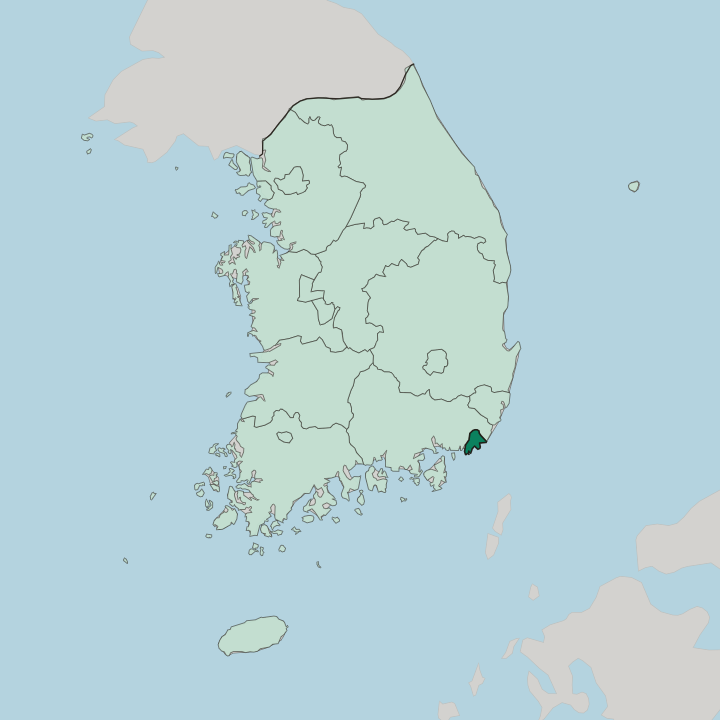
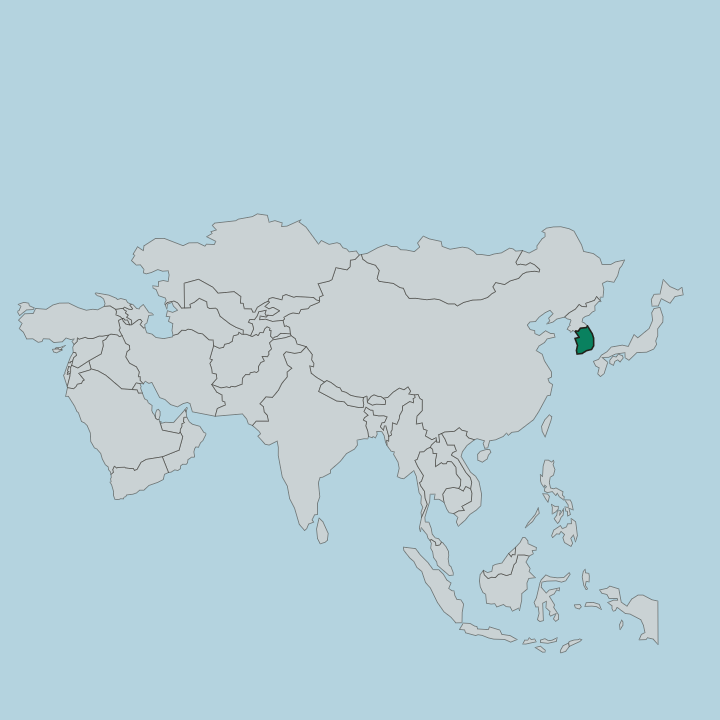
Busan sits in the far south-east of the Korean Peninsula, where the land runs out into the sea. Mountains and water pin it in place. The Korea Strait washes its southern and eastern shores, the sleeve of open sea that separates South Korea from the islands of Japan, and low ridges wall it off to the north and west.
The built-up districts squeeze into a string of narrow valleys between those hills. Neighbourhoods climb the slopes and spill down toward pockets of shore, each beach and harbour cut off from the next by a rib of green. The Nakdong River, the longest river in South Korea, comes down the western edge of the city and breaks into a broad delta before emptying into the strait.
Sandbars and reed beds. The estuary is a wetland that migratory birds lean on as they move down the coast, and to the east the smaller Suyeong River reaches the sea beside Gwangalli. Seoul lies far to the north-west, a couple of hundred miles up the peninsula. Here the country meets open water, and the port has always faced outward across it toward Japan and the shipping lanes beyond.
What is Busan like?
Busan wears its culture outdoors, along the water and up the hillsides. The sea sets the table. Raw fish and shellfish define the local kitchen.
At Jagalchi Market the ajumma vendors call out in the broad Busan dialect and the day's catch becomes sashimi at the stall. Food here leans toward flavour and volume over ceremony, a southern-port informality that people from the capital notice at once. The city's recent past is painted onto its slopes.
Gamcheon Culture Village began as a hillside refugee settlement during the Korean War, and its stacked pastel houses were later turned into a community art quarter without pushing out the families who had always lived on the hill. Cinema is the other pillar. The Busan International Film Festival, launched in 1996, grew into the leading film event in Asia, and its screens and red carpets have carried Korean directors to audiences far beyond the peninsula.
The shared language across the city and the wider country is Korean, spoken here with an accent that Koreans recognise instantly.
What is the history of Busan?
Trade made Busan. The sheltered harbour served the Gaya settlements of the far south in the early centuries AD, and under the Joseon dynasty a waegwan, a Japanese concession community, was set up beside the port in 1423. In 1876 the Treaty of Ganghwa opened the port to foreign commerce, and modern industry and shipping poured in.
In the Korean War Busan held as one of the last unconquered corners of the country and took in around half a million refugees, whose hillside shanties seeded neighbourhoods that still stand.
What is the climate of Busan?
Busan has a humid climate softened by the surrounding sea. Winters stay mild for Korea. Summers turn hot and sticky, with the heaviest rain arriving in the East Asian monsoon of July and August, the same window when typhoons can sweep up the Korea Strait and lash the coast.
The ocean keeps the city warmer in winter and cooler in the worst of the summer heat than places inland to the north. Autumn is the prize, clear and dry, which is why the film festival claims October.
How do you get to Busan?
Air and rail carry most visitors. Gimhae International Airport sits west of the centre on the Nakdong River delta, running domestic hops and flights across East Asia. The fast route from the capital is the KTX high-speed train, which drops down from Seoul through Daegu and Daejeon and reaches Busan in well under three hours from the northern end of the peninsula.
Ferries cross the Korea Strait from Japan into the city's international terminal. Once you arrive, two subway lines and a dense bus network thread the valleys between the districts.
Common questions
What is the best area to stay in Busan?
Haeundae: a stay on Haeundae Beach. Nampo-dong: old-town Busan and the fish market. Seomyeon: a transit-hub base in central Busan. Gwangalli: a quieter beachfront than Haeundae.
Good for
More regions in South Korea
Updated October 2026