
Kazakhstan
Astana, Kazakhstan — Towns & Travel Guide
Astana is the capital of Kazakhstan, a planned modern city of futuristic towers on the banks of the Esil river in the northern steppe.
Hotel links are affiliate links: booking through them may earn us a commission, at no extra cost to you. It never affects how places are ranked. How this works


Towns & cities in Astana
One town here has its own guide — it links to where to stay.
 Kazakhstan
Astana
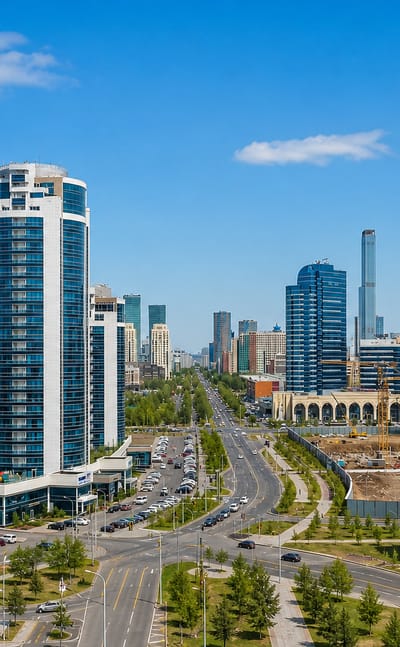
Glass towers rise beside the Ishim river at Astana, the capital and second-largest city of Kazakhstan, known for the Bayterek tower.Where to stay →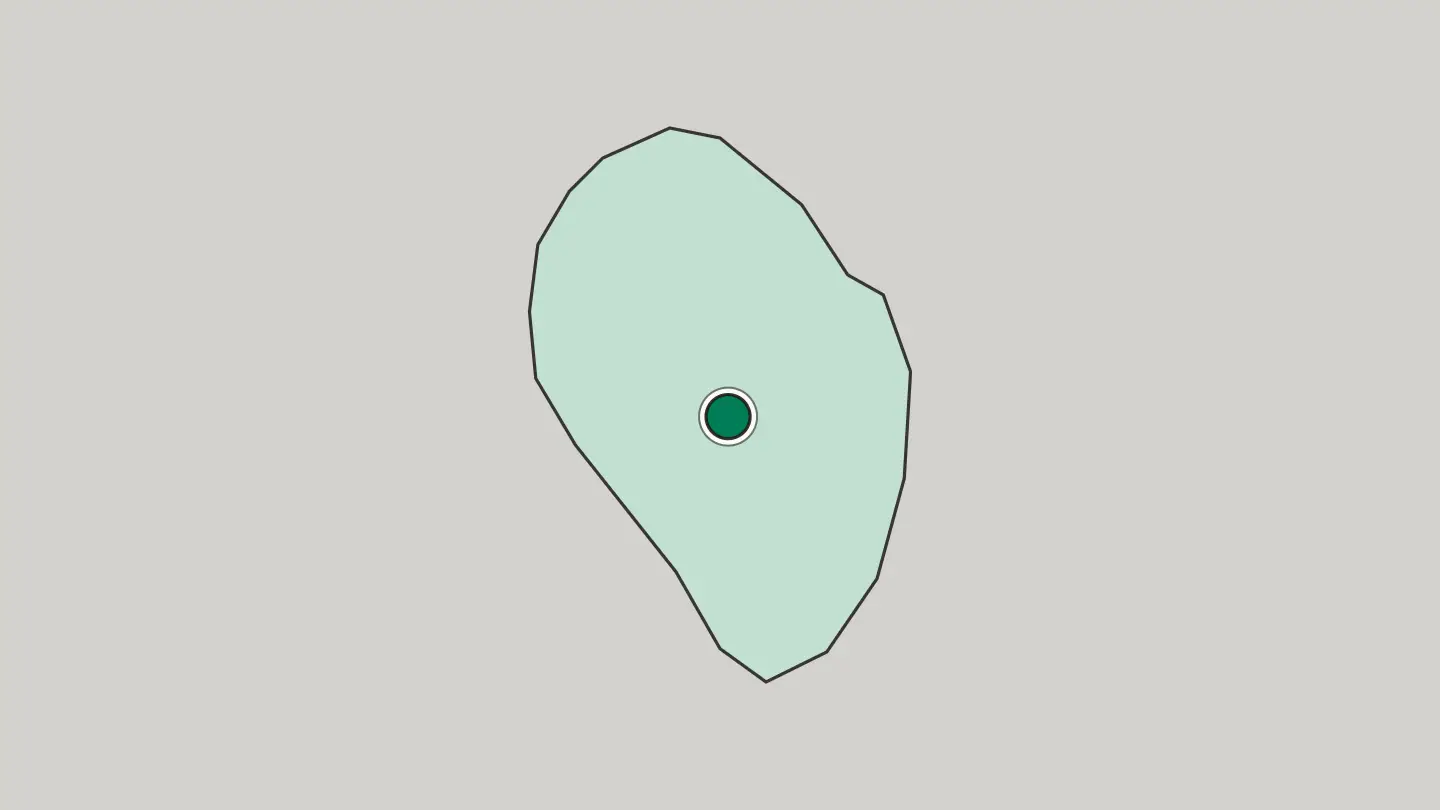
Hotel links are affiliate links: booking through them may earn us a commission, at no extra cost to you. It never affects how places are ranked. How this works
About Astana
What is Astana known for?
Astana is known as the planned capital of Kazakhstan, raised from the northern steppe in a single generation. The Japanese architect Kisho Kurokawa drew its master plan, and a skyline of futuristic towers and skyscrapers now lines the banks of the Esil river. Little here is old.
The country's second-largest city after Almaty, it took the seat of government and grew fast into a modern capital on the plain.
Where is Astana?
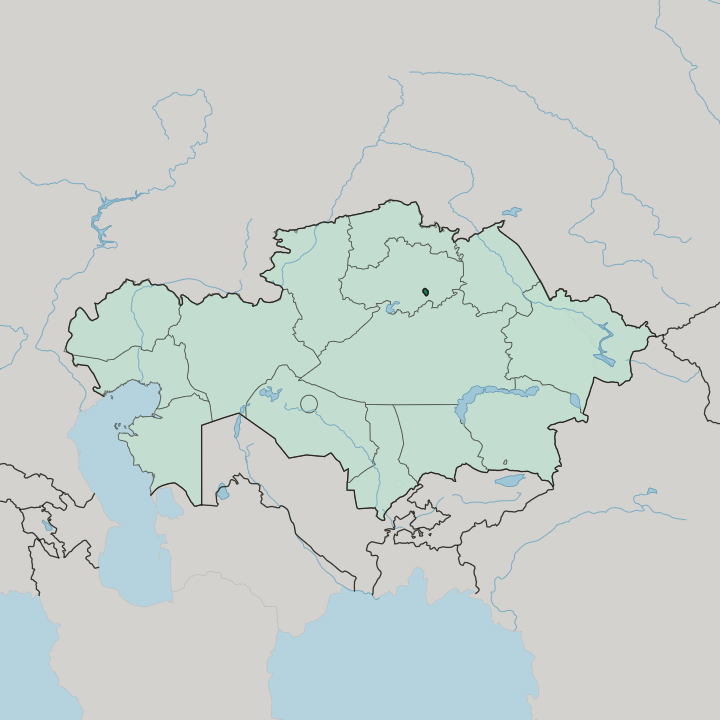
Astana stands in the north of Kazakhstan, on the open steppe of the northern plains, where the Esil river winds slowly across flat country. The river, also known as the Ishim, gives the city its water and divides it into two banks. The land around is nearly level.
It is a capital built on emptiness. For miles in every direction the steppe rolls out unbroken, with no hills or forests to shelter the city from the wind that sweeps across the plain. The capital sits within the surrounding Akmola Region, though it governs itself apart from it.
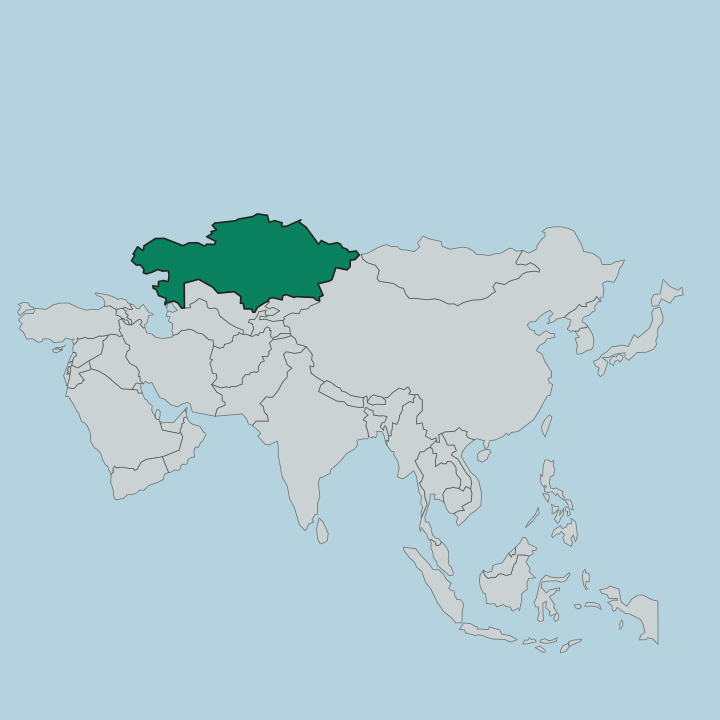
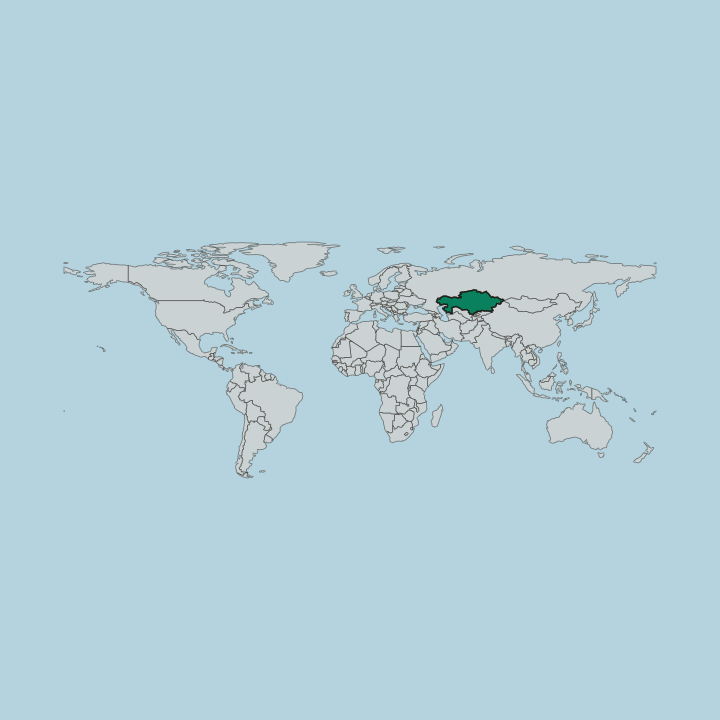
Its planned grid spreads along both banks of the Esil, laid out in the open where there was room to build from nothing. Space was never short. Far to the south, beyond the whole width of the country, lies Almaty near the mountains, while the rest of Central Asia stretches away on every side.
Here the steppe, the river, and the sky set the frame, and the city fills the space between them with towers of steel and glass that rise straight from the plain.
What is Astana like?
Astana is a young capital, and its culture is that of a planned modern city rather than an old one. Russian is widely spoken across its streets, alongside the languages of Central Asia, and daily life turns around government, business, and the institutions that followed the seat of power here. The place feels new by design.
The architecture is the city's signature, a skyline of futuristic towers and skyscrapers set out to a master plan by Kisho Kurokawa. Astana carries several names within its short history. Founded as Aqmoly, it was known in turn as Akmolinsk, Tselinograd, and Aqmola before taking the name Astana, and it briefly bore another name before returning to it.
Change is part of its story. As the capital of Kazakhstan, it draws people from across the country to a new life on the northern steppe, where museums, theatres, and concert halls have risen among the towers. From the banks of the Esil river, the second city of the land shows a face built wholly for the modern age, unlike any other city on the open steppe.
What is the history of Astana?
Astana began as a small steppe settlement founded as Aqmoly in 1830. Its names changed with the times. Through later years it was called Akmolinsk, then Tselinograd, then Aqmola, each name marking a turn in the country's history.
Then everything changed at once. In 1997 the government moved here from Almaty, the city took the name Astana in 1998, and a new planned capital rose from the plain on the banks of the Esil river.
What is the climate of Astana?
Astana has one of the harshest continental climates of any capital. Winters are long and brutally cold, and ice grips the Esil river and the surrounding steppe for months, while the wind drives unbroken across the open plain. Summers are short and hot.
Spring and autumn barely pause between the two extremes on the northern steppe.
How do you get to Astana?
Astana lies at the centre of Kazakhstan's transport, a hub built to match its role as capital. Visitors reach Astana mainly by air, landing on the northern steppe before crossing into the planned city. The distances are large.
Rail lines and roads run out across the plains toward Almaty in the south and on to the wider reaches of Central Asia.
Common questions
What is the best area to stay in Astana?
The modern city centre: First-time visitors near the futuristic towers. The older quarters across the Esil: Quieter, cheaper stays.
More regions in Kazakhstan
Updated September 2026